Freezer Repair Cost Calculator
Enter the details below to determine whether repairing your freezer is financially worthwhile compared to buying a new one.
Cost Breakdown
Additional Considerations:
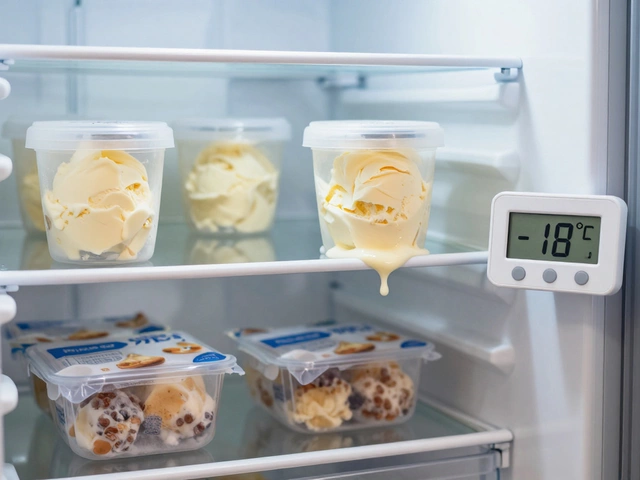
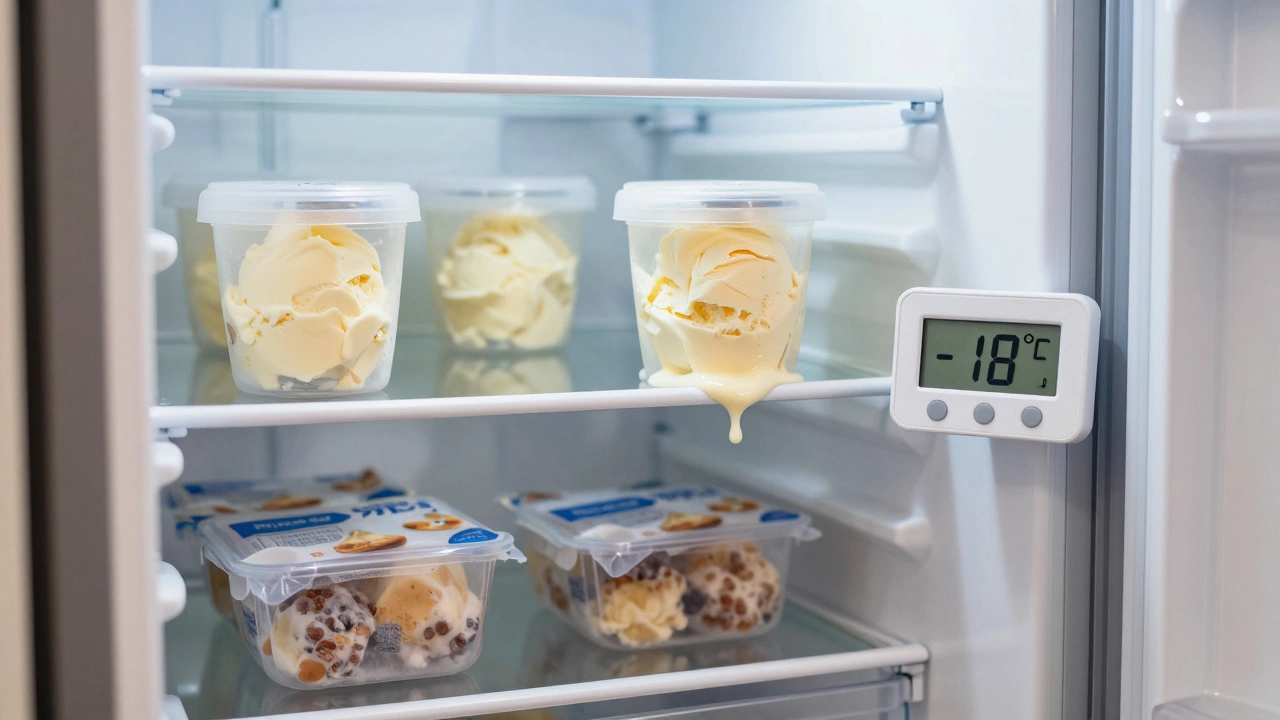
Your freezer is warm. The ice cream is soft. You check the temperature dial, but nothing has changed. This is a stressful moment, especially when you have frozen meals or bulk ingredients at risk. The immediate question isn't just "why?" but "how much will it cost to fix?" The answer varies wildly depending on whether the issue is a loose plug or a failed compressor.
In 2026, labor rates in New Zealand and globally have adjusted for inflation, meaning minor repairs are slightly more expensive than they were three years ago, while major part replacements remain significant investments. Understanding the breakdown of costs helps you decide whether to call a technician, attempt a DIY fix, or simply buy a new unit.
Is it worth repairing a freezer that won't freeze?
Generally, yes, if the repair cost is less than 50% of the price of a new equivalent unit and the freezer is under 10 years old. If the compressor needs replacing, it is often better to buy new due to energy efficiency gains in modern models.
Quick Summary: Key Takeaways on Freezer Repair Costs
- Minor Repairs: Issues like faulty thermostats or door seals typically cost between $80 and $200 NZD including labor.
- Moderate Repairs: Replacing defrost heaters, fans, or control boards ranges from $200 to $450 NZD.
- Major Repairs: Compressor or sealed system failures can exceed $600-$900 NZD, often making replacement the smarter financial choice.
- DIY Potential: Many electrical components (thermostats, fans) can be replaced by homeowners with basic tools, saving 50-70% on labor costs.
- Diagnostic Fees: Expect to pay $60-$100 NZD for a professional diagnosis, which is usually waived if you proceed with the repair.
Why Your Freezer Stopped Freezing: The Usual Suspects
Before worrying about the bill, you need to know what broke. A freezer is a simple machine: it circulates refrigerant using a compressor, cools air via an evaporator coil, and distributes that cold air with a fan. When any link in this chain fails, the temperature rises. Here are the most common culprits, ranked by frequency and repair complexity.
Defrost System Failure is the leading cause of freezers that stop freezing completely. Over time, frost builds up on the evaporator coils. A working defrost heater melts this frost periodically. If the heater, the defrost timer, or the bi-metal sensor fails, ice encases the coils. Air cannot flow over the coils, so the freezer warms up. This is a moderate repair.
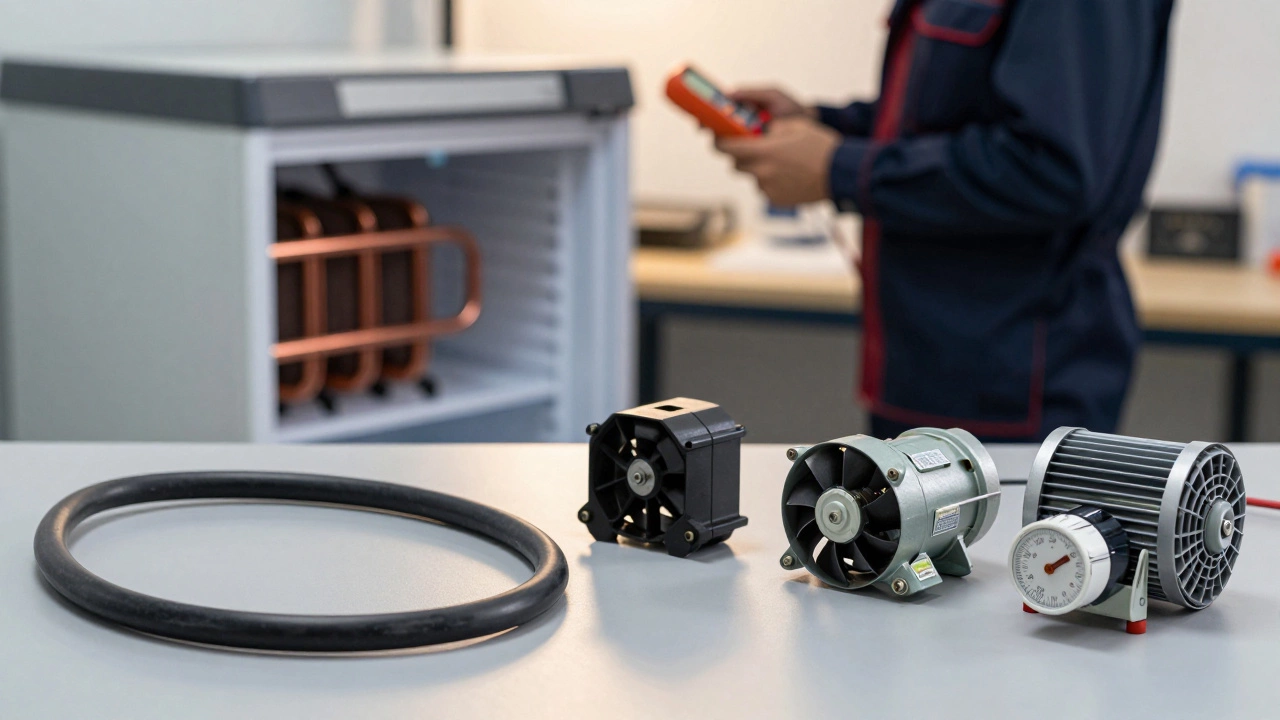
Evaporator Fan Motor is a small electric motor that pushes cold air from the freezer compartment into the fridge section (in combo units) or throughout the freezer. If this motor dies, the air stagnates. You might hear a humming noise, or silence where there should be airflow. This is a relatively cheap part but requires disassembly to access.
Temperature Control Thermostat is the switch that tells the compressor when to turn on and off. If it fails, the compressor may never start, or it may run continuously without cooling effectively. This is one of the easiest parts to replace yourself.
Compressor Failure is the heart of the refrigeration system. If the compressor runs hot, makes a loud buzzing sound, or doesn't run at all, you have a major issue. This involves handling refrigerant gas, which requires certified technicians. It is rarely cost-effective to repair unless the appliance is high-end or vintage.
Detailed Cost Breakdown: Parts vs. Labor
Understanding how repair bills are structured prevents sticker shock. Technicians charge for two things: their time (labor) and the materials (parts). In Wellington and across New Zealand, hourly labor rates for appliance technicians range from $80 to $120 per hour. Most jobs take 1 to 3 hours.
Here is a realistic look at what you will pay for specific repairs in 2026. These figures include both parts and standard labor rates.
| Issue | Part Cost (Approx.) | Labor Time | Total Estimated Cost | DIY Difficulty |
|---|---|---|---|---|
| Door Seal/Gasket Replacement | $30 - $60 | 0.5 - 1 hour | $80 - $150 | Easy |
| Thermostat Replacement | $40 - $80 | 0.5 - 1 hour | $100 - $180 | Easy |
| Evaporator Fan Motor | $50 - $100 | \n1 - 2 hours | $150 - $300 | Moderate |
| Defrost Heater Assembly | $60 - $120 | 2 - 3 hours | $250 - $450 | Moderate/Hard |
| Main Control Board | $150 - $300 | 1 - 2 hours | $300 - $500 | Moderate |
| Compressor Replacement | $300 - $500+ | 3 - 5 hours | $600 - $900+ | Professional Only |
Note that prices for parts vary by brand. Generic brands like Haier or Hisense often have cheaper, readily available parts compared to premium European brands like Bosch or Liebherr, where proprietary components drive up costs.
DIY vs. Professional Repair: Making the Call
You can save a significant amount of money by doing the work yourself. However, you must weigh your skill level against the risk of causing further damage. Here is how to decide.
When to DIY
If the problem is electrical and accessible, you can likely handle it. Replacing a door seal is as simple as pulling out the old rubber and snapping in the new one. Swapping a thermostat usually involves removing a few screws and plugging in a new connector. For these tasks, you only pay for the part ($40-$100).
To diagnose if it's a simple issue:
- Check the power. Is the light inside the freezer on? If not, check the outlet and fuse box.
- Listen. Do you hear the fan running? If not, the fan motor or its obstruction might be the issue.
- Look for frost. Unplug the freezer and remove the back panel inside the freezer compartment. If the evaporator coils are covered in thick ice, your defrost system has failed.
When to Hire a Pro
If the issue involves the sealed system (refrigerant lines, compressor, condenser coils), hire a professional. Handling refrigerant requires certification and specialized tools. Additionally, if the repair requires moving heavy appliances through tight spaces or dealing with complex electronic control boards that need programming, a technician saves you time and potential headaches.
Also, consider warranty. If your freezer is under manufacturer warranty, DIY repairs will void it. Always check your warranty status before turning a screwdriver.
The "Buy New" Threshold: When Repair Doesn't Make Sense
There is a point where pouring money into an old appliance is financially irrational. Use the "50% Rule." If the estimated repair cost exceeds 50% of the price of a comparable new freezer, buy new.
For example, if a new chest freezer costs $600, and the repair quote is $350, it’s borderline. But if the compressor needs replacing for $700, buy a new unit. Modern freezers are also significantly more energy-efficient. An older model might use 300-400 kWh per year, while a new Energy Rating 4+ star model uses less than 200 kWh. Over five years, the electricity savings alone can offset the initial purchase price difference.
Furthermore, newer models come with updated features like digital controls, faster freeze functions, and better insulation. If your current freezer is over 10 years old, its internal components are likely worn out, and another failure is statistically probable within the next 12 months.

Troubleshooting Steps Before You Call Anyone
Sometimes, the fix is free. Before spending a dollar, try these steps. They resolve a surprising number of "broken" freezers.
- Check the Temperature Setting: Did someone accidentally bump the dial? Ensure it is set to the coldest setting (-18°C or lower).
- Clean the Condenser Coils: Located on the back or bottom front of the unit, these coils get dusty. Dust acts as an insulator, preventing heat from escaping. Vacuum them thoroughly. This can improve efficiency and cooling immediately.
- Inspect the Door Seal: Close the door on a dollar bill. If you can pull the bill out easily without resistance, the seal is broken. Cold air is escaping. You can sometimes clean the seal with warm water to restore flexibility, or replace it cheaply.
- Perform a Manual Defrost: If you suspect ice buildup on the coils, unplug the freezer for 24 hours with the door open. Let everything melt. Plug it back in. If it starts freezing again, your defrost heater or timer is bad. This confirms the diagnosis before you call a pro.
Preventing Future Repair Bills
Regular maintenance extends the life of your freezer and keeps repair costs low. Here is a simple checklist to keep your unit running efficiently.
- Vacuum coils every 6 months: Prevents overheating of the compressor.
- Check door seals annually: Replace if cracked or stiff.
- Avoid overpacking: Air needs to circulate. Blockage leads to uneven cooling and strain on the fan.
- Keep ambient temperature reasonable: Don’t place the freezer in a hot garage without adequate ventilation. Extreme heat forces the compressor to run constantly, shortening its lifespan.
Frequently Asked Questions
How long does a typical freezer repair take?
Most minor to moderate repairs, such as replacing a thermostat, fan motor, or defrost heater, take between 1 to 3 hours. Complex issues involving control boards or compressors can take half a day or longer, especially if parts need to be ordered.
Can I replace the defrost heater myself?
Yes, but it is moderately difficult. You need to remove the interior back panel, scrape away ice, disconnect wires, and unscrew the old heater. You must ensure the new heater matches the wattage and physical dimensions exactly. If you are uncomfortable with electrical connections, hire a professional.
Why is my freezer running but not freezing?
This usually indicates a circulation issue. The compressor is running (making noise), but cold air isn't reaching the food. Common causes include a failed evaporator fan motor, blocked air vents due to ice buildup (defrost failure), or a low refrigerant charge due to a leak.
Does insurance cover freezer repairs?
Standard home insurance does not cover mechanical breakdowns. However, if you have an extended warranty purchased at the time of sale, or a separate appliance protection plan, it may cover parts and labor. Check your policy documents for "appliance breakdown" coverage.
What is the average lifespan of a freezer?
The average lifespan of a standalone freezer is 10 to 15 years. Built-in models may last slightly longer due to better build quality, but they are also more expensive to repair. If your freezer is approaching 12 years old, consider budgeting for a replacement rather than investing in major repairs.