31 August 2026 · 0 Comments
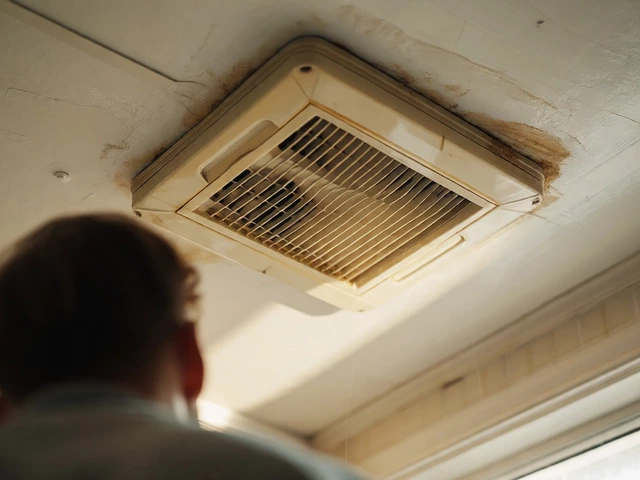
How to Tell If Your Fridge Compressor Is Dead
Discover how to tell if your fridge compressor is dead. Learn to distinguish compressor failure from minor glitches using sound, temperature, and visual checks.
Read more
When your fridge stops cooling or the freezer won’t freeze, panic sets in. You worry about food waste, rising bills, and the hassle of finding a reliable repair tech. The good news? Most problems are fixable on the spot, and you don’t have to wait weeks for help.
Our team in Hinckley specializes in both fridge and freezer repairs, so you get one call for any cooling issue. Below you’ll find the most common reasons your appliances fail and the practical steps we take to get them working again.
First, check the power. It sounds obvious, but a tripped breaker or a loose plug is the #1 cause of a dead fridge. If the lights inside are off, that’s a clear sign.
Next, look at the condenser coils. Dust and pet hair build up over time, forcing the compressor to work harder. A quick coil cleaning with a vacuum brush can restore efficiency and lower energy use.
If the coils are clean, the thermostat could be at fault. Most modern fridges use a digital sensor; a faulty sensor sends the wrong temperature signal, causing the compressor to shut off.
When it comes to compressor issues, the repair gets more technical. Replacing a compressor is expensive, but our technicians diagnose the problem accurately before recommending a costly part.
A freezer that won’t freeze often has a simple cause: the door seal. A cracked or dirty gasket lets warm air in, melting the ice. Wipe the seal with warm soapy water and check for tears. If it’s damaged, a replacement seal is cheap and easy.Another frequent issue is frost buildup on the evaporator coils. Excess frost blocks airflow, so the freezer can’t maintain temperature. Defrost the unit manually or, if the defrost timer is broken, we’ll replace it to prevent future ice jams.
For newer freezers with an automatic defrost system, a faulty defrost heater or thermostat can cause the same problem. Our technicians test each component and swap out the faulty part only.
Lastly, a noisy freezer that still runs cold might have a fan problem. The fan circulates cold air; a broken blade or motor will make the freezer work harder, sometimes leading to higher electricity bills. We often fix fan issues in under an hour.
Regular maintenance goes a long way. Clean the coils every six months, keep the door seals tidy, and avoid overloading the freezer—too much food blocks airflow.
If you’re unsure whether a repair is worth it, ask us about the appliance’s age. Most fridges last 10‑15 years with proper care; freezers can go a bit longer. When a unit nears the end of its life, we’ll give honest advice on repair versus replacement.
Ready to get your fridge or freezer back in shape? Give Hinckley Home Appliance Repair a call. We’ll diagnose the issue, explain the fix in plain English, and have your kitchen running smoothly again – often the same day you call.
31 August 2026 · 0 Comments
Discover how to tell if your fridge compressor is dead. Learn to distinguish compressor failure from minor glitches using sound, temperature, and visual checks.
Read more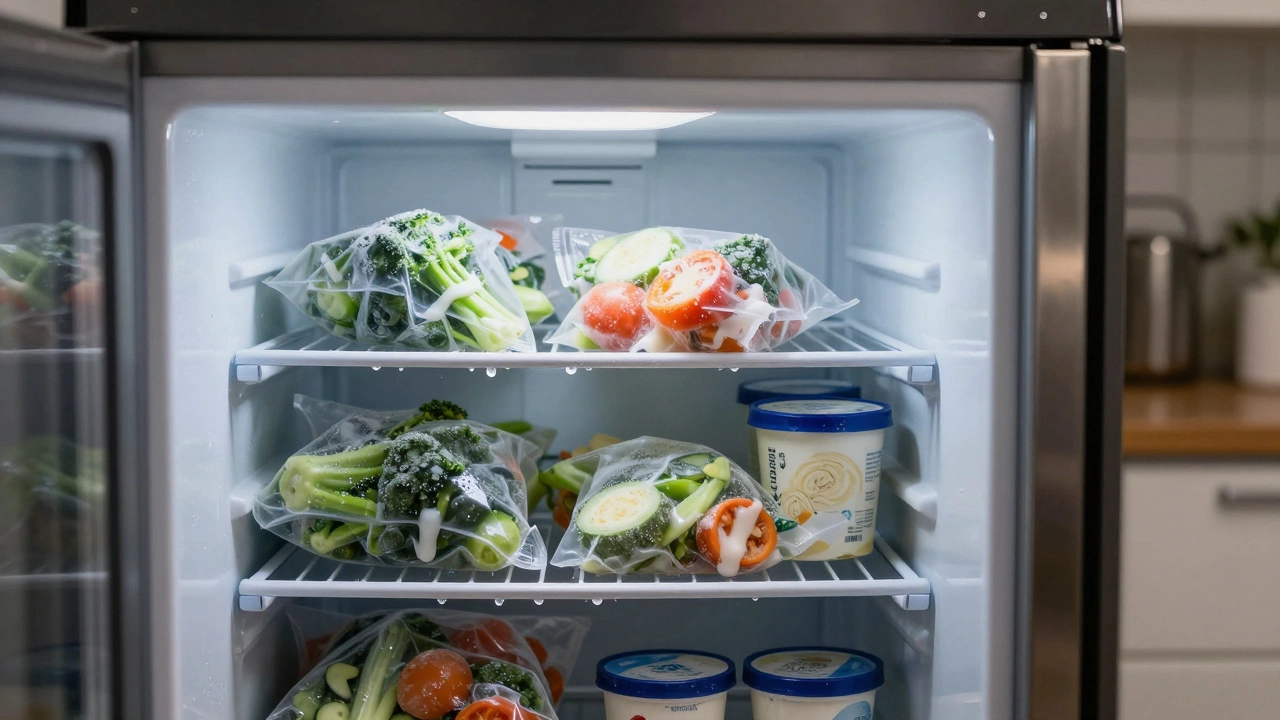
15 June 2026 · 0 Comments
Discover why your freezer stopped freezing and how to fix it. Learn to diagnose defrost failures, fan issues, and compressor problems while saving your food safely.
Read more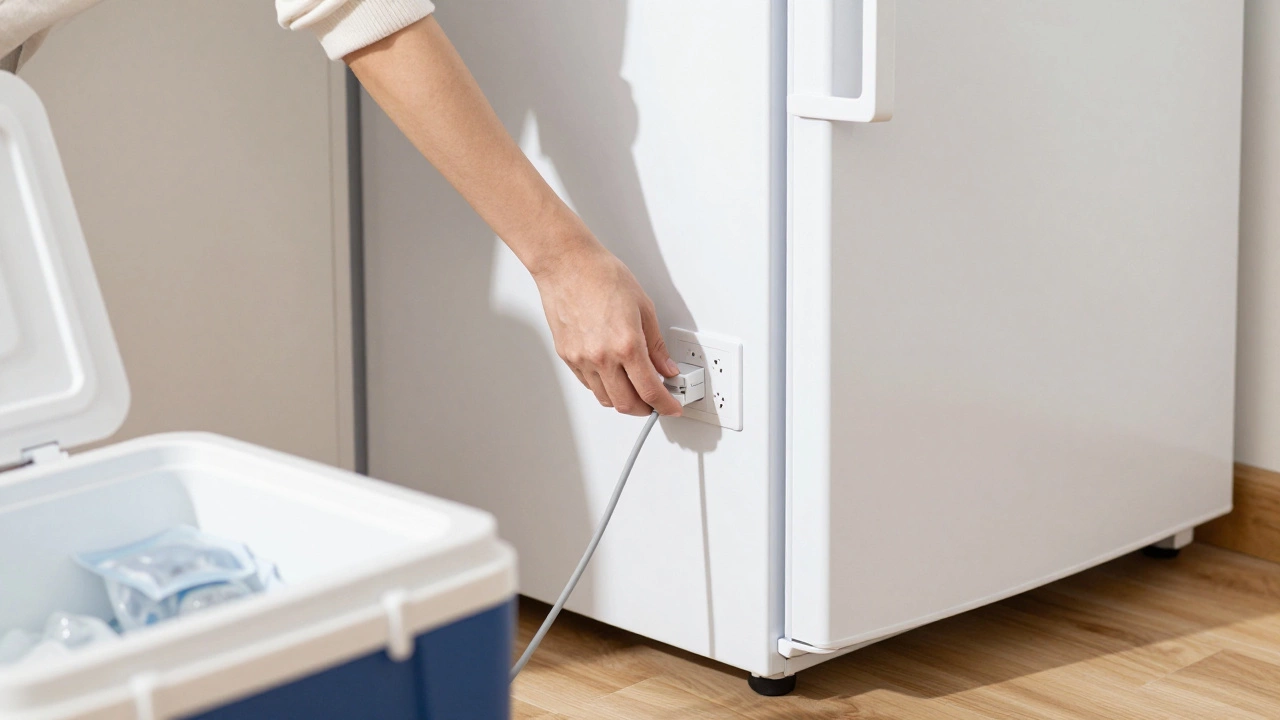
11 June 2026 · 0 Comments
Learn how to reset a freezer compressor with our step-by-step guide. From hard resets to checking start relays, find out why your freezer isn't cooling and how to fix it yourself.
Read more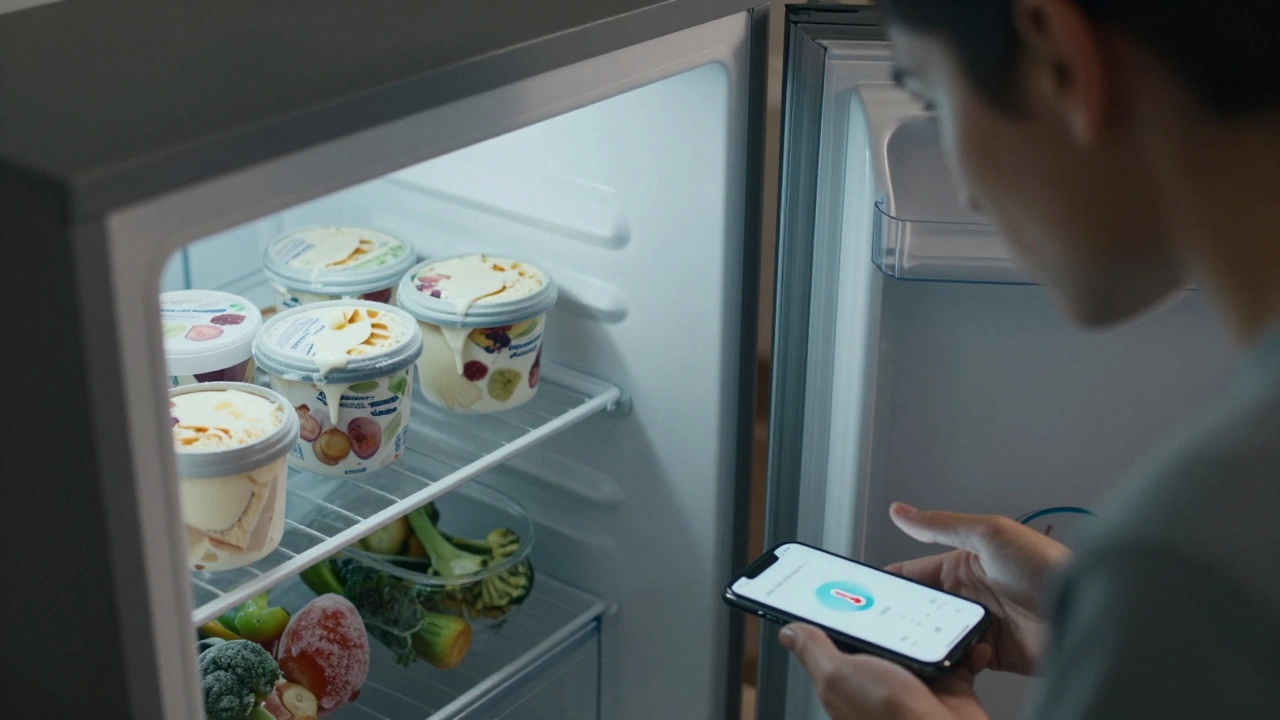
8 June 2026 · 0 Comments
Your freezer quit? Don't panic. Learn how to troubleshoot power issues, dirty coils, and defrost failures step-by-step. Save money and food with this practical guide.
Read more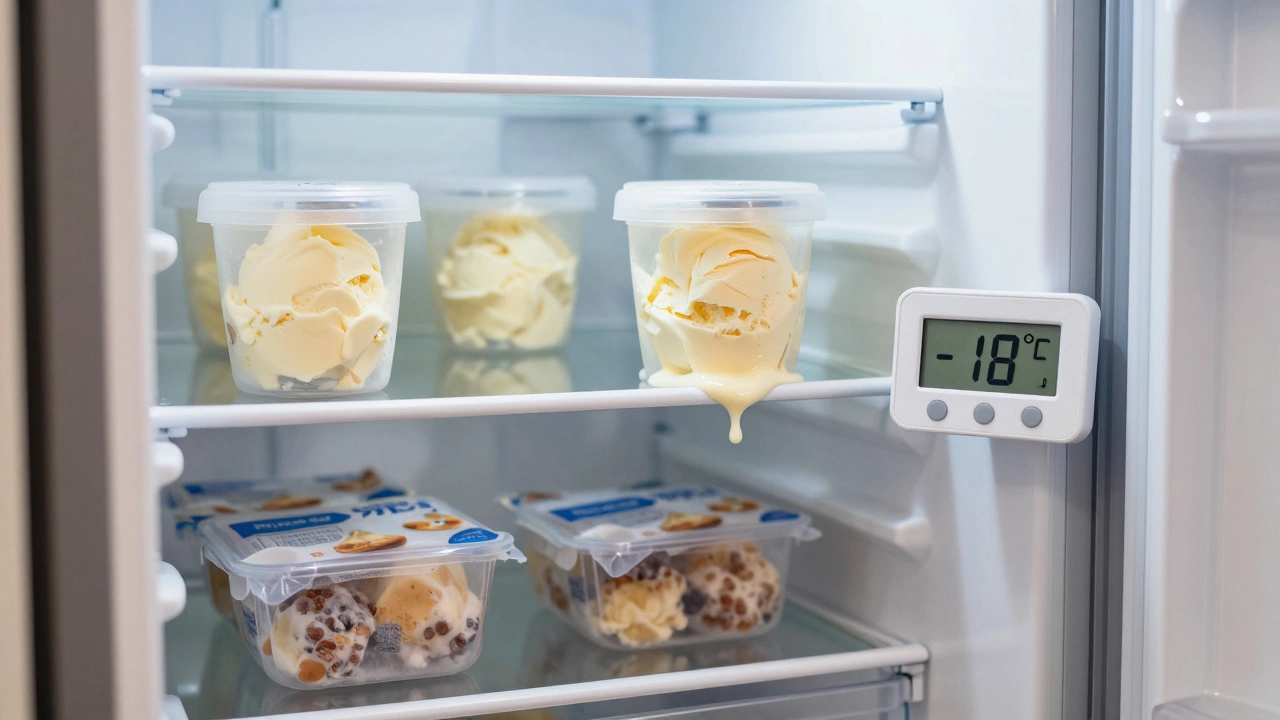
1 June 2026 · 0 Comments
Find out exactly how much it costs to fix a freezer that won't freeze in 2026. We break down repair prices for common issues like defrost heaters, fans, and compressors, helping you decide between DIY fixes and hiring a pro.
Read more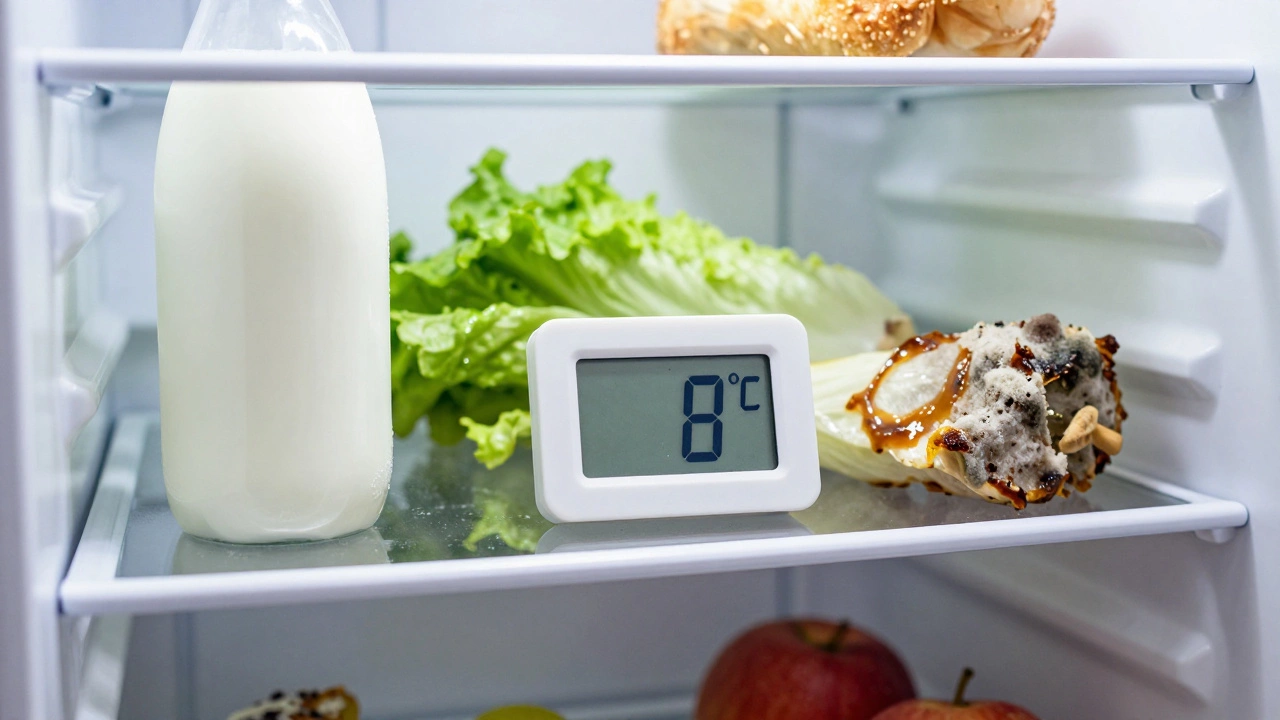
16 March 2026 · 0 Comments
Learn the real signs your fridge is failing-like strange noises, rising energy bills, and food spoiling fast. Find out when to repair and when to replace before it leaves you without cold food.
Read more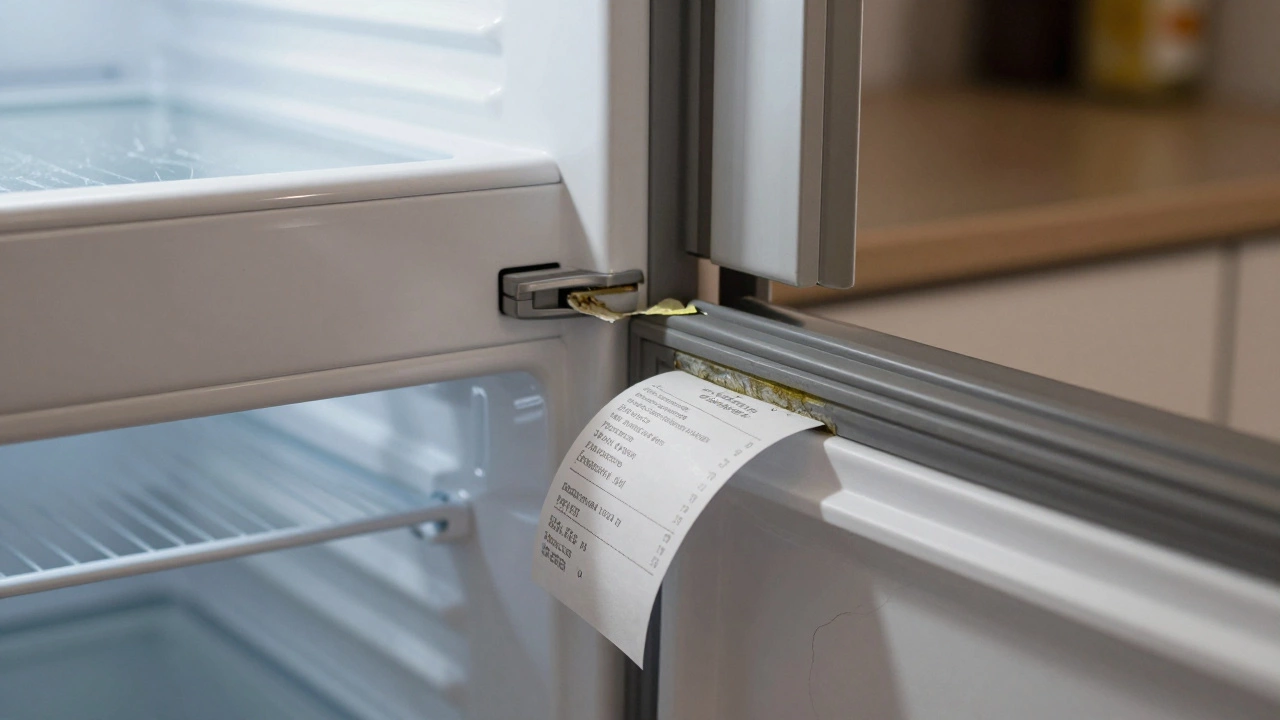
15 March 2026 · 0 Comments
The most common refrigerator repair isn't a broken compressor or faulty thermostat - it's a worn door seal. Learn why this simple part fails so often and how to fix it yourself to save money and extend your fridge's life.
Read more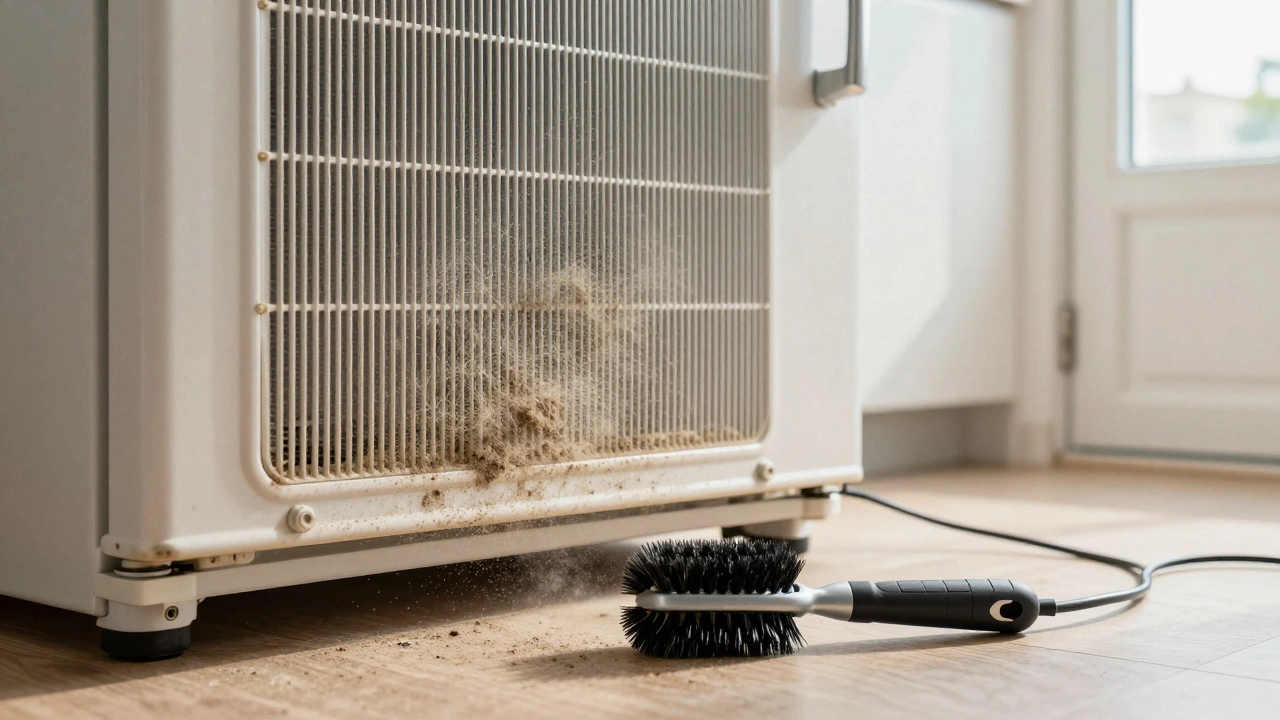
25 January 2026 · 0 Comments
Your fridge light is on but it's not cooling? This is a common issue with simple fixes. Check the coils, fan, door seal, and thermostat before calling a repair tech.
Read more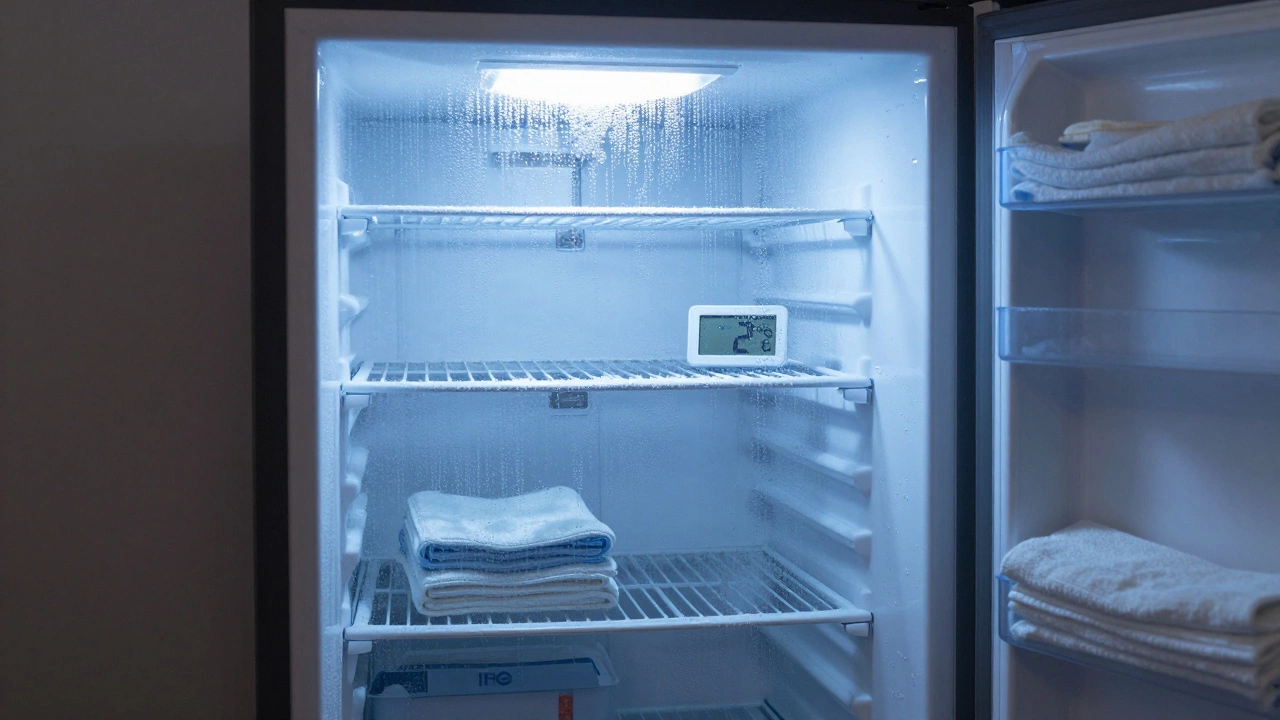
1 December 2025 · 0 Comments
When your freezer stops working, not all food is ruined. Learn how long frozen items stay safe, what to save or toss, and how to prevent future failures.
Read more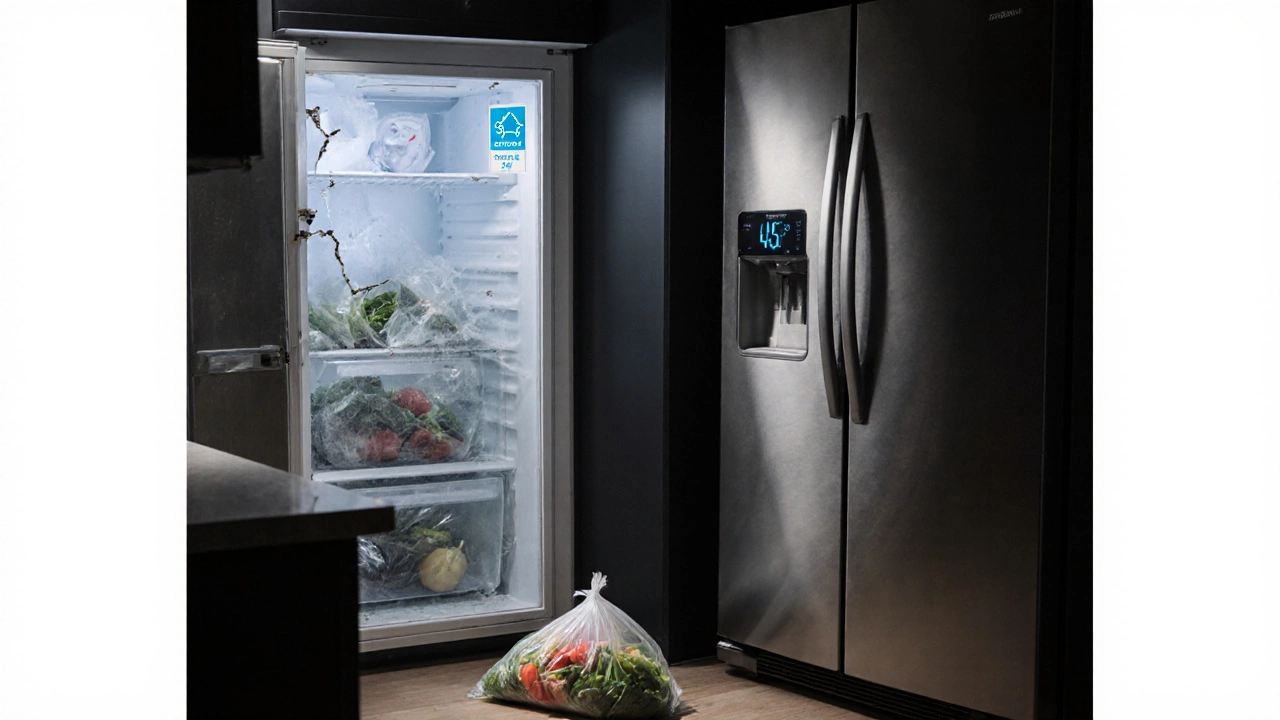
28 October 2025 · 0 Comments
Deciding whether to repair or replace a freezer? Learn the real costs, hidden savings, and key signs that tell you when it's time to buy new instead of fixing old.
Read more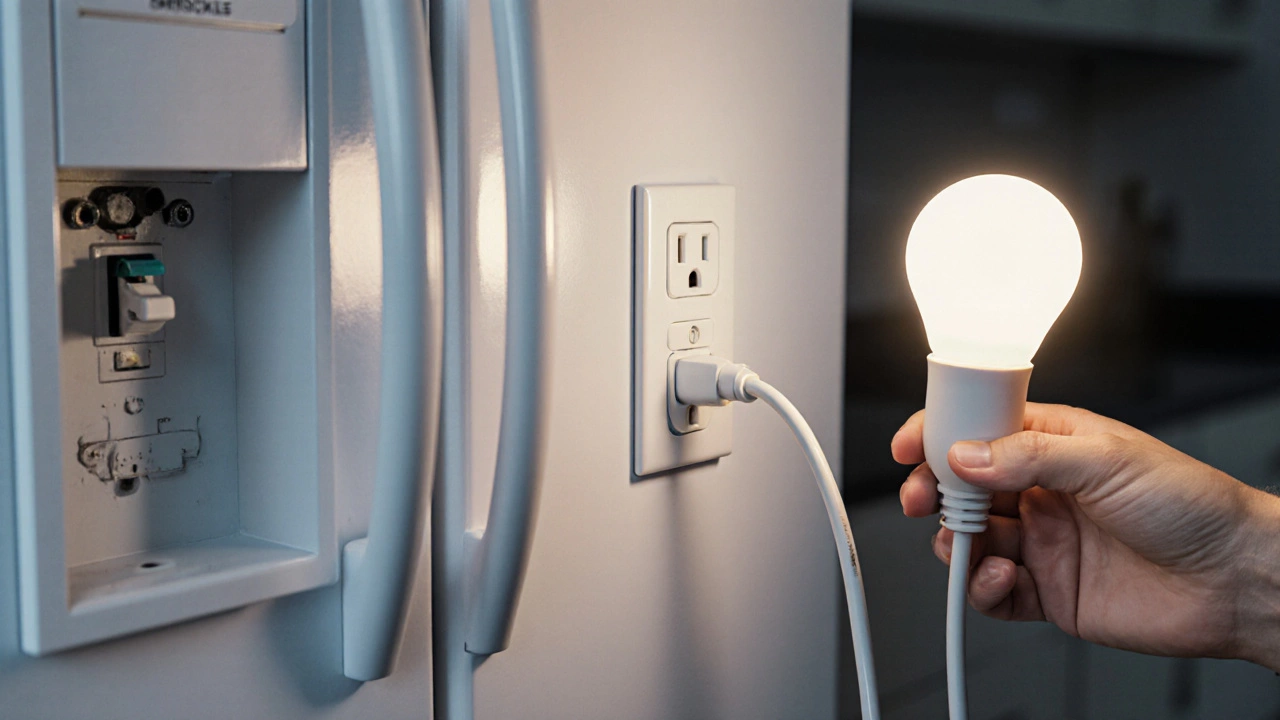
15 October 2025 · 0 Comments
Discover the top thing to check when your fridge stops working, plus a full troubleshooting checklist, power tips, and when to call a pro.
Read more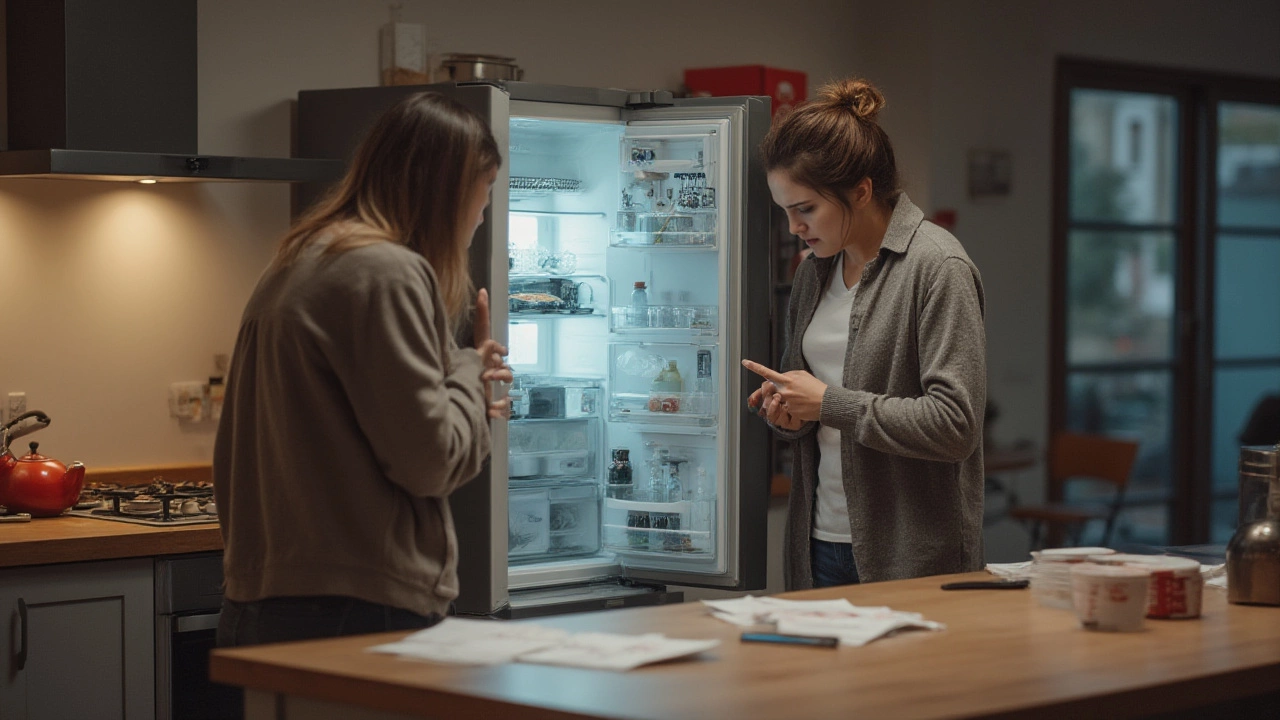
24 July 2025 · 0 Comments
Discover which refrigerator part can drain your wallet the fastest, why these fixes hurt your budget, and smart ways to avoid sky-high repair bills.
Read more