Boiler Replacement Timeline & Cost Estimator
Step 1: Select Your Boiler Type
Step 2: Identify Complications
Select any issues that apply to your property:
Estimated Project Scope
Total Installation Time
(Approx. 8 hours)
Estimated Cost Range
*Includes labor and unit supply
Breakdown:
- • Base Installation: £1,500
- • No additional complications selected.
Picture this: it’s the middle of winter, your heating system gives up the ghost, and you’re standing in a cold house wondering how long you’ll be without warmth. You call a technician, they diagnose a catastrophic failure, and recommend a full boiler replacement. The immediate question on everyone’s mind is simple but stressful: "When will I have heat again?"
The short answer? Usually one day. But that’s only if everything goes perfectly. In reality, replacing a boiler is less like swapping out a lightbulb and more like performing minor surgery on your home’s central nervous system. The timeline depends heavily on the type of boiler you choose, the complexity of your existing plumbing, and whether you need to upgrade your flue or gas line.
Understanding the actual timeline helps you plan for the disruption, budget for potential delays, and avoid being rushed into a decision by a salesperson promising an impossible turnaround. Let’s break down exactly what happens during the process and why some jobs take eight hours while others stretch over two days.
Standard Swap vs. Like-for-Like Installation
If you are lucky enough to have a straightforward setup, you might qualify for a "like-for-like" replacement. This means you are swapping an old standard boiler for a new model of the exact same type, size, and configuration, located in the same spot with the same pipework and controls.
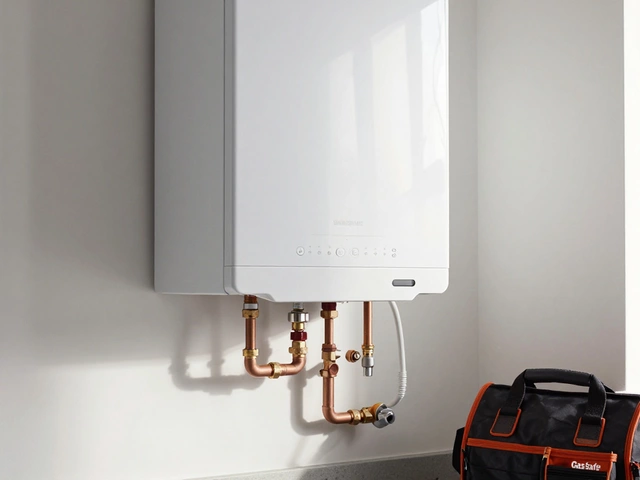
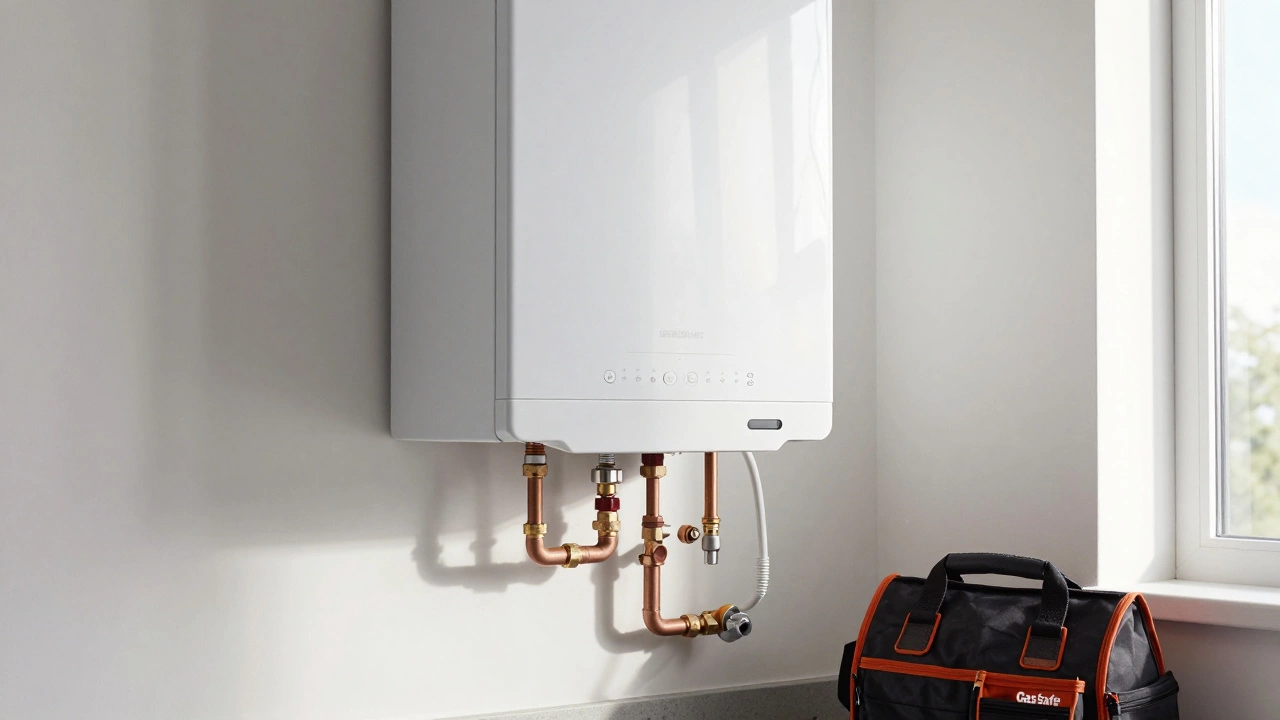
In this ideal scenario, a certified Gas Safe engineer can often complete the job in just 4 to 8 hours. They arrive early morning, remove the old unit, connect the new one to the existing manifold, pressure test the system, and leave you with hot water before lunch. This is common in apartments or homes where the current system is working fine mechanically, just inefficiently or prone to breakdowns.
However, most homeowners don’t stick with like-for-like. They want better efficiency, smarter controls, or a different type of heating. That’s where the timeline starts to expand.
The Three Main Boiler Types and Their Install Times
The type of boiler you choose dictates the physical work required. Here is how the three main categories compare in terms of installation duration:
| Boiler Type | Best For | Average Install Time | Complexity Level |
|---|---|---|---|
| Combi Boiler | Small-to-medium homes, no tank space | 1 Day (6-8 hours) | Medium |
| System Boiler | Larger homes, multiple bathrooms | 1-2 Days | High |
| Regular (Conventional) Boiler | Homes with existing hot water tanks | 1-2 Days | High |
Combi boilers (short for combination) are the most popular choice because they provide hot water on demand and heat simultaneously without needing a separate hot water cylinder. If you are switching from an old regular boiler to a combi, you aren't just swapping units; you are removing a large hot water tank and rerouting pipes. This adds significant labor, pushing the job to a full day or potentially spilling into a second day if access is difficult.
System boilers require a hot water cylinder but store all other components inside the boiler itself. Installing these involves connecting to the cylinder and ensuring the expansion vessel is correctly sized. This usually takes longer than a combi swap because of the additional piping to the cylinder.
Regular boilers are the oldest style, requiring both a cold water feed tank (usually in the loft) and a hot water cylinder. If you are keeping this setup, the install is similar to a system boiler. If you are upgrading away from it, expect major plumbing changes.
Factors That Delay Your Boiler Replacement
Even if you book a single-day install, several hidden variables can turn that into a multi-day project. Knowing these pitfalls beforehand saves you from surprise bills and extended cold snaps.
- Flue Relocation: If your new boiler needs to vent out a different wall than the old one, the engineer has to drill through masonry and run a new flue pipe. This is messy and time-consuming, adding 2-4 hours.
- Gas Line Upgrades: Older homes may have narrow gas pipes that cannot supply enough pressure for a modern, high-efficiency boiler. A Gas Safe engineer must verify the gas supply rate. If it’s insufficient, a gas network engineer needs to visit separately to upgrade the service pipe, which can delay the final connection by days or weeks.
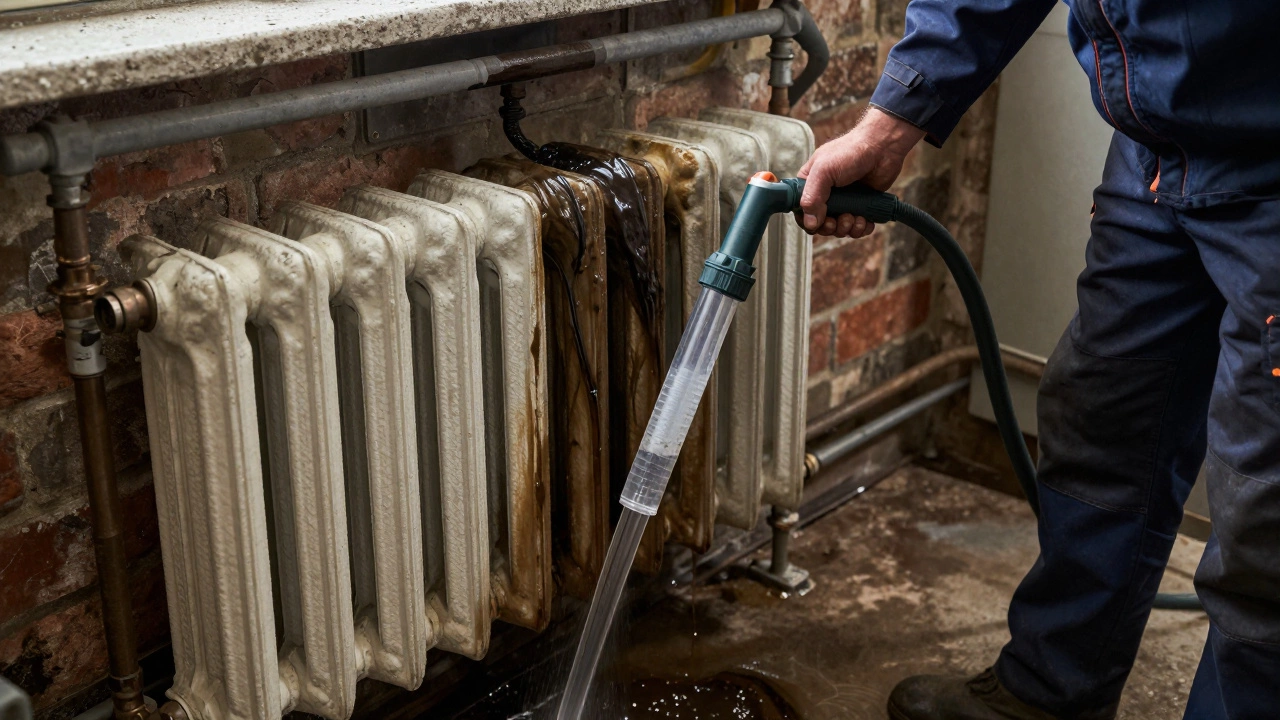
- Power Flush Requirements: Modern boilers hate sludge. If your existing radiators are black with magnetite corrosion, simply connecting a new boiler will kill it quickly. A proper power flush takes 3-5 hours. If the engineer sees dirty water, they will pause the install until the system is clean.
- Control System Upgrades: Moving from basic thermostats to smart Wi-Fi controls (like Nest or Hive) requires running new wiring or installing battery-powered sensors. While not always necessary, integrating these systems adds time to the commissioning phase.
- Access Issues: Boilers tucked behind kitchen cabinets, under stairs, or in tight utility cupboards take much longer to remove and replace. Engineers may need to dismantle cabinetry, which adds cleanup time.
The Step-by-Step Timeline: What Actually Happens?
To understand why the clock ticks the way it does, let’s look at the chronological flow of a typical installation day.
- Morning Assessment (Hour 1): The engineer arrives, checks the gas pressure, inspects the flue path, and confirms the boiler model fits the space. They also check for any obvious leaks or corrosion in the existing pipework.
- Isolation and Removal (Hours 2-3): The gas and electricity are turned off. The old boiler is disconnected from the pipework. The condensate trap is cleared, and the old unit is physically removed. If there’s a tank to remove, this step takes longer.
- Preparation and Flushing (Hours 3-5): Before the new unit goes in, the system is flushed. Fresh inhibitors are added to prevent future corrosion. New pipework is cut and fitted if the new boiler’s connections don’t align perfectly with the old ones.
- Installation and Connection (Hours 5-7): The new boiler is mounted on the wall. Gas, water, and electrical connections are made. The flue is secured. This is the core mechanical work.
- Commissioning and Testing (Hours 7-8): This is critical. The engineer pressurizes the system, checks for leaks, ignites the burner, and sets the output levels. They ensure the safety devices (like the flame failure device) work correctly. Only then do they sign off on the installation.
If any of these steps hit a snag-like a leaky joint or a blocked flue-the timeline extends. Rushing commissioning is dangerous and illegal; a qualified engineer will never skip this phase.
Permits, Regulations, and Paperwork Delays
In many regions, including the UK and parts of Europe, boiler installations are strictly regulated. In New Zealand, while regulations differ, local council building codes and gas safety standards still apply. Ignoring these can void your insurance and put your family at risk.
For example, in the UK, a Gas Safe registered engineer must issue a Building Regulations Certificate within 30 days of completion. If you are moving the flue outside a window or door, you may need specific planning permission or adherence to strict clearance distances. Failing to meet these requirements can mean the job is halted until an inspector approves the layout, adding days to the process.
Always ask your installer: "Will you handle all the necessary notifications and certifications?" Reputable companies include this in their quote. Cheaper operators might try to bypass it, leaving you liable.
Cost Implications of Longer Installations
Time is money. Most boiler installers charge a daily rate or a fixed project fee. If your job turns from a one-day swap into a two-day project due to unforeseen complications, your costs rise.
A standard combi boiler replacement might cost between £1,500 and £2,500 (or equivalent local currency). If a power flush is needed, add £300-£500. If gas line upgrades are required, that’s a separate bill from the gas network provider, potentially costing hundreds more. Always get a detailed quote that specifies whether it covers "supply and install" only, or includes "system flushing, waste removal, and certification."
Don’t be afraid to ask for a contingency clause. If the engineer discovers major issues during the assessment, they should pause and give you a revised quote before proceeding. This prevents sticker shock at the end of the day.
How to Speed Up Your Boiler Replacement
You can’t control the weather or the state of your old pipes, but you can prepare your home to minimize delays.
- Clear Access: Move furniture, remove rugs, and clear the area around the current boiler. If it’s behind a cabinet, consider removing doors yourself if possible.
- Decide Early: Know exactly which boiler model you want before the engineer arrives. Browsing catalogs online and narrowing down choices saves hours of discussion on-site.
- Check Your Radiators: If your radiators are cold at the bottom, tell the engineer beforehand. They can bring power flush equipment scheduled, rather than stopping mid-job to source it.
- Verify Gas Pressure: If you live in an older property, contact your gas supplier to check the inlet pressure. Knowing this ahead of time avoids last-minute surprises.
What to Do While You Wait
If your boiler dies and replacement isn’t immediate, stay safe. Portable electric heaters can help, but use them cautiously-never leave them unattended near curtains or bedding. Keep your home temperature above freezing to prevent pipes from bursting. Dress in layers, and keep internal doors closed to retain heat in occupied rooms.
Remember, a boiler replacement is an investment in comfort and efficiency. While the wait feels long, taking the time to ensure the job is done correctly pays off in lower energy bills and reliable heat for the next 10-15 years.
Can a boiler be replaced in one day?
Yes, a like-for-like boiler replacement can often be completed in one day (6-8 hours). However, if you are changing the boiler type (e.g., from regular to combi) or need significant plumbing changes, it may take two days.
Why does my boiler replacement take so long?
Delays are usually caused by the need for a power flush, relocating the flue, upgrading gas lines, or discovering corroded pipework that needs replacement. These steps are essential for safety and longevity but add time to the job.
Do I need a permit to replace my boiler?
In many jurisdictions, yes. You typically need a certified engineer to notify local building control authorities. They will issue a compliance certificate. Always check local regulations, as rules vary by country and region.
What happens if the engineer finds a problem during installation?
A reputable engineer will stop work, explain the issue, and provide a revised quote for the additional repairs. Never allow them to proceed with extra work without a clear agreement on costs and timelines.
Is it worth waiting for a specific boiler brand?
If your preferred brand is out of stock, it can delay installation by weeks. Consider choosing a readily available alternative with similar efficiency ratings. The difference in performance between top-tier brands is often marginal compared to the impact of proper installation.