Extractor Fan Replacement & Sizing Calculator
Input Costs (£)
Waiting for input...
If repair costs exceed 50% of a new unit, replacement is usually more economical long-term.
Check Symptoms:
Room Dimensions
Enter room details to find the ideal airflow capacity.
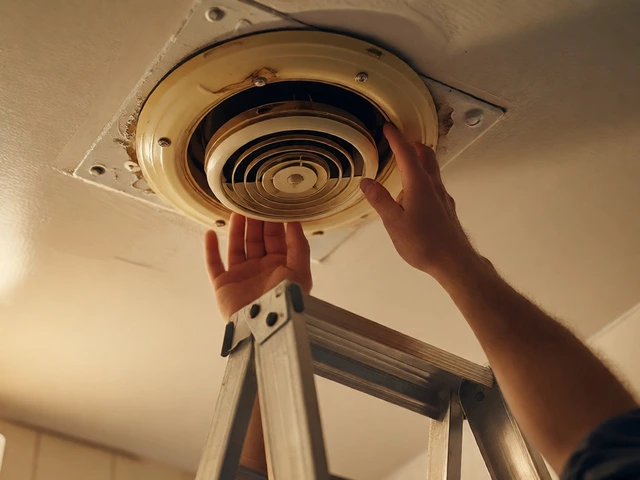
That high-pitched whine coming from your kitchen ceiling or the damp patch forming on your bathroom wall isn't just annoying-it's a warning. Most homeowners treat extractor fans as mechanical devices that pull air out of a room to reduce moisture and odors as set-and-forget appliances. You install them, you forget them, and then one day they stop working entirely. But ignoring these units until they break can lead to mold growth, structural damage, and skyrocketing energy bills.
The short answer? A well-maintained extractor fan lasts between 10 to 15 years. However, if you’re asking how often you need to replace one because yours is only five years old and already struggling, the problem might not be age-it might be neglect. Understanding the difference between a unit that needs cleaning, one that needs repair, and one that demands total replacement saves you hundreds of dollars and prevents major home headaches.
The Real Lifespan of an Extractor Fan
Not all fans are created equal. The longevity of your unit depends heavily on its type, where it’s installed, and how hard it works. A basic inline fan tucked away in a loft will last longer than a cheap under-cabinet hood battling grease daily.
| Fan Type | Average Lifespan | Key Failure Points |
|---|---|---|
| Kitchen Range Hood | 10-15 years | Motor burnout from grease buildup, light fixture failure |
| Bathroom Ventilation Fan | 8-12 years | Bearing wear due to constant humidity, capacitor failure |
| Inline Ducted Fan | 15-20 years | Motor degradation, ductwork disconnection |
| Window-Mounted Extractor | 7-10 years | Seal deterioration, blade imbalance from weather exposure |
Kitchen range hoods face the harshest environment. They deal with heat, steam, and cooking grease-a combination that coats motor bearings and restricts airflow. If you cook frequently, especially with oils or fats, expect the upper end of that 10-year range. Bathroom fans, while dealing with less grime, operate in high-humidity environments that corrode electrical components and rust metal blades over time.
Signs Your Fan Needs Replacement (Not Just Cleaning)
Before you buy a new unit, make sure your current one isn’t just clogged. A dirty filter or blocked duct can mimic the symptoms of a dying motor. Here’s how to tell the difference:
- Noise Level Spikes: A slight hum is normal. Grinding, screeching, or rattling noises usually indicate worn-out ball bearings or a blade hitting the housing. If cleaning the blades doesn’t fix the sound, the motor assembly is likely failing.
- Poor Airflow Despite Clean Filters: Hold a tissue up to the vent. If it doesn’t stick when the fan is on high, check the external flapper valve. If the valve is stuck shut or the duct is crushed, you might save the fan. If the duct is clear but the air is weak, the motor has lost torque.
- Condensation and Mold: If your bathroom mirror fogs up instantly after a shower, or your kitchen smells stale even after cooking, the fan isn’t moving enough air. This isn’t just uncomfortable; it’s a health hazard. Persistent moisture leads to black mold, which costs far more to remediate than a new fan.
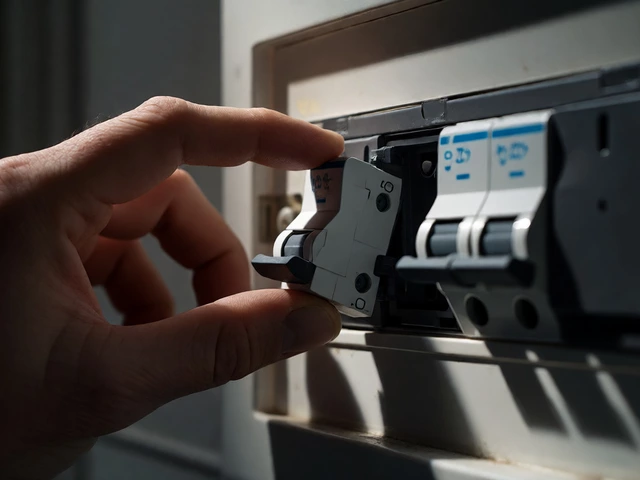
- Frequent Switch Tripping: If turning on the fan trips your circuit breaker, there’s an internal short or the motor is drawing excessive current due to friction. This is a fire risk. Do not ignore this.
- Age Over 15 Years: Even if it runs, older fans are inefficient. Modern fans use direct-drive motors that consume significantly less electricity and move more air (measured in CFM-Cubic Feet per Minute) for the same wattage.
Repair vs. Replace: Making the Economic Choice
This is the biggest decision point. Should you call a technician to fix the existing unit, or rip it out and install a new one? Use this simple rule of thumb: If the repair cost exceeds 50% of the price of a new, comparable unit, replace it.
For example, replacing a universal motor in a mid-range kitchen hood might cost £80-£120 in parts plus labor. A new, energy-efficient hood starts around £150-£200. In this case, repairing makes sense if the housing and ductwork are in good condition. However, if the issue is a cracked plastic housing, corroded wiring, or a failed control board, the repair bill quickly balloons. Plus, an old fan repaired with new parts still has aging wires and seals that could fail again next year.
Consider also the efficiency gap. Fans manufactured before 2015 rarely meet current energy standards. Upgrading to a modern unit with a variable-speed switch or timer can reduce your annual electricity usage by 10-20%, paying for itself over time. If your current fan is a single-speed beast from two decades ago, replacement is almost always the smarter financial move.
How Maintenance Extends Fan Life
You can push your extractor fan toward the 15-year mark-or beyond-with regular care. Neglect is the number one killer of these devices. Here’s what actually matters:
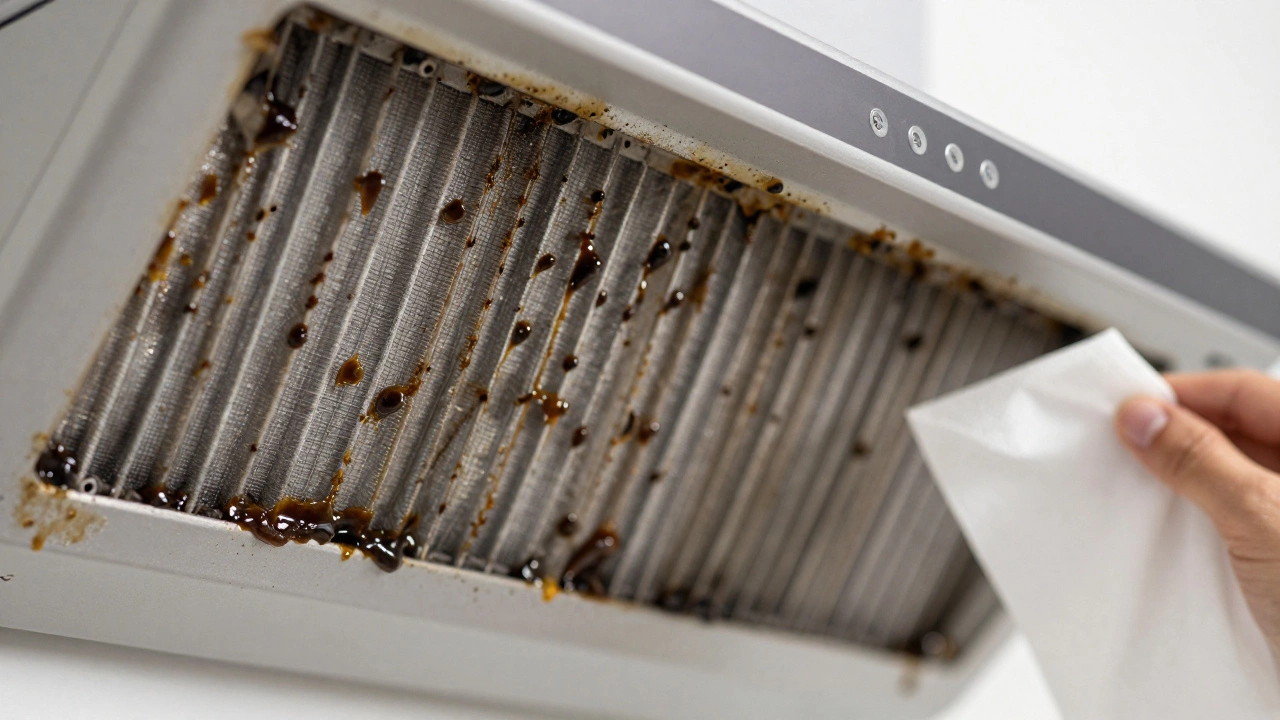
- Clean Grease Filters Monthly: For kitchen hoods, aluminum mesh filters trap oil. Soak them in hot soapy water or put them in the dishwasher. A clogged filter forces the motor to work harder, generating excess heat and wear.
- Check Carbon Filters Annually: If you have a recirculating hood (no duct outside), it uses carbon filters to absorb odors. These cannot be cleaned. They must be replaced every 3-6 months depending on usage. If you forget, the fan becomes useless at removing smells.
- Inspect the External Flap: Go outside once a year and look at the vent outlet. Ensure the flap opens freely and isn’t blocked by bird nests, leaves, or ice. A blocked exit creates backpressure that strains the motor.
- Lubricate Bearings (If Applicable): Some older industrial-style fans have accessible bearing ports. A few drops of silicone lubricant annually can prevent squeaks and extend life. Most modern residential fans have sealed bearings, so don’t force oil into them-it attracts dust.
- Vacuum the Housing: Every six months, turn off the power at the breaker, remove the grille, and vacuum dust from the fan blades and motor housing. Dust acts like sandpaper on moving parts.
Choosing the Right Replacement
When you finally decide to replace the unit, don’t just buy the cheapest option available. Sizing and placement matter more than brand name. An undersized fan won’t clear moisture, leading to the very problems you’re trying to avoid.
Calculate the required airflow based on room size. For bathrooms, aim for at least 1 air change per minute. A standard 5x8 foot bathroom needs a fan rated at roughly 50-60 CFM. Kitchens require higher capacity-typically 100 CFM for every 10,000 BTU of cooking output. If you have a powerful induction hob or gas range, you’ll need a hood rated at 300+ CFM.
Also consider noise levels, measured in sones. One sone is about the volume of a refrigerator humming. For bedrooms or open-plan living areas, choose a fan under 1.0 sone. Bathrooms can handle up to 1.5 sones. Kitchen hoods are louder by nature, but many modern models offer quiet modes for light ventilation.
If you’re replacing a ducted system, ensure the new fan matches the diameter of your existing ductwork (usually 4-inch or 6-inch). Mismatched sizes cause turbulence, noise, and reduced efficiency. If you’re converting from recirculating to ducted, you’ll need to run new piping to the exterior, which may involve drilling through walls or roofs-a job best left to professionals.
Installation Tips for Longevity
Even the best fan will fail prematurely if installed incorrectly. Poor installation causes vibration, which loosens screws, cracks housings, and wears out bearings. Here’s how to do it right:
- Secure Mounting: Use heavy-duty brackets, not just adhesive strips. Vibration transfers to cabinets or ceilings, causing rattles and eventual detachment.
- Shortest Duct Path: Keep exhaust ducts as straight and short as possible. Each elbow or bend reduces airflow by 10%. Avoid flexible plastic ducting if you can; rigid metal ducts maintain shape and airflow better.
- Weatherproofing: Seal outdoor vents with flashing and silicone caulk to prevent rain and pests from entering. Water ingress is a common cause of premature motor failure.
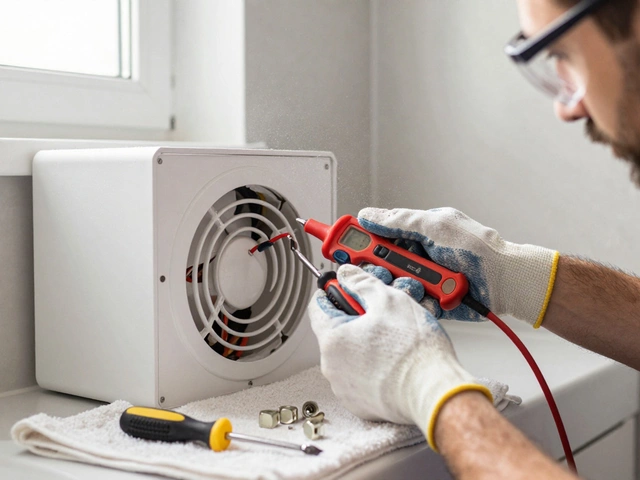
- Electrical Safety: Always hire a qualified electrician if you’re unsure about wiring. Incorrect voltage or loose connections can fry the motor controller or start a fire.
Environmental and Health Impact
Replacing an old, inefficient fan isn’t just about convenience. It’s about indoor air quality. Stale air trapped in homes contributes to respiratory issues, allergies, and cognitive fatigue. Studies show that proper ventilation reduces airborne pollutants, including VOCs (volatile organic compounds) from cleaning products and cooking emissions.
In humid climates, inadequate extraction leads to condensation inside walls, promoting mold spores that trigger asthma and other lung conditions. By upgrading to a high-efficiency model with a humidity sensor, you automate ventilation, ensuring optimal air exchange without manual intervention. This small upgrade protects both your property structure and your family’s health.
Can I clean my extractor fan instead of replacing it?
Yes, if the motor still runs smoothly and airflow is adequate. Regular cleaning of filters, blades, and housing can extend life by several years. However, if the motor makes grinding noises, draws excessive power, or fails to move air despite clean components, cleaning won’t fix mechanical wear. At that point, replacement is necessary.
How much does it cost to replace an extractor fan?
A basic bathroom fan costs £30-£80, while kitchen range hoods range from £150 to £500+. Installation adds £50-£150 for simple swaps, but complex ductwork modifications or electrical upgrades can push total costs to £300-£600. Always get quotes from licensed technicians for accurate pricing.
What happens if I leave a broken extractor fan running?
Running a damaged fan risks overheating the motor, potentially causing a fire. It also wastes electricity and fails to remove moisture or odors, leading to mold growth and poor indoor air quality. Turn off the unit immediately if it behaves abnormally and consult a professional.
Do I need a permit to replace an extractor fan?
In most regions, replacing a fan with a similar model doesn’t require a permit. However, if you’re altering ductwork, adding new electrical circuits, or changing the exterior vent location, local building codes may apply. Check with your municipality before starting major modifications.
How do I know if my fan is pulling air correctly?
Hold a thin piece of toilet paper or tissue near the intake grille. When turned on high, it should stick firmly to the surface. If it flutters or falls, airflow is insufficient. Also check the outdoor vent-the flapper should open fully when the fan runs.