Water Heater Troubleshooter
Select your heater type and describe the symptom to get immediate troubleshooting steps.
Likely Causes & Solutions
Diagnosis CompleteYou step into the shower, expecting warmth, but get hit with an icy blast instead. It’s frustrating, especially when you’re already late for work or trying to relax after a long day. A water heater that delivers only cold water is rarely a sign that the entire unit has died; more often, it’s a simple electrical trip, a safety switch that needs resetting, or a minor component failure. Before you call a plumber and pay for a service call-out fee, there are several checks you can do yourself. Most of these take less than ten minutes and require nothing more than a screwdriver and maybe a multimeter.
The Quick Checks: Power and Safety Switches
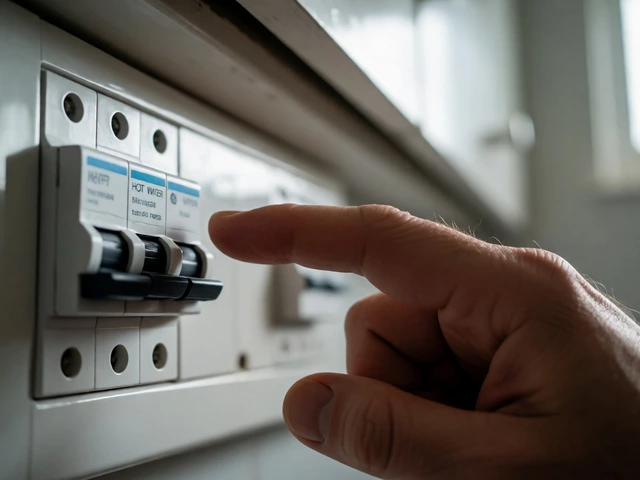
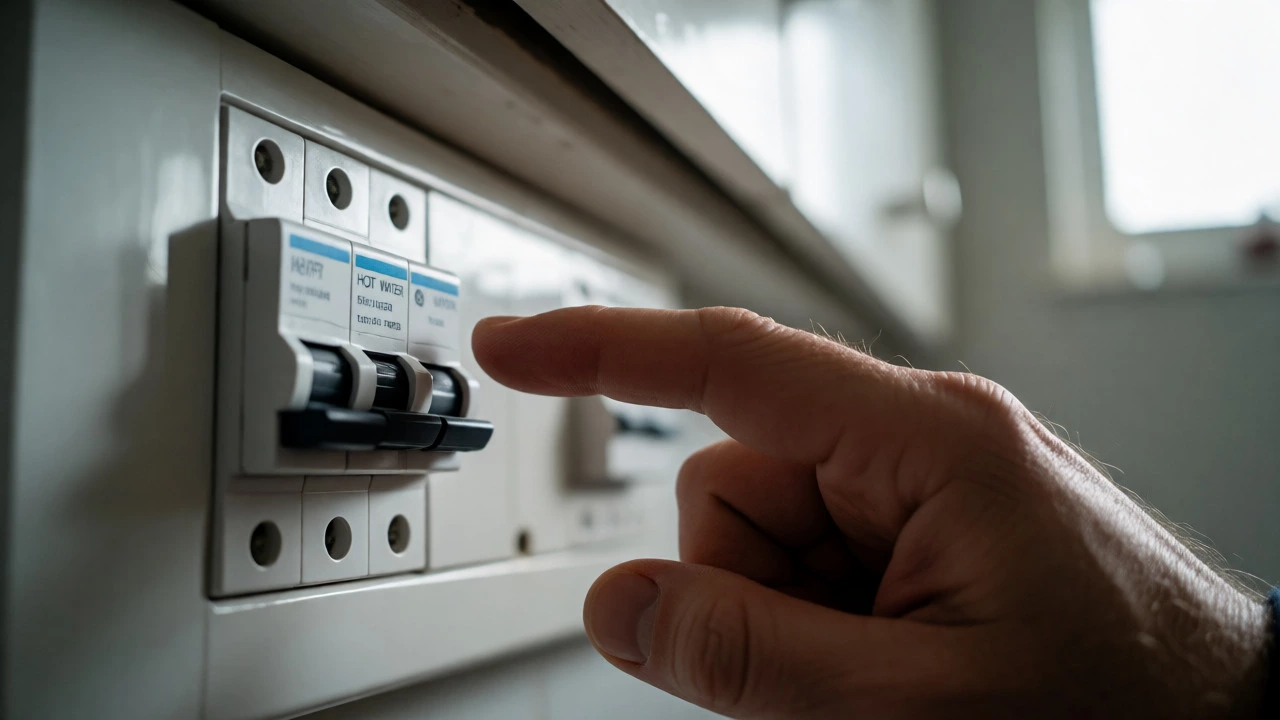
Start with the easiest fixes. If you have an electric water heater, the most common reason for sudden cold water is a tripped circuit breaker or a blown fuse. Go to your switchboard and look for the switch labeled "Hot Water" or similar. If it’s in the middle position (off) or looks different from the others, flip it back on. Sometimes, the breaker trips because of a momentary surge, not a permanent fault. If it trips again immediately, stop-this indicates a short circuit or a faulty element, and you’ll need professional help.
Many modern water heaters also have an internal high-limit thermostat, often called a thermal cut-out. This is a safety device that shuts off power if the tank overheats. To access it, you usually need to remove the front panel cover on the side of the tank. Inside, you might see a small red button labeled "Reset." Pressing this button resets the thermostat. If the button pops out again shortly after resetting, your heating element is likely stuck in the "on" position, causing the tank to overheat repeatedly.
Electric Heaters: Thermostats and Elements
If the power supply is fine, the issue often lies within the control components. Electric water heaters typically use two heating elements-one at the top and one at the bottom-and two thermostats. The upper thermostat controls the upper element and also acts as a relay for the lower element. If the upper element fails, the lower one won’t even try to heat the water, resulting in lukewarm or cold output at the top taps.
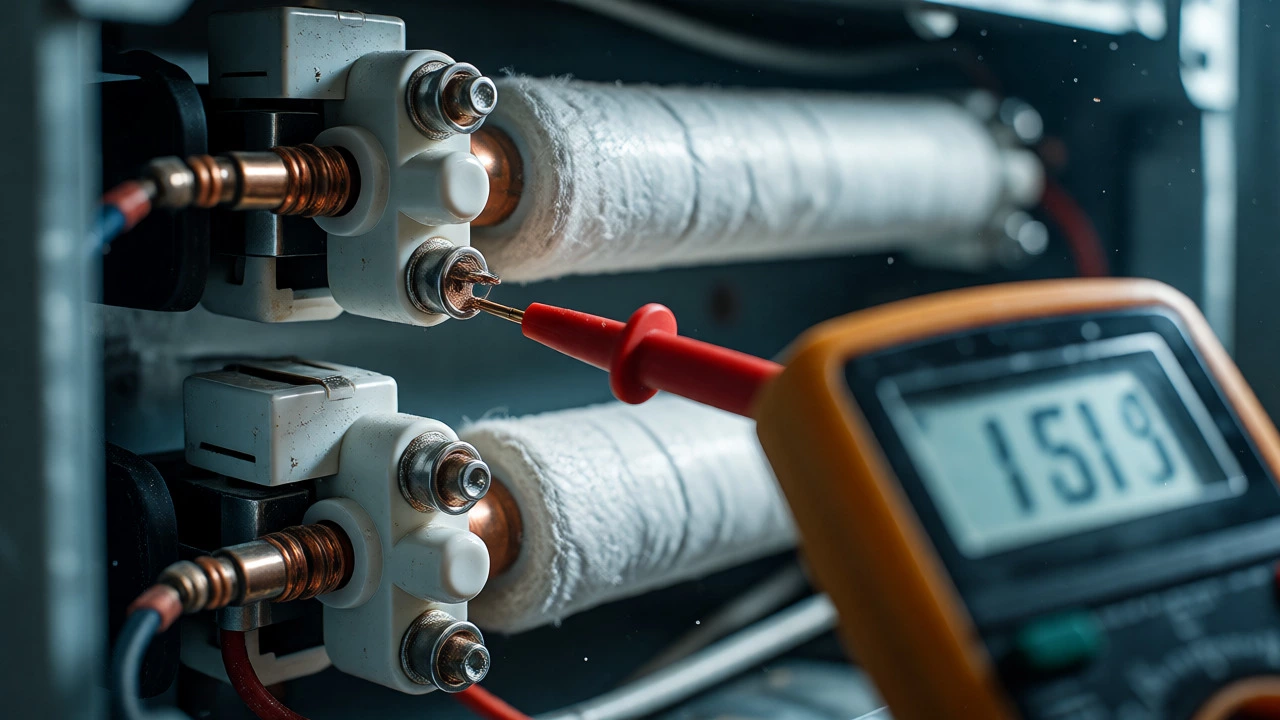
Testing these parts requires a multimeter. First, turn off the power at the mains. Remove the insulation and plastic covers to expose the thermostats and elements. Check the continuity of the heating elements. Place the multimeter probes on the terminals of the element. If the reading is infinite (OL), the element is broken and needs replacement. If the reading is low (typically 10-20 ohms), the element is good.
Next, check the thermostats. Set the multimeter to continuity mode. With the power off, test across the thermostat terminals. If there is no continuity when the dial is set to a high temperature, the thermostat may be faulty. However, note that some thermostats are normally open until heated up, so consult your specific model’s wiring diagram if possible. Replacing a heating element costs around NZ$40-$80, while thermostats are similarly priced, making DIY repair a cost-effective option compared to replacing the whole unit.
| Symptom | Electric Heater Cause | Gas Heater Cause | Heat Pump Cause |
|---|---|---|---|
| Completely cold water | Tripped breaker, dead upper element | Pilot light out, thermocouple failed | Defrost cycle stuck, fan motor failure |
| Lukewarm water | Faulty lower element, sediment buildup | Low gas pressure, dirty burner | Refrigerant leak, compressor issue |
| Water heats then cools quickly | Broken dip tube, mixing valve issue | Damaged flue, poor ventilation | Insulation damage, sensor error |
Gas Heaters: Pilot Lights and Thermocouples
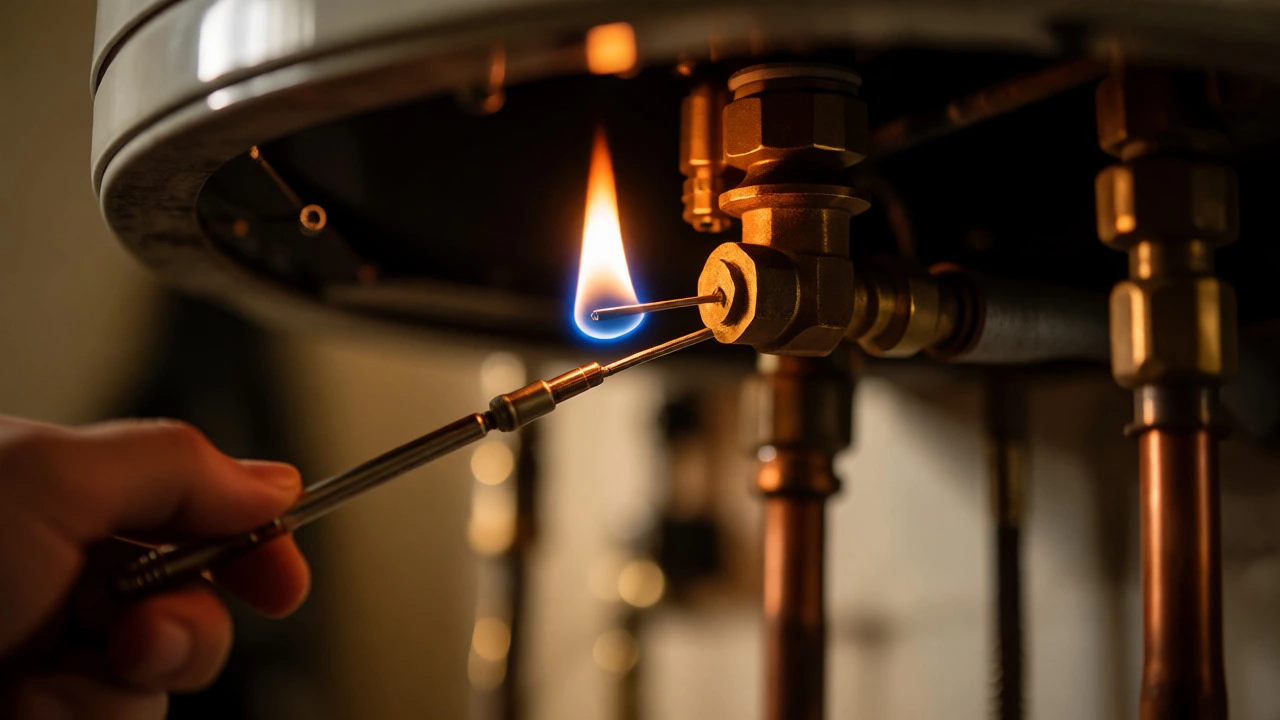
For gas water heaters, the problem is almost always related to ignition. Older models rely on a standing pilot light. If this flame goes out, the main burner never ignites. Relighting it is straightforward: turn the control knob to "Pilot," press and hold the knob, and use a long lighter to ignite the pilot. Keep holding the knob for about 30-60 seconds to heat up the thermocouple. This safety device generates a small electric current when heated by the pilot flame, which keeps the gas valve open.
If the pilot stays lit while you hold the knob but goes out when you release it, the thermocouple is faulty. It’s failing to signal the gas valve to stay open. These parts are inexpensive (NZ$20-$40) and easy to replace with a wrench. Newer gas heaters use electronic ignition systems, which don’t have a standing pilot. If yours doesn’t light, listen for a clicking sound. No click usually means no power to the igniter or a failed control module. A rapid clicking that doesn’t result in ignition suggests a dirty burner or blocked gas line.
Plumbing Issues: Dip Tubes and Mixing Valves
Sometimes the heater works perfectly, but the water coming out of your tap feels cold due to plumbing faults. One common culprit is a broken dip tube. In many tanks, a long plastic tube directs incoming cold water to the bottom of the tank so it doesn’t mix with the hot water at the top. Over time, this tube can crack or dissolve. When it breaks, cold water shoots straight into the top of the tank, cooling the outlet water before it reaches your taps. You’ll notice this as a gradual drop in water temperature during a long shower.
Another possibility is a faulty thermostatic mixing valve (TMV). Many homes, especially those built after the early 2000s in New Zealand, have TMVs installed near the water heater to prevent scalding. If this valve gets stuck or its cartridge wears out, it might allow too much cold water to mix with the hot water. Adjusting the external handle on the TMV can sometimes restore temperature, but if the valve is old, it might need replacing. Check for leaks around the valve body, as internal corrosion can cause it to fail silently.
When to Call a Professional
While many issues are DIY-friendly, some situations demand expert attention. If you smell gas at any point, leave the area immediately and call your gas provider or a registered gasfitter. Do not attempt to relight a pilot if you suspect a gas leak. Similarly, if your electric heater has a leaking tank, repair is usually futile. A cracked inner tank means the unit is finished, and replacement is the only option.
Also, consider calling a pro if you’re uncomfortable working with electricity or gas. Water heaters involve high voltage and potentially dangerous pressures. A licensed plumber or appliance technician can diagnose complex electrical faults, such as bad wiring connections or corroded terminals, which might not show up on a basic multimeter test. They can also perform a full system flush to remove sediment, which improves efficiency and extends the life of your new components.
Why does my hot water run out faster than usual?
This is often caused by a broken dip tube or heavy sediment buildup at the bottom of the tank. Sediment insulates the water from the heating element, reducing efficiency, while a broken dip tube allows cold inlet water to mix directly with the hot water at the top, lowering the overall temperature and volume of usable hot water.
Can I replace a water heater element myself?
Yes, if you are confident working with tools and understand basic safety precautions. You must drain the tank partially, disconnect the power, and unscrew the old element. Be careful not to strip the threads on the tank opening. Always ensure the gasket is seated correctly to prevent leaks.
What should the thermostat setting be?
The recommended setting for most homes is 60°C (140°F). This temperature is hot enough to kill Legionella bacteria but cool enough to reduce the risk of scalding. Setting it higher increases energy costs significantly without providing much additional benefit for standard household tasks.
My gas pilot light won't stay lit. What's wrong?
If the pilot lights but extinguishes when you release the knob, the thermocouple is likely defective. It needs to generate enough millivolts to hold the gas valve open. Cleaning the tip of the thermocouple with steel wool can sometimes fix minor oxidation issues, but replacement is usually necessary if cleaning doesn't work.
Is it cheaper to repair or replace an old water heater?
If your heater is over 10 years old and requires multiple part replacements (like both elements and thermostats), replacement is often more cost-effective. New units are significantly more energy-efficient, which saves money on bills. However, for units under 5 years old, repairing specific components like a single element or thermostat is usually the better financial choice.