Shower Hot Water Diagnostic Tool
Answer a few simple questions to identify why your shower has no hot water while other faucets work.
Your shower water temperature
Shower faucet type
Water quality
Showerhead condition
If your shower has no hot water but every other faucet in the house works fine, you’re not alone. This is one of the most common complaints we see in Wellington homes - especially during winter. It’s frustrating because you expect hot water everywhere, but only your shower is left cold. The good news? This isn’t usually a sign your entire water heater is broken. More often, it’s something simple, fixable, and cheap to fix - if you know where to look.
The Problem Is Local, Not Global
Your water heater is working. You’ve checked the kitchen sink, the bathroom vanity, even the laundry tub - all of them deliver hot water just fine. That means the heater itself, the pipes feeding the house, and the main thermostat are all doing their job. The issue is isolated to the shower. That narrows it down to just three places: the shower valve, the mixing valve, or the showerhead.Check the Shower Valve First
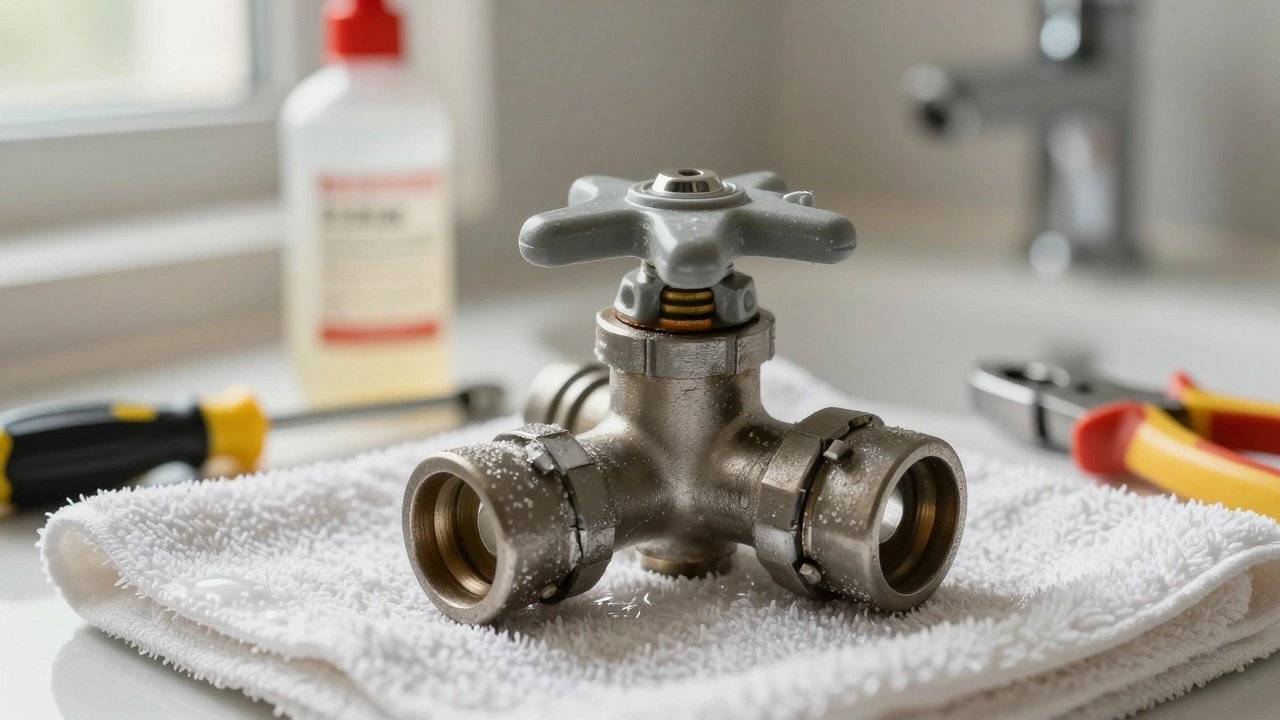
Most modern showers use a single-handle or dual-handle mixing valve to control temperature. Over time, the internal cartridge or washer inside this valve can wear out, get clogged with mineral buildup, or slip out of alignment. When that happens, it stops letting hot water through - even if the water heater is firing on all cylinders. In older homes with two-handle faucets, the hot water side might have a worn-out stem or seat. In newer single-handle models, the cartridge is the usual culprit. These parts are made of plastic or rubber and degrade after 5-10 years, especially in areas with hard water like Wellington. To check: Turn off the water supply to the shower. Remove the handle and take out the valve cartridge. Look for cracks, warping, or white chalky deposits. If you see buildup, soak it in white vinegar for an hour. If it’s cracked or brittle, replace it. Cartridges cost between $20 and $50 and are easy to swap with a screwdriver and pliers. You can find the exact model by matching the number stamped on the old one or taking it to a plumbing supply store.Is It a Pressure-Balancing Valve?
Many newer showers have pressure-balancing valves. These are designed to prevent sudden scalding if someone flushes the toilet or turns on the dishwasher. But they’re also prone to failure. If the cold water pressure spikes - say, from a neighbor’s irrigation system or a water main flush - the valve can get stuck in the cold position. You can test this by turning on the shower and slowly adjusting the handle. If you get a burst of hot water for a second before it drops back to cold, the valve is trying to respond but can’t maintain balance. That’s a classic sign of a failing pressure-balancing unit. Replacing it requires shutting off the main water line, but it’s a one-hour job for a plumber - or a weekend project if you’re handy.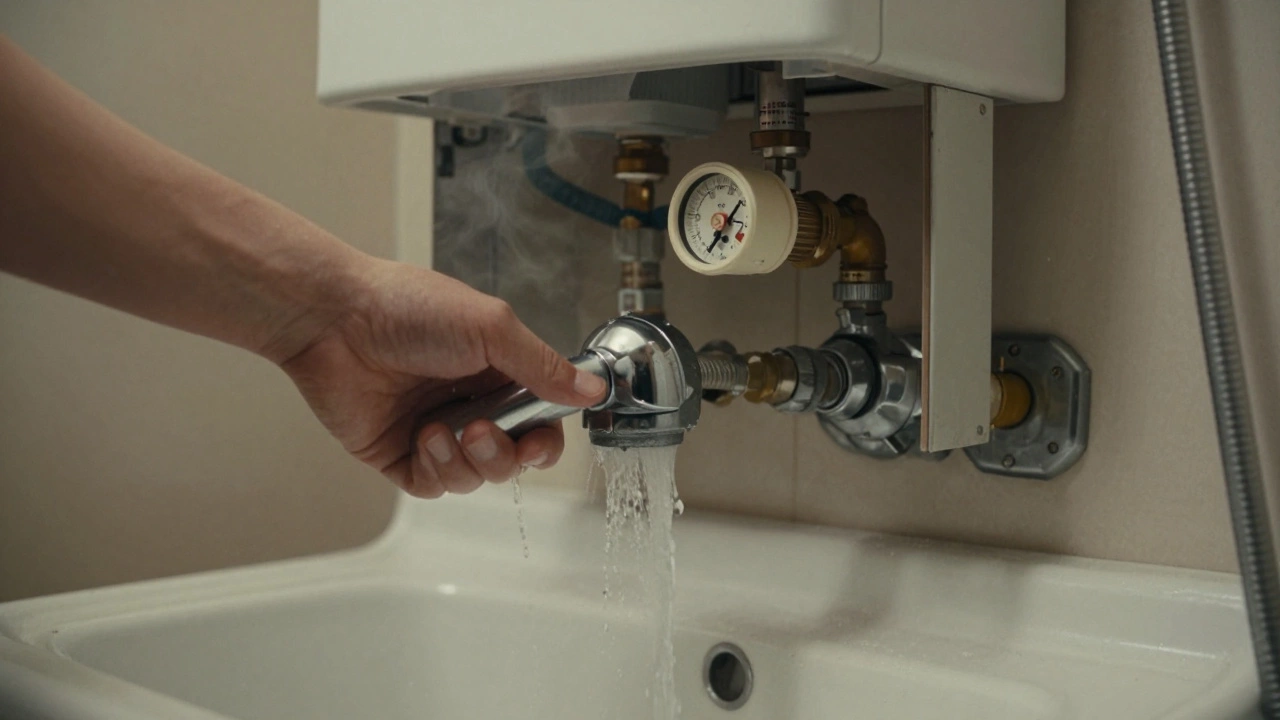
Look at the Showerhead
It sounds silly, but a clogged showerhead can make it feel like you have no hot water. Hot water holds more dissolved minerals than cold. Over time, those minerals settle and block the small holes in the showerhead’s flow restrictor. When that happens, the hot water flow slows to a trickle - so slow you might think it’s not coming at all. Try this: Unscrew the showerhead and run the shower without it. If hot water flows normally, the showerhead is the problem. Soak the showerhead in a bowl of white vinegar overnight. Rinse it, reattach, and test again. If it’s still weak, replace it. A new showerhead with a removable flow restrictor costs under $30 and lasts years.What About the Pipes?
You might think the pipe leading to the shower is blocked or leaking. But if other faucets on the same floor get hot water, that’s unlikely. Pipes don’t selectively block hot water to one fixture unless there’s a major installation error - like a valve accidentally turned off during a renovation. Check the shutoff valve behind the shower wall. It’s usually behind an access panel or under the sink nearby. Turn it fully open. If it was partially closed, that could be restricting flow. In older homes, some people install manual mixing valves to control temperature - and forget to turn them back on after cleaning.Is the Water Heater Set Too Low?
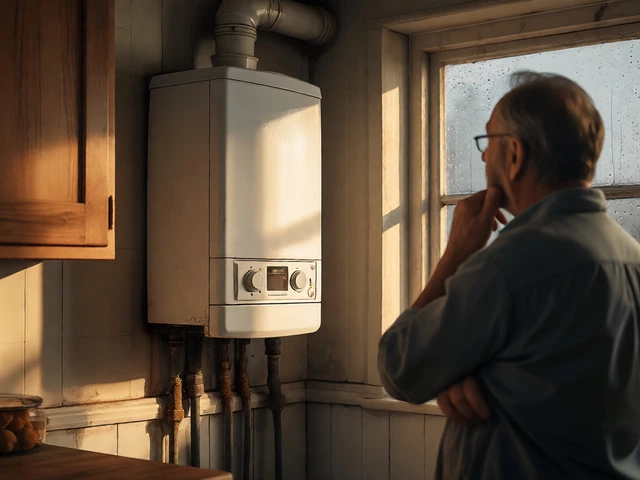
If the water heater is set below 50°C, you might get lukewarm water at the sink but nothing usable in the shower - especially if you have a low-flow showerhead. The shower needs more volume and longer exposure to heat to feel hot. The sink gets hot quickly because it uses less water. Check your water heater’s thermostat. Electric heaters usually have two thermostats - one on top, one on bottom. Gas heaters have one dial on the front. Set it to 55°C. That’s the sweet spot: hot enough for showers, but not so hot it scalds or wastes energy. If you’re unsure how to access it, turn off the power or gas, remove the cover, and look for a dial or digital readout.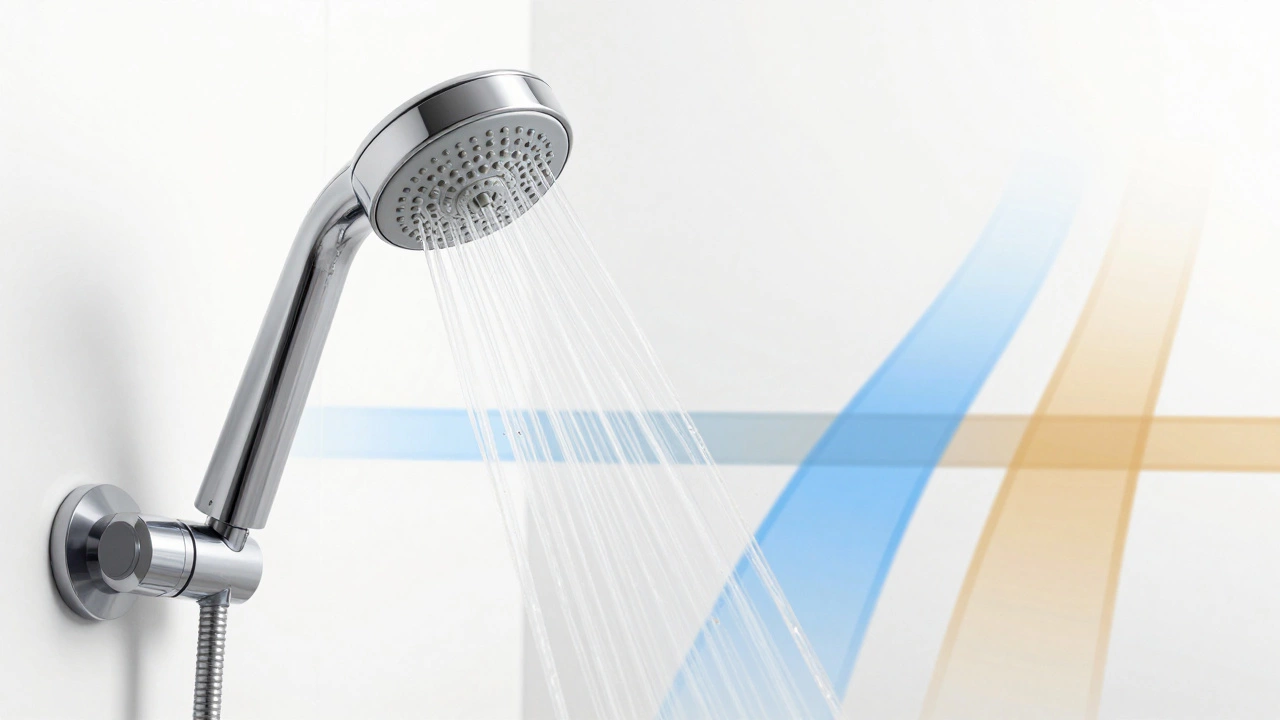
Don’t Ignore the Anti-Scald Device
New Zealand building codes require anti-scald devices on showers installed after 2010. These limit the maximum temperature to 50°C. If your shower was recently replaced or upgraded, the anti-scald limit might be set too low - or the device itself is faulty. Some models have a rotating ring or screw on the valve that adjusts the max temp. Turn it clockwise to increase. If you can’t find it, or adjusting it does nothing, the device may need replacing. These aren’t expensive - around $40 - but they’re not always obvious to homeowners.What to Do If Nothing Works
If you’ve checked the valve, the showerhead, the pipes, and the heater setting - and you still have no hot water in the shower - it’s time to call a licensed plumber. There could be a hidden leak in the wall, a broken dip tube inside the heater (rare but possible), or a problem with the recirculation system if you have one. But here’s the thing: 9 out of 10 times, this problem is solved by replacing a $25 cartridge or cleaning a showerhead. Don’t jump to replacing the whole water heater. That’s a $2,000+ job when you might not need it.Prevent This From Happening Again
- Install a water softener if you have hard water. Wellington’s water isn’t the hardest, but it’s enough to build up scale over time. - Clean showerheads every 6 months with vinegar. - Replace shower valves every 8-10 years, even if they seem fine. - Set your water heater to 55°C and check it once a year. - Keep the shutoff valve behind the shower fully open. This isn’t a sign your home is falling apart. It’s just a small part wearing out - like a lightbulb or a filter. Fix it, and you’ll have hot showers again without spending a fortune.Why does my shower have no hot water but the sink does?
This usually means the issue is isolated to the shower’s valve, showerhead, or anti-scald device - not the water heater. The water heater is working fine since other faucets get hot water. The problem is a worn-out cartridge, mineral buildup in the showerhead, or a misadjusted pressure-balancing valve.
Can a faulty water heater cause hot water only in one faucet?
No. If your water heater were failing, all faucets would lose hot water - not just one. A heater that’s broken will affect the whole house. If only the shower is cold, the heater is working. The problem is local to the shower’s plumbing components.
How do I know if my shower valve needs replacing?
Signs include: inconsistent water temperature, sudden drops to cold, no hot water even when the handle is turned fully, or water leaking from the handle. If you remove the valve cartridge and see cracks, warping, or heavy mineral deposits, it needs replacement. Most cartridges last 5-10 years.
Can I fix this myself or do I need a plumber?
You can fix this yourself in most cases. Replacing a shower cartridge or cleaning a showerhead takes under an hour and costs under $50. You’ll need basic tools: a screwdriver, pliers, and white vinegar. Call a plumber only if you can’t access the valve, the problem persists after replacing parts, or you suspect a leak behind the wall.
Why does my shower go cold after a few minutes?
This usually points to a pressure-balancing valve malfunction. When the cold water pressure changes - like when someone flushes a toilet - the valve incorrectly shuts off the hot water. It’s designed to prevent scalding, but when broken, it causes the opposite problem. Replacing the valve fixes this.
Should I increase my water heater temperature to fix this?
Only if the temperature is set below 50°C. Most showers need water at least 50-55°C to feel hot, especially with low-flow heads. But don’t set it above 60°C - that’s a scalding risk. Always check the thermostat first. If it’s already at 55°C and you still have no hot water, the issue isn’t the heater.