Oven Heating Element Tester
Check Your Oven Element
Enter your multimeter reading to determine if your oven heating element is working properly
Typical heating element resistance: 20-120 ohms
If reading shows "OL" or 0, the element is faulty
Ever turned on your oven and nothing happened? No heat, no beep, just silence. Or maybe the temperature feels off-your cookies burn on one side and stay raw on the other. You think, ‘Can I fix this myself?’ The truth is, some oven problems are simple. Others? Not so much. And trying to fix the wrong thing can cost you more than calling a pro.
What’s Actually Broken?
Before you grab a screwdriver, figure out what’s wrong. Most electric oven issues fall into five buckets:- No heat at all - Could be the heating element, thermostat, or power supply.
- Uneven heating - Often the bake or broil element is failing, or the fan in a convection oven is stuck.
- Oven won’t turn off - A stuck relay or faulty control board.
- Error codes on the display - Modern ovens show codes like F1, E3, or E5. These mean something specific.
- Door won’t close or seal - Usually the hinge or gasket is worn out.
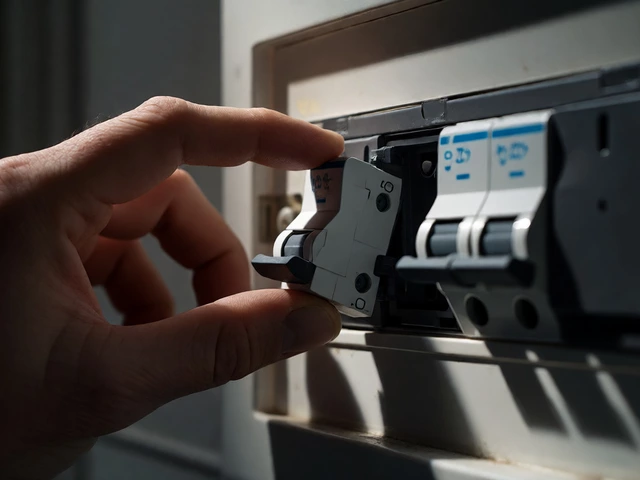
Start by checking the simplest things first. Is the oven plugged in? Is the circuit breaker tripped? Many people assume the oven is broken when it’s just a tripped breaker from running too many appliances at once.
Easy Fixes You Can Do Yourself
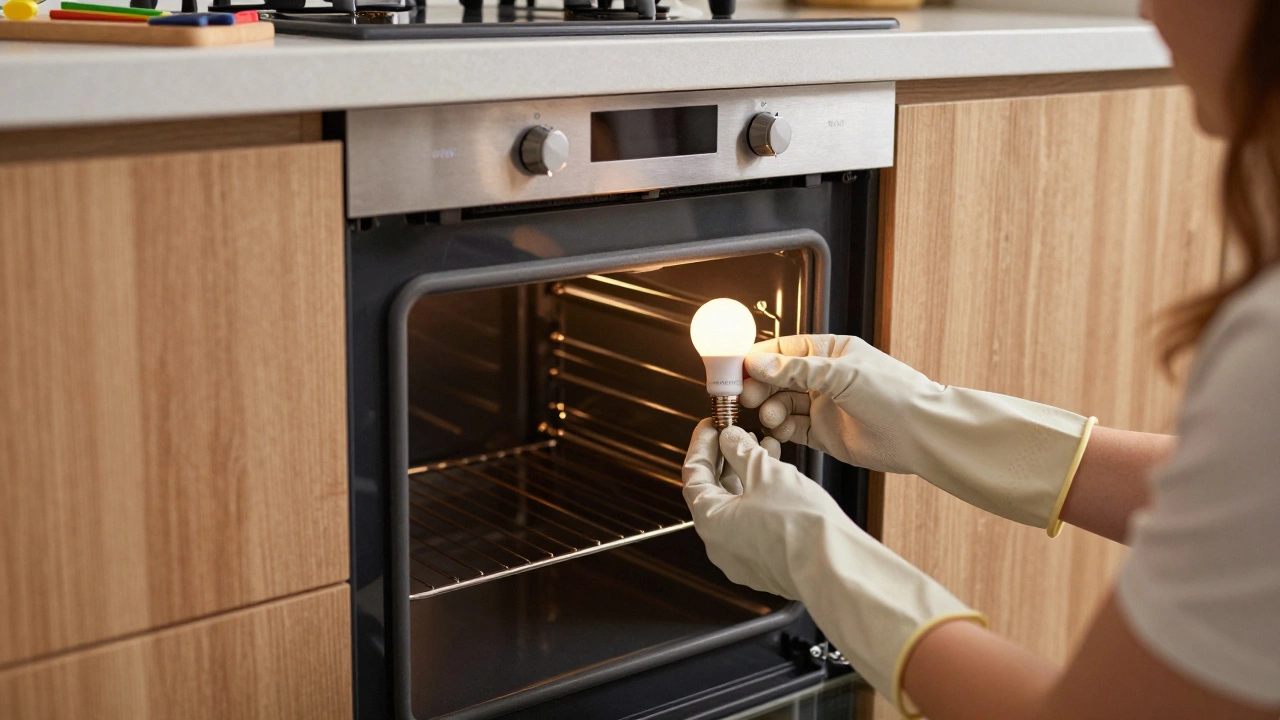
Some repairs take 15 minutes and cost less than $20. Here’s what’s actually doable:- Replace the oven light bulb - Most ovens use a standard appliance bulb (usually 40W). Turn off the power, unscrew the old one, and pop in a new one. Done.
- Clean the heating elements - Grease and food splatter can insulate the element, making it overheat and fail. Unplug the oven, let it cool, then gently wipe the element with a damp cloth. Don’t scrub hard-you can damage the coil.
- Check the door seal - If you can slide a piece of paper between the door and the frame easily, the gasket is worn. A new gasket costs $15-$30 and snaps into place. No tools needed.
- Reset the control board - Unplug the oven for 10 minutes, then plug it back in. This clears memory glitches in digital controls. Works more often than you’d think.
These are the fixes that actually work without needing a manual or a multimeter. If your oven is over 10 years old and you’re doing one of these, you’re probably saving money.
When You Shouldn’t Try to Fix It
Not every problem is a DIY job. Here’s when you should stop and call someone:- Broken heating element - Replacing it sounds easy, but you need to test if it’s truly dead. A multimeter is required. If you don’t know how to use one, you risk shocking yourself or frying the control board.
- Faulty thermostat or temperature sensor - These are tiny probes inside the oven. If they’re off by 20°F, your food cooks wrong. Testing them requires disconnecting wires and measuring resistance. One wrong move and you break the sensor for good.
- Control board failure - This is the oven’s brain. If it’s fried, you’re looking at $200-$400 for a new one. And even then, you need to know which wires go where. Most people mess this up.
- Gas oven with a faulty igniter - Even though we’re talking electric ovens, some people confuse the two. Gas ovens have dangerous components. Never touch gas lines unless you’re certified.
There’s a reason repair technicians charge $80-$120 just for a service call. They’ve seen what happens when someone tries to replace a control board with a screwdriver and a prayer.
How to Test the Heating Element
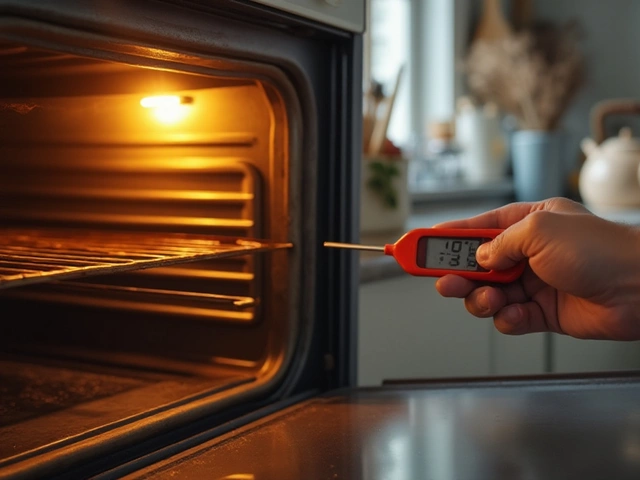
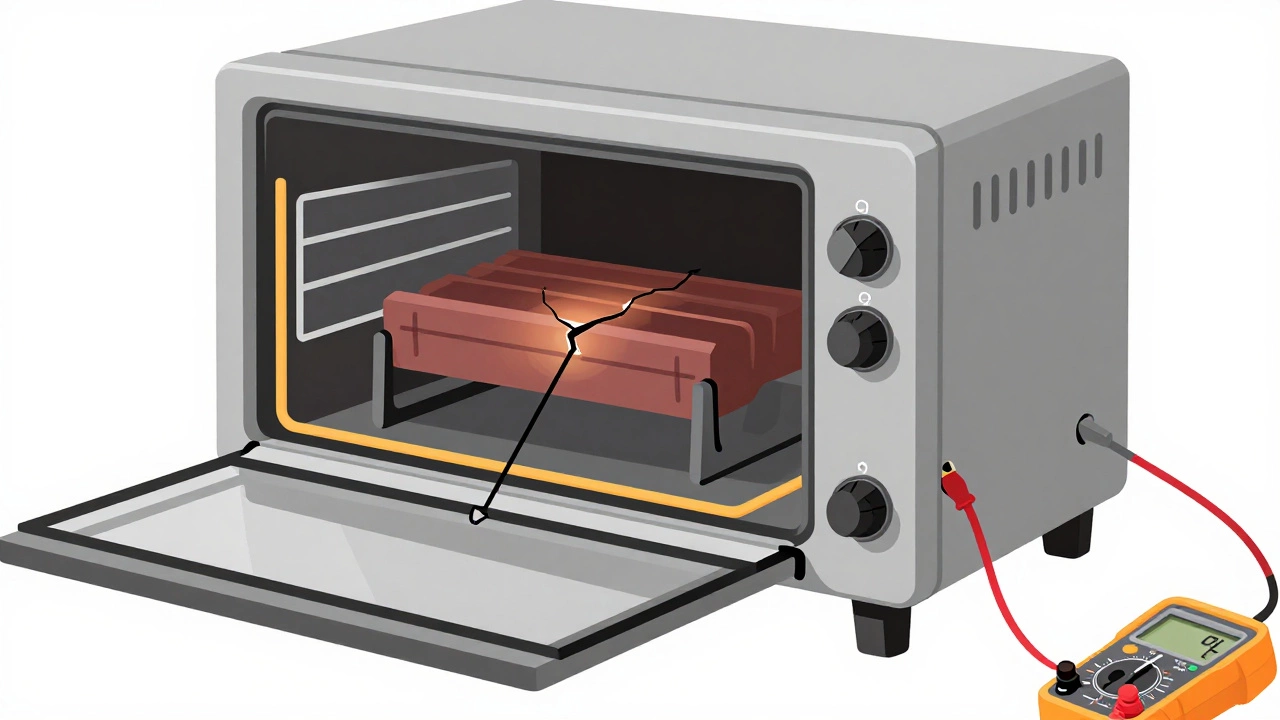
If your oven doesn’t heat, the element is the most common culprit. Here’s how to check it safely:- Unplug the oven or turn off the circuit breaker.
- Remove the screws holding the element in place (usually two at the back).
- Gently pull the element forward until you see the wire terminals.
- Use a multimeter set to ohms (Ω). Touch one probe to each terminal.
- If the reading is between 20 and 120 ohms, the element is good. If it shows ‘OL’ (open loop) or zero, it’s dead.
If you don’t have a multimeter, buy one for $15 at any hardware store. It’s worth it. You’ll use it for checking outlets, fridge compressors, and even your toaster.
Replacement elements are usually model-specific. Write down your oven’s model number (found on a sticker inside the door or on the back) and search online. Don’t buy generic. A $30 exact match lasts 10 years. A $15 knockoff fails in six months.
Why Some Ovens Are Harder to Fix Than Others
Newer ovens aren’t necessarily better. They’re just harder to fix. Here’s why:- Integrated controls - Many modern ovens have the control panel built into the glass front. If it breaks, you replace the whole door assembly. Costs $300+.
- Proprietary parts - Brands like Bosch, Miele, and Electrolux use custom boards and sensors. You can’t buy them at Home Depot. You need the manufacturer.
- Wi-Fi and smart features - If your oven connects to an app, a software glitch can lock it up. Resetting the Wi-Fi or updating firmware might fix it-but only if you know how.
Older ovens, like the ones from the 90s, are simpler. They have mechanical timers, simple thermostats, and replaceable parts you can find at any appliance shop. They’re easier to fix, and parts are cheaper.
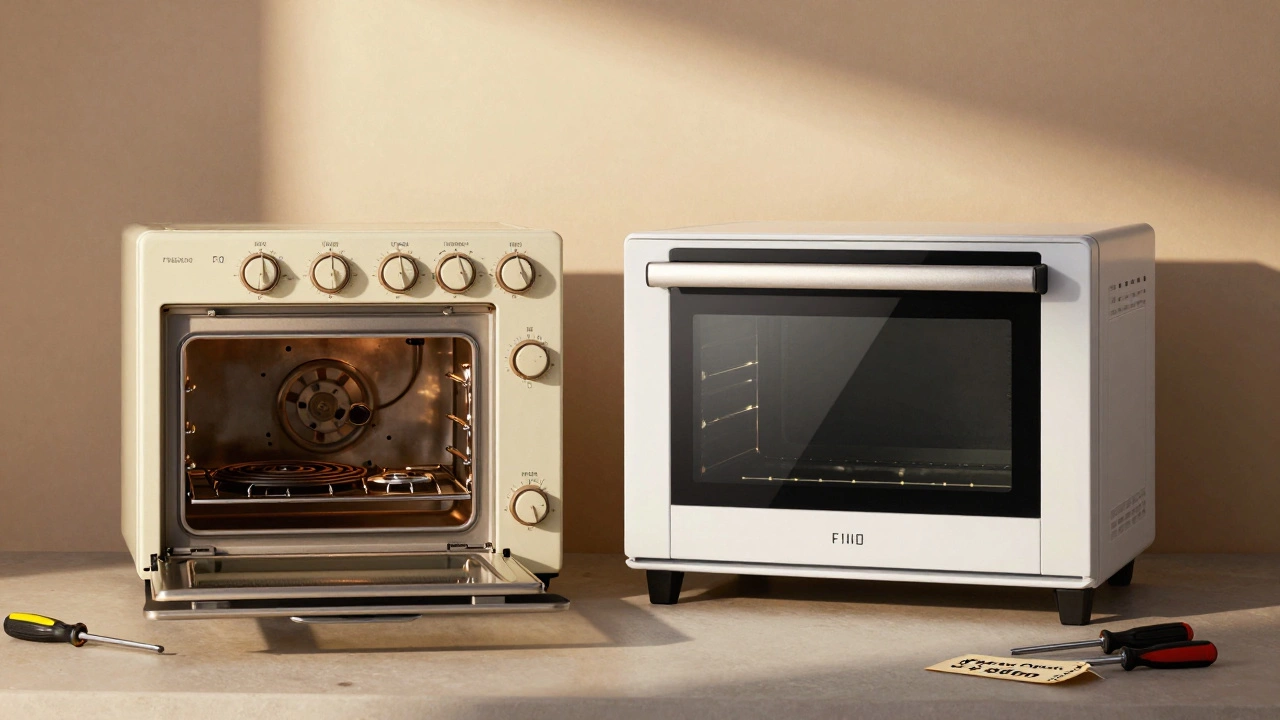
If you’ve got a 15-year-old oven, you’re in luck. If you’ve got a 2-year-old smart oven? You’re probably better off replacing it.
When to Just Replace It
Here’s a rule of thumb: if the repair costs more than half the price of a new oven, walk away.- A basic electric oven costs $400-$700.
- A mid-range model with convection and steam costs $900-$1,500.
- Repairing a control board? $300-$500.
- Replacing two heating elements and a thermostat? $250-$400.
If your oven is over 10 years old and needs more than one part, it’s time to upgrade. New ovens use 20-30% less energy. They heat faster. They have better safety features. And if you’re cooking for a family, you’ll notice the difference.
Also, consider warranty. If your oven is still under warranty, don’t touch it. Opening it yourself voids coverage. Call the manufacturer first.
What to Do If You’re Not Sure
If you’ve tried the easy fixes and you’re still stuck, here’s what to do:- Write down the exact model number and error code (if any).
- Search YouTube for ‘[your oven model] repair’.
- Watch a video where someone actually takes it apart. If they use a multimeter and explain what they’re testing, it’s trustworthy.
- Call a local repair technician. Ask for a quote over the phone. Most will give you one without coming out.
- Compare the quote to the price of a new oven. If it’s close, go new.
Don’t let pride stop you from calling a pro. A $100 service call saves you from buying a new oven because you broke something worse.
Preventing Future Problems
The best fix is no fix. Keep your oven running longer with these habits:- Wipe spills right away. Burnt-on food stresses the heating elements.
- Use the self-clean function sparingly. High heat ages components faster.
- Don’t overload the oven. Blocked airflow causes uneven heating and overheating.
- Check the door seal every six months. A loose seal wastes energy and makes the oven work harder.
- Replace the oven light bulb before it burns out. Waiting until it fails means you’re working in the dark.
These small habits add up. An oven that’s cleaned and maintained properly can last 15-20 years. One that’s ignored? Maybe five.
Can I fix my oven without any tools?
Yes, but only for simple issues. Replacing the oven light bulb, cleaning the heating element, resetting the control panel, or replacing the door gasket don’t need tools. Anything involving wires, sensors, or internal components requires at least a screwdriver and a multimeter.
Is it cheaper to repair or replace an oven?
It depends. If your oven is under 8 years old and only needs one part-like a heating element or thermostat-repairing it usually saves money. But if it’s older than 10 years or needs multiple parts, replacement is often cheaper in the long run. New ovens are more energy-efficient and come with warranties.
Why does my oven turn on but not heat up?
This usually means the heating element is broken, the thermostat is faulty, or the control board isn’t sending power to the element. Start by checking the element with a multimeter. If it shows no resistance, it’s dead. If it’s fine, the issue is likely the thermostat or control board.
Can a power surge damage an oven?
Yes. Power surges can fry the control board, thermostat, or digital display. If your oven stopped working right after a storm or a power flicker, the control board is likely damaged. You can’t fix this with a screwdriver-you need a replacement part or a new oven.
How long do electric oven heating elements last?
Typically 8-12 years, depending on usage. Frequent self-cleaning, heavy use, or food spills that burn onto the element can shorten its life. If your oven is 10+ years old and the element fails, it’s a sign the oven is nearing the end of its lifespan.