Oven Control Board Diagnostic Tool
Symptom Checker
Check off the symptoms you're experiencing. This tool will analyze your symptoms to determine if your oven control board is likely faulty.
Diagnostic Results
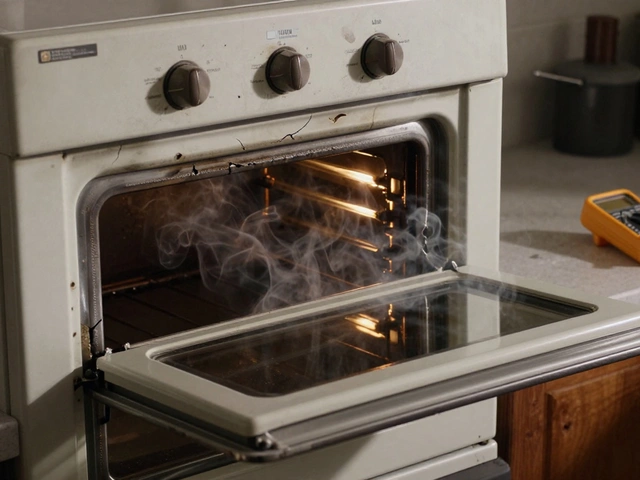
If your oven won’t turn on, heats unevenly, or keeps shutting off for no reason, the problem might not be the heating element or the thermostat-it could be the control board. This small electronic brain runs your oven’s functions, and when it fails, it doesn’t always scream for help. It just stops working right. Here’s how to tell if your oven control board is bad, without guessing or wasting money on parts you don’t need.
What the control board actually does
The control board is the central processor of your electric oven. It takes input from the temperature sensor, the keypad, and the timer, then sends power to the bake and broil elements, the fan, and the display. It’s not a simple switch-it’s a microprocessor with circuits that manage timing, temperature, and safety locks. If it’s faulty, your oven might act like it’s confused: turning on randomly, showing error codes, or refusing to heat at all-even when everything else looks fine.
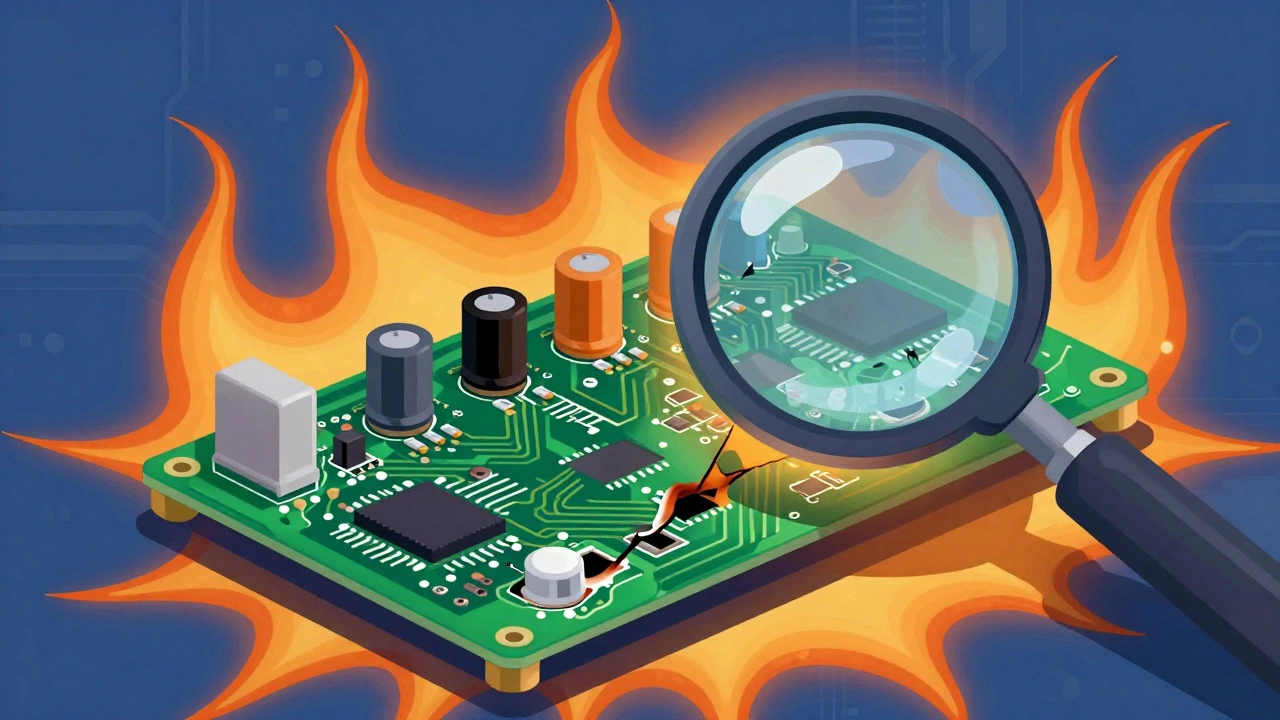
Most modern ovens use a printed circuit board (PCB) with chips, capacitors, and resistors. Over time, heat, moisture, or power surges can damage these components. A burnt smell near the control panel, flickering display, or unresponsive buttons are strong signs the board is failing.
Signs your oven control board is bad
- The oven won’t heat at all-even after replacing the heating element and checking the thermal fuse.
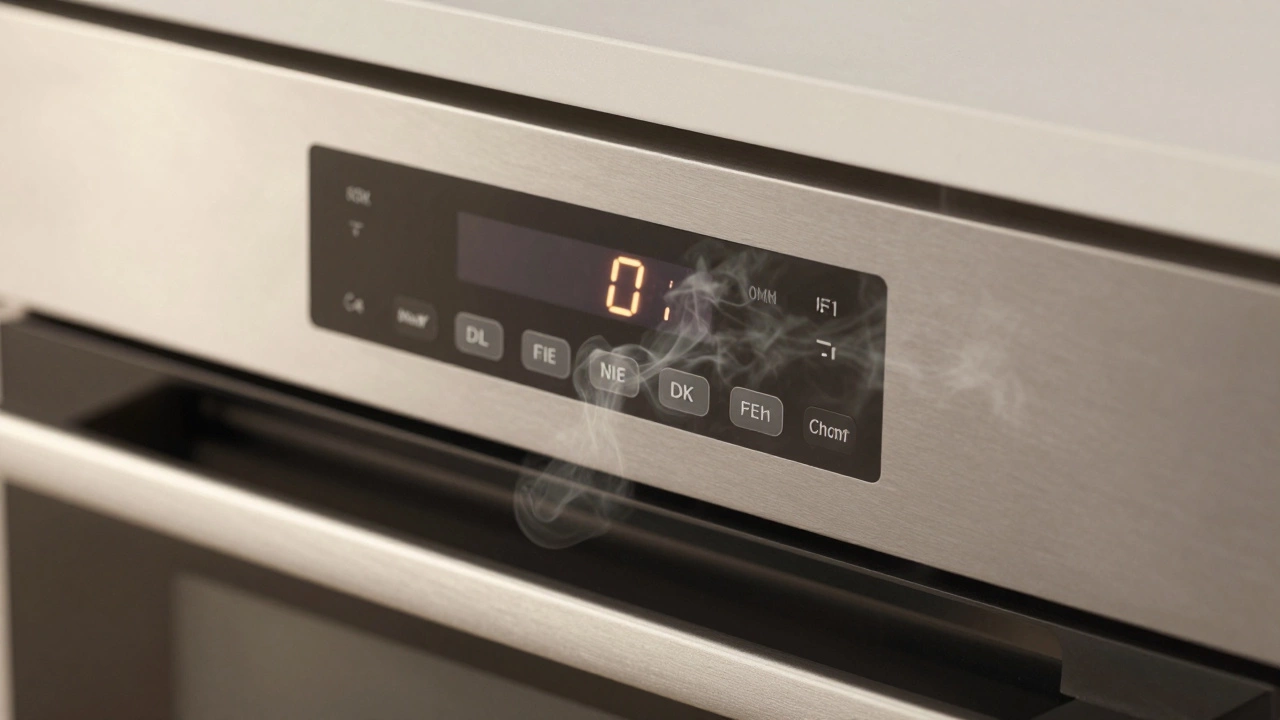
- Display shows error codes like F1, F2, E1, or E2 (check your manual for exact meaning, but these often point to control board issues).
- Buttons don’t respond or respond erratically-pressing bake does nothing, but broil turns on by itself.
- Temperature is off-your food burns on one side or takes twice as long to cook, even with a new thermostat.
- Random shutdowns-oven turns off mid-cycle with no warning, then comes back on later.
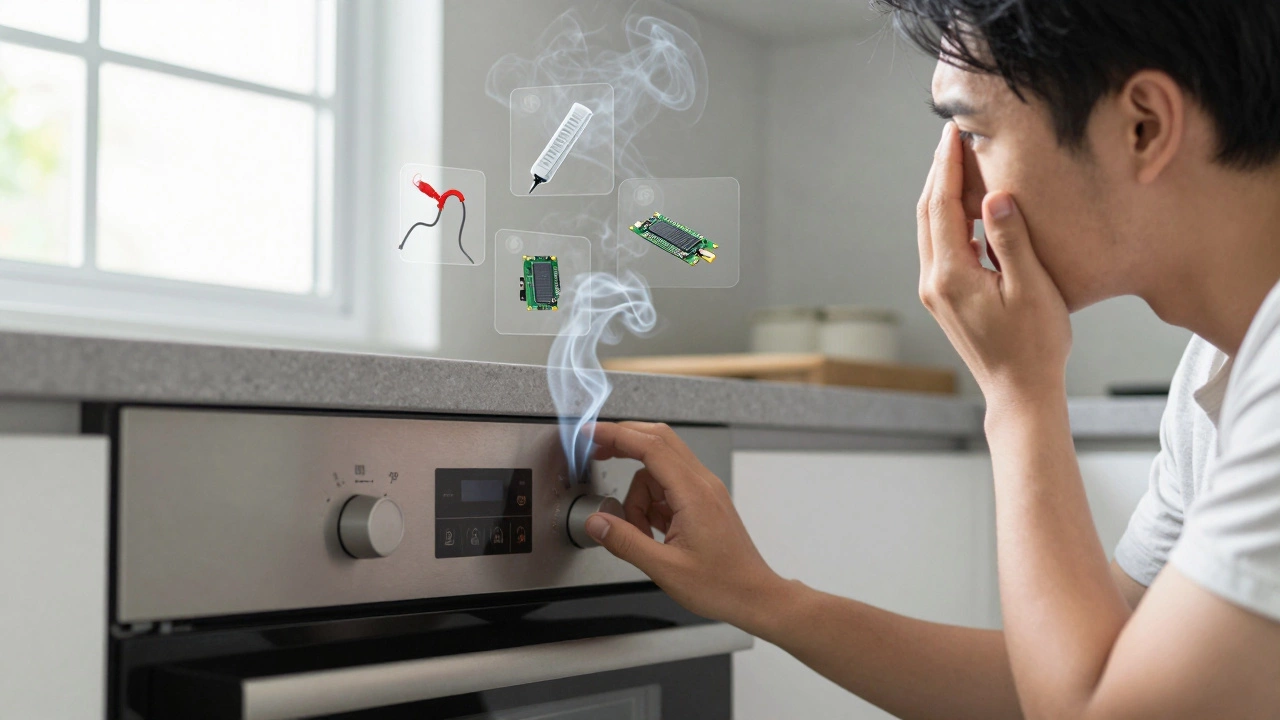
- Smell of burning plastic or electronics near the control panel or behind the keypad.
- Display flickers or goes blank while the oven is running.
If you’re seeing two or more of these, especially with no obvious cause like a tripped breaker or blown fuse, the control board is the likely culprit.
How to test it (without a multimeter)
You don’t need to be an electrician to check if the control board is bad. Start by ruling out the easy stuff:
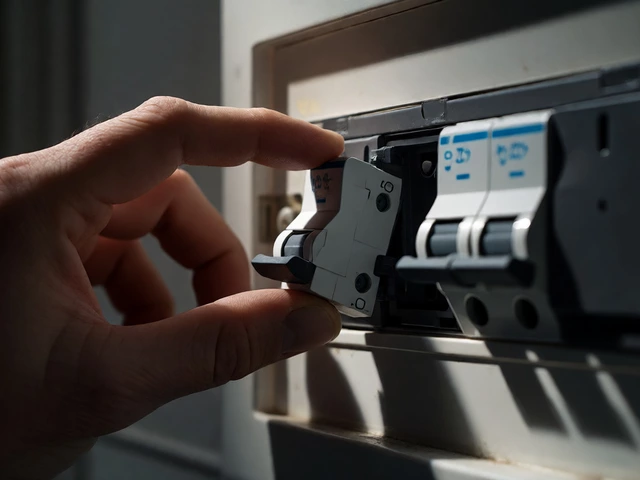
- Reset the oven-unplug it or flip the circuit breaker for 5 minutes. Plug it back in and try again. Many glitches clear with a reset.
- Check the power supply-make sure the outlet works by plugging in a lamp. Also check the house breaker. A tripped breaker can mimic a bad board.
- Test the temperature sensor-most ovens have a sensor that looks like a thin metal rod inside the oven. If it reads open (infinite resistance) or way off (over 1100 ohms at room temperature), it could be the issue. But if it reads normal, the board is likely the problem.
- Listen for clicks-when you set the oven to bake, you should hear a relay click inside the control panel. If you hear nothing, the board isn’t sending power.
If all those checks pass and the oven still doesn’t work right, the control board is probably faulty. You can’t test the board’s internal circuits without a multimeter and schematics-but you can eliminate everything else.
What to do if you suspect a bad control board
Once you’re fairly sure the control board is bad, you have three options:
- Replace it yourself-find the exact part number (usually printed on the board or in the manual). Orders from manufacturers like Whirlpool, GE, or Frigidaire cost $100-$250. Installation takes 1-2 hours. You’ll need to remove the control panel, unplug the wiring harnesses, and swap the board. Many repair videos show this clearly.
- Hire a technician-a pro will charge $150-$300 for parts and labor. This is worth it if you’re not comfortable with electronics or if your oven is under warranty.
- Replace the oven-if your oven is over 10 years old, replacing the control board might not be cost-effective. A new mid-range oven costs $500-$1,000, but it’ll come with a warranty and better efficiency.
Don’t waste money on a new heating element or thermostat if the control board is the issue. Those parts are easy to install, but they won’t fix the root problem.
Why control boards fail
Control boards don’t last forever. Here’s what kills them:
- Heat exposure-ovens get hot. If the board is mounted too close to the oven cavity or lacks proper shielding, heat builds up and fries the circuits.
- Power surges-a lightning strike or faulty wiring can send a spike through the line. A surge protector for your kitchen appliances can prevent this.
- Moisture-spilled liquids, steam from boiling pots, or cleaning with too much water can seep into the control panel and corrode the board.
- Age-capacitors dry out, solder joints crack, and chips degrade after 8-12 years of use.
If you live in an area with unstable power or frequently use the self-clean cycle, your control board is under more stress. That’s why some models fail sooner than others.
Preventing future failures
Once you fix or replace the board, take steps to make it last:
- Use the self-clean cycle sparingly-it generates extreme heat that stresses the electronics.
- Keep the control panel dry. Wipe spills immediately, and avoid spraying cleaner directly on buttons.
- Install a whole-house surge protector if you don’t have one. It’s cheaper than replacing boards.
- Don’t overload circuits. Avoid running the oven and microwave on the same breaker.
These steps won’t make the board last forever, but they can add several years to its life.
When to give up
If your oven is 12+ years old, and the control board costs more than half the price of a new one, it’s time to replace the whole unit. Modern ovens have better sensors, smarter controls, and energy ratings that save money over time. A $200 repair on a 15-year-old oven might feel like a bargain, but it’s just delaying the inevitable.
Also, if you’ve replaced the control board once and it failed again, there’s likely a deeper issue-like faulty wiring, a bad power supply, or a design flaw in your model. In that case, replacing the oven is the smarter long-term move.
Can a bad control board cause uneven heating?
Yes. If the control board isn’t sending consistent power to the bake or broil elements, one side of the oven may heat more than the other. This often looks like a bad element, but if you’ve tested and replaced the element and the problem remains, the board is likely at fault.
Will the oven still work if the display is blank?
Sometimes. The oven may still heat if the control board’s power circuits are intact but the display driver is fried. Try setting the oven manually using the knobs (if it has them) or bypassing the digital interface. If it heats without the display, the board is partially working-but still failing.
Can I test the control board with a multimeter?
You can test input and output voltages, but not the board’s internal logic. If you measure 120V going into the board but no voltage coming out to the heating elements, the board isn’t switching power. That’s a strong sign it’s bad. However, if voltage looks normal, the issue might be elsewhere, like the relay or wiring.
Is it safe to run the oven if the control board is failing?
It’s risky. A failing board can cause unexpected heating, overheating, or even electrical shorts. If the oven turns on by itself, smokes, or smells like burning plastic, turn it off and unplug it immediately. Don’t use it until it’s fixed.
Do all ovens have a control board?
Most electric ovens made after 1995 have a digital control board. Older models with mechanical timers and dials don’t. If your oven has buttons, a digital display, or programmable settings, it has a control board. Gas ovens with electronic ignition also use them.
Next steps if your oven isn’t working
Start simple: reset the power, check the breaker, and inspect the temperature sensor. If those don’t fix it, focus on the control board. Look for error codes, listen for clicks, and smell for burning. If you’re still unsure, take a photo of the control board and search for your oven model number online-many forums have repair threads with photos of failed boards.
Replacing the board is doable for most homeowners. Just make sure you get the exact replacement part. A wrong board can damage your oven or create safety hazards. If you’re not confident, call a repair tech. But don’t assume it’s the heating element-it’s often not.