
You've booked your annual appointment, the engineer is at your door, and you're wondering if you can actually get anything done while they're there or if your whole morning is gone. Most people assume a boiler service is just a quick glance and a thumbs-up, but if a technician finishes in fifteen minutes, you should actually be worried. A rushed job usually means they skipped the safety checks that keep your home from becoming a hazard.
Key Takeaways for Homeowners
- A standard annual service typically takes between 45 and 90 minutes.
- Time varies based on the boiler type (combi vs. system) and its current condition.
- Safety checks and flue analysis are the most critical, time-consuming parts of the visit.
- Expect longer visits if the system needs bleeding or chemical flushing.
The Standard Timeline for a Boiler Service
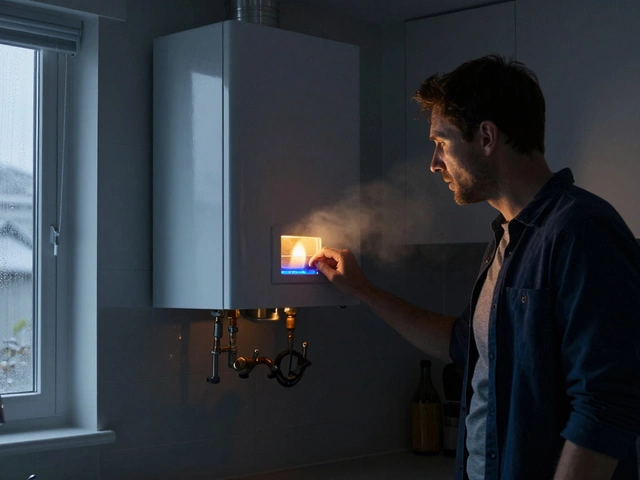
For most modern homes, a boiler service is a preventative maintenance procedure designed to ensure the heating system operates safely and efficiently. If you have a standard Combi Boiler, which combines a central heating boiler and a hot water heater in one unit, the process usually wraps up in about an hour.
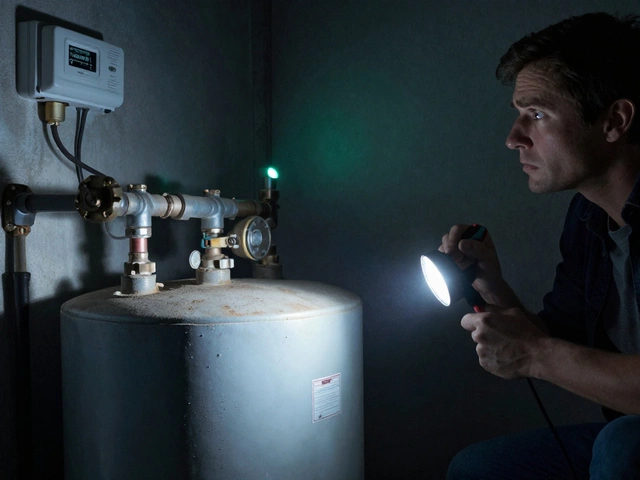
Why the variation? A technician isn't just looking at the box on the wall. They have to check the Gas Valve, inspect the Heat Exchanger for buildup, and ensure the Flue is venting carbon monoxide safely outside. If you have an older, traditional system with a separate hot water cylinder, add another 30 to 60 minutes to that estimate because there are more components to test across the house.
What Actually Happens During Those 60 Minutes?
To understand the timing, you have to look at the checklist. A professional doesn't just turn the machine on and off. They follow a strict sequence of safety and efficiency steps. First, they'll perform a visual inspection to find leaks or corrosion. Then comes the internal cleaning. They'll remove the casing and clear out dust and debris that can obstruct the burner.
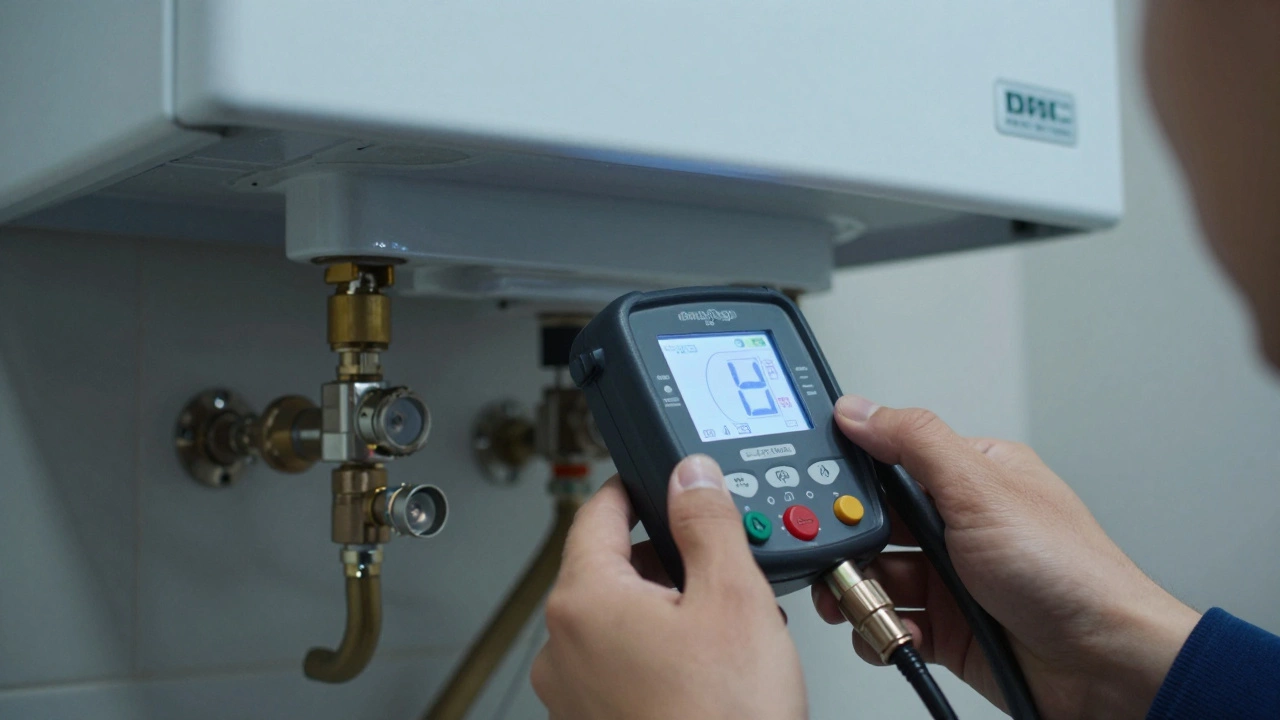
One of the most important parts of the visit is the flue gas analysis. Using a calibrated electronic analyzer, the engineer checks the ratio of carbon monoxide and carbon dioxide in the exhaust. This is a non-negotiable safety step that takes a specific amount of time to perform accurately. If they skip this, they aren't providing a legal service. After that, they'll check the system pressure and likely top up the water in your radiators to ensure there are no air pockets slowing down your heating.
| Task | Estimated Time | Why it takes this long |
|---|---|---|
| Initial Inspection & Setup | 10-15 Mins | Moving furniture, accessing the unit, and safety prep. |
| Internal Cleaning & Component Check | 20-30 Mins | Removing the chassis and cleaning the burner/heat exchanger. |
| Flue Gas Analysis & Safety Testing | 15-20 Mins | Running the analyzer and checking for leaks. |
| Pressure Testing & System Bleeding | 10-20 Mins | Adjusting water levels and checking radiator efficiency. |
| Paperwork & Final Walkthrough | 10 Mins | Issuing the service record and explaining any issues. |
Factors That Can Push the Clock Further
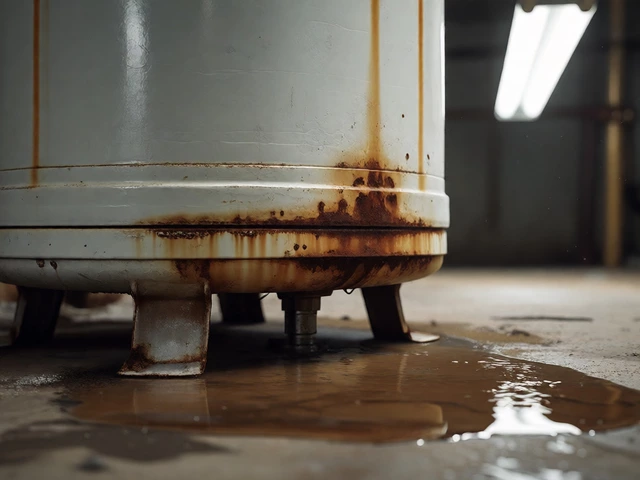
Sometimes a "one hour" job turns into three. This usually happens when the engineer finds something that isn't just "maintenance." For instance, if your system has accumulated significant sludge-essentially a rusty black goo-the engineer might suggest a Power Flush. This is a separate process where the entire system is cleaned using high-pressure water and chemicals. You can't do this in a standard service window; it's a full-day job.
Another common delay is poor access. If your boiler is tucked away in a cramped attic or behind a heavy wardrobe, the technician spends more time maneuvering than actually servicing. I've seen visits drag on simply because the engineer had to spend 30 minutes just getting the panels off a boiler that was installed too close to a wall. If you want the visit to be fast, clear the area around your unit before they arrive.
The Danger of the "Quick Fix" Visit
If a plumber tells you they can service your boiler in 20 minutes, be skeptical. A genuine service requires the unit to be fired up and monitored under different loads. It involves checking the Thermostat accuracy and ensuring the Pressure Relief Valve isn't leaking.
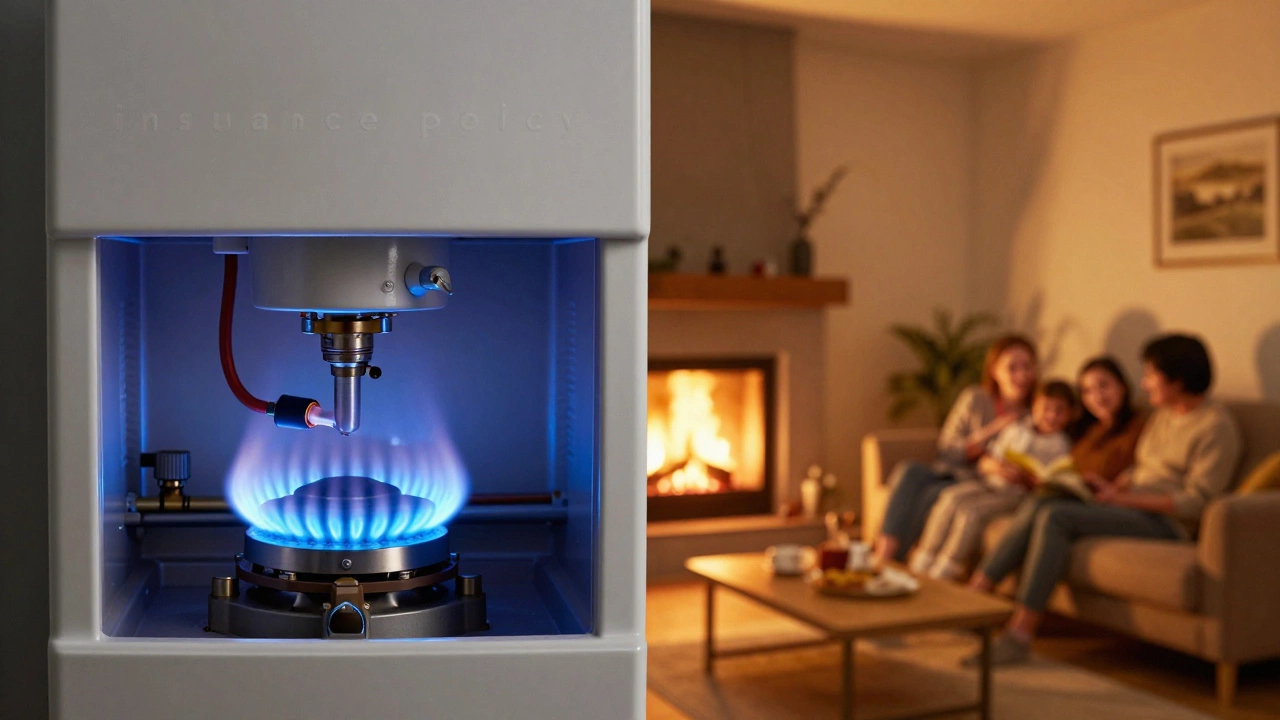
When an engineer rushes, they often miss signs of a hairline crack in the heat exchanger or a slightly blocked flue. These aren't things you can see from the outside of the box. A thorough service is an insurance policy against a total system breakdown in the middle of winter. The extra 30 minutes of a professional's time now saves you the cost of a brand new boiler three years too early because of neglected maintenance.
How to Prepare for a Faster Visit
You can actually help your engineer work more efficiently. First, make sure the area around the boiler is completely clear. You don't want them spending the first ten minutes moving your laundry baskets or storage boxes. Second, if you've noticed any weird noises-like banging in the pipes or a whistling sound-write them down. Telling the engineer exactly where the problem is saves them from having to play detective with your whole heating loop.
Lastly, have your previous service records ready. Knowing when the last Magnetic Filter was cleaned or when the last part was replaced gives the technician a roadmap of the system's health. This allows them to focus on the areas most likely to fail based on the boiler's age and history.
Does a boiler service include repairs?
No, a service is preventative. It involves cleaning, checking, and tuning. If the engineer finds a broken part, like a faulty pump or a leaking valve, they will report it to you. Replacing that part is typically billed as a separate repair job, though some service plans cover minor parts.
Why does my boiler need servicing every year?
Beyond the safety aspect (preventing carbon monoxide leaks), annual servicing keeps your energy bills lower. Dust and lime-scale buildup in the heat exchanger make the boiler work harder to heat the same amount of water, which wastes gas. Regular tuning keeps the efficiency high.
Will the engineer need to turn off my heating?
Yes, for the majority of the visit, your heating and hot water will be unavailable. The technician needs to shut off the gas and electricity to safely open the unit and clean the internal components.
Can I service my own boiler to save time?
Absolutely not. Servicing a boiler requires specialized gas-safe certification and calibrated equipment. Attempting to open a boiler yourself is extremely dangerous and will void your manufacturer's warranty instantly.
What happens if the engineer finds a major problem?
If a critical safety issue is found (like a blocked flue), the engineer is legally required to cap the gas supply and mark the appliance as unsafe. They will give you a quote for the repair and a timeline for when it can be fixed so you can get your heating back on safely.
Next Steps for Homeowners
If your boiler is over five years old and has never been serviced, don't be surprised if the first visit takes longer than usual. The engineer will likely spend extra time clearing out years of accumulated soot and checking for deep-seated corrosion. In this scenario, consider asking about a system flush to reset the health of your radiators.
For those with brand new installations, stick to the manufacturer's recommended schedule. Skipping a single year might seem fine, but it often voids your warranty. If you're unsure who to call, look for a certified professional who can provide a digital service record, as this increases the resale value of your home by proving the property has been well-maintained.