Quick Takeaways: What to Expect
- Average lifespan: 10 to 15 years.
- High-end brands may push toward 20 years with proper care.
- Budget models often see a decline in performance after 7 to 10 years.
- The "50% Rule": If a repair costs more than half the price of a new oven and the unit is over 10 years old, replace it.
The Reality of Electric Oven Lifespans
When we talk about the lifespan of a kitchen appliance, we aren't talking about when it literally stops working, but when it becomes inefficient or too expensive to maintain. A standard Electric Oven is a kitchen appliance that uses electric heating elements to cook food via convection or radiation. On average, these units last between 10 and 15 years.
Why the wide range? It comes down to the build quality and how hard you push the machine. If you're a professional home baker running your oven for 8 hours a day, you'll hit that 10-year mark much faster than someone who only uses their oven for a Sunday roast. The internals of an oven are subject to extreme thermal expansion and contraction, which eventually fatigues the metal and wears down the electrical components.
What Actually Breaks First?
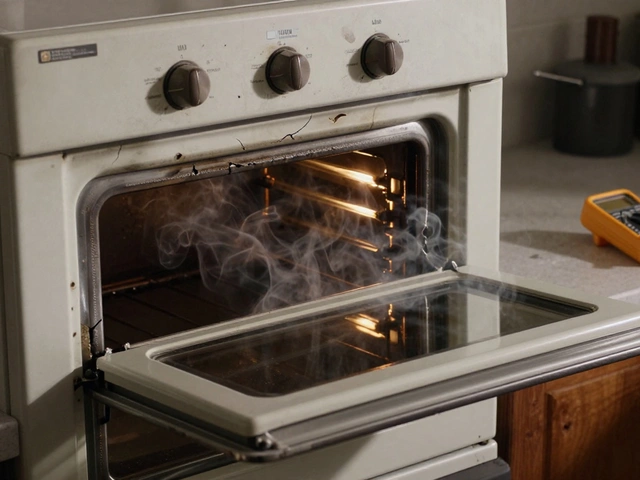
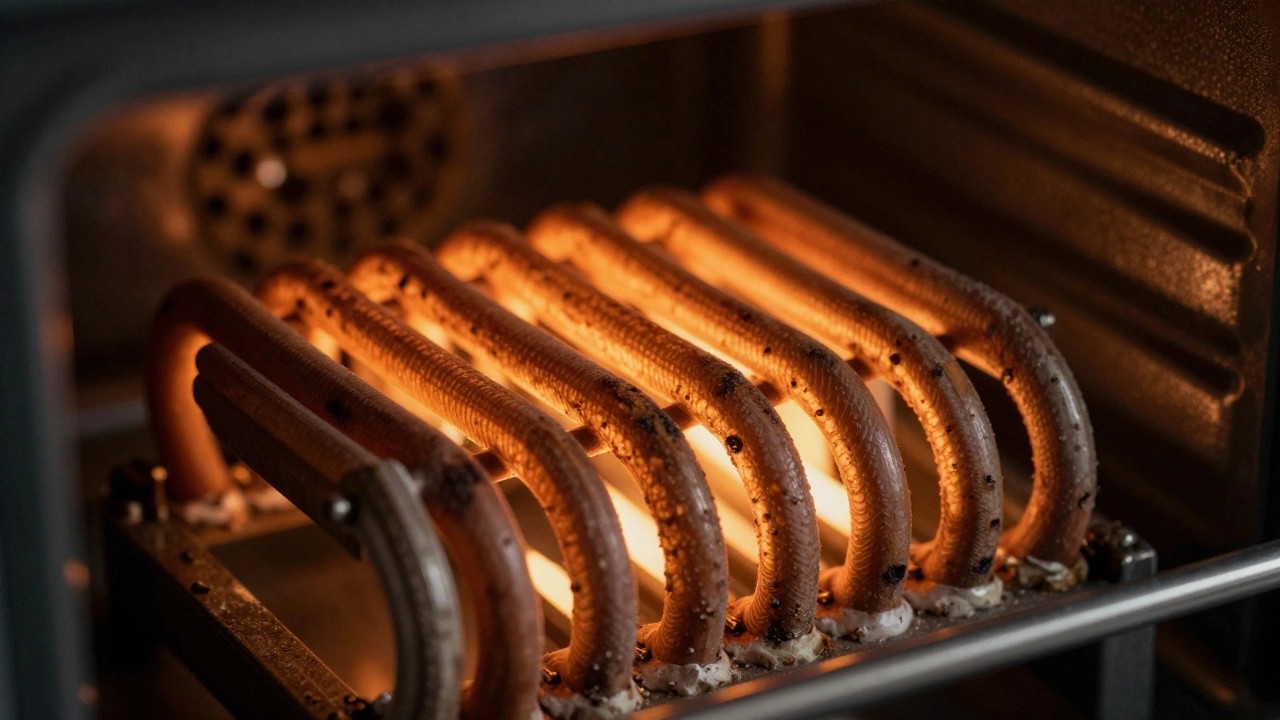
To understand why ovens die, you have to look at the parts that take the most abuse. The first point of failure is almost always the Heating Element. This is the coil that turns electricity into heat. Over time, the internal filament thins out and eventually snaps, much like an old lightbulb. If your oven is heating from the top but not the bottom, you've likely got a dead element.
Next up is the Thermostat or the Temperature Sensor. These are the "brains" of the operation. When the sensor fails, the oven might overshoot the temperature by 50 degrees or refuse to heat up at all. This often happens around the 7-to-12-year mark as the electrical sensors degrade from constant heat exposure.
Finally, there's the control board. In modern digital ovens, the Electronic Control Board is the most expensive part to replace. It manages the timers, the display, and the power distribution. When a capacitor on this board pops, the whole unit can become a very expensive metal box that does nothing but blink a light.
| Component | Average Life | Common Signs of Failure | Repair Difficulty |
|---|---|---|---|
| Heating Element | 5-10 Years | Uneven cooking, burnt smell, or no heat | Easy/Medium |
| Door Seal/Gasket | 3-7 Years | Heat leaking from door, long preheat times | Easy |
| Temperature Sensor | 8-12 Years | Inaccurate temperatures, error codes | Medium |
| Control Board | 10-15 Years | Dead display, buttons not responding | Hard |
Signs Your Oven is Reaching the End of the Road
You shouldn't wait for the oven to completely die before thinking about a replacement. There are several red flags that suggest the electric oven lifespan is nearing its limit. One major warning sign is an increasing inability to hold a steady temperature. If you find yourself using an external oven thermometer more often because the built-in dial is lying to you, the internal calibration is gone.
Another sign is the "slow climb." Does your oven take 30 minutes to hit 350°F when it used to take 15? This usually indicates a failing element or a degraded door seal that's letting all the heat escape into your kitchen. While a seal is cheap to replace, a struggling element often signals that the overall electrical efficiency of the unit is dropping.
Then there are the weird smells. A slight metallic smell during the first use of a new oven is normal. However, if your 12-year-old oven starts smelling like burning plastic or ozone, you have an electrical short. This is a serious safety hazard and often means the wiring inside the chassis is brittle and cracking.
Repair vs. Replace: The Decision Matrix
The hardest part of oven ownership is deciding when to stop throwing money at an old machine. To make this easy, use the 50% rule. If the cost of the repair-including parts and labor-is more than 50% of what a brand new, comparable oven would cost, it's time to shop.
But age is the real tie-breaker. If your oven is 3 years old and the element burns out, fix it immediately. It's a cheap part and the rest of the machine is still fresh. If your oven is 14 years old and the control board fries, you're essentially paying for a new oven but keeping a 14-year-old box. In that scenario, the risk of another part failing next month is too high to justify the cost.
Consider the energy efficiency too. Ovens from 2010 are not as efficient as those made in 2026. Newer models often have better insulation and more precise heating elements, which can shave a noticeable amount off your monthly power bill, especially if you use the oven daily.
How to Stretch Your Oven's Life
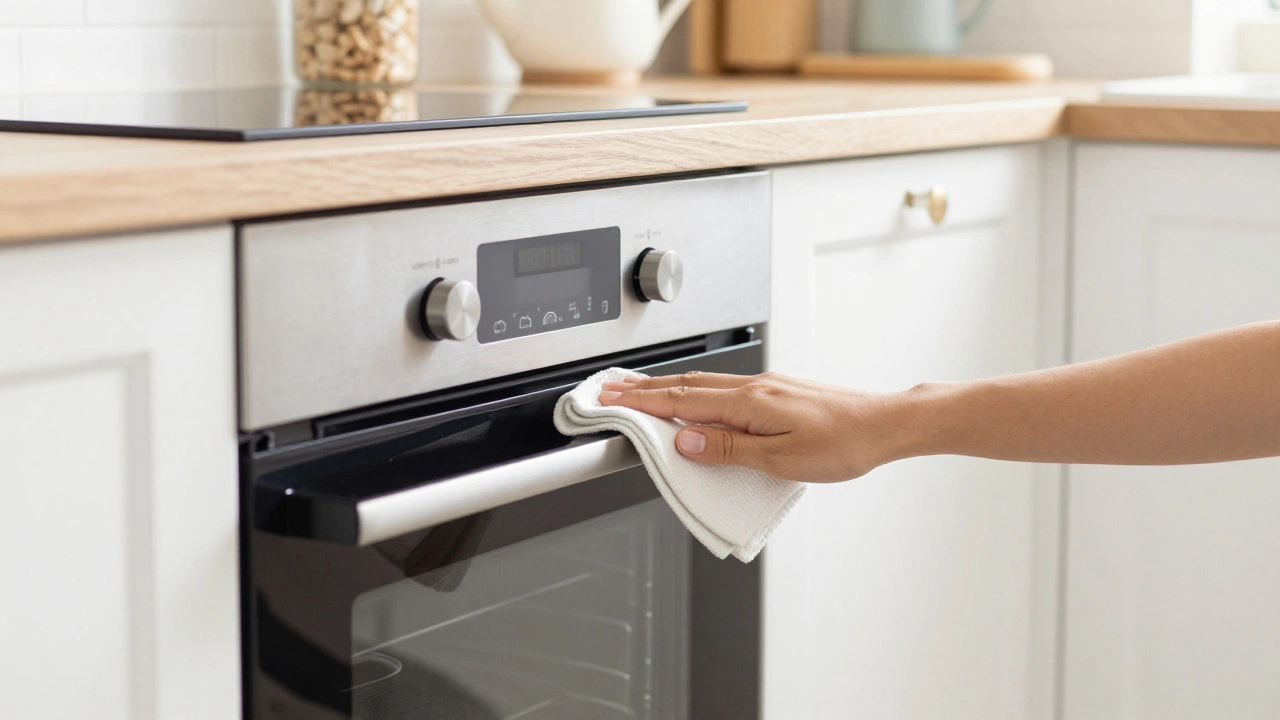
You can't stop physics, but you can slow down the decay. The biggest enemy of an electric oven is grease buildup. When grease accumulates on the heating elements or the bottom of the oven, it creates "hot spots." This forces the element to work harder and run hotter in certain areas, which leads to premature burnout.
If you have a self-cleaning oven, be careful. The Pyrolytic Cleaning cycle (the one that gets the oven incredibly hot to burn off food) is a brutal process. The extreme heat can stress the control board and weaken the heating elements. Many technicians suggest avoiding the self-clean cycle and instead using a manual cleaner or a damp cloth to avoid "cooking" your oven's electronics.
Regularly check your door gasket. If the rubber or fiberglass seal is torn, your oven has to run longer and hotter to maintain the temperature. Replacing a $30 seal can literally add years to the life of your heating element by reducing the workload on the machine.
Is it worth fixing a 10-year-old electric oven?
It depends on the part. If it's a heating element or a door seal, yes. These are wear-and-tear items that are relatively cheap to swap. However, if the main control board or the oven chassis itself is damaged, it's usually better to replace the unit, as other components are likely to fail soon after.
Why does my oven take so long to preheat?
This is usually caused by one of three things: a failing heating element that can't reach full power, a worn-out door seal letting heat escape, or a malfunctioning temperature sensor that is giving the oven incorrect readings.
Can a power surge kill an electric oven?
Yes, absolutely. Power surges can fry the capacitors on the electronic control board. This is why high-quality surge protectors or whole-home surge protection are recommended for modern kitchens with digital appliances.
Do expensive ovens last longer than budget ones?
Generally, yes. Higher-end models typically use thicker gauge steel for the chassis and higher-grade components for the heating elements. While a budget oven might start failing at year 7, a premium model is more likely to reach 15-20 years of service.
How do I know if my heating element is actually burnt out?
Look for visible breaks or "blisters" in the coil of the element. You can also use a multimeter to check for continuity; if the circuit is open, the element is dead and must be replaced.
Next Steps: Troubleshooting Your Oven
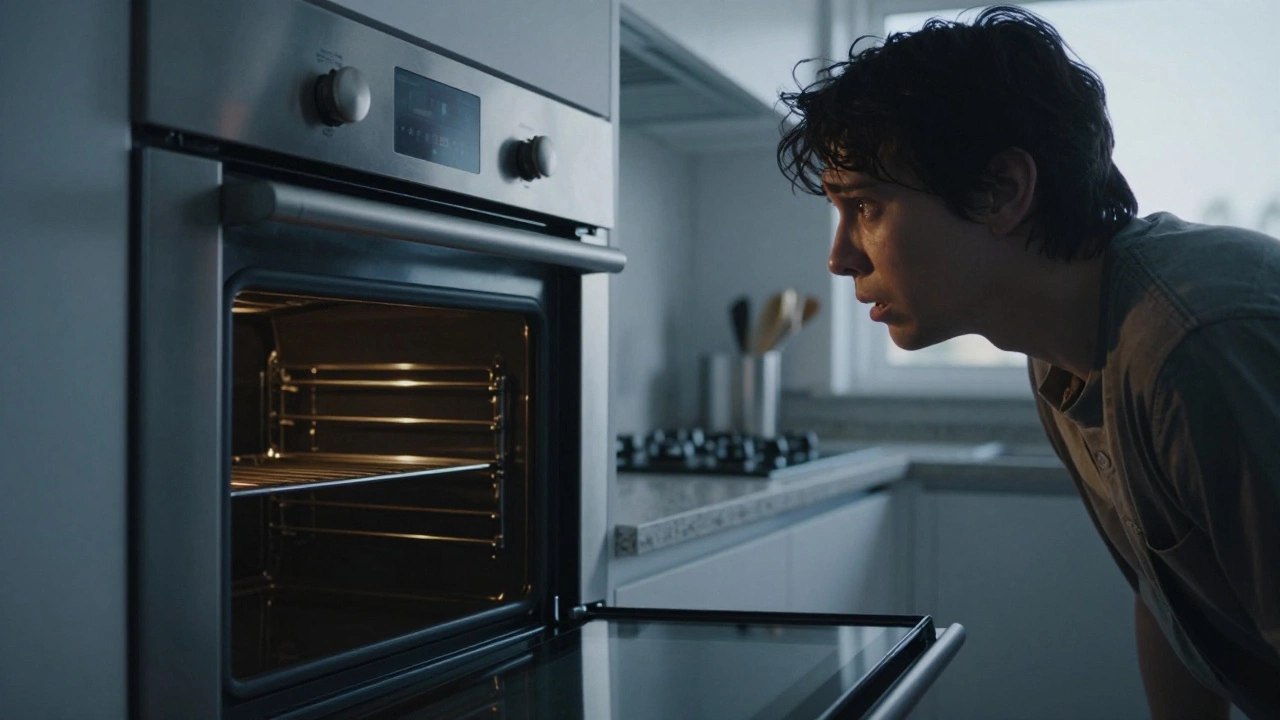
If you're currently staring at a broken oven, start with the basics. First, check your circuit breaker. Electric ovens pull a lot of current, and it's surprisingly common for a breaker to trip during a heavy cooking session. If the power is on but it won't heat, try the "visual test": turn the oven on and look for the glow. If the top is red but the bottom is dark, you've found your problem.
For those who are handy, replacing an element is a great DIY project. You just need a screwdriver and a way to pull the oven away from the wall. However, if you're dealing with the control board or internal wiring, call a professional. Dealing with 240V electricity is dangerous if you aren't trained in lockout/tagout procedures.
If you decide to buy a new one, look for models with removable elements and accessible sensors. The more modular an oven is, the longer its overall lifespan will be because you can replace specific parts rather than the whole machine.