Boiler Repair vs. Replace Calculator
Enter Your Details
Result
--
--
Why this recommendation?
Enter your details and click Analyze to see if you should repair or replace your boiler.
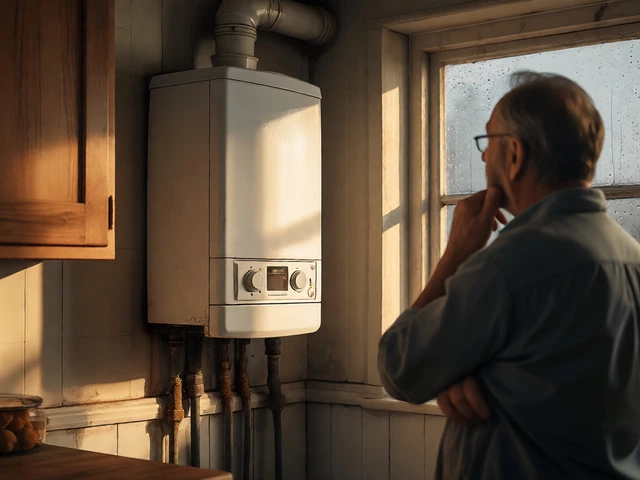
There is nothing quite as stressful as a cold shower in the middle of winter or realizing your radiators are silent when you need them most. You probably bought that heating system expecting it to last forever, but reality hits hard when the thermostat stops working. The short answer to how long boilers last is usually between 10 and 15 years for modern condensing models, while older non-condensing units might squeeze out 20 years if they are lucky. But that average number doesn't tell the whole story. Your specific situation depends heavily on water quality, maintenance habits, and the type of fuel you burn.
Ignoring this timeline can lead to expensive emergency repairs or even safety hazards like carbon monoxide leaks. Understanding what determines the life of your boiler helps you decide whether to keep repairing an aging unit or invest in a new, more efficient system. Let’s break down exactly what affects longevity and how you can maximize every year of service.
The Average Lifespan by Boiler Type
Not all boilers are created equal. The technology inside the metal casing plays a huge role in how long it survives. In New Zealand, where we rely heavily on heating due to our damp climate, knowing which type you have is the first step in predicting its end date.
| Boiler Type | Average Lifespan | Key Characteristics |
|---|---|---|
| Condensing Boiler | 10-15 years | High efficiency (90%+), complex electronics, sensitive to water quality. |
| Non-Condensing Boiler | 15-20 years | Lower efficiency (70-80%), simpler mechanics, fewer electronic components. |
| Combi Boiler | 10-12 years | Heats water on demand, higher stress on heat exchanger, no tank. |
| System Boiler | 12-15 years | Works with a hot water cylinder, moderate complexity. |
Condensing boilers dominate the market today because they recycle waste heat from exhaust gases. This makes them highly efficient, but it also means they have more moving parts and electronic controls that can fail. A non-condensing boiler, often found in older homes built before 2005, lacks these delicate components. It burns fuel less efficiently, venting more heat up the chimney, but its simple design allows it to run for decades with minimal fuss. If you have a combi boiler, expect a shorter lifespan because it handles both central heating and domestic hot water simultaneously, putting significant strain on the heat exchanger.
Factors That Shorten Boiler Life
Even the best-built boiler will die young if treated poorly. Several environmental and operational factors accelerate wear and tear. Identifying these early can save you thousands in premature replacement costs.
- Water Quality: Hard water causes limescale buildup inside the heat exchanger. This insulates the metal, forcing the boiler to work harder to reach target temperatures. Over time, this leads to overheating and cracks. In areas with very soft water, corrosion becomes the primary enemy, eating away at internal pipes.
- Lack of Maintenance: Skipping annual servicing is the fastest way to kill a boiler. Dust, debris, and sludge accumulate in the burner and pump. Without cleaning, the pump may seize, or the burner may ignite unevenly, causing thermal shock to the metal components.
- Frequent Cycling: If your thermostat is poorly calibrated or located in a warm spot, the boiler may turn on and off too frequently. Each startup cycle stresses the ignition system and expands/contracts the metal parts. Constant cycling wears out seals and valves much faster than steady operation.
- Poor Installation: A boiler installed without proper flue clearance or incorrect pressure settings will struggle from day one. Incorrect gas pressure can cause incomplete combustion, leading to soot buildup and component failure.
In Wellington, our coastal air carries salt particles. While this rarely affects indoor boilers directly, humidity levels can impact external flue terminals. Ensure your flue isn’t blocked by bird nests or debris, which can cause backdrafts and damage the internal fan.

Signs Your Boiler Is Dying
Boilers rarely announce their retirement date. Instead, they send subtle warning signs that escalate over months or years. Recognizing these symptoms helps you plan a replacement rather than facing an emergency breakdown.
- Rising Energy Bills: If your usage hasn’t changed but your bill has jumped by 10-20%, your boiler is likely losing efficiency. Old units drop below 70% efficiency, meaning you’re paying to heat the outside air through the chimney.
- Noisy Operation: Kettling sounds-like boiling water in a kettle-indicate limescale buildup. Gurgling noises suggest air trapped in the system or a failing pump. Squealing fans point to motor bearing wear.
- Inconsistent Heating: Some rooms stay cold while others are hot, or hot water takes forever to arrive. This often signals a failing diverter valve or sludge blocking radiators.
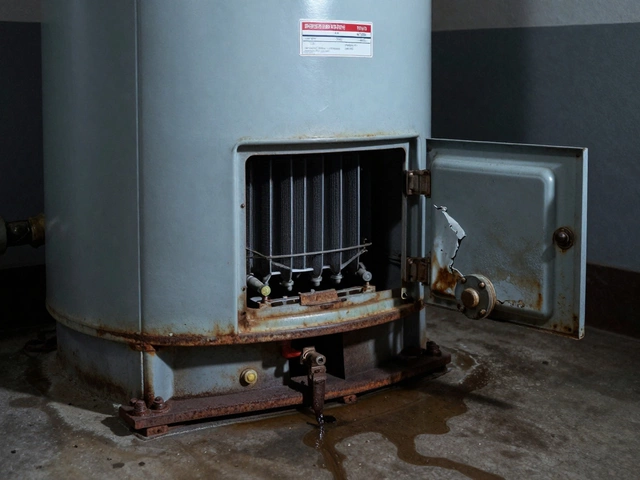
- Frequent Breakdowns: Needing repairs more than once a year is a red flag. If you’ve replaced the pump, fan, and control board in the last two years, the cost of parts plus labor likely exceeds the value of the remaining life of the unit.
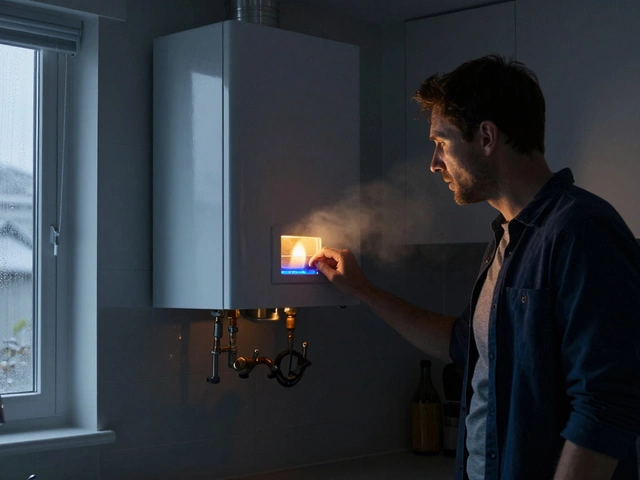
- Yellow Flame: A healthy gas flame should be blue. A yellow or orange flame indicates incomplete combustion, potentially releasing carbon monoxide. This is a safety hazard requiring immediate attention.
If you notice any of these signs, especially the yellow flame or unusual smells, call a qualified technician immediately. Don’t wait until the system fails completely.
Repair vs. Replace: Making the Right Choice
This is the dilemma most homeowners face. When the repair quote comes in, how do you know if it’s worth fixing? Here’s a practical framework to help you decide.
The 50% Rule: If the cost of the repair is more than 50% of the price of a new boiler, replace it. For example, if a new unit costs $3,000 and the repair is $1,600, buy new. You’ll get better efficiency and a fresh warranty.
Age Consideration: If your boiler is over 10 years old and needs a major component replacement (like the heat exchanger), replace it. Older units lack modern efficiency standards. Upgrading to a new condensing model can reduce energy consumption by 20-30%, paying for itself over time.
Warranty Status: Check if your boiler is still under manufacturer warranty. If yes, repairs might be covered or discounted. If the warranty has expired, factor in the risk of future failures.
Efficiency Gains: Modern boilers use smart controls and weather compensation. They adjust output based on outdoor temperature, preventing overheating and saving energy. An old boiler runs at full blast regardless of conditions, wasting money.
Consider this scenario: You have a 12-year-old boiler that needs a new printed circuit board (PCB) for $800. A new high-efficiency boiler costs $3,200. The repair saves you $2,400 upfront, but the old boiler will continue to consume excess gas. Over five years, the energy savings from a new unit could offset the initial difference. Plus, you gain peace of mind with a new warranty.

Extending Boiler Life Through Maintenance
You can significantly extend the lifespan of your boiler with regular care. Think of it like changing the oil in your car. Neglect leads to catastrophic failure; routine maintenance ensures smooth operation.
- Annual Servicing: Hire a Gas Safe registered engineer (or equivalent local certification) to inspect and clean the boiler yearly. They check gas pressure, test for carbon monoxide, clean the burner, and inspect seals.
- Power Flushing: Every 3-5 years, consider a power flush of the central heating system. This removes sludge and magnetite buildup that circulates through the boiler, protecting the heat exchanger and pump.
- Check Pressure Regularly: Most boilers require a pressure between 1 and 1.5 bar. Low pressure can cause the boiler to lock out. If pressure drops frequently, you may have a leak in the system that needs fixing.
- Bleed Radiators: Air pockets in radiators reduce efficiency and force the boiler to work harder. Bleeding them ensures even heat distribution and reduces strain on the system.
- Install a Magnetic Filter: A system filter traps sludge before it enters the boiler. This is a small investment that pays off by keeping internal components clean.
In New Zealand, where many homes use open-loop systems connected to mains water, installing a scale inhibitor can also help protect against limescale, especially in regions with harder water.
Cost of Replacement and Upgrades
Replacing a boiler is a significant investment. Costs vary based on type, brand, and installation complexity. In 2026, expect the following ranges for a standard home in New Zealand:
- Standard Combi Boiler: $2,500 - $3,500 including installation.
- System Boiler with Cylinder: $3,000 - $4,500 depending on cylinder size and pipework changes.
- High-Efficiency Premium Models: $4,000+ with smart controls and extended warranties.
Additional costs may arise if you need to upgrade gas pipes, install new flues, or relocate the boiler. Always get multiple quotes from licensed professionals. Ask about government rebates or energy efficiency grants that might be available for upgrading to high-efficiency models.
Don’t forget to budget for ongoing maintenance. Setting aside $150-$200 annually for servicing prevents unexpected large expenses later.
How do I know if my boiler needs replacing?
If your boiler is over 10 years old, requires frequent repairs, shows signs of inefficiency like rising bills, or produces unusual noises, it’s likely time to replace it. A professional assessment can confirm if the cost of repairs justifies keeping the old unit.
Can I extend the life of my boiler?
Yes, regular annual servicing, power flushing every few years, and maintaining correct system pressure can add several years to your boiler’s lifespan. Installing a magnetic filter also helps prevent sludge buildup.
Is it cheaper to repair or replace an old boiler?
If the repair cost exceeds 50% of a new boiler’s price, replacement is usually more economical. Additionally, newer models are more energy-efficient, reducing long-term running costs.
What is the most common reason boilers fail?
Lack of maintenance is the top cause of boiler failure. Sludge buildup, limescale, and worn-out components due to neglect lead to breakdowns. Regular servicing prevents most issues.
Do condensing boilers last longer than non-condensing ones?
Generally, non-condensing boilers last longer (15-20 years) due to simpler mechanics. Condensing boilers are more efficient but have more complex parts that may require earlier replacement (10-15 years).