Extractor Fan Installer Finder
Not sure who to call? Answer these questions to find the most cost-effective and compliant professional for your extractor fan installation.
Recommended Professional:
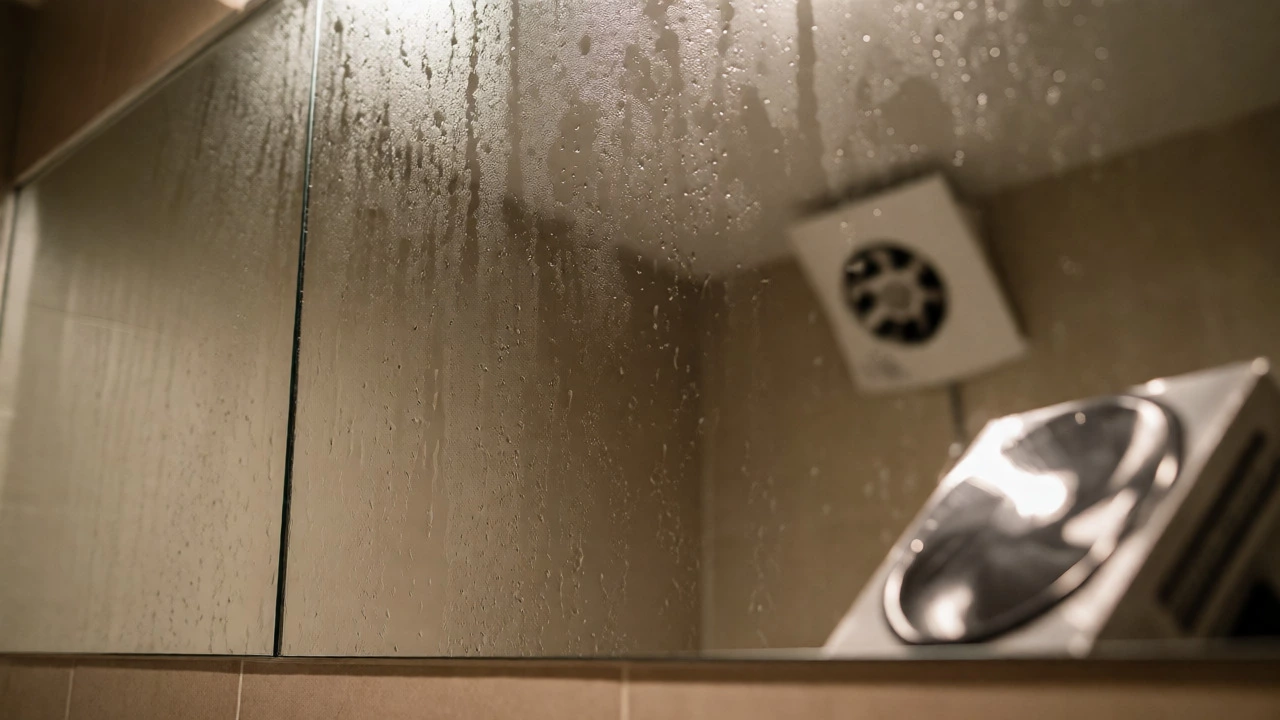
You’re staring at your steamy bathroom mirror. The old extractor fan died, and you’ve got a shiny new one sitting on the floor. Your first instinct might be to call your local plumber because they’re already coming over to fix that leaky tap next week. But here’s the catch: can a plumber actually fit an extractor fan? The short answer is yes, but it’s not always the most efficient or cost-effective choice. In New Zealand, the lines between trades can get blurry, especially when dealing with moisture-heavy areas like bathrooms.
This isn’t just about who holds the screwdriver. It’s about understanding the intersection of plumbing, electrical work, and ventilation standards. If you hire the wrong person, you might end up with a fan that doesn’t extract properly, fails inspection, or worse, becomes a fire hazard. Let’s break down exactly when a plumber is the right call, when you should look elsewhere, and what the rules in Wellington (and across NZ) actually say.
The Trade Off: Plumbing vs. Ventilation
Traditionally, an extractor fan is a ventilation device designed to remove excess moisture, odours, and pollutants from indoor air. Because these fans are often installed in wet rooms-bathrooms, kitchens, and laundries-people naturally associate them with plumbers. After all, plumbers deal with water damage and mold prevention daily. However, the mechanical act of installing a fan involves two distinct skills: mounting the unit into the ceiling or wall and connecting it to the electrical supply.
Most licensed plumbers in New Zealand are trained to understand airflow dynamics because proper drainage relies on venting. They know why you need extraction to prevent mold growth on your plasterboard. So, do they have the technical knowledge? Absolutely. Do they have the electrical license? That depends. In NZ, any electrical work involving fixed wiring must be performed by a registered electrician unless it’s a simple plug-and-play replacement. This creates a gray area for hardwired units.
| Task | Plumber | Electrician | Handyman |
|---|---|---|---|
| Mounting Unit | Yes | No (usually) | Yes |
| Ducting Work | Expert | No | Basic |
| Hardwiring Power | Only if dual-licensed | Required | No (Legal risk) |
| Mold Prevention Advice | High | Low | Medium |
When Calling a Plumber Makes Sense
There are specific scenarios where bringing in a plumber is actually the smartest move. Imagine you’re renovating a bathroom. You’re replacing the shower base, moving the toilet, and updating the vanity. Since the plumber is already tearing up the floor and walls, asking them to handle the ventilation upgrade saves you from coordinating multiple trades. Many modern plumbing businesses offer "wet room" packages that include ventilation upgrades because they know that poor extraction ruins their waterproofing work.
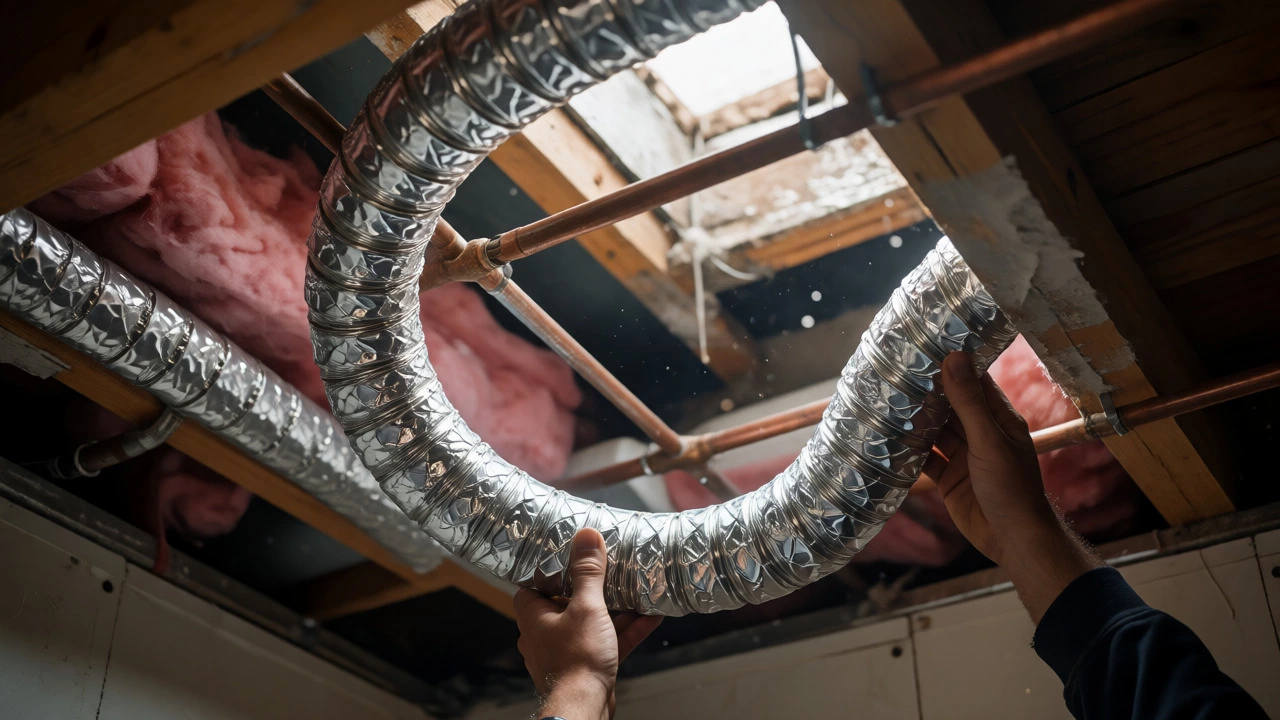
Also, consider complex ducting situations. If your current fan vents through the roof tiles or requires extending rigid ducting through tight ceiling cavities, a plumber’s experience with spatial constraints in wet areas is invaluable. They are used to working around pipes and insulation. If the fan needs to be connected to a window vent or a specific exhaust point that interacts with plumbing stacks, a plumber understands the negative pressure dynamics better than a general handyman.
The Electrical Hurdle in New Zealand
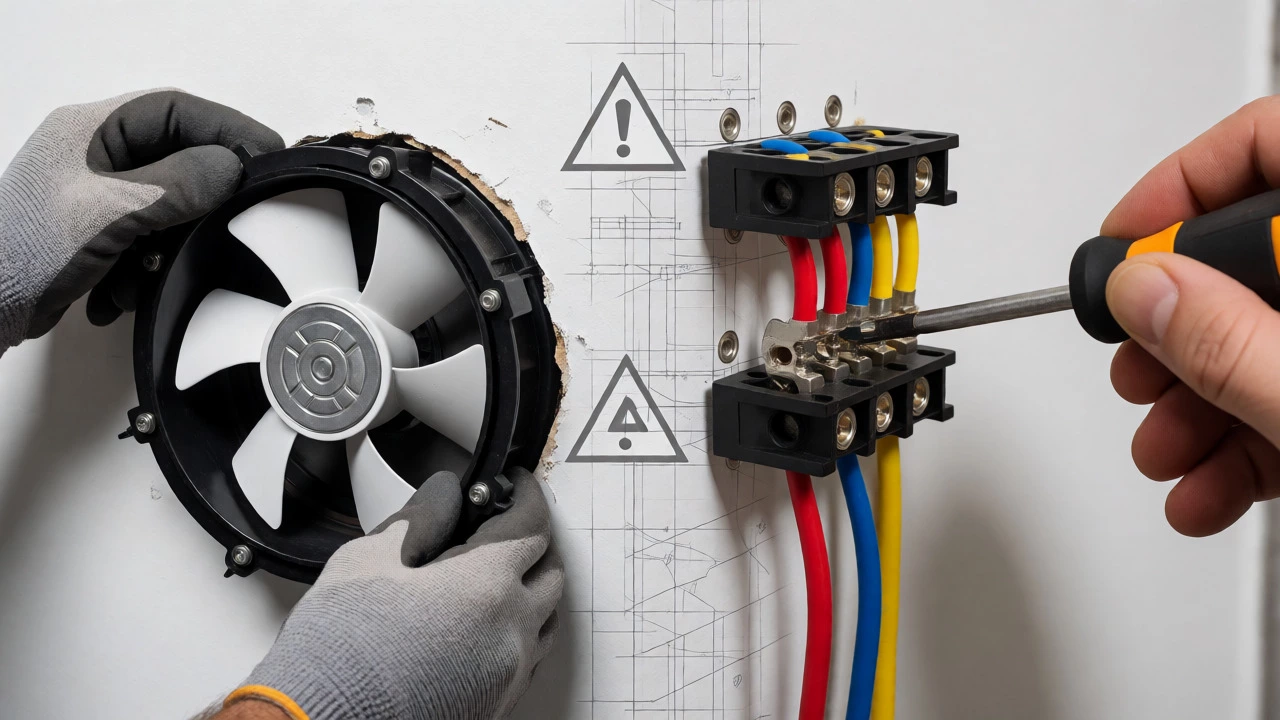
Here is the critical part that trips people up. Under the Electricity Act 1992 and the Building Code in New Zealand, hardwiring a new appliance generally requires a registered electrician. If you buy a fan that plugs into a standard GPO (General Purpose Outlet), anyone can install it. But if you want a sleek, switch-controlled fan wired directly into the light circuit, you need a sparky.
Some plumbers hold a limited electrical license or partner closely with a registered electrician. If your plumber says they can do it, ask two questions: "Are you registered with the ESR (Electrical Workers Registration Board)?" and "Will you provide a Certificate of Compliance?" Without that certificate, your home insurance might void claims related to electrical fires, and selling your house later could become a nightmare during inspections. If your plumber isn’t licensed for electricals, they will likely mount the box and run the cabling, then call in their electrician mate to terminate the connections. This adds a step but keeps you compliant.
DIY: Can You Do It Yourself?
If you’re handy, you might wonder if you can skip the pro entirely. Replacing an existing fan with a similar model is a classic DIY job. If the hole size matches and the wiring is straightforward, you can save significant cash. However, upgrading to a more powerful fan often means cutting larger holes in the ceiling or running longer duct runs. Mistakes here lead to rattling noises, leaks, or insufficient airflow.
- Check the CFM: Ensure the new fan has enough Cubic Feet per Minute (CFM) rating for your room size. A small bathroom needs at least 50-80 CFM.
- Duct Length: Keep flexible ducting as straight and short as possible. Every bend reduces efficiency significantly.
- External Vent: Never vent into the roof cavity. Moisture trapped there causes rot faster than it escapes out the side of the house.
Remember, even if you do the physical labor, the electrical connection usually still needs sign-off by a professional if it’s hardwired. Don’t let your pride cost you your safety.
Cost Breakdown: Who is Cheaper?
Let’s talk numbers. In Wellington, hourly rates vary. A plumber might charge $120-$160 per hour, while an electrician sits in a similar bracket, perhaps slightly higher depending on demand. A handyman might charge less, maybe $70-$90, but remember the legal limitations on electrical work.
If you hire a plumber solely to install a fan, you might pay a call-out fee plus an hour of labor. If they need to bring an electrician, expect to pay for both trades. Often, hiring an electrician directly is cheaper if the mounting is simple, because they don’t carry the heavy overheads of a plumbing van full of copper pipes and drain cleaners. Conversely, if the job involves patching drywall after drilling, a plumber or builder might be more adept at finishing the aesthetic work seamlessly.
Signs Your Current Setup Is Failing
Why are we having this conversation? Usually, because something went wrong. If your current fan is noisy, slow, or simply stops spinning, it’s time for a change. But how do you know if the issue is the fan itself or the installation? If the fan runs but the mirror stays foggy for hours, the problem isn’t the motor-it’s the airflow. This suggests blocked ducting, a closed damper, or an underpowered unit.
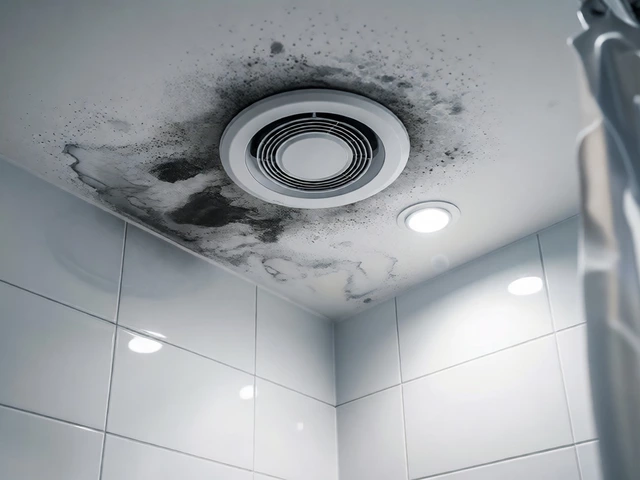
A plumber can diagnose moisture issues better than an electrician. They can check if the dampness is due to lack of extraction or a leaking pipe behind the wall. Sometimes, replacing the fan won’t solve the mold problem if the root cause is plumbing-related condensation. This holistic view is a key advantage of using a trade that specializes in water management.
Choosing the Right Professional
So, who do you call? Use this decision tree:
- Is it a simple swap? Same size, same wiring type? Call a handyman or do it yourself.
- Does it need hardwiring? Yes? Call an electrician. Ask if they can mount the unit too (many will).
- Is it part of a bigger bathroom reno? Yes? Call your plumber and ask if they offer ventilation coordination.
- Is there mold or water damage? Yes? Call a plumber first to assess the source, then arrange electrical fixes.
In Wellington, weather plays a role too. With our high humidity and frequent rain, external vent caps can get blocked by wind-driven debris or fail due to corrosion. A plumber, familiar with flashing and roof penetrations, might spot a compromised vent cap that an electrician would miss. Always inspect the exterior termination point before assuming the internal fan is broken.
Final Thoughts on Efficiency
Ultimately, yes, a plumber can fit an extractor fan, particularly regarding the physical installation and ventilation logic. But for the electrical connection, you almost certainly need an electrician involved. The best approach is communication. Tell your plumber exactly what you want. If they can’t wire it, ask them to prep the site so the electrician can finish it quickly. This teamwork saves you money and ensures your bathroom stays dry, mold-free, and compliant with NZ building standards.
Do I need a permit to install an extractor fan in New Zealand?
Generally, no building consent is required for replacing an existing fan with a similar one. However, if you are adding new ducting through the roof or changing the structural opening, you may need a Licensed Building Practitioner (LBP) for certain tasks. Electrical work always requires a registered electrician and a Certificate of Compliance, which serves as your proof of safety.
Can a handyman legally install a hardwired extractor fan?
A handyman can physically mount the fan and run the cables, but they cannot legally terminate the connection to the mains power if it is considered fixed wiring. In NZ, this task must be done by a registered electrician to ensure compliance with the Electricity Act 1992. Doing it yourself or having an unlicensed person do it can invalidate insurance.
How much does it cost to install an extractor fan in Wellington?
Expect to pay between $250 and $450 for a standard replacement including labor. Complex installations involving new ducting, ceiling repairs, or difficult access can range from $500 to $800+. Prices vary based on the height of the ceiling and whether the unit needs to be vented through the roof or a side wall.
What happens if my extractor fan vents into the roof space?
This is a common mistake. Venting into the roof space traps hot, moist air against the underside of your roof tiles. This leads to condensation, timber rot, and mold growth on insulation. All extractor fans must vent directly to the outside atmosphere via a wall or roof terminal.
Which is better: a ducted or non-ducted extractor fan?
Ducted fans are better for removing moisture completely from the house, which is crucial in NZ's humid climate. Non-ducted fans recirculate air through a charcoal filter, which helps with odors but does little to reduce humidity. For bathrooms, always choose a ducted option to prevent mold.