Hob Lifespan Calculator
Hob Information
Safety Checks
Results
Most people don’t think about how long their hob will last until it stops working. But if you’ve had the same hob since you moved into your home ten years ago, you’re probably wondering: is this thing still safe? Should I fix it, or just replace it?
The truth is, there’s no single answer. A hob’s lifespan depends on the type, how often you use it, how well you clean it, and whether it’s been properly maintained. But here’s what you can actually expect.
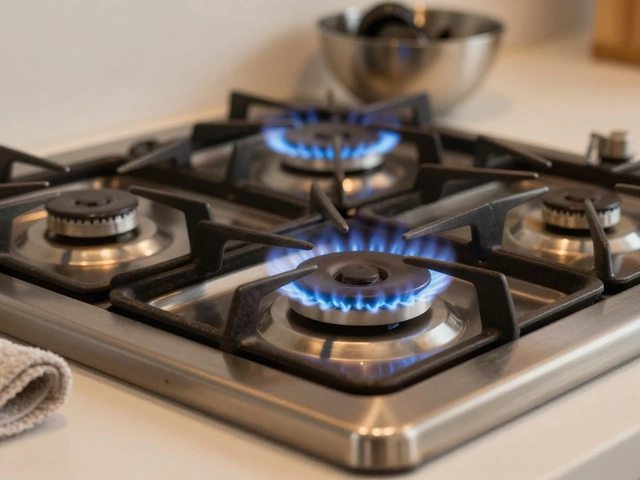
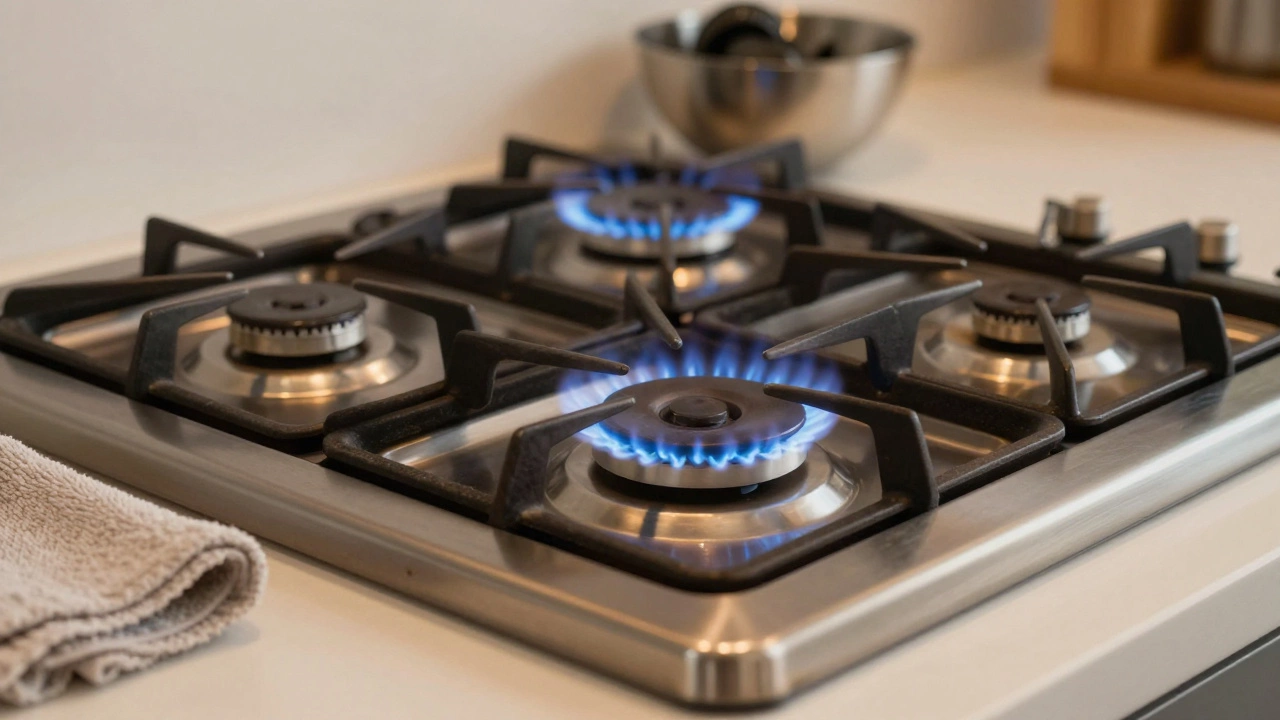
Gas Hobs: 15 to 20 Years With Care
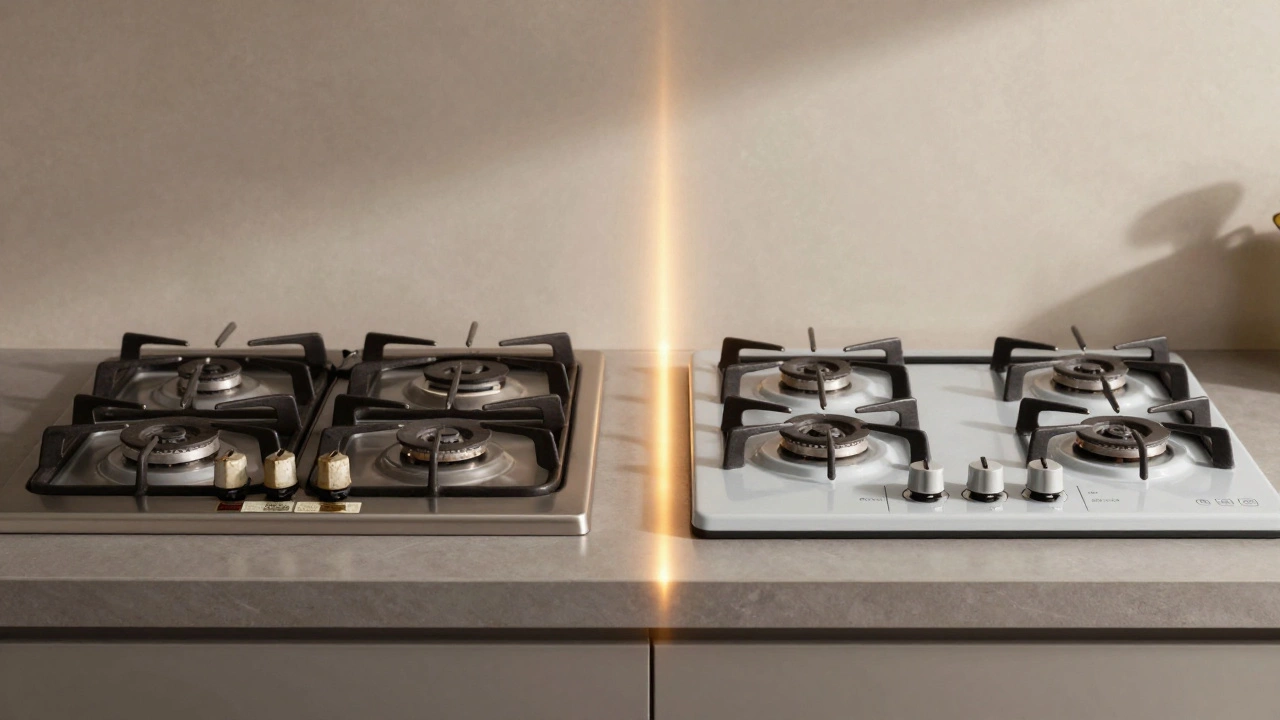
Gas hobs are the workhorses of most kitchens. They’re simple, durable, and easy to repair. A well-maintained gas hob can easily last 15 to 20 years. In fact, I’ve seen older models in Wellington homes that are still going strong after 25 years.
What makes them last? Clean burners. If you let grease and food debris build up around the burner caps and ports, the flame won’t ignite evenly. That leads to hot spots, uneven cooking, and eventually, burner failure. Replacing burner caps and cleaning the gas ports is cheap and easy-most DIYers can do it in under 30 minutes.
But if the control knobs are stiff, the ignition sparks weakly, or the flame turns yellow instead of blue, those are red flags. A yellow flame means incomplete combustion. That’s not just inefficient-it’s dangerous. Carbon monoxide buildup can happen. If you see that, don’t wait. Call a technician.
Electric Hobs: 10 to 15 Years, But Watch the Elements
Electric hobs, especially coil models, don’t last as long as gas. The heating elements themselves wear out. After 10 to 15 years, you’ll start seeing slow heating, inconsistent temperatures, or elements that won’t turn on at all.
Induction hobs are different. They use electromagnetic fields, not exposed coils. That means fewer moving parts and less direct heat stress. A good-quality induction hob can last 15 to 20 years too, but only if the control panel and cooling fans are kept clean. Dust buildup inside the electronics is the #1 killer of induction hobs.
One thing I’ve noticed in Wellington homes: salt air from the coast speeds up corrosion on electric elements. If you live near the sea, clean your hob weekly. Use a soft cloth and a mix of vinegar and water. Avoid abrasive cleaners-they scratch the surface and let moisture in.
Induction Hobs: High Tech, High Cost, But Long Lasting
Induction hobs are popular because they heat pots faster and cool down instantly. But they’re also more complex. The electronics inside-the inverter board, the cooling fan, the touch controls-are sensitive. A power surge, a spill, or even just years of steam exposure can fry them.
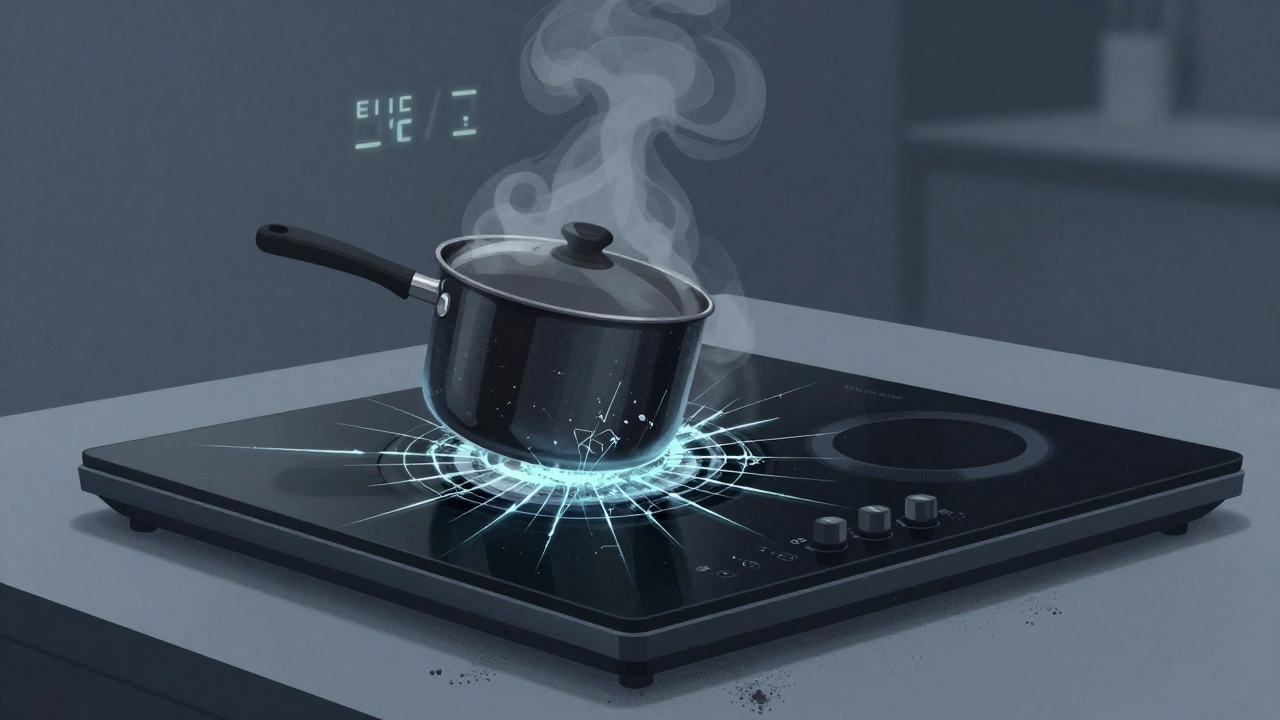
Most manufacturers warranty induction hobs for 2 to 5 years. But if you keep it clean, avoid slamming pots on the surface, and use cookware with flat bottoms, you can get 15+ years out of it. The glass surface rarely cracks unless you drop a heavy pot on it.
Here’s a tip: if your induction hob starts flickering or shows error codes like E1 or E2, don’t assume it’s dead. Nine times out of ten, it’s a faulty temperature sensor or a blocked fan. A technician can replace those parts for under $150. Replacing the whole hob? That’s $1,000+.
What Kills a Hob Faster?
It’s not age. It’s neglect.
- Leaving spills to bake on for days-this damages the surface and seeps into wiring
- Using metal scourers on ceramic or induction tops-scratches lead to cracks
- Ignoring faulty ignition or strange smells-those are early warnings
- Overloading circuits-running the hob and oven at max at the same time stresses the electrical system
- Using the wrong cookware-warped, uneven, or magnetic-free pots ruin induction performance
One client in Lower Hutt had a 12-year-old gas hob that stopped working. She thought it was time to replace it. We checked it: one of the burner valves was clogged with hardened grease. We cleaned it, replaced the valve for $85, and it’s been working fine for another 3 years. That’s $85 vs $1,200.
When to Repair vs Replace
Here’s a simple rule: if the repair cost is less than half the price of a new hob, fix it.
Let’s say you have a mid-range gas hob. New ones cost $800-$1,500. If a technician says the igniter needs replacing, that’s $120. Easy call. But if the control board is fried on an induction hob? That’s $400-$600. At that point, you’re halfway to a new unit.
Also, consider the age. If your hob is over 15 years old and needs a major repair, replacement is smarter. Older models use parts that are discontinued. You might fix it once, but the next problem won’t have a solution.
And don’t forget energy efficiency. A 20-year-old gas hob uses 30% more gas than a modern one. If your bills have been climbing, that’s a hidden cost.
How to Extend Your Hob’s Life
There’s no magic trick. Just consistent care.
- Wipe spills right away-don’t let them harden
- Clean burner caps and ports monthly (gas hobs)
- Use cookware that matches the size of the zone (prevents overheating)
- Don’t slam lids or pots on the surface
- Check for loose wiring or flickering lights near the hob-these signal electrical issues
- Have a technician inspect the gas line or electrical connections every 5 years
These steps take 10 minutes a month. But they can add 5 to 10 years to your hob’s life.
Signs It’s Time to Replace
Not every problem means you need a new hob. But here are the clear signs:
- Multiple components failing at once (e.g., burner + ignition + control panel)
- Cracked or warped surface-especially on induction or ceramic
- Smoke or burning smells when turned on
- Gas smell even when off-this is an emergency. Shut off the gas and call a pro
- Repair quotes exceed 50% of a new unit’s price
- Your hob is over 20 years old and no longer efficient
If you’re seeing two or more of these, replacement is the smarter move. Repairing a 25-year-old hob is like patching a leaky roof with duct tape.
What to Look for in a New Hob
If you’re replacing, here’s what to prioritize:
- Gas: Look for models with sealed burners-they’re easier to clean and last longer
- Electric: Choose ceramic with dual-zone elements-better for large pots
- Induction: Go for models with boost functions and auto-shutoff
- Always check the warranty-5 years on electronics is standard now
- Buy from brands with local service support (like Smeg, Bosch, or Electrolux)
Don’t get lured by cheap imports with no local repair network. You’ll regret it when the control panel fails and there’s no technician who can fix it.