Anode Rod Replacement Estimator
How long until you need a replacement?
Enter your water heater conditions to calculate when to replace your anode rod. This tool considers water hardness, temperature, anode material, and water quality.
Recommended Replacement Interval
Most people don’t think about their water heater until it stops working. By then, it’s often too late to save it. But one simple part-the anode rod-can keep your water heater alive for years longer than it should. Replacing it on time is one of the easiest and cheapest things you can do to avoid a flooded basement or a cold shower in winter.
What does the anode rod actually do?
The anode rod is a long metal stick, usually made of magnesium, aluminum, or zinc, that hangs inside your water heater tank. Its job isn’t to heat water. It’s to die for your tank.
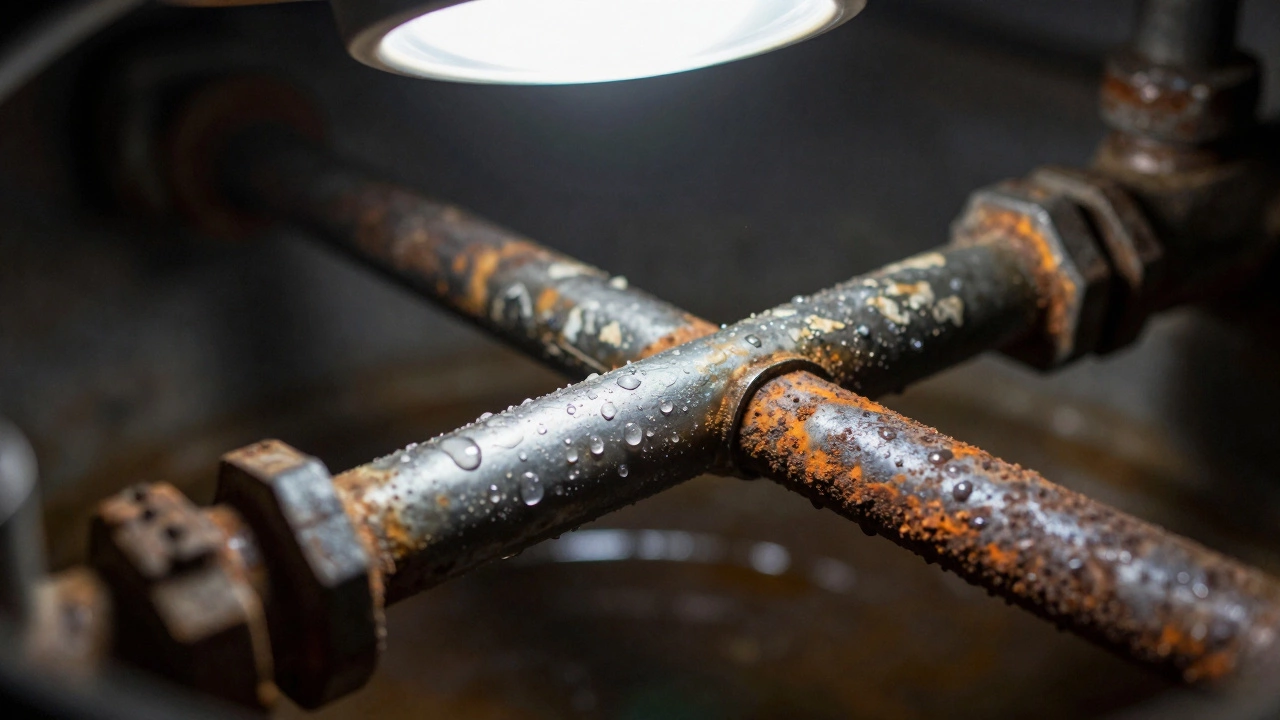
Water, especially hot water, is naturally corrosive. Over time, it eats away at the steel lining of the tank. The anode rod is designed to attract those corrosive elements instead. It sacrifices itself-literally-so your tank doesn’t have to. That’s why it’s called a sacrificial anode.
Think of it like a bodyguard. The rod takes the hits so the tank stays intact. When the rod wears down, the tank starts taking the damage. Once that happens, rust builds up inside, leading to leaks, strange smells, and eventually, a full tank failure.
How often should you replace the anode rod?
There’s no one-size-fits-all answer, but most experts agree: check it every 1 to 3 years, and replace it when it’s more than 50% worn down.
Here’s what actually affects how fast it wears:
- Water hardness: Hard water has more minerals. That speeds up corrosion. If you live in an area with hard water (like parts of Texas, Arizona, or the Midwest), your rod might last only 1-2 years.
- Water temperature: The hotter the water, the faster the chemical reactions. If your thermostat is set above 140°F, your rod will corrode quicker.
- Anode material: Magnesium rods wear faster than aluminum or zinc. Aluminum is common in areas with hard water. Zinc-coated rods are used when there’s a sulfur smell (rotten egg odor) in the water.
- Water quality: If your water has high levels of chlorine or other chemicals (common in municipal systems), it accelerates rod degradation.
Most manufacturers recommend replacing the anode rod every 3 to 5 years as a general rule. But if you’ve never checked yours, it’s probably already gone. A 10-year-old water heater with its original rod is a ticking time bomb.
How to check your anode rod
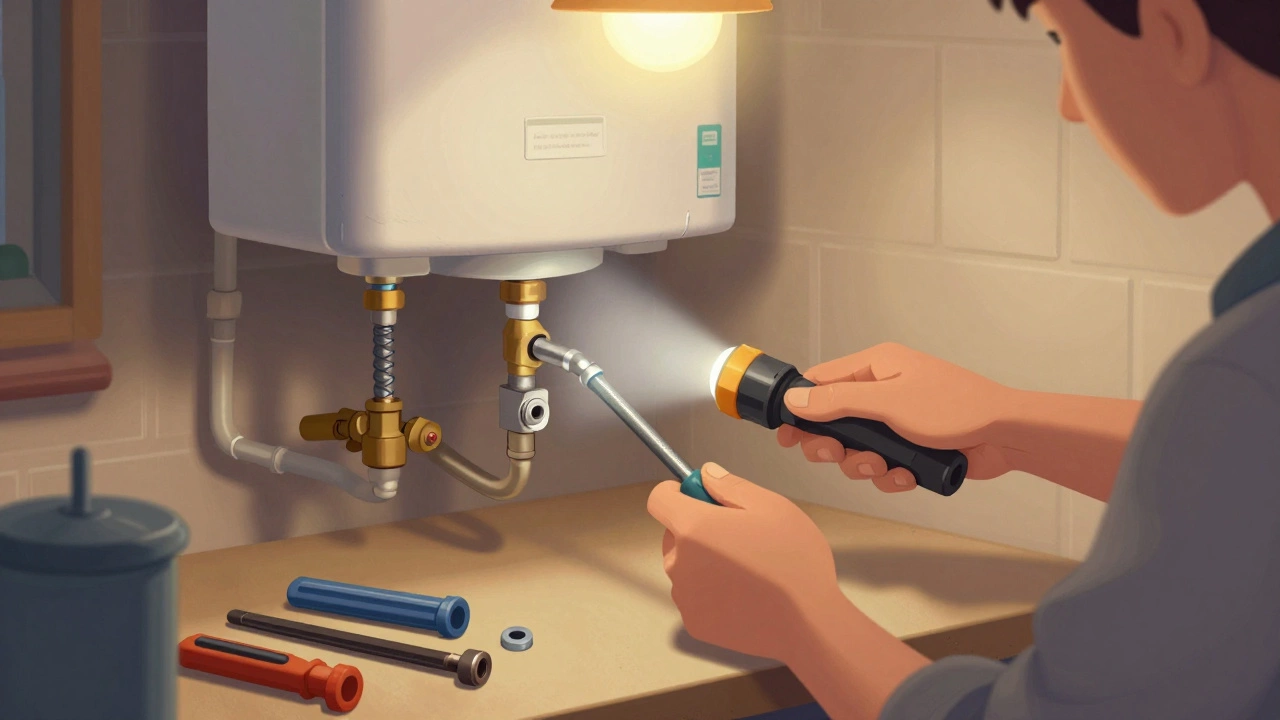
You don’t need to be a plumber. You just need a 1-1/4 inch socket wrench, a flashlight, and 20 minutes.
- Turn off the power or gas to the water heater. For electric, flip the breaker. For gas, turn the dial to "pilot."
- Shut off the cold water supply to the tank.
- Open a hot water faucet somewhere in the house to relieve pressure.
- Locate the anode rod. It’s usually on top of the tank, under a cap labeled "anode" or near the hot water outlet. Some are hidden under the temperature and pressure relief valve.
- Use the socket wrench to unscrew the rod. It might be stubborn-use a breaker bar if needed.
- Inspect it. If it’s thinner than a pencil, or if you see more than 6 inches of bare steel, it’s time to replace it.
If the rod is gone completely, your tank is already corroding. Replace the rod anyway-it won’t fix existing rust, but it’ll stop further damage.
What happens if you don’t replace it?
Ignoring the anode rod is like ignoring a check engine light. You might drive for months. Then, suddenly, the engine dies.
Here’s what you’ll face if you wait too long:
- Red or brown water: Rust from inside the tank flows out when you run hot water. It stains sinks, tubs, and clothes.
- Rotten egg smell: Sulfur bacteria feed on the leftover metal in a depleted anode rod. They produce hydrogen sulfide gas-the classic rotten egg odor.
- Noises: Pop, crackle, or rumbling sounds mean sediment has built up and is overheating against the tank bottom.
- Leaks: Once the tank rusts through, water starts dripping. A small leak can become a flood in hours.
- Complete failure: Water heater replacement costs $800-$2,000. Replacing the anode rod? $20-$50.
One homeowner in Ohio replaced his anode rod after 5 years. The next year, his neighbor’s water heater burst while they were on vacation. The resulting flood cost $25,000 in damages. His rod cost $35.
Which anode rod should you buy?
Not all rods are the same. Here’s what to pick:
| Type | Best For | Lifespan | Downsides |
|---|---|---|---|
| Magnesium | Soft water, general use | 3-5 years | Wears fastest; not good for hard water |
| Aluminum | Hard water, high mineral content | 5-7 years | Can leave sediment; may affect taste |
| Zinc (aluminum-zinc blend) | Rotten egg odor problems | 4-6 years | More expensive; only needed if smell is present |
If you’re unsure, aluminum is the safest default for most households. It lasts longer and handles hard water better. Avoid zinc unless you have a smell issue.
Can you remove the anode rod entirely?
No. And don’t even think about it.
Some people think removing the rod will give them more space or save money. But without it, your tank will corrode from the inside out. Even if your water is soft, the heat and oxygen in the tank will still attack the steel.
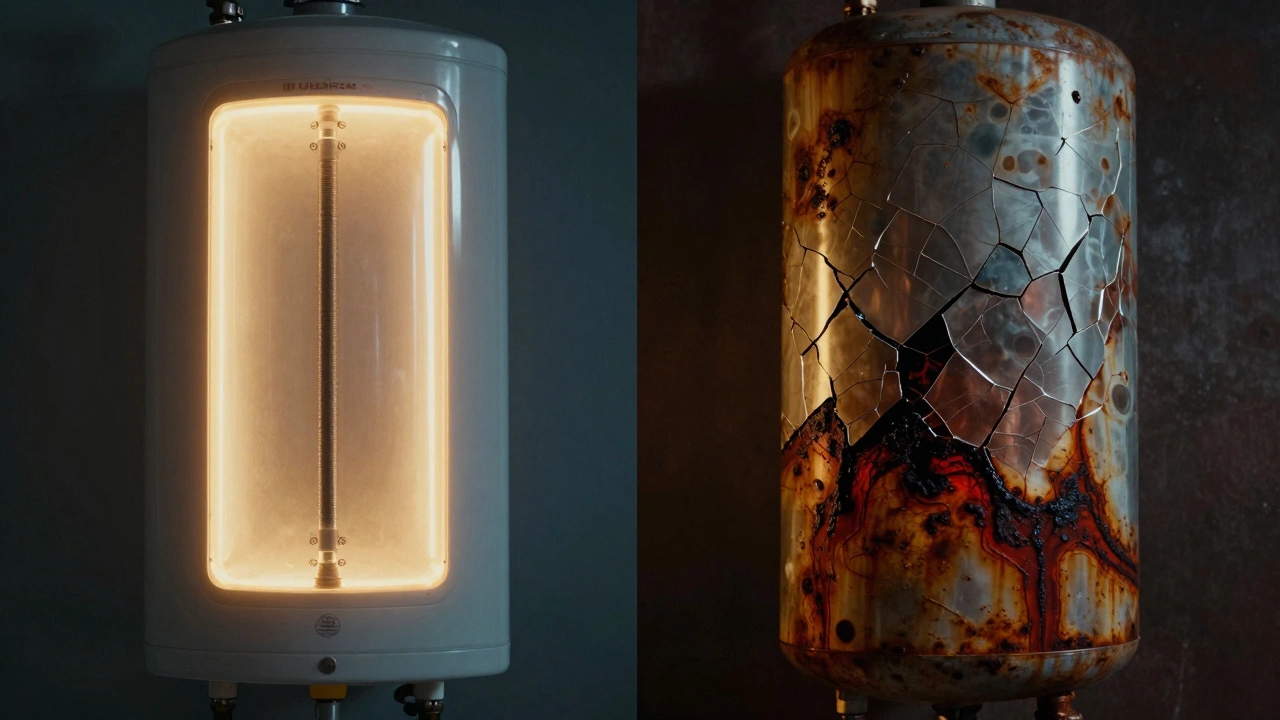
Water heater tanks are made of steel lined with glass. That glass can crack over time. If it does, water hits the steel-and without the anode rod, rust spreads fast. You’ll get a leak in months, not years.
There’s one exception: tankless water heaters. They don’t have storage tanks, so they don’t need an anode rod. But if you have a traditional tank-style heater, the rod is non-negotiable.
When to replace the whole water heater
Replacing the anode rod won’t fix a tank that’s already rusted through. So how do you know if it’s too late?
- Water is consistently discolored, even after flushing the tank
- There’s visible rust on the outside of the tank near the bottom
- The heater is over 8 years old and you’ve never replaced the rod
- You hear constant popping or see puddles under the unit
If any of these are true, replace the whole unit. No amount of rod replacement will save it. But if your tank is under 8 years old and you’ve been neglecting the rod, replacing it now could add another 5-10 years to its life.
Pro tip: Set a reminder
The average homeowner checks their anode rod once… if ever.
Set a calendar reminder on your phone: "Check anode rod" every 2 years. If you have hard water, set it for every year. It takes 20 minutes. It costs less than a pizza. And it could save you thousands.
Most water heater failures happen in winter. That’s when you need hot water the most-and when a leak is most destructive. Don’t wait until January to find out your heater’s dead. Check it in the fall, before the cold hits.