When you hear the word "appliance," what comes to mind? A refrigerator? A washing machine? Maybe a microwave? But what about the toilet? Is a toilet an appliance? It flushes, it uses water, it’s installed in your home, and when it breaks, you call someone to fix it. So why does it feel wrong to call it an appliance? The answer isn’t as simple as you might think.
What Defines an Appliance?
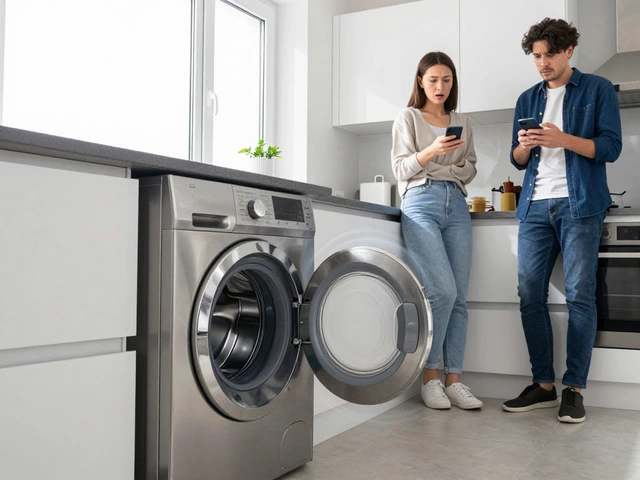
An appliance, in practical terms, is a device that performs a specific household function using electricity or gas. The key word here is device. It’s something you plug in, turn on, or ignite. It has moving parts, controls, and often a motor or heating element. Think of a dishwasher-it heats water, sprays it, drains it, and cycles through settings. That’s a clear appliance.
But not everything that makes life easier counts as one. A chair is functional. A window is functional. A sink is functional. None of those are appliances. So what separates a toilet from a dishwasher? The answer lies in how it’s built, how it’s powered, and how it’s regulated.
The Plumbing System vs. Electrical Appliances
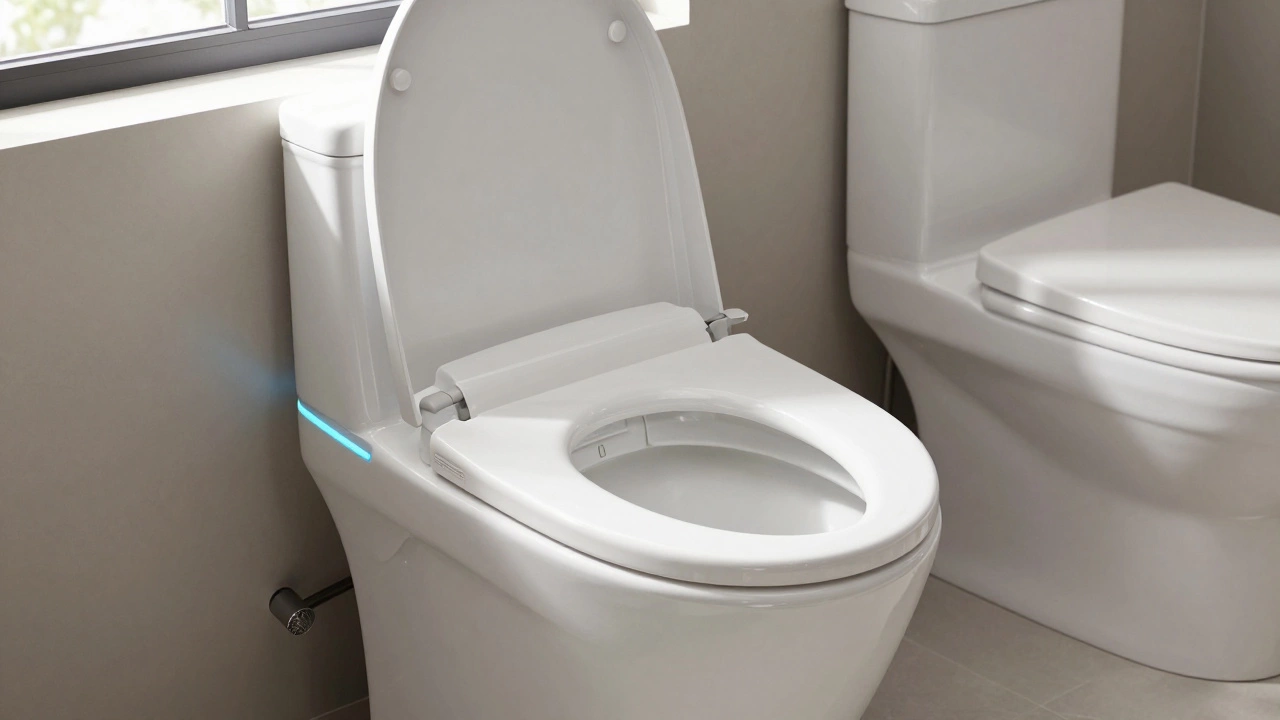
Toilets are part of your home’s plumbing system. They rely on gravity, water pressure, and mechanical valves-not electricity or gas. Even high-tech toilets with heated seats, bidets, or automatic lids still depend on plumbing as their core function. The electronic parts are add-ons, like a Bluetooth speaker on a bicycle.
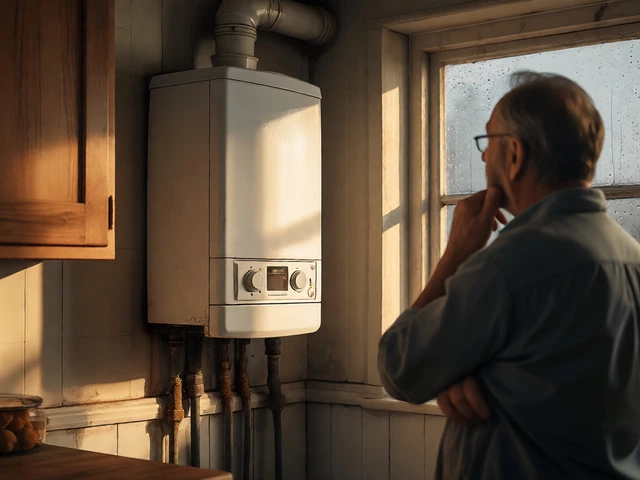
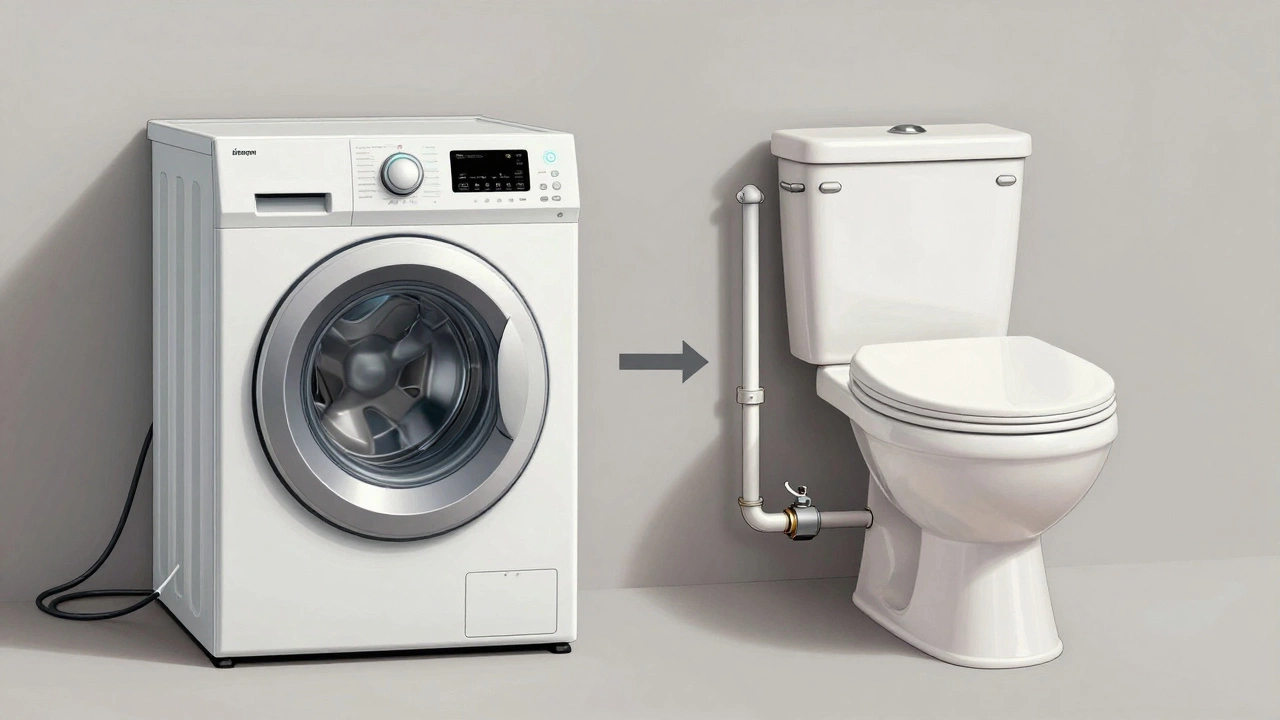
Compare that to a washing machine. It needs electricity to spin, heat water, and run a timer. A dishwasher uses electricity to pump water and dry dishes. A water heater uses gas or electric elements to raise the temperature of water. These are all appliances because they actively transform energy to perform a task.
A toilet? It just holds water, releases it, and lets gravity do the rest. No motor. No thermostat. No circuit board. Even in a smart toilet, the flushing mechanism is still a mechanical valve system. The fancy features are extras, not the core function.
Industry Standards Say No
Professional organizations and building codes don’t classify toilets as appliances. The International Residential Code (IRC) and the Uniform Plumbing Code (UPC) treat toilets as plumbing fixtures. Fixtures are permanent components connected to water and drainage systems. Appliances are separate, portable or installed units that use energy to operate.
When a plumber shows up to fix a leaking tank or a running flapper, they’re working on a plumbing fixture. When an appliance technician comes to replace a broken heating element in a water heater, they’re working on an appliance. The tools, training, and regulations are different.
Even appliance manufacturers don’t make toilets. Companies like Whirlpool, LG, or Bosch sell refrigerators, dryers, and dishwashers-not toilets. Toilet manufacturers like TOTO, Kohler, and American Standard operate in the plumbing fixture market, not the appliance market.
Why the Confusion?
So why do so many people think a toilet is an appliance? Because it behaves like one. When it breaks, it stops working. It’s essential. It’s in the bathroom. You can’t live without it. And you call someone to fix it. That feels like an appliance.
But so does a light switch. Or a smoke detector. Or a garage door opener. None of those are appliances either. The confusion comes from mixing up function with classification. Just because something is important doesn’t mean it’s an appliance.
Think of it this way: if you had to list every fixed item in your home, you’d have:
- Appliances: refrigerator, oven, dishwasher, washing machine, dryer, microwave, water heater
- Plumbing Fixtures: toilet, sink, bathtub, shower, faucet
- Other Fixed Items: light fixtures, cabinets, windows, doors
Each category has its own rules, repair methods, and professionals. Mixing them up leads to the wrong person being called, the wrong parts being ordered, and unnecessary delays.
What About Smart Toilets?
Let’s address the elephant in the bathroom: smart toilets. These models have heated seats, automatic lid opening, air dryers, deodorizers, and even Bluetooth connectivity. They look like appliances. They use electricity. They have buttons and sensors.
But here’s the catch: the core function-flushing waste and replacing water-is still entirely mechanical. The smart features are like the USB port on a toaster. They’re convenient, but they don’t change what the thing fundamentally is.
Even the most advanced smart toilet still relies on a gravity-fed flush, a fill valve, and a trapway. Those are plumbing components. The electronics are just an interface. That’s why smart toilets are still regulated under plumbing codes, not appliance safety standards like UL or CSA.
What Happens When It Breaks?
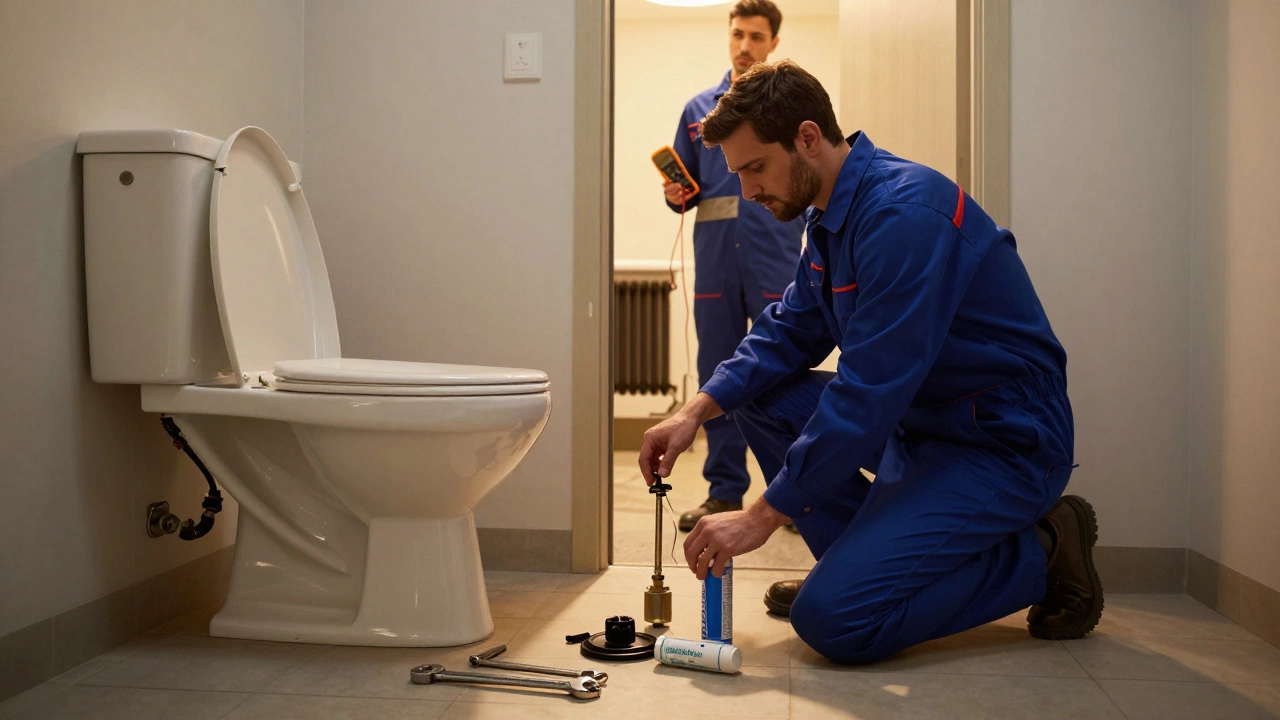
If your toilet won’t flush, you don’t call an appliance repair service. You call a plumber. If your refrigerator stops cooling, you call an appliance technician. The difference isn’t just semantics-it’s about training, tools, and liability.
Appliance technicians are licensed to work with electrical circuits, gas lines, and refrigerants. Plumbers are licensed to work with pipes, pressure systems, and drainage. Mixing the two can lead to code violations, water damage, or even electrical hazards.
There’s also a financial difference. Appliance repairs often come with warranties, parts lists, and manufacturer support. Plumbing repairs are based on labor, materials, and local codes. The billing, insurance claims, and replacement protocols are entirely different.
So, Is a Toilet an Appliance?
No. A toilet is not an appliance. It’s a plumbing fixture.
It’s not a matter of opinion. It’s a matter of engineering, regulation, and industry practice. Calling it an appliance might feel natural, but it’s misleading. It leads to confusion when you need help. It leads to the wrong person showing up. It leads to wasted time and money.
The next time someone asks, "Is a toilet an appliance?"-you can answer confidently: No. It’s a fixture. And knowing that difference matters when you’re dealing with a clog, a leak, or a broken flush mechanism.
Understanding what’s what in your home isn’t just trivia-it’s practical knowledge. It saves you from costly mistakes. It helps you communicate clearly with professionals. And it ensures your home stays safe and functional.
What Else Isn’t an Appliance?
While we’re clearing up confusion, here are a few other things people often mistake for appliances:
- Water heater: This one is an appliance. It uses energy to heat water. It’s often grouped with furnaces and AC units.
- Sink: Not an appliance. It’s a fixture. Same as a toilet.
- Garbage disposal: This is a gray area. It’s installed under the sink, but it uses electricity and has a motor. Most professionals classify it as an appliance because of its electrical function.
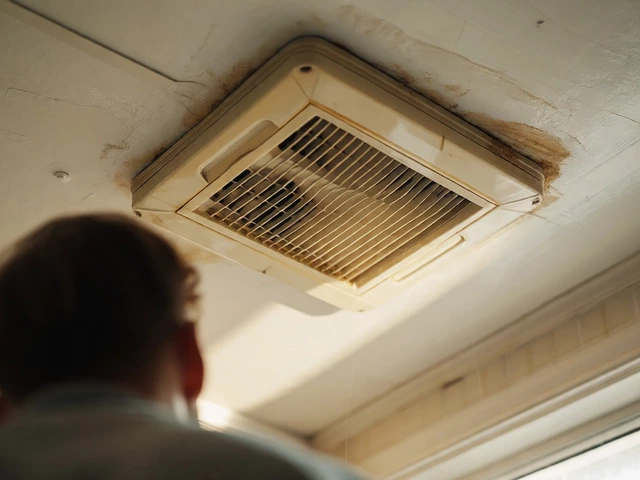
- Exhaust fan: If it’s built into the ceiling or wall and connected to ductwork, it’s a fixture. If it’s a standalone unit with a motor and plug, it’s an appliance.
When in doubt, ask: Does it use electricity or gas to perform its main job? If yes, it’s likely an appliance. If it just channels water or air, it’s a fixture.