Gas Oven Repair vs. Replace Decision Tool
Enter your oven's details below to get a personalized recommendation based on the "50% Rule" and safety guidelines.
Fill out the form to see if you should fix or replace your oven.
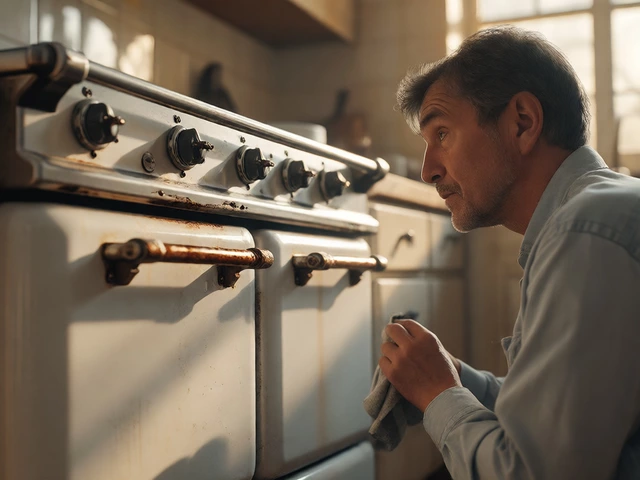
You’re standing in your kitchen, staring at the cold, stubborn gas oven that refuses to ignite. The burner clicks but doesn’t catch, or maybe it heats unevenly, burning the bottom of your roast while leaving the top raw. Your first instinct might be to call a technician, but then the second thought hits: is it worth fixing a gas oven, or should you just buy a new one?
This isn’t just about money. It’s about safety, convenience, and whether your current appliance is on its last legs or just needs a tune-up. In New Zealand, where energy costs fluctuate and housing stock varies from 1970s villas to modern builds, this decision requires looking at more than just the repair quote. Let’s break down exactly when to grab the screwdriver (or call the pro) and when to start browsing for replacements.
The 50% Rule: A Simple Financial Check
There’s a rule of thumb used by almost every appliance technician in Wellington and beyond: if the repair cost exceeds 50% of the price of a new equivalent model, replace it. But here’s the nuance most people miss-it’s not just about the sticker price of the new oven. You have to factor in installation costs, disposal fees, and potential electrical or gas line modifications.
For example, if a basic freestanding gas oven costs $800 NZD new, a $400 repair is borderline. But if that $400 repair involves replacing a main control board-a part known for failing repeatedly on certain brands-you might find yourself paying $400 again in two years. In that case, the "cheap" repair becomes expensive over time.
| Scenario | Recommended Action | Why? |
|---|---|---|
| Oven is under 5 years old | Fix it | Most components are still within their expected lifespan; parts are likely available. |
| Repair cost < $150 | Fix it | Minor fixes like igniters or thermostats are cheap and extend life significantly. |
| Oven is over 10 years old | Replace it | Efficiency drops, parts become scarce, and risk of secondary failure increases. |
| Main Control Board Failure | Replace it | High labor + high part cost often equals >50% of new unit value. |
| Rusted Interior/Cabinet | Replace it | Cosmetic rust leads to structural weakness and poor heat retention. |
Safety First: When You Must Stop Using It
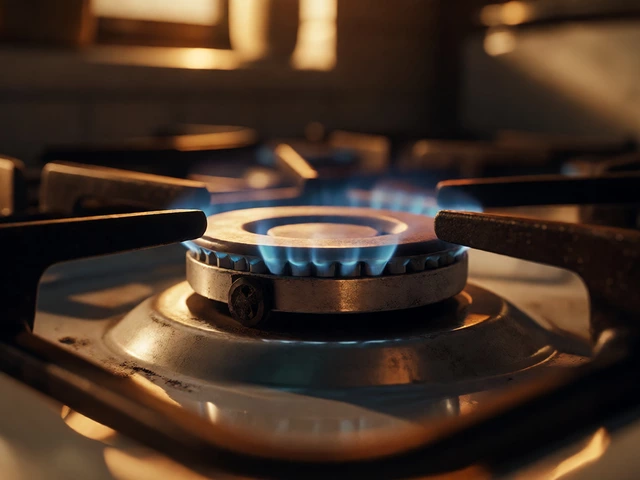
Gas appliances aren’t like electric kettles. If they fail, they don’t just stop working-they can leak carbon monoxide or natural gas. If you smell rotten eggs near the oven even when it’s off, or if the flame turns yellow instead of blue, stop using it immediately. These are signs of incomplete combustion or a leak.
Carbon Monoxide is a colorless, odorless gas produced by incomplete combustion of fossil fuels, which can be fatal in enclosed spaces. Unlike other repairs, safety-critical issues often justify higher repair costs because the alternative-replacing a perfectly functional oven due to fear-is wasteful, but ignoring the issue is dangerous.If the problem is a faulty thermocouple (the safety device that shuts off gas if the pilot light goes out), that’s a cheap fix, usually under $150 including labor. But if the burner assembly itself is cracked, you’re looking at a major repair. At that point, ask yourself: does the rest of the oven work well? If the door seals are leaking heat and the fan motor is whining, you’re throwing good money after bad.
Lifespan Expectations: How Long Should It Last?
Average gas ovens last between 10 and 15 years. This depends heavily on usage and maintenance. A family that cooks three times a day will wear out an oven faster than a couple who uses it once a week for Sunday roasts. However, there’s a difference between age and obsolescence.
In Wellington, many homes still have built-in ovens from the 1990s or early 2000s. These units were built with simpler mechanics-fewer electronic boards, fewer sensors. They are easier to repair but less energy-efficient. Modern ovens use convection fans and better insulation, cutting cooking times by 20-30%. If your old oven takes an hour to preheat while a new one takes 15 minutes, the energy savings alone might offset the replacement cost over five years.
- Built-in Ovens: Often last longer (15+ years) because they’re stationary and protected. However, removal and installation are complex and costly.
- Freestanding Ranges: Typically last 10-12 years. Moving them during house renovations can damage gas lines or electrical connections, shortening their life.
- Gas Cooktops: Separate cooktops often outlive their attached ovens. If only the oven fails, consider keeping the cooktop and buying a separate wall oven if space allows.
The Hidden Costs of Replacement
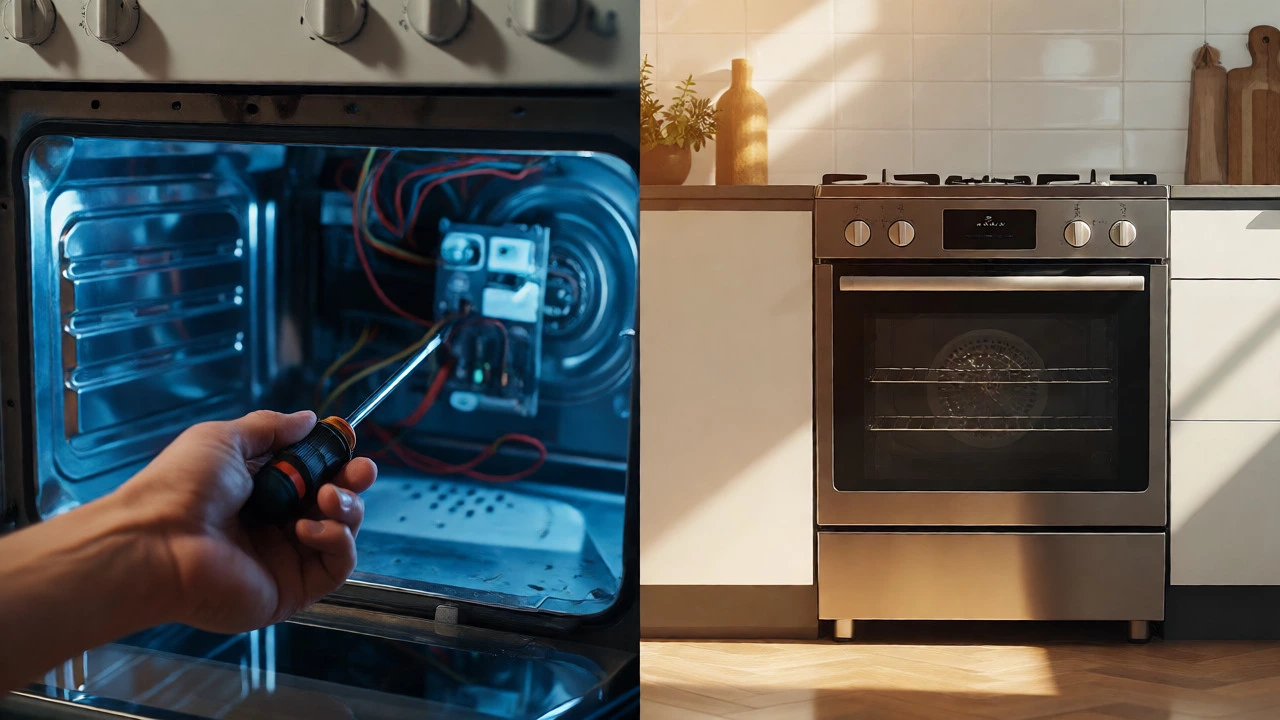
Buying a new oven isn’t just the retail price. Here’s what catches homeowners off guard:
- Disposal Fees: Some councils charge for bulky waste pickup, or you’ll pay a retailer to haul away the old unit ($50-$100).
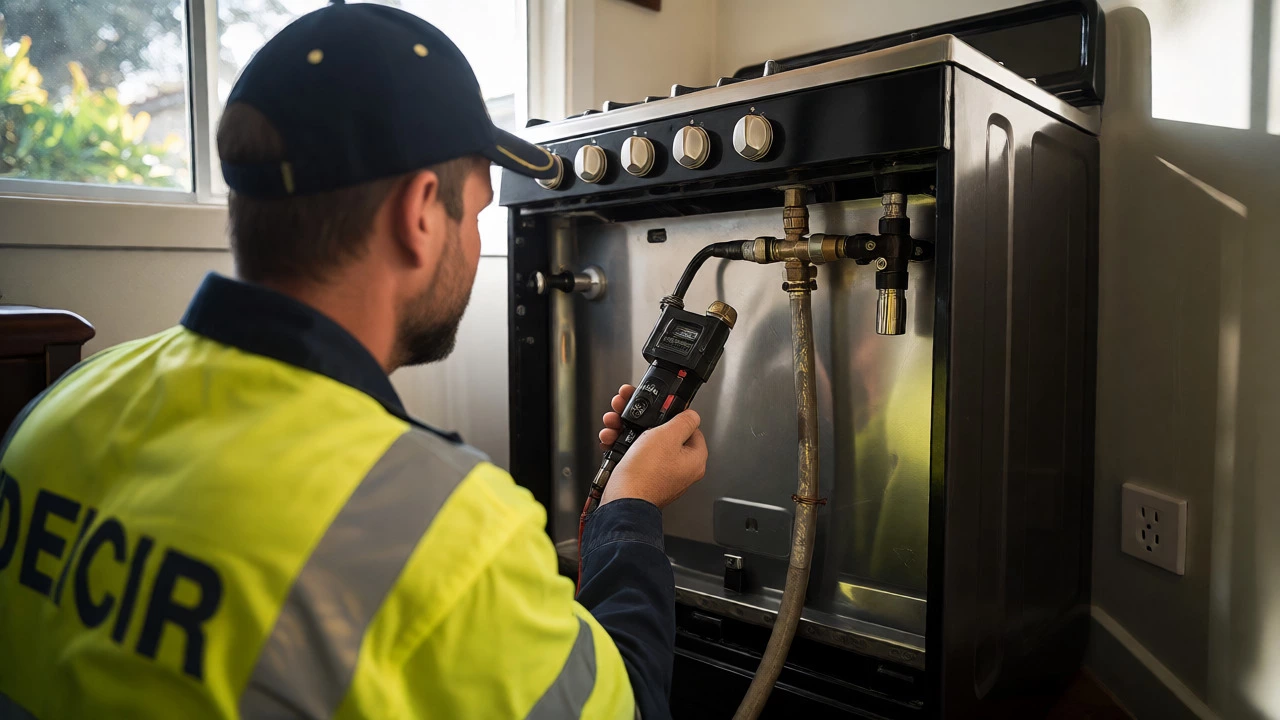
- Installation Labor: Connecting a gas oven requires a licensed gasfitter. In NZ, this is non-negotiable for compliance. Expect to pay $150-$250 for standard hookups.
- Electrical Upgrades: Modern ovens often need dedicated circuits or different plug types. If your old oven ran on a standard power outlet, the new one might require an electrician to upgrade the wiring.
- Cabinetry Adjustments: If you’re replacing a built-in oven, the new model might not fit the existing niche. Carpentry work adds up fast.
Compare these hidden costs against the repair quote. If the repair is $300 and the total replacement cost (unit + install + disposal) is $1,200, the math favors repair. But if the repair is $600 and the total replacement is $1,200, you’re essentially paying half the price of a new, efficient, warranty-backed machine for an old, inefficient one.
DIY vs. Professional: Can You Save Money?
Some fixes are DIY-friendly. Replacing a spark electrode or cleaning clogged burner ports can be done with a screwdriver and a vacuum. YouTube tutorials are plentiful. But gas work is tricky. If you loosen a fitting incorrectly, you create a leak. And remember: in New Zealand, you generally cannot legally connect gas appliances yourself unless you’re a registered gasfitter.
Here’s a quick breakdown of common repairs and who should do them:
- Igniter Replacement: DIY possible if you’re handy. Cost: $30-$50 part. Risk: Low.
- Thermostat Calibration: Best left to pros. Incorrect calibration ruins food and wastes gas. Cost: $100-$150.
- Gas Valve Replacement: Professional only. High risk of leaks. Cost: $200-$400.
- Control Board Swap: DIY risky due to diagnostics. Pros ensure compatibility. Cost: $300-$500.
If you attempt a DIY fix and fail, you’ll still pay the professional to clean up the mess, often at a premium rate because they now have to diagnose your attempted repair too.
When to Keep It: Sentimental and Practical Exceptions
Not all decisions are purely financial. Sometimes, keeping an old oven makes sense:
- Matching Appliances: If you have a matching vintage fridge and dishwasher, breaking the set might hurt resale value more than the oven’s inefficiency.
- Specialized Features: Does your old oven have a specific broiler element or rack configuration you love? New models often sacrifice utility for sleek looks.
- Upcoming Renovation: If you plan to remodel the kitchen in six months, don’t invest in a new oven. Patch the current one until the big project starts.
Conversely, if you’re selling your home soon, a broken oven is a red flag for buyers. A working, modern oven can add perceived value and speed up the sale. In this case, replacement might be a marketing expense rather than a household cost.
Final Verdict: Making the Call
So, is it worth fixing your gas oven? Use this checklist before calling anyone:
- Is the oven under 10 years old? Yes → Fix.
- Is the repair quote under $200? Yes → Fix.
- Are there multiple failures (e.g., igniter AND thermostat)? Yes → Replace.
- Do you see rust inside the cavity? Yes → Replace.
- Is the oven making strange noises or smelling odd? Yes → Inspect immediately, likely Replace.
Remember, a gas oven is a significant investment. Don’t let a small repair bill scare you into spending thousands unnecessarily, but don’t throw good money after bad trying to revive a dying machine. When in doubt, get a second opinion from a different licensed gasfitter. Their diagnostic fee is small compared to the peace of mind knowing you made the right choice.
How much does it cost to fix a gas oven?
In New Zealand, minor repairs like igniter or thermostat replacement typically range from $150 to $250, including call-out fees. Major repairs involving control boards or gas valves can cost $300 to $500. Always ask for a written quote before authorizing work.
Can I use my gas oven if it smells like gas?
No. A persistent gas smell indicates a leak or incomplete combustion. Turn off the gas supply to the oven, ventilate the area, and contact a licensed gasfitter immediately. Do not use electrical switches or open flames nearby.
How long do gas oven igniters last?
Igniters typically last 5 to 10 years depending on usage frequency. If your oven clicks but doesn't light, the igniter may be weak or broken. Replacement is relatively inexpensive and often extends the oven's life by several years.
Is it cheaper to repair or replace a built-in oven?
Built-in ovens are harder to replace due to cabinetry requirements, so repair is often favored unless the unit is very old. However, if the repair cost exceeds 50% of the new unit's price plus installation complexity, replacement is usually more economical in the long run due to improved efficiency and warranty coverage.
What are the signs my gas oven is dying?
Key signs include uneven heating, frequent ignition failures, excessive soot buildup, loud banging noises during operation, and visible rust or corrosion inside the cavity. If multiple issues occur simultaneously, replacement is recommended.