Electric Oven Not Working? Here’s What’s Likely Wrong and How to Fix It
When your electric oven, a household appliance that uses electrical current to generate heat for cooking. Also known as electric range, it’s one of the most relied-on tools in the kitchen stops working, it’s not always a sign you need a brand-new unit. More often than not, it’s a single part that’s failed—something you can diagnose and sometimes fix yourself. Many people assume a broken oven means a big expense, but the truth is, electric oven not working issues are usually straightforward once you know where to look.
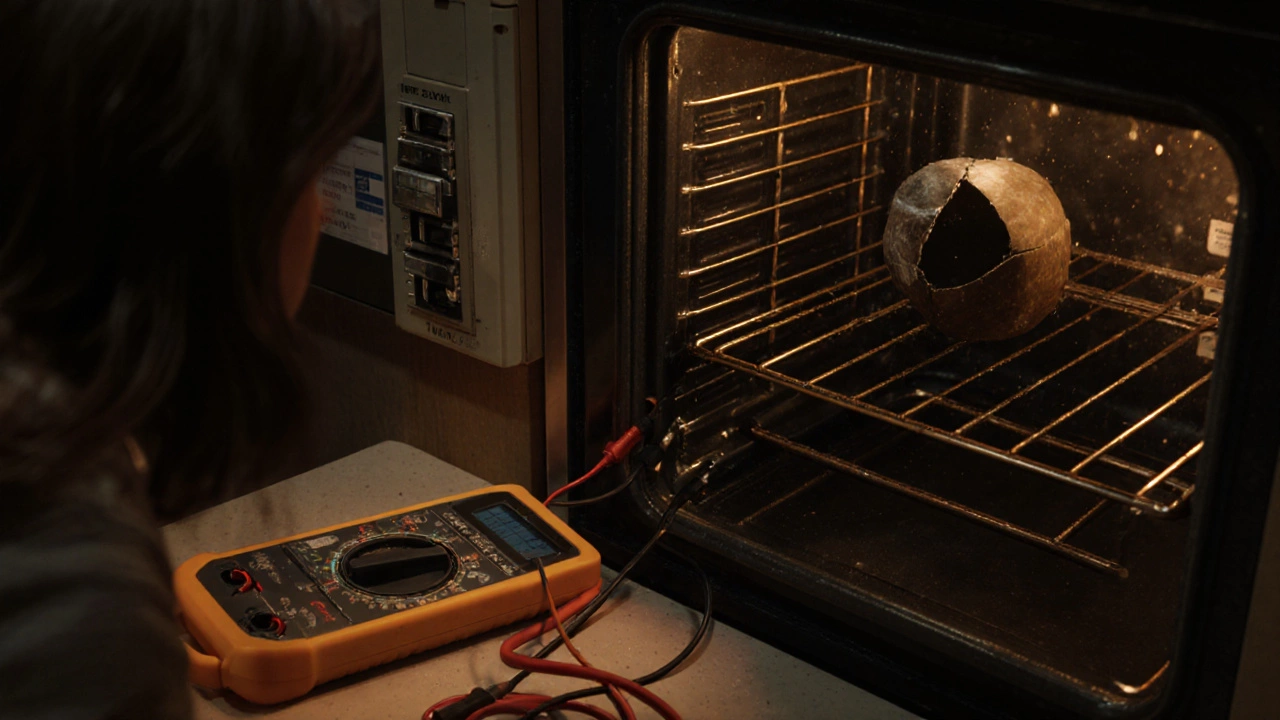
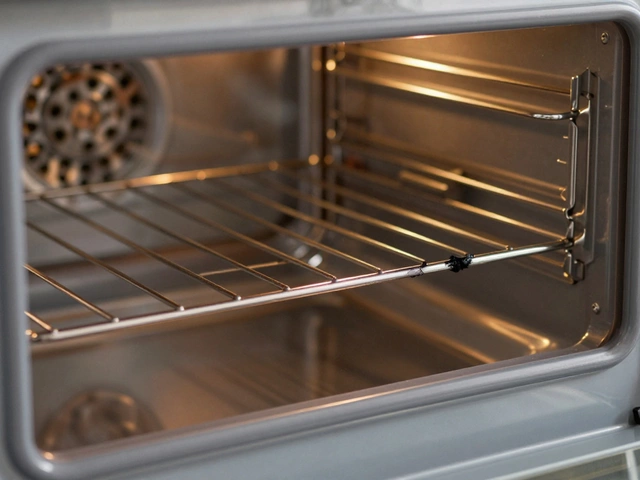
The most common culprit is a burned-out oven element, the heating coil inside the oven that glows red when powered. If the top or bottom element isn’t glowing at all, it’s likely dead. You can test it with a multimeter in minutes. Another frequent problem is a faulty thermostat, the control that regulates oven temperature. If your oven heats unevenly or doesn’t reach the right temperature, the thermostat might be misreading or stuck. And don’t overlook the oven control board, the digital brain that sends power to the elements and displays error codes. A glitch here can make the oven seem completely dead—even if the power is fine.
Some people think an electrician is the right person to call, but most electricians don’t work on appliance internals. You need a trained appliance repair technician, a specialist trained to fix household appliances like ovens, fridges, and dishwashers who knows how to safely open the unit, test components, and replace parts without causing more damage. A lot of the time, replacing just the element or thermostat costs less than half of a new oven—and it’s better for the planet too.
Age matters. If your oven is over 15 years old, parts may be harder to find, and energy efficiency drops significantly. But if it’s under 10 years and still heats well otherwise, a repair is almost always worth it. Check the error codes on the display—modern ovens often flash a code like F1 or E3 that tells you exactly what’s wrong. Even if you don’t know what it means, writing it down helps a technician diagnose faster.
Before you call anyone, unplug the oven and check the circuit breaker. Sometimes, it’s not the oven at all—it’s just a tripped breaker or a loose plug. A quick reset can save you a service call. If the oven still doesn’t work, start with the element. It’s the easiest part to inspect and replace. You don’t need to be a pro—just follow a guide, take a photo of the wiring before you disconnect it, and match the part number exactly.
Below, you’ll find real fixes from people who’ve been there—step-by-step guides on testing elements, reading error codes, deciding when to repair or replace, and even how to spot a fake repair quote. Whether your oven’s 2 years old or 20, there’s a solution here that fits your situation.
18 November 2025
·
0 Comments
Your electric oven suddenly stopped working? It could be a tripped breaker, burnt heating element, or faulty sensor. Learn the most common causes and how to fix them yourself - no technician needed.
Read more