Oven Repair vs Replacement: When to Fix It or Buy New
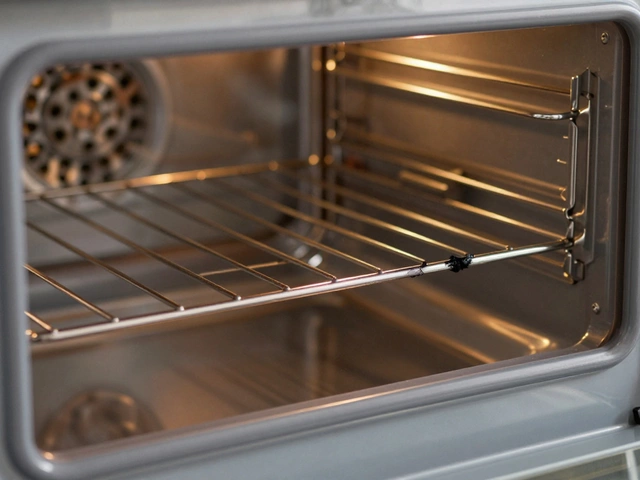
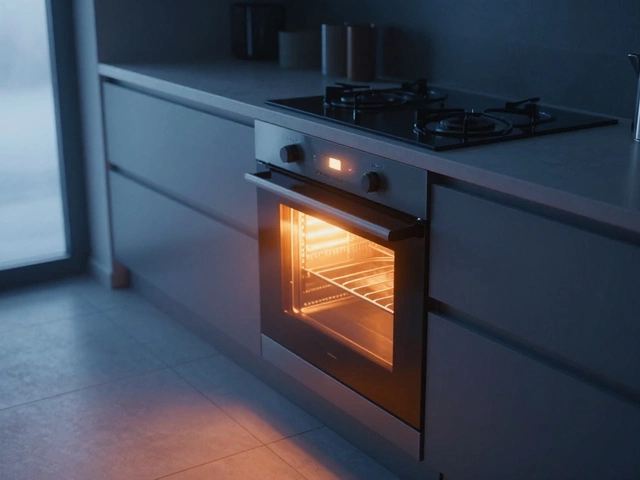
When your oven, a key appliance in most kitchens that heats food using electric or gas elements. Also known as a cooker, it’s one of the most used appliances in the home. stops working, you’re faced with a simple but costly question: repair or replace? It’s not just about price—it’s about safety, efficiency, and how long you’ll actually get out of the fix. Many people assume replacing an oven is the expensive option, but a bad repair can cost more in the long run—especially if the unit is already near the end of its life.
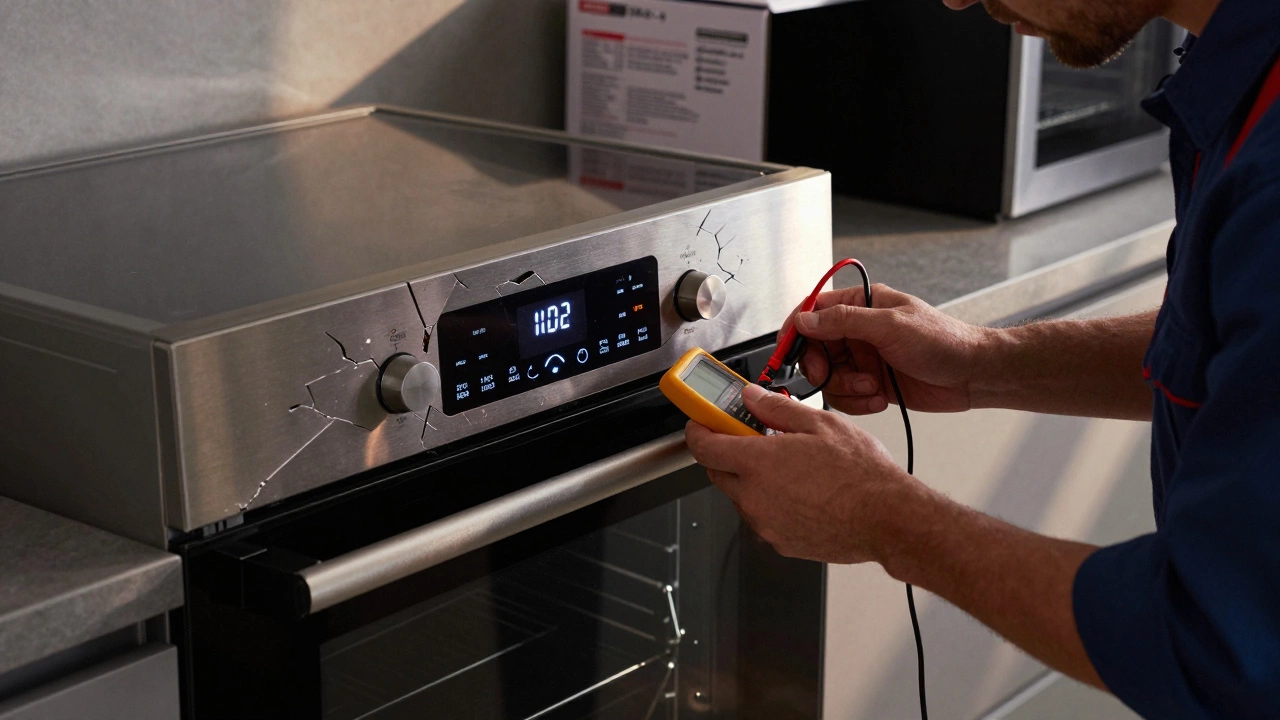
Oven repair, the process of fixing broken components like heating elements, control boards, or thermostats. makes sense if your oven is under 8 years old and the issue is a single part failure. Replacing a heating element? That’s often under $150. Fixing a faulty control board? Around $300, including labor. But if your oven is 10 years or older, those repairs start adding up fast—and you’re just delaying the inevitable. Older ovens also use more energy, don’t heat evenly, and lack modern safety features like auto-shutoff or child locks. That’s where oven replacement, the act of installing a new oven to restore full cooking function. becomes the smarter move. A new oven can cut your energy bill by 20-30%, and modern models come with better warranties and smarter tech.
Here’s what really tips the scale: if your oven needs two or more repairs in the last year, or if the cost to fix it is more than half the price of a new one, walk away. You’re not saving money—you’re throwing cash into a sinking ship. And don’t ignore the small signs: uneven baking, strange smells, error codes that won’t clear, or a door that doesn’t seal. These aren’t just inconveniences—they’re warnings. The average oven lasts 13 to 15 years. If yours is hitting that mark, even a simple fix might not be worth it.
Some people think an electrician can fix any oven problem. But most oven issues aren’t electrical wiring—they’re internal components like sensors, igniters, or the control panel. That’s why you need an appliance technician who’s trained on oven models, not just circuits. Calling the wrong pro can cost you time and money. And if you’re renting, check your lease: landlords often cover repairs, but not replacements unless the unit is beyond repair.
What you’ll find below isn’t just theory. These posts are built from real repair data, customer stories, and cost breakdowns from kitchens across Hinckley. You’ll see which oven brands break down the most, how much control board replacements actually cost, and the six clear signs your oven is ready for retirement. You’ll also learn why fixing a 10-year-old oven might feel like a good idea—but rarely is. This isn’t about pushing you to buy new. It’s about helping you make the right call so you don’t end up with a broken oven, a full fridge, and no dinner.
4 December 2025
·
0 Comments
Deciding whether to repair or replace your electric oven? Learn the real costs, common issues, and when to walk away in 2025. Save money and avoid dangerous fixes with this practical guide.
Read more