Tenant Boiler Care: What You Need to Know for Safe, Efficient Heating
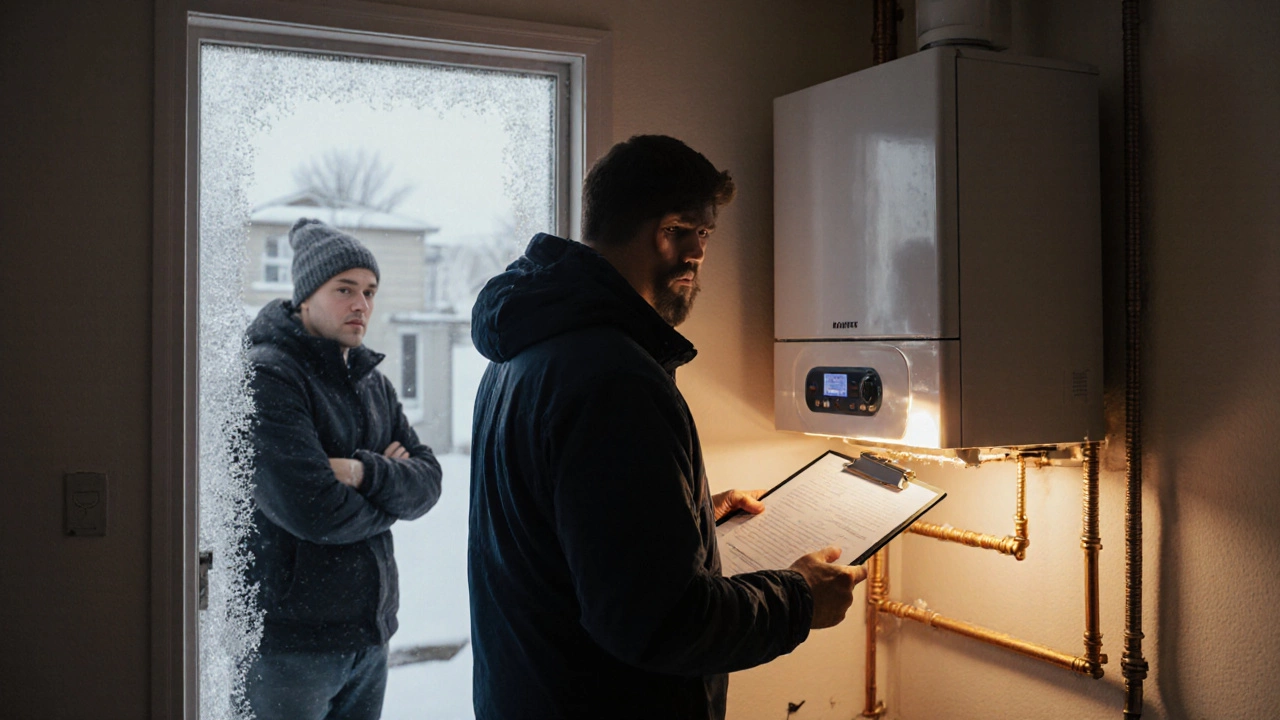
When you're renting, your boiler, a gas appliance that heats water and provides central heating. Also known as a central heating system, it's one of the most critical parts of your home—and often the most misunderstood. Many tenants assume boilers are the landlord’s problem only. But the truth? Your daily habits directly affect how long it lasts, how safe it is, and how much it costs to run. A boiler isn’t just a box on the wall. It’s a gas appliance that needs regular attention, and ignoring it can lead to breakdowns, high bills, or even dangerous carbon monoxide leaks.
Most boilers last between 10 and 15 years, but that’s only if they’re looked after. Boiler service checklist, a set of essential inspections performed by a Gas Safe registered engineer isn’t optional—it’s legally required for landlords every year. But you don’t need to wait for them. Simple things like bleeding radiators, checking for leaks, and keeping vents clear can prevent big issues. If your boiler is making strange noises, losing pressure, or not heating evenly, it’s not just annoying—it’s a sign something’s wrong. And if you’re in a rented property, you have rights. Your landlord must ensure the boiler is safe and working. But you’re responsible for basic care: don’t block airflow, don’t cover the boiler, and report problems fast.
Knowing the difference between a minor hiccup and a serious fault saves time and money. A boiler losing pressure might just need a quick reset. A pilot light that won’t stay lit? Could be a faulty thermocouple. But if you smell gas or see black soot around the boiler, turn it off immediately and call a professional. Gas appliance lifespan, how long heating systems last under normal use depends heavily on maintenance. A well-cared-for boiler can outlast its warranty by years. A neglected one might die in five. And when it comes to boiler service cost, the average price for an annual check-up in the UK, you’re looking at £80 to £120. That’s less than a month’s heating bill—and it could prevent a £2,000 repair.
There’s no magic trick to boiler care. It’s about consistency. Check the pressure once a month. Listen for unusual sounds. Keep the area around it clean and uncluttered. Know where the emergency shut-off is. And never try to fix gas parts yourself—unless you’re qualified, it’s illegal and dangerous. The posts below give you real, step-by-step advice on what to look for, what to do when things go wrong, and how to tell if your boiler is nearing the end of its life. Whether you’re dealing with a noisy radiator, a pilot light that won’t stay on, or just want to understand your boiler better, you’ll find practical help here—no jargon, no fluff, just what actually works.
17 November 2025
·
0 Comments
Who pays for boiler maintenance? Landlords cover repairs in rentals, homeowners pay out of pocket, and insurance only helps if you added the right coverage. Know your rights and avoid costly mistakes.
Read more