Water Heater Sediment: Causes, Fixes, and How to Prevent Damage
When water heater sediment, mineral deposits like calcium and magnesium that settle at the bottom of the tank over time. Also known as tank scale, it’s the silent killer of water heaters—slowly eating away at efficiency and lifespan. If you’ve noticed your hot water runs out faster, your heater makes banging noises, or your bills keep climbing, sediment is likely the culprit.
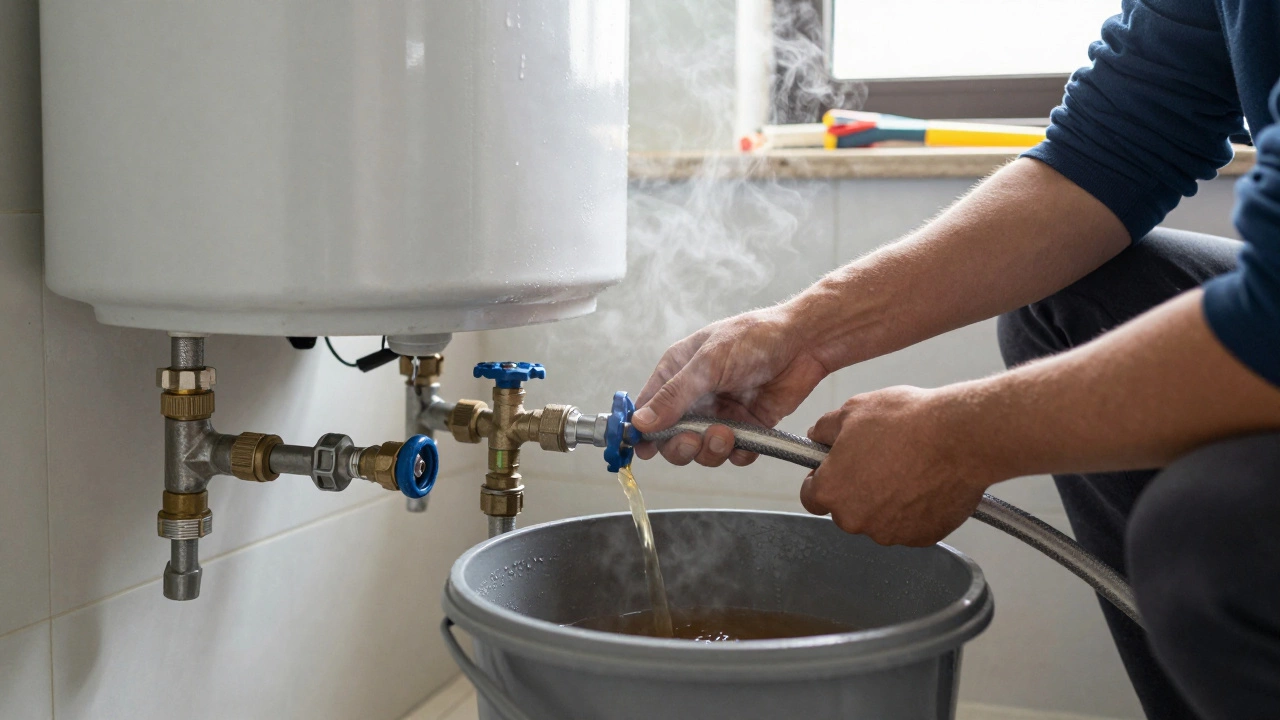
This isn’t just dirt. It’s hardened minerals from hard water that cling to the tank’s base, acting like insulation between the heating element and the water. That means your heater has to work twice as hard, using more electricity or gas to heat the same amount of water. Over time, this strain cracks the tank lining, causes leaks, and kills the heating element. A 10-year-old water heater with heavy sediment might only have two years left—unless you flush it. Regular flushing every 6 to 12 months can double its life. And yes, it’s something you can do yourself with a garden hose and 30 minutes of time.
Related to this is the anode rod, a magnesium or aluminum rod that sacrifices itself to protect the tank from rust. Also called a sacrificial anode, it’s your water heater’s first line of defense. When the anode rod wears out, the tank starts corroding from the inside. That’s why replacing it every 1–3 years stops rust before it starts. Sediment and a dead anode rod? That’s a one-two punch. Most people don’t check either until their heater leaks—and then it’s too late.
You’ll find posts below that break down exactly how to flush sediment, when to replace the anode rod, and how to tell if your heater’s done for good. Some of these fixes take under an hour. Others help you avoid a $1,200 replacement bill. We’ve pulled real repair data, common mistakes, and simple steps so you don’t waste time or money guessing. No fluff. Just what works.
4 December 2025
·
0 Comments
Flushing your water heater removes sediment buildup that reduces efficiency and shortens lifespan. Learn the difference between draining and flushing, when to do it, and how to do it safely to extend your heater's life.
Read more