
Most people don’t think about how long their cooker will last until it stops working. Then it’s too late. You’re left scrambling for a replacement, cooking on a portable burner, or paying for an emergency repair. The truth? A typical cooker lasts between 10 and 15 years. But that’s not a guarantee. Some fail after 6 years. Others keep going past 20. What makes the difference?
What Actually Determines a Cooker’s Lifespan?
It’s not just about the brand. A cooker’s life depends on how often it’s used, how well it’s cleaned, and whether small problems get ignored. A family of four using the oven daily will wear it out faster than a single person who bakes once a month. But even light use won’t save a cooker if it’s never cleaned. Grease buildup around the burners causes overheating. Dust in the fan motor leads to premature failure. These aren’t big accidents-they’re slow leaks of reliability.
Manufacturers test cookers under ideal conditions. In real homes, power surges, moisture from steam, and improper ventilation chip away at components. The heating element might be rated for 10,000 cycles, but if you’re turning the oven on and off five times a day, that’s 1,825 cycles a year. In five years, you’ve used it nearly halfway to its limit. Add a power spike from a storm, and that element can fail early.
Signs Your Cooker Is Approaching End of Life
You don’t need to wait for it to die completely. Watch for these red flags:
- Uneven cooking - Food burns on one side, raw on the other. This usually means the heating element is failing or the thermostat is inaccurate.
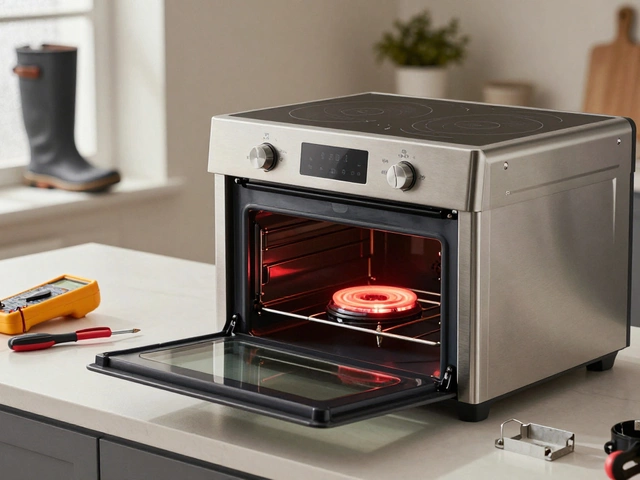
- Longer preheating times - If it takes 25 minutes to hit 180°C instead of 12, the element is losing power.
- Strange noises - Loud clicking, buzzing, or grinding from the fan or motor means bearings are worn or debris is caught.
- Control panel glitches - Buttons that don’t respond, displays that flicker, or settings that reset on their own. This often points to a failing control board.
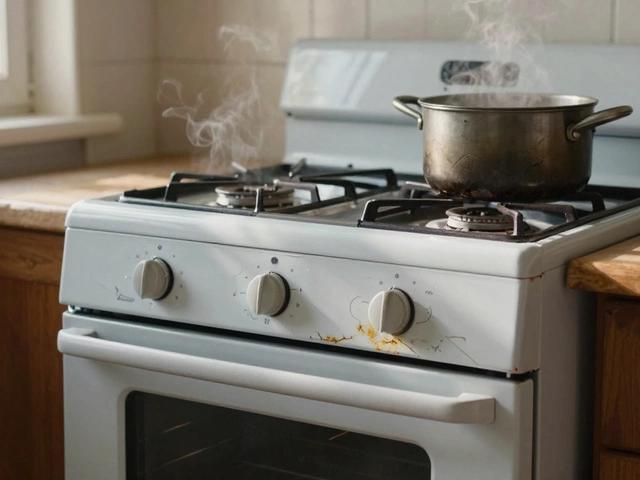
- Visible damage - Cracked enamel, rusted burners, or frayed wires. These aren’t just cosmetic. They’re safety risks.
One homeowner in Christchurch replaced her cooker after 14 years because the oven door no longer sealed properly. She noticed her biscuits were always undercooked, even when the timer said they were done. A technician found the door hinge had warped over time, letting heat escape. She thought it was just a bad batch of baking powder. It wasn’t.
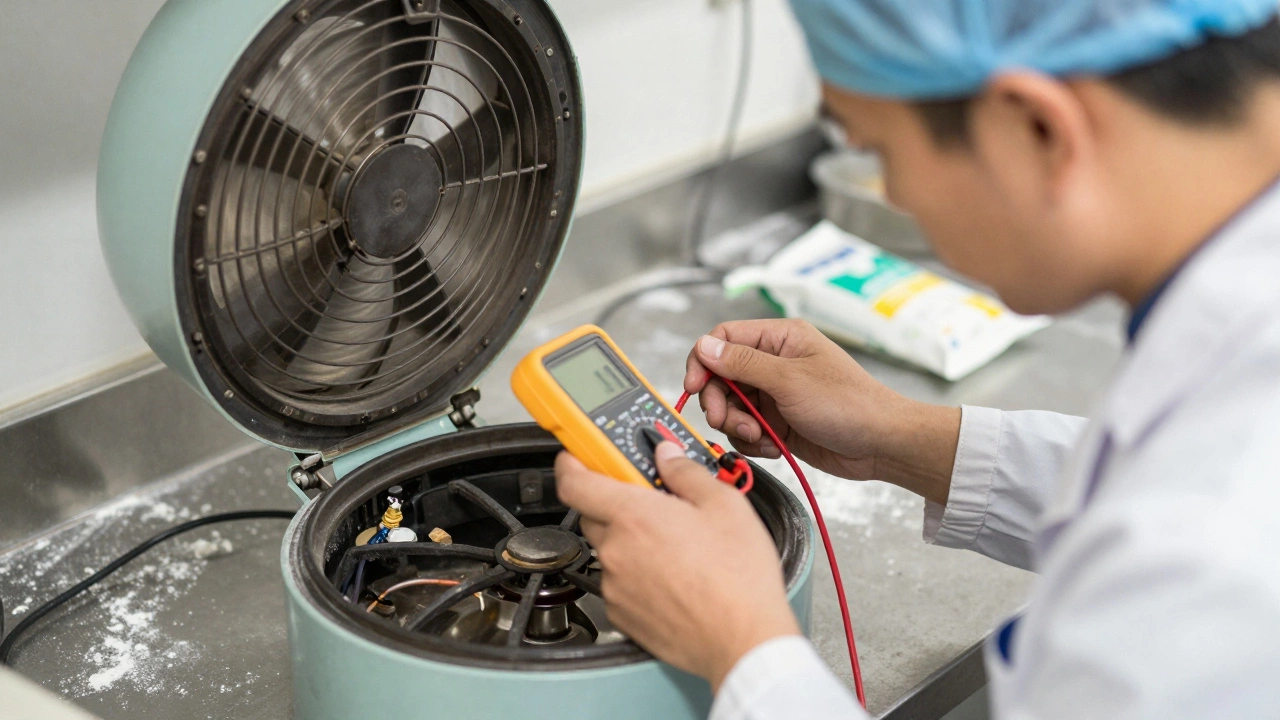
Repair vs. Replace: When Does It Make Sense?
Many people assume repairing an old cooker is always cheaper. That’s not true. Here’s a simple rule: if the repair costs more than half the price of a new cooker, walk away.
Common repairs and their typical costs (as of 2025):
| Repair | Average Cost | Expected Lifespan After Repair |
|---|---|---|
| Heating Element Replacement | $120-$180 | 2-5 years |
| Thermostat Replacement | $100-$150 | 3-7 years |
| Control Board Repair | $250-$400 | 1-3 years |
| Fan Motor Replacement | $180-$280 | 3-6 years |
| Door Seal Replacement | $60-$100 | 5-8 years |
If your cooker is 12 years old and needs a control board fix, you’re spending $300 to get maybe two more years out of it. A new mid-range cooker costs $700-$900. That’s a better investment. New models are 30% more energy efficient. They have better safety features. And you won’t be calling a technician every six months.
How to Make Your Cooker Last Longer
There’s no magic trick. But there are habits that add years:
- Clean spills immediately - Burnt-on food turns into carbon, which insulates heating elements and forces them to work harder.
- Check the door seal yearly - Run a piece of paper between the door and frame. If it pulls out easily, the seal is worn. Replace it before heat escapes.
- Don’t overload the oven - Blocking airflow forces the fan to overwork. Leave space around baking trays.
- Use the right cookware - Cast iron or heavy-bottomed pots distribute heat evenly. Thin pans cause hot spots that stress the element.
- Run the extractor fan while cooking - Steam and grease don’t just go up. They settle into the cooker’s vents and electronics. A good extractor cuts moisture buildup by 70%.
One Wellington couple cleaned their oven every month and replaced the door seal every three years. Their cooker lasted 19 years. They didn’t upgrade because it still worked perfectly. They didn’t need to.
What Happens When a Cooker Dies?
Old cookers don’t just stop. They become hazards. A cracked heating element can spark. A faulty thermostat can overheat and melt internal wiring. Even if it still turns on, it’s not safe. Insurance companies in New Zealand have seen a 17% rise in appliance-related fires since 2020 - most involving cookers over 12 years old.
Recycling is an option. Most councils in New Zealand accept old appliances for free. Some even offer a small rebate if you buy a new energy-efficient model. Check your local council’s website. Don’t just leave it by the curb. It’s illegal in many areas.
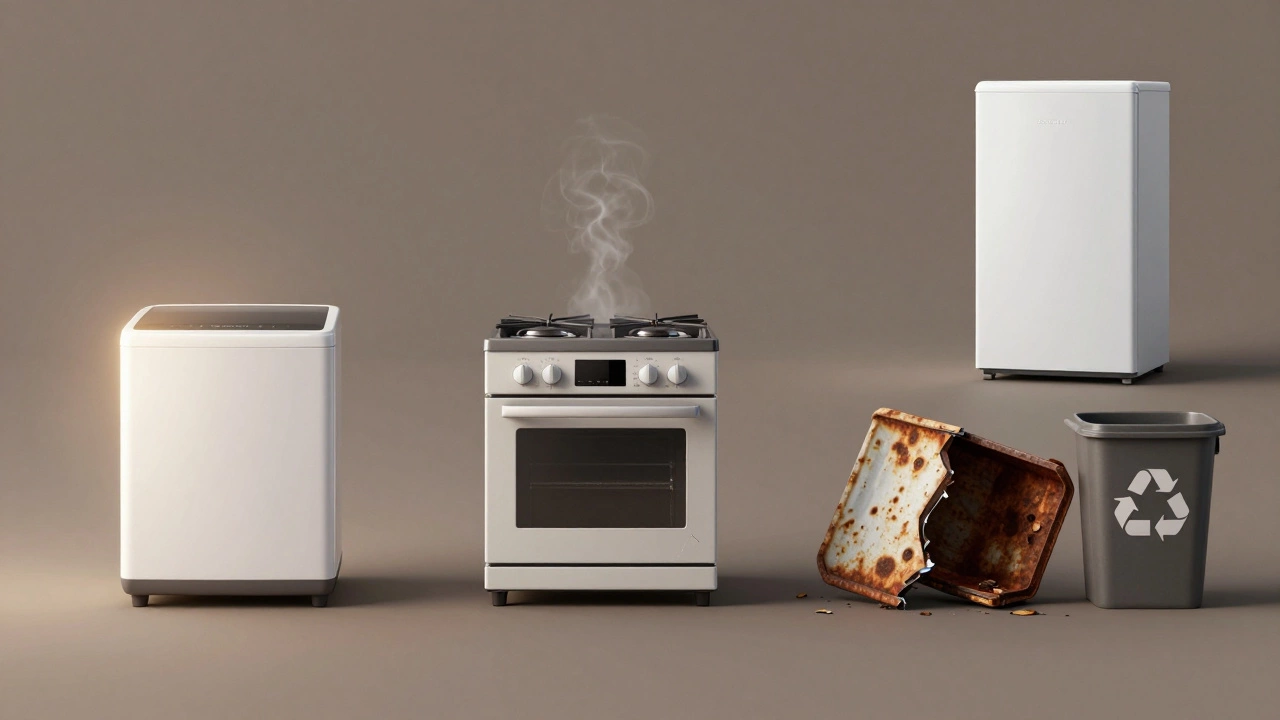
When to Buy a New Cooker
Here’s a simple decision tree:
- If your cooker is under 8 years old and has a single issue (like a broken element) → Repair it.
- If it’s 8-12 years old and needs multiple repairs → Consider replacement. The next breakdown could be worse.
- If it’s over 12 years old → Replace it, even if it still works. You’re paying more in energy bills and repair costs than you think.
Look for models with a 10-year warranty on the heating element. That’s a sign the manufacturer stands behind it. Brands like Smeg, Bosch, and Fisher & Paykel have strong track records in New Zealand conditions - humid, salty air, and frequent power fluctuations.
Don’t buy the cheapest model just to save money. A $400 cooker might cost you $150 in repairs within three years. A $900 model might cost $200 in repairs over 15 years. The math isn’t close.
Final Thoughts
Your cooker is one of the most used appliances in your home. It’s not a luxury. It’s a daily necessity. Treating it like one will save you money, stress, and maybe even your kitchen. Don’t wait for disaster. Pay attention to the small signs. Clean it regularly. Repair it early. And when the time comes, replace it with something built to last.
How long should a gas cooker last compared to an electric one?
Gas and electric cookers have similar lifespans - around 10 to 15 years. Gas models might last slightly longer if the burners are cleaned regularly, because they have fewer electronic parts. But electric cookers with ceramic hobs tend to have more reliable heating elements. The biggest factor isn’t fuel type - it’s maintenance.
Can I extend my cooker’s life by using it less?
Using it less helps, but only a little. A cooker that sits unused for years can still fail. Moisture builds up inside. Seals dry out. Electronics corrode. Regular, moderate use - with proper cleaning - is better than letting it sit. Think of it like a car: driving it occasionally keeps everything working.
Is it worth repairing a cooker that’s 15 years old?
Almost never. At 15 years, the cooker is at or past its expected lifespan. Even if you fix one part, others are likely to fail soon. Replacement parts for older models are harder to find and more expensive. The energy savings from a new, efficient model will pay for itself in under three years.
Do smart cookers last longer than traditional ones?
Not necessarily. Smart features like Wi-Fi and touchscreens add complexity - and more things that can break. A basic cooker with a mechanical thermostat often outlasts a smart model with a digital control board. If you want longevity, choose reliability over gadgets.
What’s the most common reason cookers fail?
The number one cause is heating element failure due to grease and food buildup. When debris insulates the element, it overheats and burns out faster. Second is moisture damage from poor ventilation. Steam gets into the control panel and fries the electronics. Cleaning and using the extractor fan are the two best ways to prevent both.
If your cooker is over 10 years old and starting to act up, don’t ignore it. A small fix now could save you a big mess later. And if you’re thinking about replacing it, look for models with solid warranties and simple controls. You’ll thank yourself in five years.