Extractor Fan Installation Cost & Professional Estimator
Fill in the details on the left and click Calculate to see who you should hire and how much it might cost.
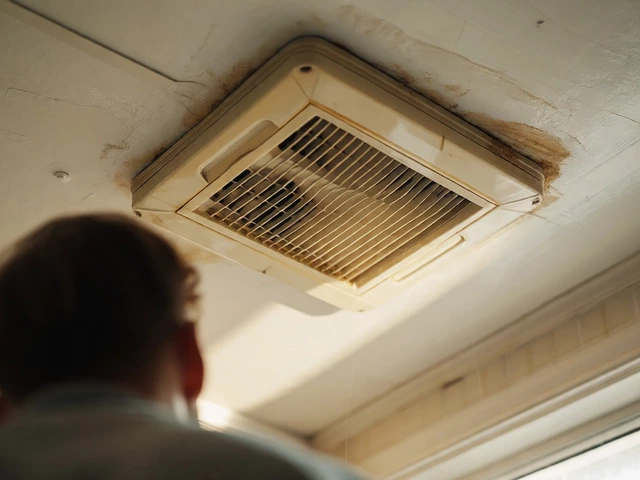
Ever stood in a steamy bathroom wondering who exactly should handle that extractor fan you’re planning to install? It’s a common question, and the answer isn’t always as straightforward as “just call an electrician.” Depending on your setup, location, and local building codes, the right tradesperson could be a licensed electrician is a qualified professional authorized to perform electrical work, including wiring and installing hardwired appliances like extractor fans., a ventilation specialist, or even a handyman with specific experience. Getting this wrong can lead to poor performance, moisture damage, or costly rework down the line.
Why the Right Tradesperson Matters for Your Ventilation System
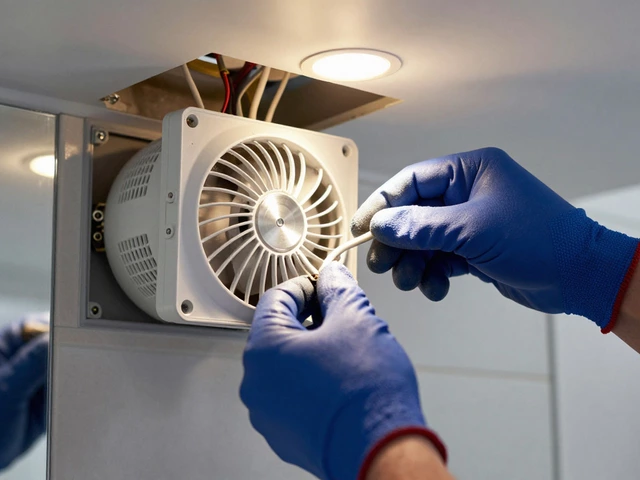
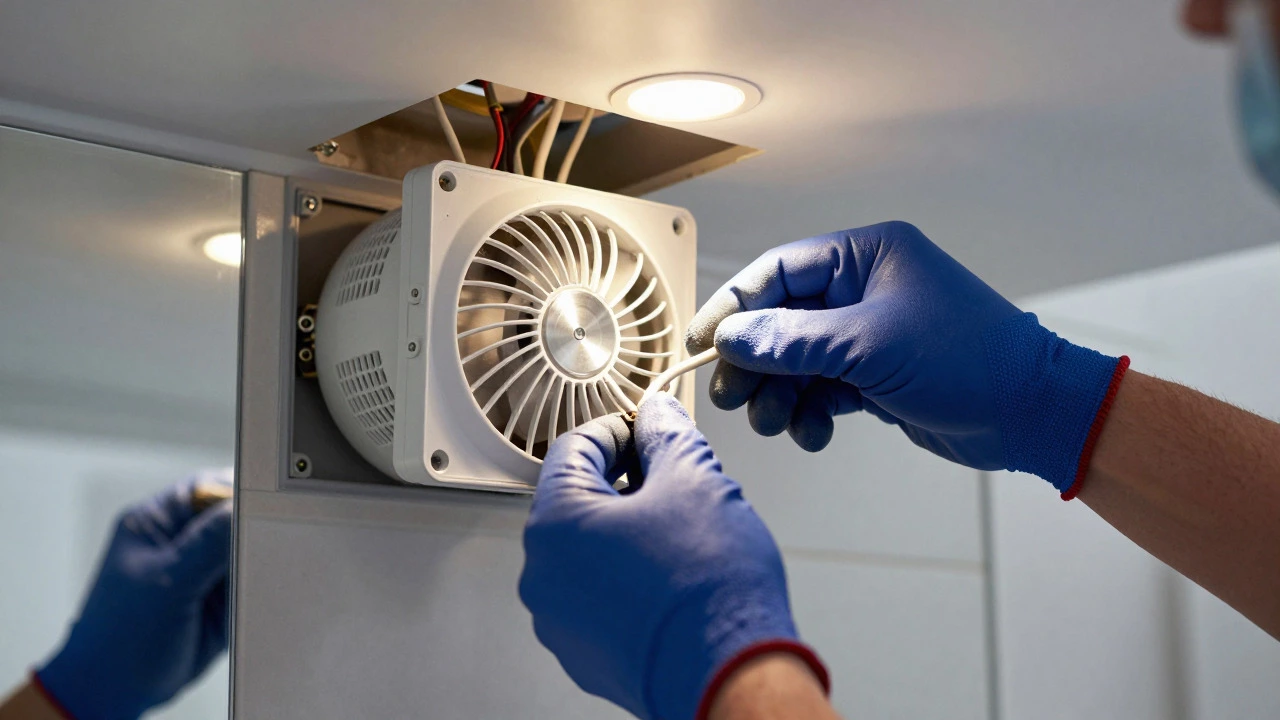
An extractor fan is a mechanical device designed to remove excess moisture, heat, and odors from enclosed spaces like bathrooms, kitchens, and laundries by expelling air outside the building. While it seems like a simple plug-in gadget, most residential units are hardwired into your home’s electrical system. This means they require proper circuit protection, correct wire gauge, and compliance with local electrical standards. In New Zealand, for instance, all fixed electrical installations must meet the requirements of AS/NZS 3000, the Wiring Rules. If you hire someone unqualified to do this work, you risk not just safety hazards but also voiding your home insurance if a fire occurs due to faulty wiring.
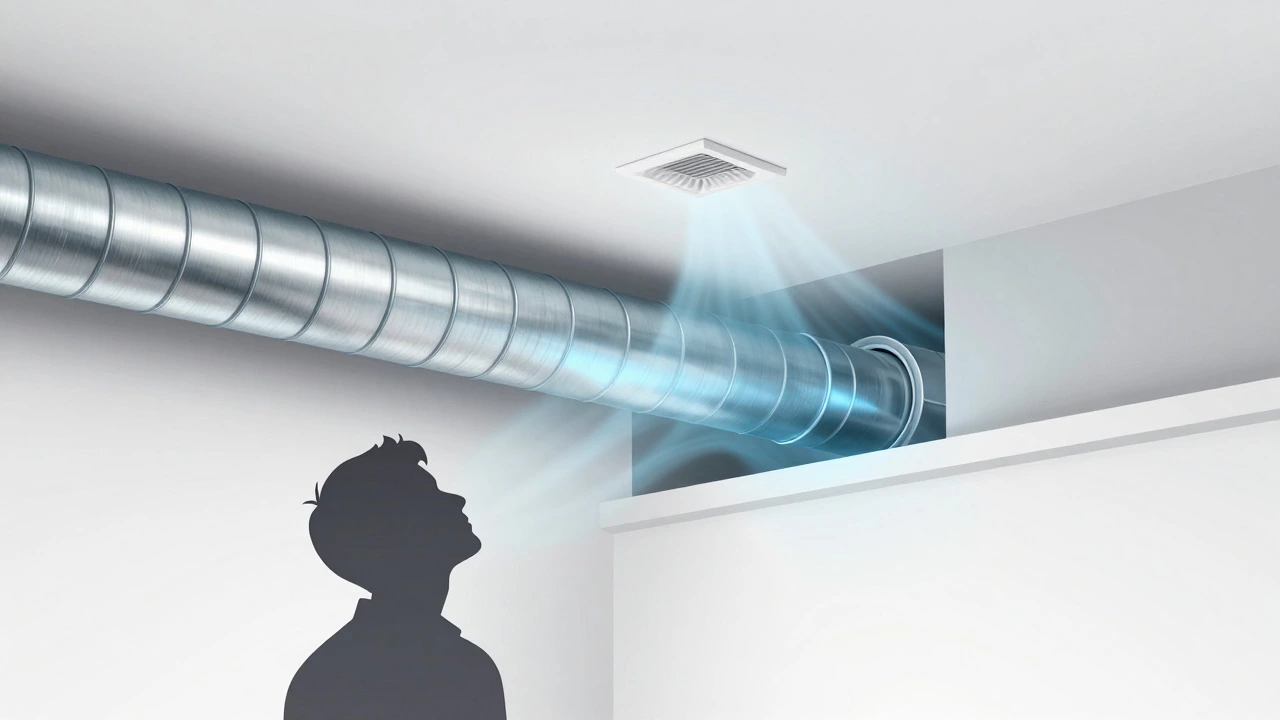
Beyond electricity, there’s the plumbing side. The ductwork needs to route air efficiently outside without backdrafts or condensation buildup inside the walls. A tradesperson who understands airflow dynamics will ensure the duct is short, straight, and properly sealed. Poorly routed ducts are the number one reason extractor fans fail to keep humidity in check, leading to mold growth on ceilings and peeling paint. So, while the fan itself is the visible part, the invisible infrastructure is what actually makes it work.
The Core Roles: Electricians vs. Ventilation Specialists
When deciding who to call, you’re usually choosing between two main professionals. Here’s how they compare:
| Tradesperson | Primary Responsibility | Best For | Licensing Requirement (NZ Context) |
|---|---|---|---|
| Licensed Electrician | Wiring, circuit protection, switch integration | Hardwired fans, new circuits, complex wiring | Mandatory for all fixed electrical work |
| Ventilation Specialist | Duct design, airflow calculation, fan selection | Large rooms, multi-fan systems, high-humidity areas | Often works alongside electricians |
| Handyman | Basic mounting, non-electrical tasks | Pre-wired locations, simple replacements | No license needed for non-electrical work |
A ventilation specialist is a technician focused on air quality and movement, often holding certifications in HVAC or building science. They don’t typically touch the wiring unless they’re also electrically qualified. Their value lies in calculating the required air changes per hour (ACH) for your space. For example, a standard bathroom needs about 15 air changes per hour, while a kitchen with a gas stove might need more. If you have a large open-plan living area, a specialist can recommend multiple smaller fans rather than one oversized unit, which operates more quietly and efficiently.
When Can You DIY or Use a Handyman?
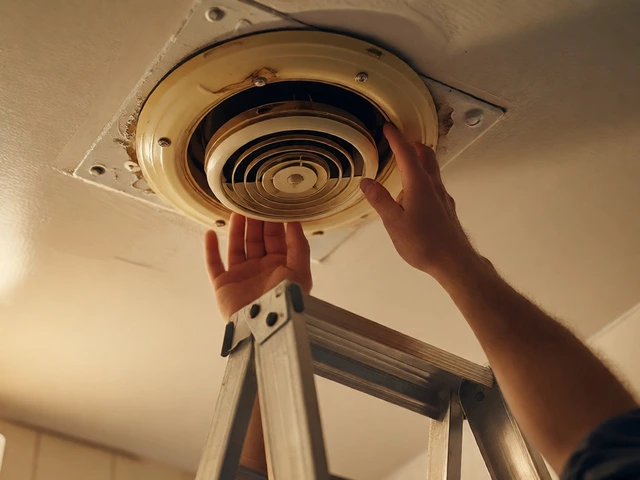
Not every installation requires a full-scale trade crew. If you’re replacing an existing fan where the wiring and ducting are already in place and working correctly, the job becomes much simpler. In this scenario, a handyman can often handle the physical mounting and connection if the old fan was plugged into a junction box rather than hardwired directly. However, the moment you need to run new cables, add a dedicated circuit breaker, or modify the duct path through a wall cavity, you need a licensed electrician.
Consider the case of Sarah, a homeowner in Wellington. She wanted to upgrade her small ensuite fan. The old unit was hardwired, but the wiring was intact and accessible. She hired a handyman to remove the old unit and mount the new one. Since no new wires were pulled and the existing circuit was adequate, the handyman connected the new fan to the existing terminals. This saved her hundreds of dollars compared to calling an electrician. But if she had decided to move the fan to a different spot on the ceiling, requiring new cable runs, she would have needed an electrician to pull the wire and update the consumer unit.
Navigating Local Regulations and Building Codes
In New Zealand, the Building Code sets minimum standards for ventilation in habitable rooms. Clause F7 specifically addresses ventilation in buildings, ensuring that moisture-laden air is removed effectively. While this code doesn’t explicitly state *who* must install the fan, it does mandate that the installation meets certain performance criteria. This is where the distinction between a handyman and a licensed pro becomes critical. An electrician provides a certificate of compliance for the electrical work, which is often required when selling a home or during insurance claims. Without this paper trail, future buyers or insurers might question the legality of the installation.
Additionally, some regional councils have specific rules about discharging exhaust air. For instance, in coastal areas like Wellington, salt air can corrode fan components faster. A knowledgeable tradesperson will recommend stainless steel ducting or corrosion-resistant fan housings suitable for the environment. This level of detail is rarely found in generic online guides and highlights why hiring a local expert who understands your specific climate and council requirements is worth the investment.
Cost Considerations and Value Proposition
Price is often the deciding factor for homeowners. Let’s break down typical costs in New Zealand to help you budget realistically. A basic replacement of a hardwired fan by a licensed electrician might range from $300 to $600, depending on access difficulty. If you need a ventilation specialist to design a new system for a larger room, costs can climb to $800-$1,500, including materials. Hiring a handyman for a simple swap might cost $150-$250, but only if no electrical changes are needed.
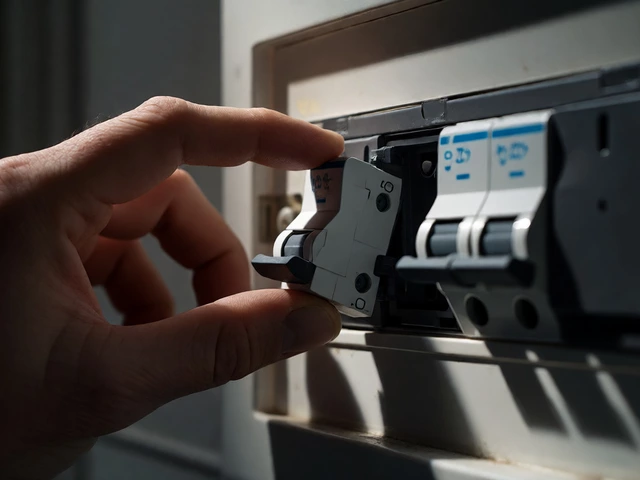
Here’s a rule of thumb: if the job involves opening walls, running new cables, or adding a timer/sensor switch, pay for the electrician. The upfront cost is higher, but you avoid the risk of tripping the circuit, incorrect grounding, or non-compliant work. On the other hand, if you’re just swapping a unit in a pre-existing, functional setup, a handyman or even a confident DIYer (with power off at the breaker) can manage the task safely.
Common Pitfalls to Avoid
Even with the right tradesperson, mistakes happen. Here are the most common issues we see:
- Undersized Ducting: Using flexible plastic duct instead of rigid metal. Flexible duct has higher friction loss, reducing fan efficiency by up to 40%.
- Backdrafts: Discharge vents placed too close to windows or intake vents, causing moist air to swirl back into the house.
- Missing Condensate Traps: In cold climates, moisture can freeze in the duct. Proper slope and insulation prevent ice blockages.
- Incorrect Switch Placement: Installing the fan switch near the door means it’s turned off before the room dries out. Better practice is to use a timer or humidity sensor.
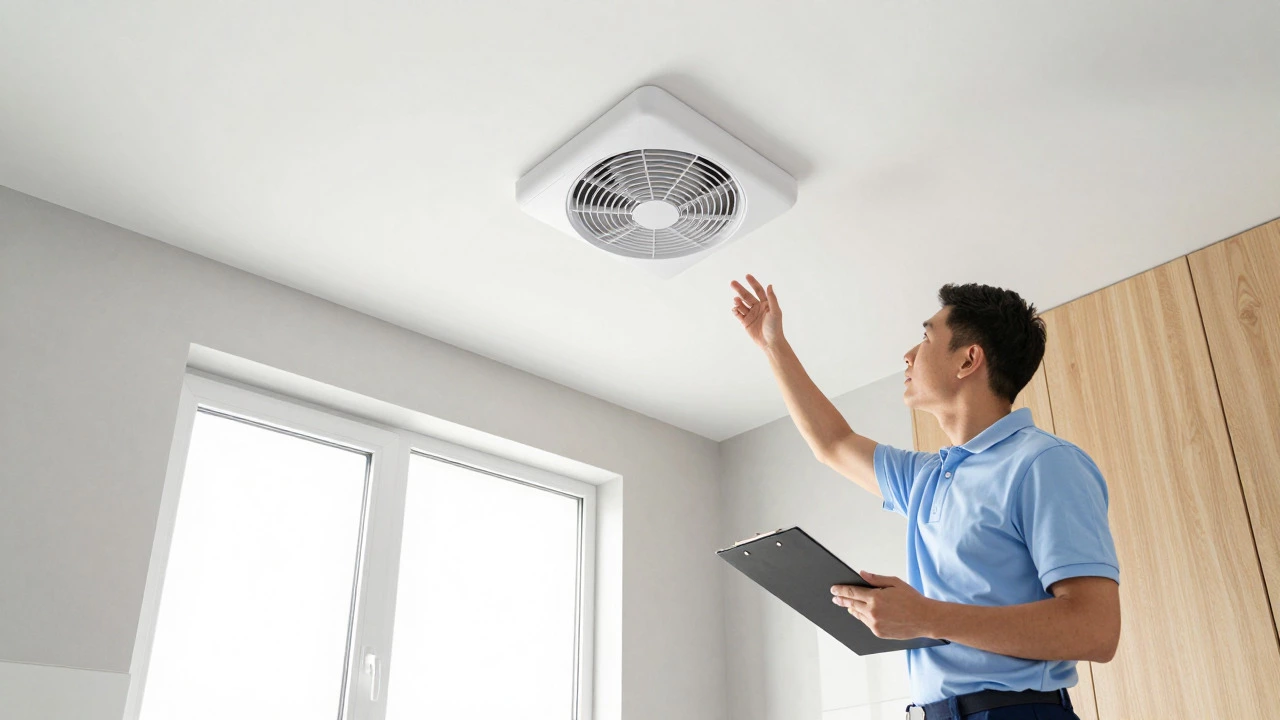
Ask your tradesperson about these points before they start work. A good professional will explain their approach to ducting and airflow, not just focus on plugging in the fan. If they seem dismissive of these details, it might be time to look elsewhere.
Choosing the Right Professional for Your Project
So, who should you call? Start by assessing your current setup. Is the wiring exposed and accessible? Does the duct go straight outside? If yes, a handyman might suffice for a simple replacement. If you’re adding a new fan, moving an existing one, or dealing with a large, poorly ventilated space, bring in a licensed electrician and potentially a ventilation specialist. Always ask for references and proof of licensing. In New Zealand, you can verify an electrician’s license through the Electrical Workers Registration Board (EWB). This quick check saves you from potential headaches later.
Remember, an extractor fan is more than just a noise maker; it’s a critical component of your home’s health and structural integrity. Investing in the right tradesperson ensures it performs its job silently and effectively for years to come.
Can I install an extractor fan myself?
Yes, but only if you are comfortable working with electricity and the wiring is already in place. You must turn off the power at the main breaker. If you need to run new wires or modify the circuit, a licensed electrician is required by law in New Zealand.
Is a ventilation specialist necessary for a small bathroom?
Usually, no. For a standard small bathroom, a licensed electrician can handle both the wiring and the basic ducting. A ventilation specialist is more useful for larger rooms, open-plan areas, or homes with significant humidity problems that require calculated airflow solutions.
How much does it cost to fit an extractor fan in New Zealand?
Costs vary, but expect to pay between $300 and $600 for a standard hardwired installation by an electrician. Simple replacements by a handyman may cost less, around $150 to $250, provided no electrical changes are needed.
What is the difference between a bathroom fan and an extractor fan?
The terms are often used interchangeably. Technically, an extractor fan removes air from a space, while a bathroom fan is a type of extractor fan specifically designed for wet areas. All bathroom fans are extractor fans, but not all extractor fans are suitable for bathrooms (e.g., kitchen range hoods).
Do I need a permit to install an extractor fan?
In most cases, no separate building permit is required for a single extractor fan installation, provided it complies with the Building Code. However, the electrical work must be certified by a licensed electrician. Check with your local council if you are making major structural changes to accommodate the ducting.