Dishwasher Problem Diagnostic Tool
Select Your Symptom
Click on the issue you are experiencing with your dishwasher:
Diagnosis & Solution
Select a symptom to see the likely cause and repair advice.
The Silent Culprits Behind Dishwasher Failures
There is nothing quite as frustrating as opening your dishwasher to find water pooling at the bottom or dishes that are still caked in food residue. You load it carefully, select the right cycle, and press start, expecting clean results. Instead, you get a mess. The question isn't just "why did it break?" but "what usually fails on a dishwasher?" Understanding this helps you avoid unnecessary service calls and expensive replacements.
Dishwashers are complex machines that combine plumbing, electrical systems, and mechanical pumps. Because they handle hot water and detergents daily, certain components wear out faster than others. Most failures fall into a predictable pattern. By knowing these weak points, you can often diagnose the issue yourself or communicate clearly with a technician. Let’s look at the specific parts that give up the ghost most frequently.
The Drain Pump: The First Line of Defense
If your dishwasher stops mid-cycle or leaves standing water inside, the drain pump is likely the culprit. This component is responsible for pushing wastewater out of the tub and into your home's drainage system. It works hard, spinning rapidly to move heavy debris-laden water.
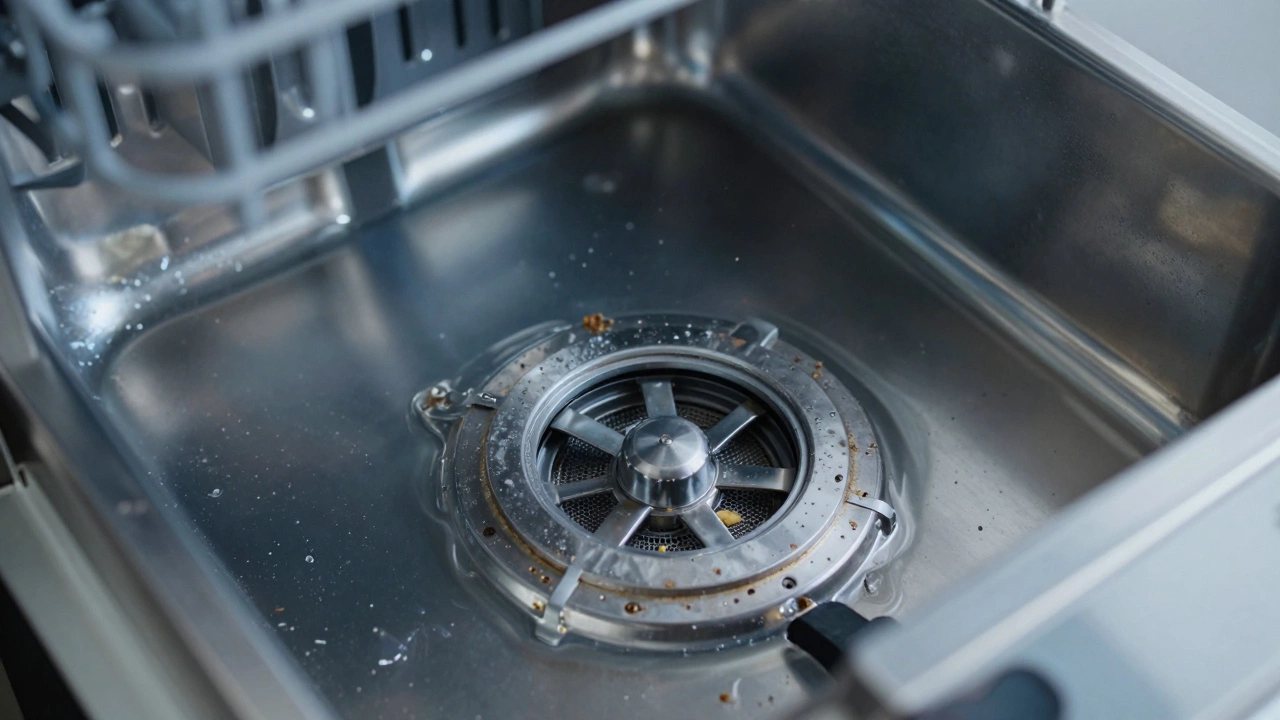
The drain pump is a motor-driven impeller located at the bottom of the dishwasher tub.Over time, small particles like glass shards, bone fragments, or plastic bits from utensils can get trapped in the pump mechanism. These objects jam the impeller, causing the motor to overheat and burn out. In many cases, the pump doesn't fail due to age but because of foreign objects. If you hear a humming sound but no water movement, check the pump area for blockages before assuming the motor is dead.
Circulation Pump and Spray Arm Issues
While the drain pump handles waste, the circulation pump does the actual cleaning work. It pushes water through the spray arms, which rotate under high pressure to blast dirt off your plates. When dishes come out dirty despite a full cycle, the circulation system is usually to blame.
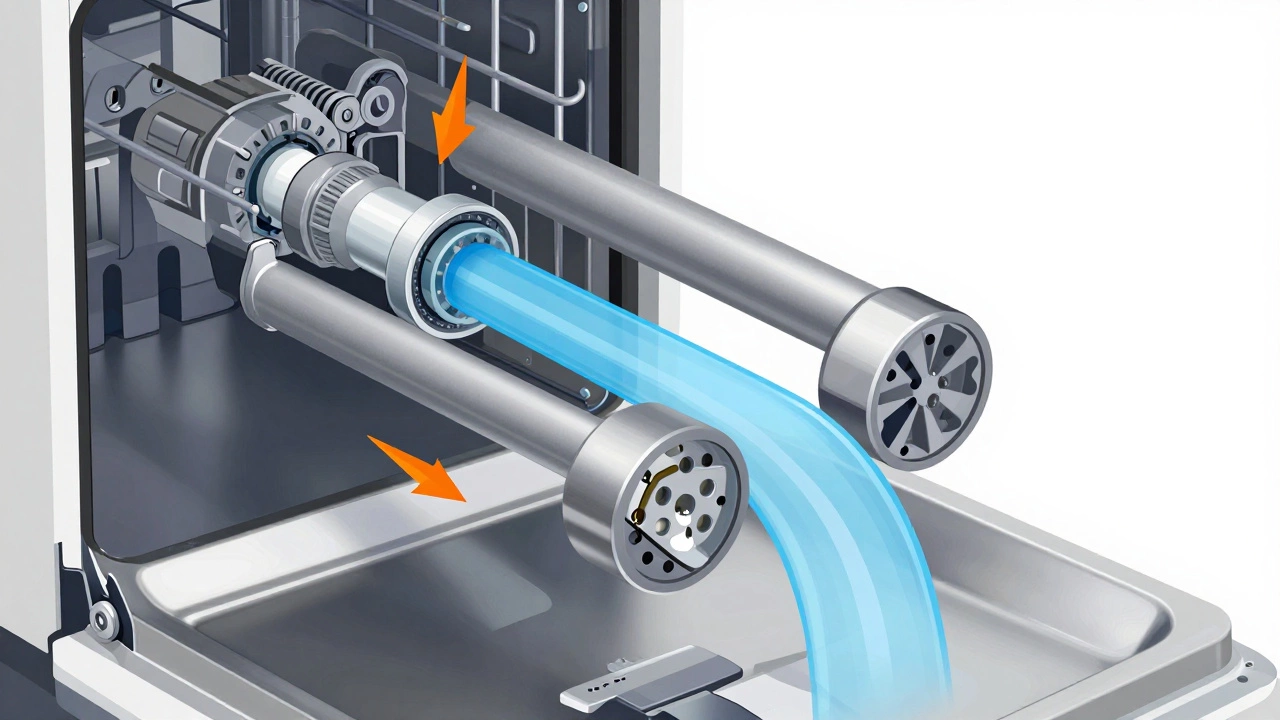
Spray arms have small holes that can become clogged with mineral deposits from hard water or food particles. Even a few blocked holes reduce water pressure significantly. Additionally, the spray arm bearings can wear out, causing the arm to wobble or stop rotating entirely. Inspect the spray arms regularly; if they don’t spin freely when you push them by hand, replace them. They are inexpensive parts that make a huge difference in cleaning performance.
Door Seals and Leaks
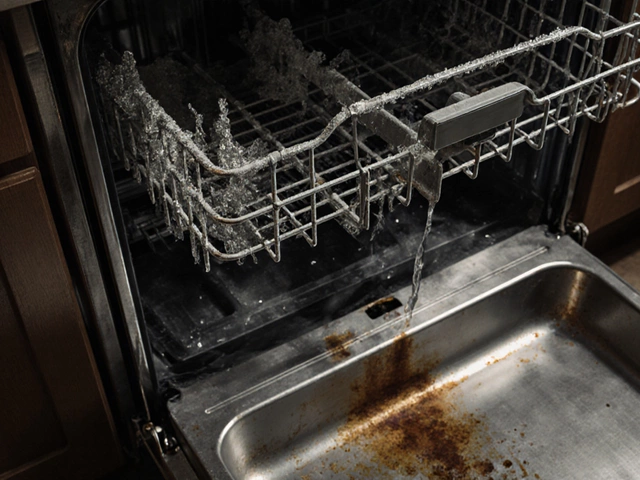
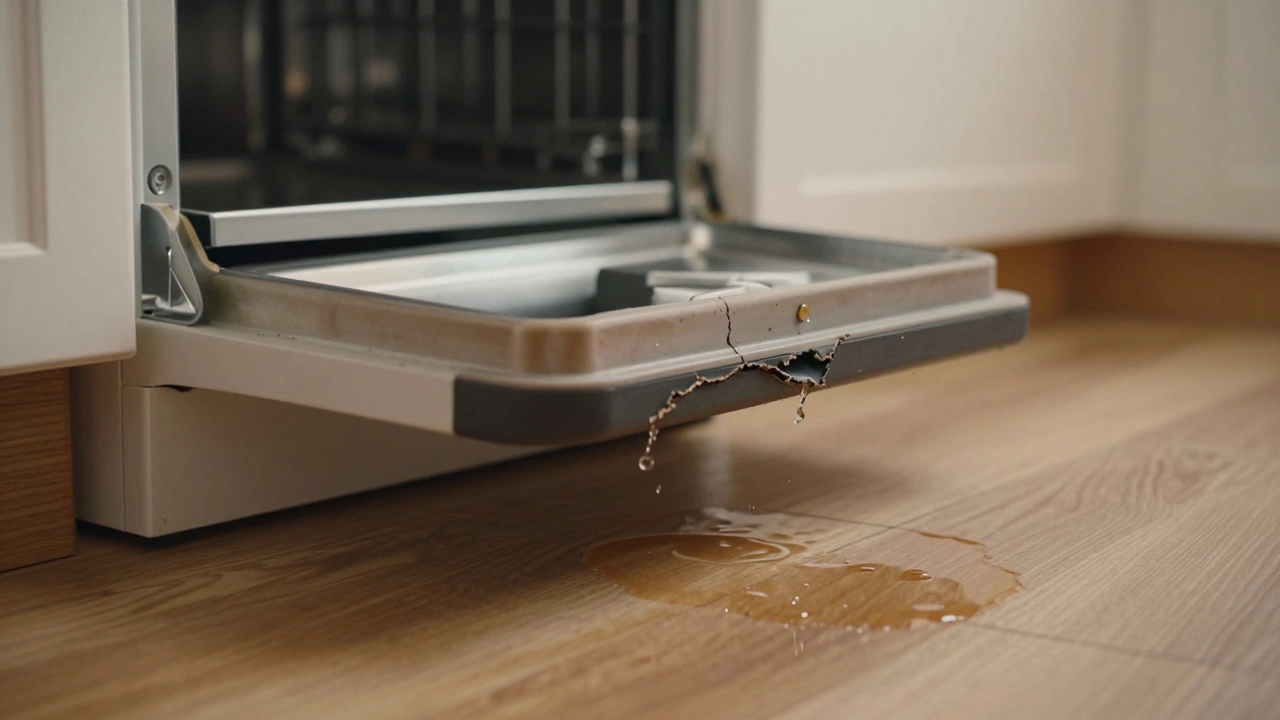
A leaking dishwasher is one of the most common complaints homeowners face. Water appearing on the kitchen floor often points to a failed door gasket. This rubber seal runs around the edge of the door and creates a watertight barrier between the tub and the outside world.
Rubber degrades over time due to heat, detergent chemicals, and physical compression. Cracks, tears, or hardened sections in the gasket allow water to escape during wash cycles. Sometimes, the leak isn't the seal itself but something caught in it-a piece of plastic wrap or a utensil tip preventing the door from closing tightly. Always wipe the sealing surface clean before loading the machine. If the gasket looks brittle or damaged, replacing it is a quick fix that prevents water damage to your cabinetry.
The Control Board and Electronic Glitches
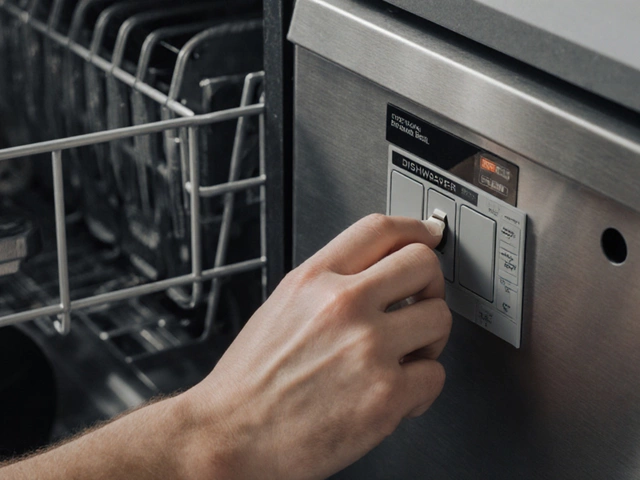
Modern dishwashers rely heavily on electronic controls. The control board acts as the brain, sending signals to pumps, heaters, and valves based on the selected program. When the control board fails, symptoms can be erratic: the machine won't start, displays error codes randomly, or shuts off unexpectedly.
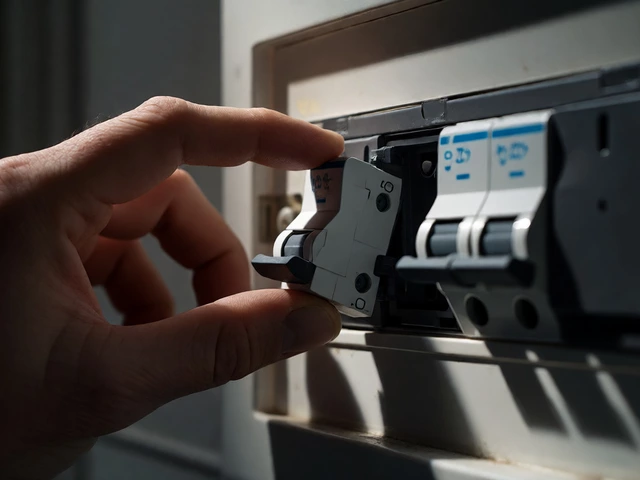
Power surges are a major enemy of control boards. A sudden spike in voltage can fry the sensitive circuits. Moisture intrusion is another risk; if condensation builds up inside the control panel housing, it can cause short circuits. Before calling a technician to replace the board, try resetting the appliance. Unplug it for ten minutes or switch off the circuit breaker. Often, this clears temporary glitches caused by software errors rather than hardware failure.
| Symptom | Likely Cause | Difficulty Level |
|---|---|---|
| Water remains in tub | Clogged drain pump or filter | Easy |
| Dishes are dirty | Clogged spray arms or low water inlet | Medium |
| Leaking from front | Damaged door gasket | Easy |
| No power/start | Tripped breaker or faulty door latch | Easy |
| Error code flashing | Control board or sensor failure | Hard |
Heating Element Burnout
If your dishes come out cold or dry poorly, the heating element might be broken. Located at the bottom of the tub, this metal rod heats water to sanitize dishes and aid in drying. Over time, the element can develop cracks or burn spots where the insulation breaks down.
A burnt-out heating element won't trigger an immediate shutdown, so you might not notice until you touch a wet plate. Check the element visually; if you see dark brown stains or visible cracks, it needs replacement. Also, ensure your water temperature setting on the house heater is set to at least 120°F (49°C). If the incoming water is too cold, the dishwasher’s heater has to work overtime, leading to premature failure.
Water Inlet Valve Problems
The water inlet valve controls how much water enters the machine. If it fails, the dishwasher may not fill at all, or it may overflow. This solenoid-operated valve opens when the control board sends a signal. Sediment buildup from your home’s water supply can stick the valve open or closed.
In areas with hard water, mineral deposits accumulate on the valve screens, restricting flow. This leads to insufficient water levels, which affects cleaning and can damage the circulation pump. Cleaning the inlet valve screen periodically extends its life. If the valve coil burns out due to electrical issues, the entire valve assembly must be replaced.
Preventive Maintenance Tips
Most dishwasher failures are preventable with simple habits. Run a vinegar cycle once a month to dissolve grease and mineral buildup. Clean the filter under the bottom rack weekly to remove food debris. Avoid putting large pots or tall glasses in positions that block the spray arms. Use rinse aid to improve drying and reduce spotting. These small steps keep the internal components working efficiently and extend the lifespan of your appliance significantly.
Why does my dishwasher leave water at the bottom?
This is usually caused by a clogged drain pump or a blocked filter. Food particles, glass shards, or plastic pieces can jam the pump impeller. Check the filter first, then inspect the pump area for obstructions. If the pump is clear but still not draining, the pump motor may need replacement.
How do I know if my dishwasher door seal is bad?
Look for cracks, tears, or hardening in the rubber gasket around the door edge. If you find water on the floor after every cycle, especially near the front corners, the seal is likely compromised. Wipe the seal clean and close the door; if it doesn't latch tightly, something may be blocking it.
Can a dishwasher be repaired instead of replaced?
Yes, most common issues like pump failures, leaky seals, or broken heating elements are cost-effective to repair. Replacement is only recommended if the unit is over 10 years old, has multiple failing components, or lacks energy efficiency features.
Why is my dishwasher making a loud grinding noise?
A grinding noise typically indicates a foreign object stuck in the drain pump or circulation pump. Small items like silverware tips, bottle caps, or glass fragments can enter the pump chamber. Turn off the power, remove the bottom rack, and inspect the pump area for debris.
Should I clean the dishwasher filter myself?
Absolutely. The filter traps food particles to protect the pump. Remove it monthly, rinse under warm water, and scrub gently with a soft brush. A clogged filter reduces drainage efficiency and causes odors. Never run the dishwasher without the filter in place.