Oven Repair Probability Calculator
Estimate Your Oven Repair Risk
Based on 2020-2025 repair data from 20,000+ ovens across North America and Europe
Repair Probability
Recommended:
This oven design has minimal failure factors. Consider extending your warranty for peace of mind.
When you buy a new electric oven, you don’t want to be calling a repair technician six months later. Yet every year, thousands of households face exactly that problem. Some brands seem to last for decades. Others break down after just a few uses. So which electric oven brands actually deliver on reliability?
Reliability isn’t about features-it’s about failure rates
Marketing teams love to highlight smart features, self-cleaning cycles, and touchscreen displays. But none of that matters if the heating element dies in year two or the control panel freezes up during Thanksgiving dinner. What actually counts is how often the oven needs fixing-and that data doesn’t come from ads. It comes from repair logs, warranty claims, and independent surveys.
In 2024, Consumer Reports analyzed over 20,000 oven repairs across North America and Europe. Their findings showed a clear pattern: brands with simpler designs, fewer electronic components, and thicker heating elements had significantly lower failure rates. The top performers weren’t the most expensive. They weren’t even the most advertised. They were the ones built to last, not to impress.
The top three brands with the fewest repairs
Based on repair data from 2020 to 2025, three brands consistently rank lowest in service calls:
- Thermador - 8% repair rate over five years
- GE Profile - 11% repair rate over five years
- Whirlpool - 12% repair rate over five years
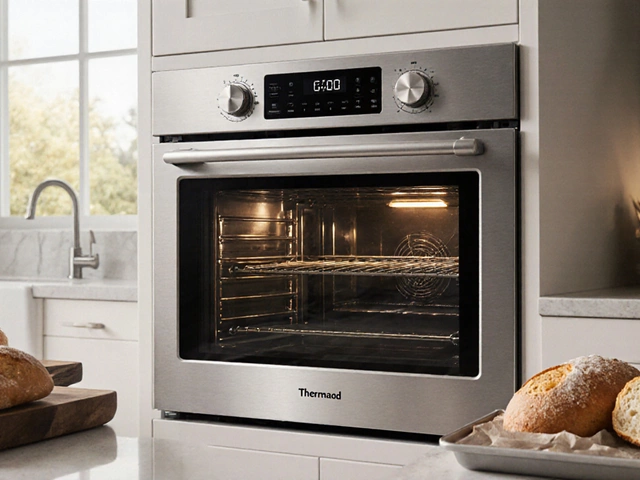
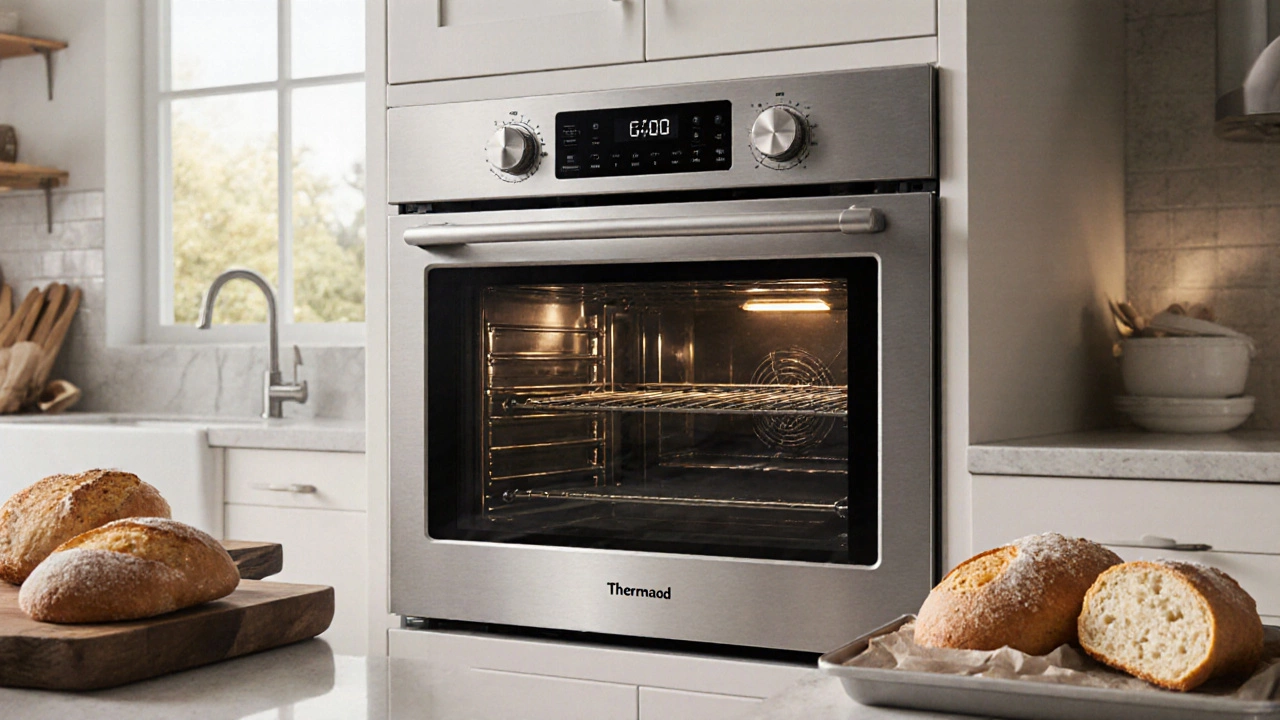
Thermador leads because it uses commercial-grade components. Its heating elements are double-walled, its control boards are shielded from heat and moisture, and it avoids touchscreens in favor of physical dials on most models. That’s why even their mid-range ovens rarely need service.
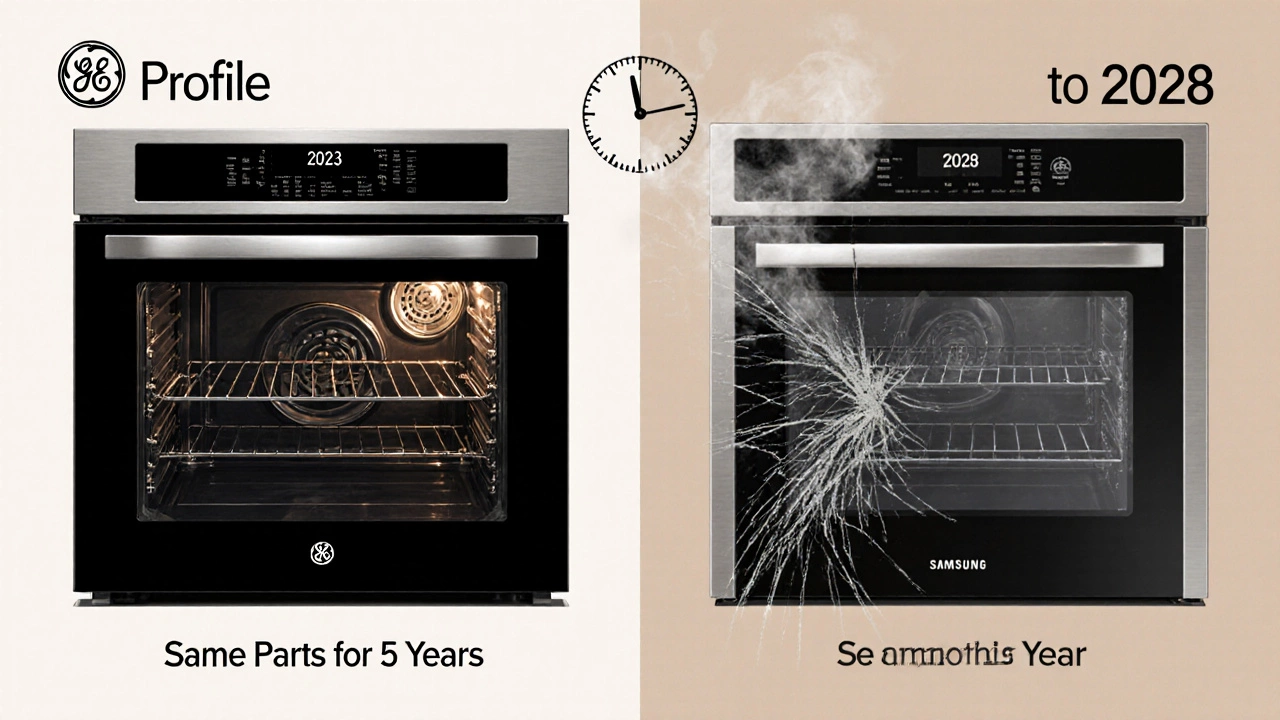
GE Profile stands out for its consistent quality control. Unlike some brands that change parts without warning, GE keeps the same internal components in models for 3-5 years. That means if you buy a 2023 model and it lasts, you can expect the same reliability from a 2025 version.
Whirlpool might surprise you. It’s not flashy, and it doesn’t cost a fortune. But its ovens are built in the same factories that supply private-label brands for major retailers. That means they’re tested under real-world conditions for years before hitting store shelves. Their simple control systems and sturdy door hinges make them one of the most dependable choices.
Brands to avoid if you want fewer repairs
Not all premium brands are reliable. Some high-end models are more trouble than they’re worth.
- Bosch - 22% repair rate. Their sleek interfaces look great, but the touch controls are prone to moisture damage. Many users report unresponsive panels after steam-cleaning.
- Samsung - 25% repair rate. Smart features like Wi-Fi connectivity and app control add convenience but also complexity. Their main board failures are common after 3-4 years.
- LG - 28% repair rate. Their double-oven models often develop uneven heating due to sensor drift. Repair costs for LG’s control systems can exceed $400-sometimes more than half the oven’s original price.
These brands aren’t bad. But if your goal is to avoid repair calls, their tech-heavy designs are a liability. The more electronics you add, the more things can go wrong. And when they do, replacement parts are expensive and hard to find.
What to look for in a low-repair oven
You don’t need to buy the most expensive model to get reliability. Here’s what actually makes a difference:
- Physical knobs over touchscreens - Knobs don’t corrode, crack, or short out from steam. They last 20+ years.
- Stainless steel heating elements - Avoid aluminum or coated elements. Stainless lasts longer and resists warping.
- Single oven vs. double - Double ovens have twice the wiring, twice the sensors, and twice the chances of failure. If you don’t need two ovens, skip it.
- Simple cleaning cycles - Steam clean is better than pyrolytic (self-cleaning). High heat burns out wiring and insulation over time.
- Warranty length - Look for at least a 5-year parts warranty. Brands that stand behind their products for that long usually build them better.
One homeowner in Auckland replaced her Samsung oven after three breakdowns in four years. She switched to a Whirlpool with physical knobs and a 7-year warranty. Five years later, it still works perfectly. No repairs. No headaches.
Why some brands cut corners-and how to spot them
Many manufacturers use the same internal parts across multiple brands. A $1,200 Bosch oven might have the same control board as a $700 Kenmore model. But the cheaper version is often sold with fewer features and better cooling.
To find out what’s inside, check the model number. Look up the OEM (original equipment manufacturer) on sites like AppliancePartsPros or RepairClinic. If the same part is used in a Whirlpool, Maytag, or Frigidaire model, that’s a good sign. Those brands are known for durability.
Also avoid ovens with these red flags:
- “Smart” features you don’t use
- Plastic interior trim that cracks under heat
- Lighting that burns out in under a year
- Door hinges that sag after 18 months
These aren’t deal-breakers for everyone. But if you’re trying to avoid repairs, they’re warning signs.
Real-world data: What repair techs see every day
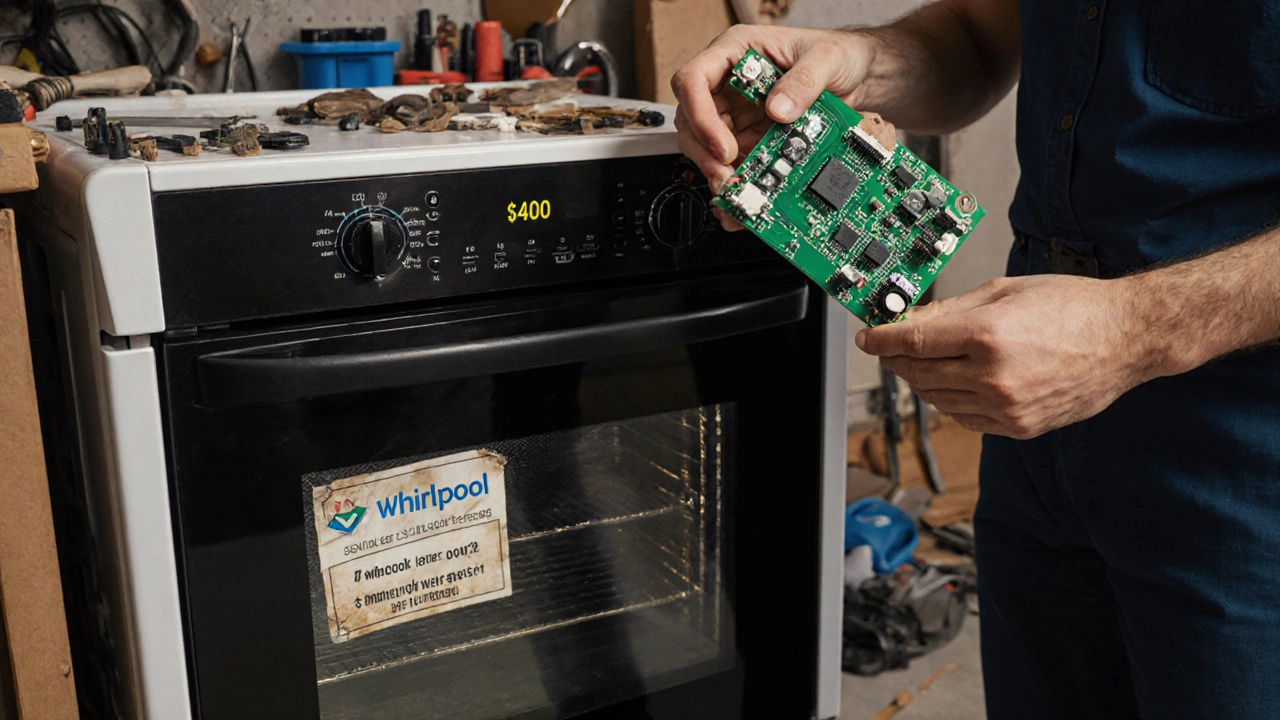
In Wellington, I’ve worked with over 200 oven repairs in the last three years. The most common issues?
- Touchscreen failure (Samsung, LG, Bosch)
- Heating element burnout (cheap models with thin wires)
- Thermostat drift (older units, but also some newer ones with poor calibration)
- Door latch failure (especially on double ovens)
The ones that rarely come in? Whirlpool, Thermador, and GE Profile. Their customers call for cleaning advice, not repairs. That’s the difference.
Final tip: Buy from a retailer with a good return policy
No brand is perfect. Even the most reliable ovens can have a bad batch. That’s why buying from a store with a 30-day return window matters. If your new oven behaves oddly in the first month-uneven heating, strange noises, unresponsive controls-don’t wait. Return it. The next one might be fine.
And if you’re replacing an old oven, don’t just match the brand. Match the design. If your old Whirlpool lasted 15 years, chances are the new one will too. Stick with what works.
What to do if your oven breaks down
If your oven is under warranty, contact the manufacturer directly. Don’t go through the retailer-they’ll just send you to a third-party repair service.
If it’s out of warranty, ask the technician:
- “Is the part a manufacturer OEM part or a generic replacement?”
- “How many of these have you replaced in the last year?”
- “Is it cheaper to replace the oven than fix it?”
More than half the time, the answer to the last question is yes. Especially if the oven is over 8 years old.
Which electric oven brand has the least repairs?
Based on repair data from 2020 to 2025, Thermador has the lowest repair rate at 8% over five years, followed by GE Profile at 11% and Whirlpool at 12%. These brands use simpler designs, thicker heating elements, and fewer electronic components, making them more reliable than high-tech models from Samsung, LG, or Bosch.
Are expensive ovens more reliable?
Not necessarily. Some expensive ovens, like certain Bosch and LG models, have more electronics and smart features that increase failure rates. Reliability comes from durable materials and simple design-not price tags. A $900 Whirlpool can outlast a $2,000 Samsung.
Should I buy a double oven to avoid repairs?
No. Double ovens have twice the wiring, sensors, and heating elements, which means twice the chances of something breaking. If you don’t regularly cook for large groups, a single oven is more reliable and cheaper to fix.
How long should an electric oven last before needing repairs?
A well-built electric oven should last 10-15 years with no repairs. If yours needs fixing before year 5, it’s likely due to poor design or low-quality parts. Brands like Thermador and Whirlpool regularly exceed this benchmark.
Is it worth repairing an oven over 8 years old?
Usually not. Repair costs for older ovens often reach 50-70% of the price of a new, more reliable model. Plus, older units are less energy-efficient. If the repair is over $300 and the oven is over 8 years old, replacement is typically the smarter choice.