Extractor Fan Repair Decision Tool
What is the main problem with your fan?
Electrical Diagnosis
You have identified a potential electrical issue.
Airflow Diagnosis
The motor works, but air isn't moving. This is likely a ductwork issue.
Noise Diagnosis
Strange noises often indicate mechanical wear or imbalance.
Maintenance Guide
Most maintenance can be done safely by homeowners.
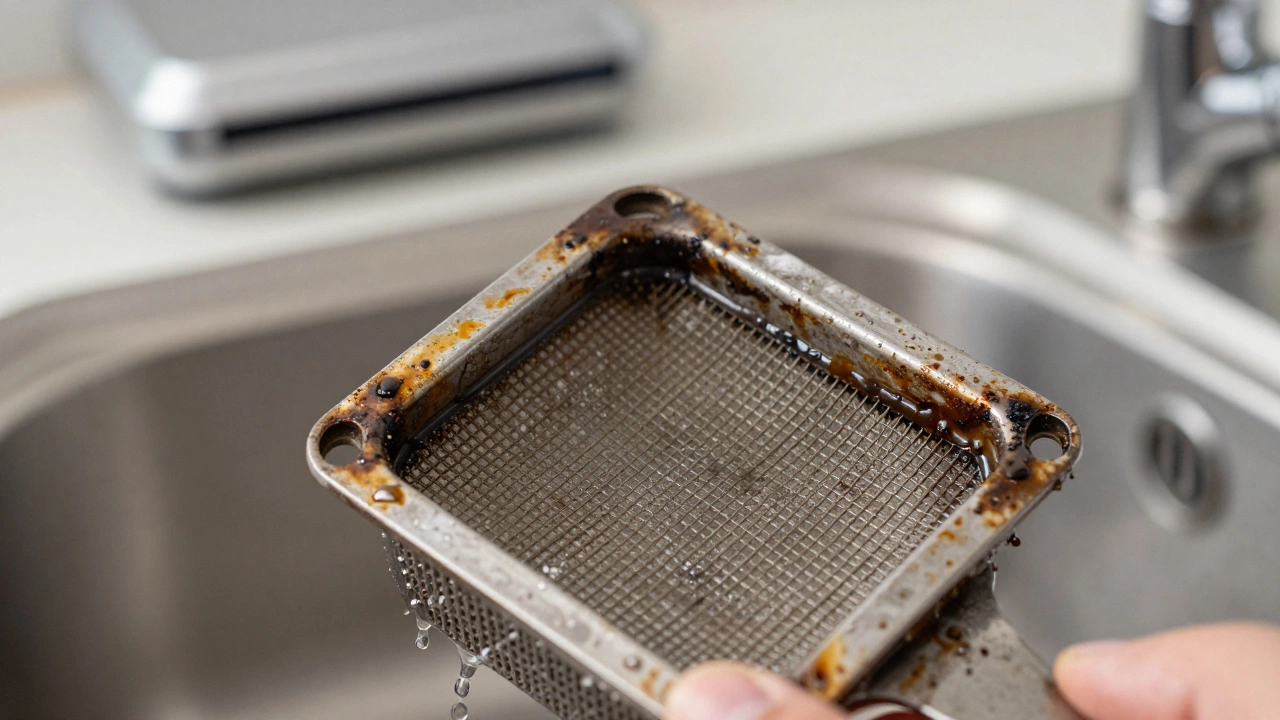
- ✔ Clean metal mesh filters in hot soapy water.
- ✔ Wipe down exterior housing.
- ✔ Check external vent flap opens freely.
Professional Type
Description goes here.
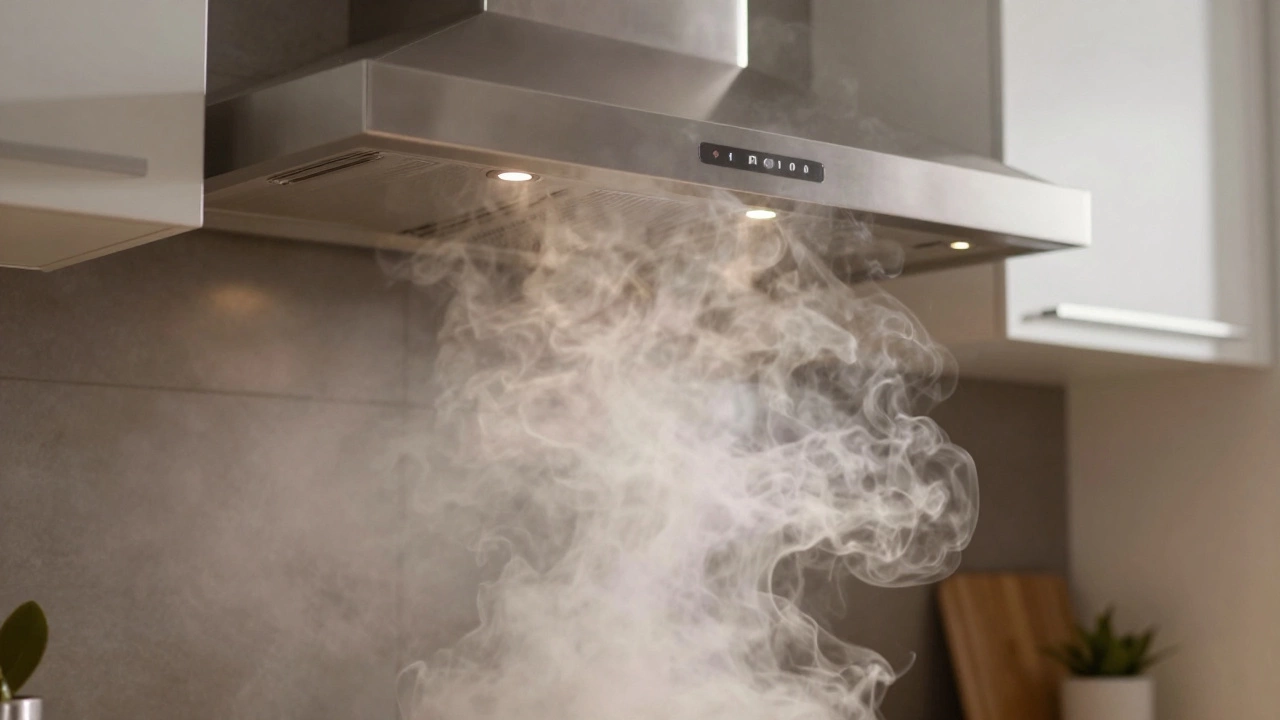
That high-pitched whine from your range hood is annoying. But when the fan stops pulling smoke away entirely, it becomes a safety hazard. You’re standing there, cooking dinner, and suddenly you realize you can’t see through the steam. The question isn't just "why is it broken?" It’s "who do I call to fix it without getting ripped off or creating a fire risk?"
The short answer is: it depends on what’s wrong. Calling a plumber for an electrical fault will waste your time. Calling an electrician for a ductwork blockage might miss the point. In Wellington, where we deal with damp coastal air and strict building codes, knowing the difference between a extractor fan repair job that needs a sparky versus one that needs a tinsmith (plumber) is crucial.
The Three Main Pros You Might Need
Most extractor fan issues fall into three buckets: electrical, mechanical, or airflow. Each bucket has a specific professional who handles it best.
- Electricians: They handle the power supply, wiring, switches, and internal motor circuits. If the fan doesn’t turn on at all, or if it trips your circuit breaker, this is your first stop.
- HVAC Technicians or Plumbers: In New Zealand, plumbers often handle gas and ventilation ducting. If the fan runs but doesn’t suck, the issue is likely in the ducts, the flapper valve, or the blade assembly. An HVAC specialist understands airflow dynamics better than a general handyman.
- Handymen or Appliance Repair Specialists: For simple fixes like replacing a light bulb, cleaning grease filters, or tightening loose screws, a handyman saves you money. However, be wary of anyone touching live wires without proper certification.
Signs You Need an Electrician
Electrical faults are dangerous. If you smell burning plastic, see sparks, or notice the fan vibrating violently before stopping, cut the power immediately. Do not try to open the unit yourself.
An electrician is required when:
- The fan does not respond to the switch or wall control.
- You hear a humming sound but the blades don’t move (this often indicates a seized motor capacitor).
- The fan works intermittently or only at certain speeds.
- You want to install a new smart fan connected to Wi-Fi or voice assistants, which requires hardwiring into your home network.
In New Zealand, electrical work must comply with the Electrical Workers Registration Board (EWRB) standards. Always ask for the electrician’s license number. Unlicensed work can void your home insurance if a fire occurs later.
When to Call an HVAC Technician or Plumber
If the fan spins but the kitchen still smells like last night’s curry, the problem is airflow, not electricity. This is where many homeowners make a mistake by calling an electrician. The motor might be fine, but the path for the air is blocked.
HVAC technicians or licensed plumbers (who often hold GasWork registration) are best for:
- Clogged ductwork filled with grease or bird nests.
- A stuck external flapper valve that won’t open when the fan turns on.
- Improperly sized ducts that restrict airflow.
- Reversing flow issues where outside wind blows back into your kitchen.
In Wellington, strong winds can cause pressure changes that affect how well your exhaust system works. A pro can check if your vent termination point is protected against backdrafts. They can also clean the ducts professionally, something a vacuum cleaner usually can’t achieve deep inside narrow pipes.

DIY vs. Professional Help: Where to Draw the Line
Not every squeak needs a technician. Some maintenance tasks are safe and easy for homeowners. Doing these yourself can prevent costly repairs down the line.
Safe DIY Tasks:
- Cleaning metal mesh filters in hot soapy water.
- Wiping down the exterior housing and light cover.
- Lubricating the motor bearings with silicone spray if the manufacturer allows it.
- Checking that the external vent flap opens freely.
Do Not DIY:
- Opening the electrical junction box.
- Replacing the motor unless you have experience with appliance electronics.
- Modifying ductwork that penetrates the exterior wall.
- Working on units installed near gas lines.
If you’re unsure, take a photo of the model number and search online for the user manual. Many brands provide troubleshooting guides that can tell you if it’s a simple filter reset or a major component failure.
How to Choose the Right Professional in Wellington
Finding a reliable pro in Wellington requires more than just picking the first name on Google. Here’s how to vet them properly.
| Criteria | What to Look For | Why It Matters |
|---|---|---|
| License Verification | EWRB license for electricians; GasWork/Plumbing license for ducting | Ensures legal compliance and insurance coverage |
| Specialization | Experience with kitchen ventilation or HVAC systems | Generalists may miss airflow-specific issues |
| Transparent Pricing | Fixed quote or clear hourly rate + parts estimate | Avoids surprise bills after the job starts |
| Warranty | Guarantee on labor and parts (minimum 6 months) | Protects you if the problem returns quickly |
| Local Reviews | Recent feedback from Wellington residents | Shows reliability and familiarity with local homes |
Ask specifically about their experience with Extractor Fan Repair is the process of diagnosing and fixing ventilation issues in kitchen range hoods and bathroom exhausts.. Some electricians prefer lighting and sockets, while others specialize in appliances. A specialist will carry common spare parts like capacitors and motor brushes, reducing wait times.
Cost Expectations in 2026
Pricing varies based on urgency and complexity. In Wellington, expect the following ranges for standard residential jobs:
- Call-out fee: $80-$120. This covers travel and initial diagnosis.
- Minor Electrical Fix (e.g., switch replacement): $150-$250 total.
- Motor Replacement: $300-$600 depending on part availability.
- Duct Cleaning/Repair: $200-$400.
- New Installation: $500-$1,200+ including materials.
Emergency calls after hours or on weekends can add a 50% surcharge. If your fan is critical for a commercial kitchen, budget higher due to health code requirements. Always get a written quote before authorizing work.
Preventing Future Breakdowns
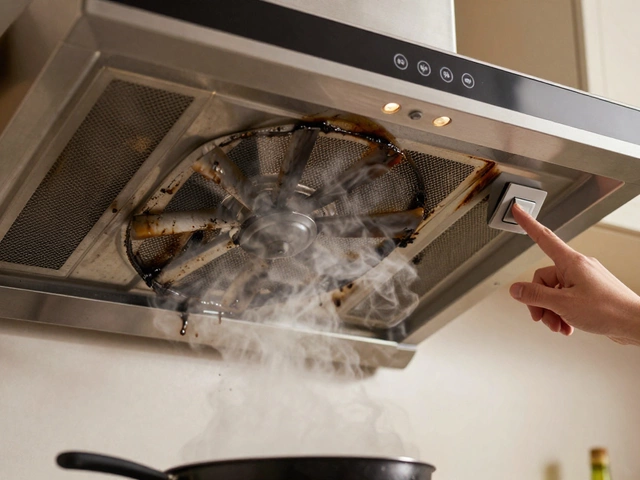
Regular maintenance extends the life of your extractor fan significantly. Grease buildup is the enemy. It coats the blades, making them unbalanced and heavy, which strains the motor.
Clean your filters every month. If you cook frequently, consider installing a baffle filter instead of a mesh one-they’re easier to wipe down. Check the external vent quarterly to ensure no leaves or debris block the opening. In winter, ice can sometimes seal the flap shut in colder regions, though this is less common in Wellington’s mild climate.
Listen to your fan. A change in pitch or volume is an early warning sign. Addressing small issues early prevents catastrophic motor failures that require full unit replacements.
Can I replace an extractor fan myself?
You can replace the physical unit if you are comfortable with basic tools and the new fan plugs into an existing outlet. However, if hardwiring is required, New Zealand law mandates a licensed electrician to perform the connection and issue an Electrical Inspection Certificate.
Why is my extractor fan loud but not sucking?
This usually indicates a blockage in the ductwork or a stuck external flapper valve. The motor is running (creating noise), but air cannot escape. Call an HVAC technician or plumber to inspect the duct path and vent termination.
How much does extractor fan repair cost in Wellington?
Typical costs range from $150 for minor electrical fixes to $600 for motor replacements. Duct cleaning services generally cost between $200 and $400. Always request a detailed quote upfront to avoid surprises.
Do I need a permit to install an extractor fan?
For standard kitchen renovations, permits are rarely needed unless you are altering load-bearing walls or changing the exterior facade significantly. However, electrical connections always require certification by a licensed electrician under NZ regulations.
What should I do if my fan smells like burning?
Turn off the power immediately at the switchboard. Do not use the fan. This could indicate overheating wiring or a failing motor. Contact a licensed electrician for inspection before attempting any further use.