Water Heater Failure Diagnostic Tool
Report Your Symptoms
Visual Diagnosis
Diagnosis Result:
Picture this: You’re ready for a hot shower after a long day, you turn the knob, and out comes ice-cold water. Or worse, you hear a strange popping noise from the basement before the water stops coming altogether. It’s frustrating, uncomfortable, and often happens at the worst possible time. But here is the truth about water heater failure: it rarely happens all at once without warning. The unit usually tells you it’s dying through specific symptoms tied to specific components.
Most homeowners assume their water heater just "broke" because it got old. While age is a factor, the actual point of failure is almost always one of a few predictable spots. Knowing exactly where these failures occur helps you decide whether you need a quick fix or a full replacement. Let’s look under the hood at the most common places water heaters give up the ghost.
The Silent Killer: Sediment Buildup in the Tank
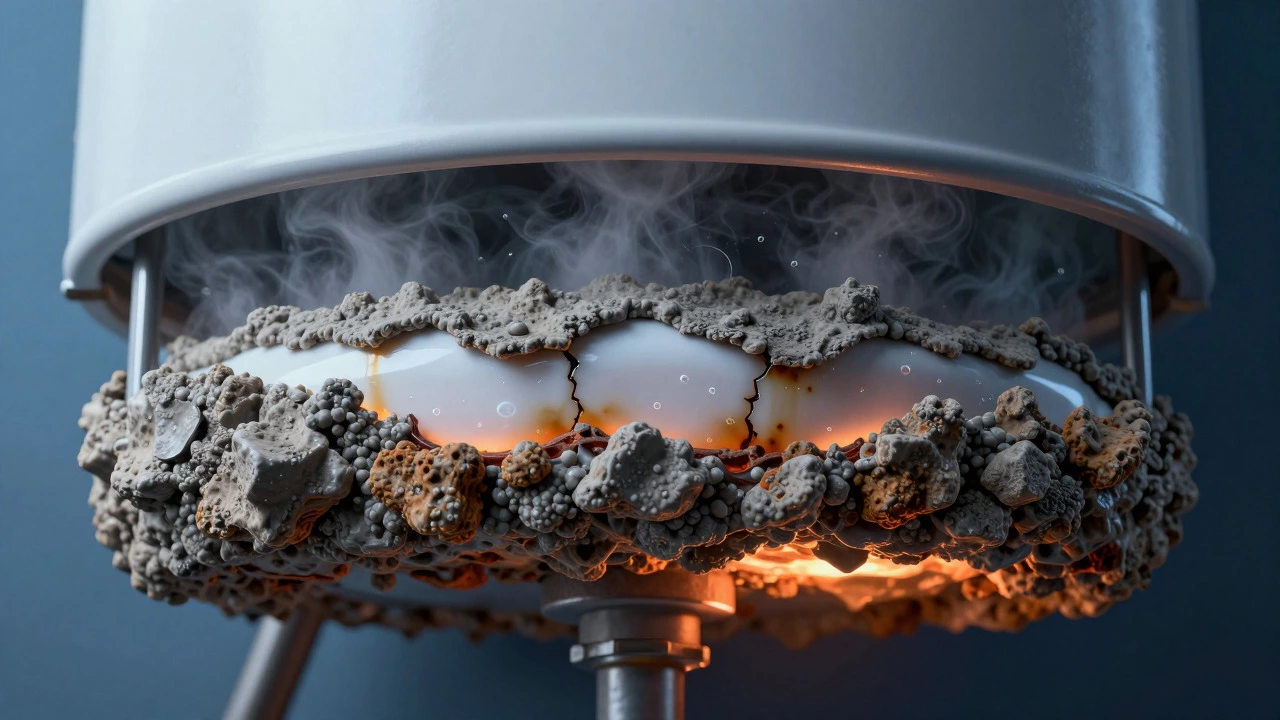
If there is one thing that kills more residential water heaters than any other single cause, it is sediment. This isn’t just dirt; it is minerals like calcium and magnesium that precipitate out of hard water as it heats up. Over time, these minerals settle at the bottom of the tank, forming a thick layer of rock-like crust.
Here is why this is so dangerous for your unit. When the sediment layer gets too thick, it traps heat. The metal of the tank itself starts to overheat because the water can no longer absorb the energy efficiently. This thermal stress causes the glass lining inside the steel tank to crack. Once that lining cracks, water touches bare steel. Rust sets in, and eventually, the tank develops a pinhole leak. At this stage, the damage is irreversible. The only option is replacement.
You can often spot this issue early. If your water heater makes rumbling, popping, or cracking noises when heating up, that is boiling water trapped under the sediment layer escaping. It’s a clear sign that the tank needs flushing immediately.
The First Line of Defense: The Anode Rod
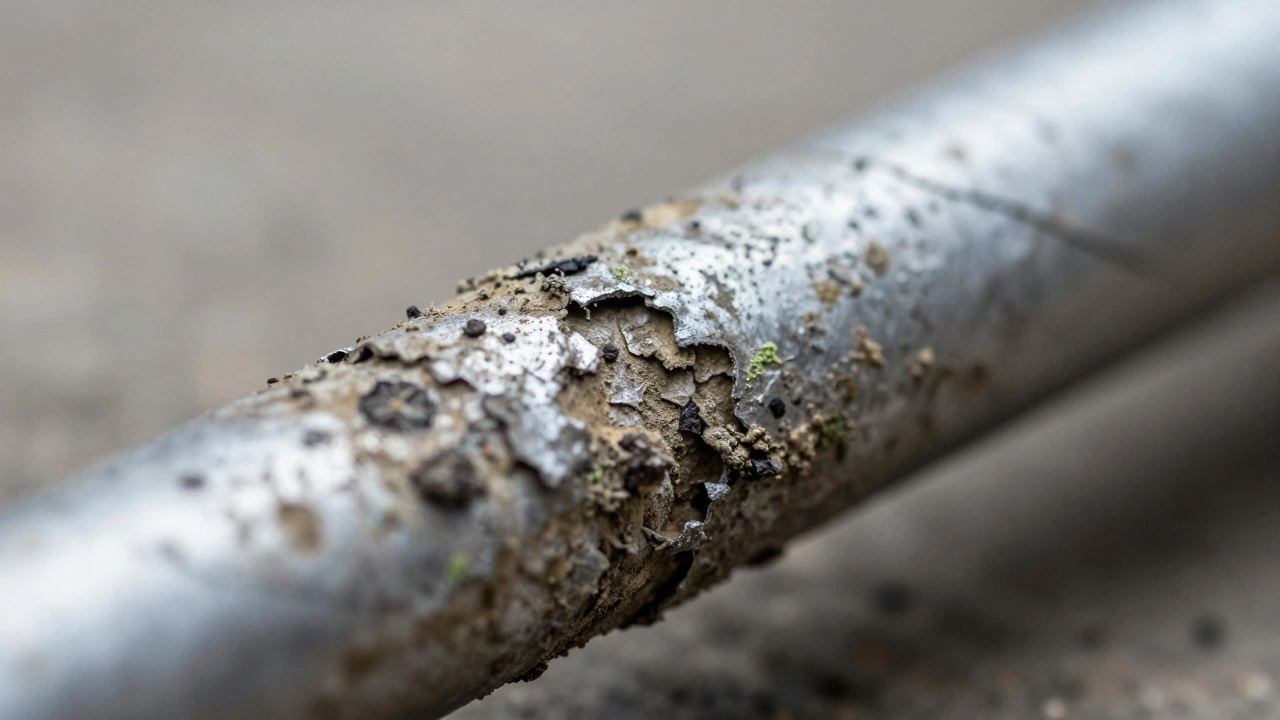
Before the tank rusts out, another component takes the hit. Every modern water heater has a sacrificial anode rod. This is a long metal rod, usually made of magnesium or aluminum, inserted into the top of the tank. Its job is simple but critical: it corrodes instead of the tank walls.
Think of the anode rod as a bodyguard. It attracts corrosive elements in the water, sacrificing itself to protect the steel tank. Over time, this rod wears down. In areas with very hard water, it might be completely gone in three to five years. In softer water areas, it could last ten or more. Most people never check it because it’s hidden inside the tank.
When the anode rod is fully consumed, corrosion shifts directly to the tank. If you notice your hot water smells rotten or sulfurous, that is often a sign the anode rod is depleted and bacteria are thriving on the remaining metal debris. Replacing an anode rod is cheap-usually under $50 for parts and labor if you do it yourself-but ignoring it can cost you hundreds in premature tank failure.
Temperature and Pressure Relief Valve Malfunctions
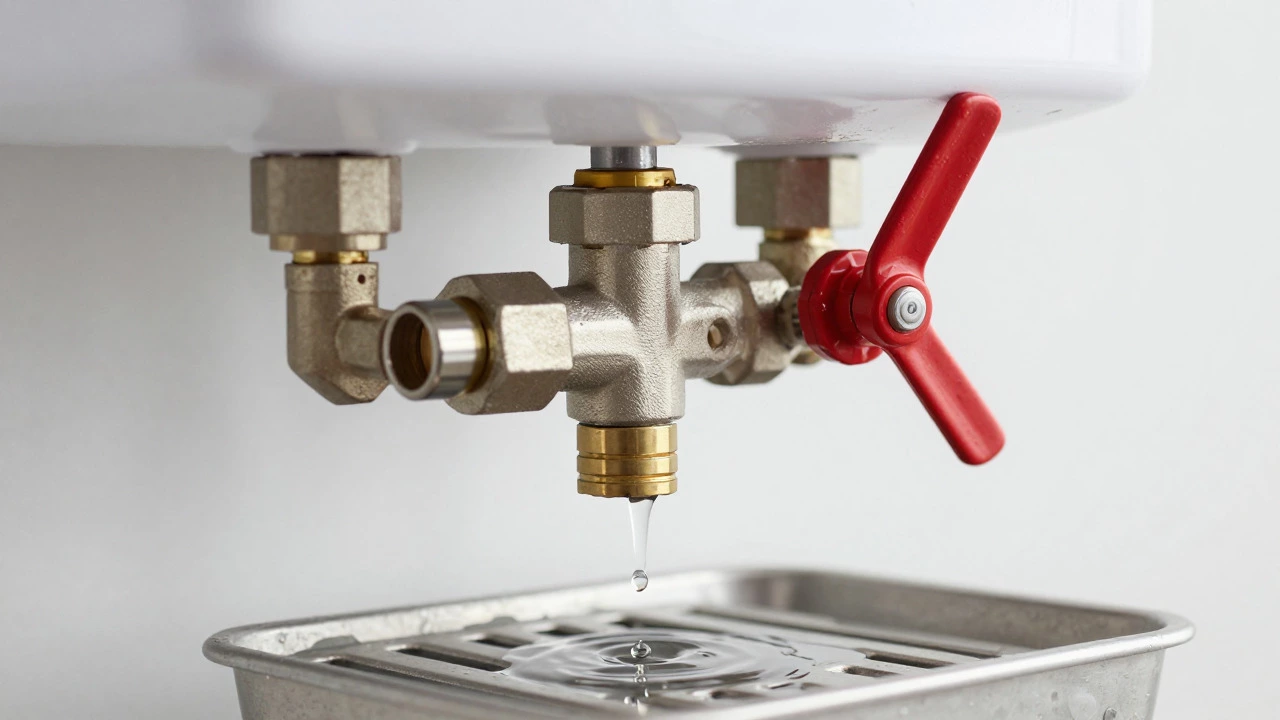
The Temperature and Pressure (T&P) relief valve is a safety device required by code. It sits on the side or top of the tank and is designed to open if the pressure or temperature gets dangerously high, releasing steam or water to prevent an explosion.
This valve fails in two main ways. First, it can stick shut due to mineral buildup, meaning it won’t release pressure when needed. This turns your water heater into a potential bomb. Second, and more commonly noticed by homeowners, it leaks continuously. A constant drip from the T&P valve onto the floor indicates either excessive pressure in your home’s plumbing system or a faulty valve that needs replacing.
If your T&P valve is leaking, don’t just ignore it. Check your home’s static water pressure with a gauge. If it’s above 80 psi, you might need a pressure-reducing valve installed on your main line. If the pressure is normal, the T&P valve itself is likely defective and should be swapped out immediately to maintain safety standards.
Thermocouple and Thermostat Issues in Gas Units
For gas water heaters, the problem often isn’t the tank itself but the ignition system. The thermocouple is a small copper tube located near the pilot light. Its job is to detect heat from the pilot flame and keep the gas valve open. If the pilot light goes out, the thermocouple cools down and shuts off the gas supply to prevent a leak.
Thermocouples fail frequently because they get coated in dust or simply wear out over time. If your pilot light keeps going out shortly after you relight it, the thermocouple is usually the culprit. It’s a inexpensive part and easy to replace. However, many technicians will try cleaning it first, as soot buildup can mimic a dead sensor.
Another common failure point in gas units is the thermostat. The thermostat controls how much gas flows to the burner. If it fails, you might experience inconsistent water temperatures, water that is too hot (a scalding risk), or no hot water at all. Unlike electric units which have two thermostats (upper and lower), gas units typically have one main thermostat that regulates the entire burner assembly.
Heating Element Burnout in Electric Models
Electric water heaters use immersion heating elements submerged in the water to raise the temperature. There are usually two elements: an upper one and a lower one. These elements are prone to burning out, especially if sediment builds up around them. Just like with gas burners, sediment insulates the element, causing it to overheat and fail prematurely.
A classic symptom of a failed heating element is lukewarm water. If you have some hot water but not enough to fill a tub, it’s likely the lower element has died while the upper one still works. If you have no hot water at all, both elements or the upper thermostat may have failed. Testing these elements requires a multimeter to check for continuity. If there is no continuity, the element is dead and needs replacement.
| Symptom | Likely Cause | Urgency |
|---|---|---|
| Popping/Rumbling Noises | Sediment Buildup | High (Flush soon) |
| Rotten Egg Smell | Depleted Anode Rod / Bacteria | Medium (Replace rod) |
| Lukewarm Water Only | Failed Lower Heating Element | Medium (Replace element) |
| No Hot Water (Gas) | Bad Thermocouple or Pilot Light | Low-Medium (Check pilot) |
| Water Leaking from Bottom | Tank Corrosion / Cracked Liner | Critical (Replace Unit) |
| Continuous Drip from Side Valve | Stuck T&P Valve or High Pressure | High (Safety Risk) |
Age and Lifespan Expectations
All water heaters fail eventually. Understanding the expected lifespan helps you plan for replacement rather than reacting to emergencies. Traditional tank-style water heaters typically last between 8 and 12 years. Tankless models, which don’t hold standing water, can last 15 to 20 years if maintained properly.
However, lifespan varies wildly based on water quality. Homes with soft water see units last toward the higher end of that range. Homes with hard water might see failures at year 6 or 7 due to accelerated sediment buildup. If your water heater is over 10 years old and showing any signs of trouble, it’s often smarter to replace it than to repair it. Newer models are also significantly more energy efficient, saving you money on utility bills over time.
Preventative Maintenance Tips
You can extend the life of your water heater significantly with simple maintenance. Here is what you should do:
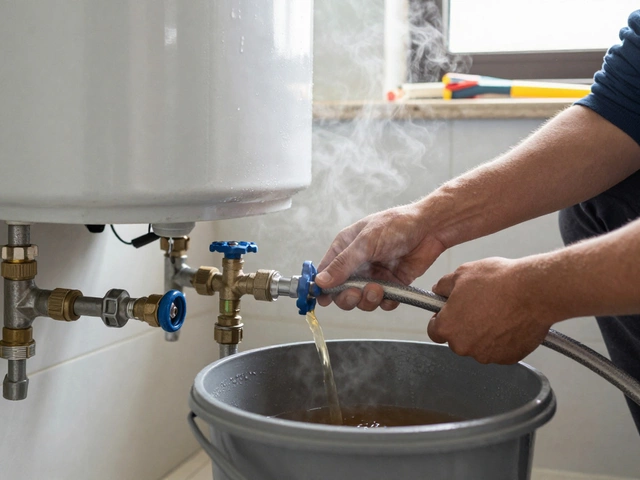
- Flush the tank annually: Attach a garden hose to the drain valve at the bottom of the tank and let it run until the water runs clear. This removes loose sediment before it hardens.
- Check the anode rod every 3-5 years: Hire a plumber to inspect it or learn to remove it yourself. If it’s less than half its original thickness, replace it.
- Test the T&P valve: Lift the lever on the valve once a year to ensure it moves freely and releases water. Turn it back down afterward.
- Inspect for leaks: Look around the base of the unit for puddles or dampness. Even small drips can indicate a failing seal or internal corrosion.
- Adjust the temperature: Keep the thermostat set to 120°F (49°C). Higher temperatures increase sediment buildup and scalding risks.
By focusing on these specific failure points, you take the guesswork out of water heater problems. Instead of wondering why your unit broke, you’ll know exactly which component gave out and what steps to take next.
How do I know if my water heater needs to be replaced?
If your water heater is over 10 years old, leaking from the bottom, making loud popping noises, or producing rusty water, it likely needs replacement. Minor issues like a bad thermostat or heating element can be repaired, but tank corrosion is irreversible.
What is the most common cause of water heater leaks?
The most common cause of leaks is internal tank corrosion due to a depleted anode rod and cracked glass lining from sediment overheating. External leaks can also come from loose fittings or a failed T&P valve.
Can a water heater explode?
Yes, but it is rare. Explosions occur when pressure builds up excessively due to a stuck T&P valve and a malfunctioning thermostat. Regular testing of the T&P valve prevents this.
How often should I flush my water heater?
You should flush your water heater at least once a year. In areas with very hard water, consider flushing it twice a year to prevent significant sediment buildup.
Why does my water heater smell like rotten eggs?
A rotten egg smell is usually caused by bacteria reacting with a depleted magnesium anode rod. Replacing the anode rod with an aluminum-zinc alloy or installing a chlorine injection system can solve this.