Gas Hob Repair vs. Replacement Calculator
Enter the details below to see if you should spend money on a fix or invest in a new energy-efficient model.
You’re mid-cook, the flame sputters out, or maybe it won’t light at all. The panic is real: do you toss this expensive appliance in the bin, or is there a chance to save it? The short answer is yes, most gas hobs are cooktop appliances that use natural gas or LPG to heat food via open flames. But "can" be repaired doesn't always mean "should" be repaired. Sometimes, the part costs more than the unit, and sometimes, safety risks make a quick fix dangerous.
This guide breaks down exactly what’s broken, how much it will cost to fix, and when you should just walk away. We’ll look at the common failures in modern hobs, the specific parts that fail, and the safety checks you need before touching a single screw.
Quick Summary / Key Takeaways
- Gas hob repair is often cheaper than replacement for minor issues like clogged jets or faulty igniters.
- Major component failures (like the gas valve assembly) usually make replacement the better financial choice.
- Safety is paramount; only certified engineers should handle gas lines or valves.
- Average repair costs range from $80-$250 for labor and parts, depending on complexity.
- If your hob is over 10 years old, weigh the repair cost against buying a new energy-efficient model.
Common Reasons Your Gas Hob Is Failing
Before calling a pro, identify the symptom. Most gas hob problems fall into three buckets: ignition, combustion, or control. Knowing which one is acting up helps you decide if a DIY fix is safe or if you need an expert.
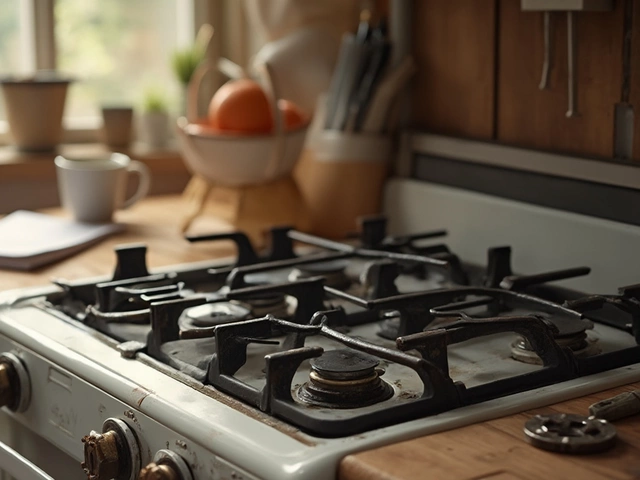
- No Spark: The piezo igniter or electronic spark module isn’t firing. This is often a simple battery swap (if battery-powered) or a clean of the electrode tip.
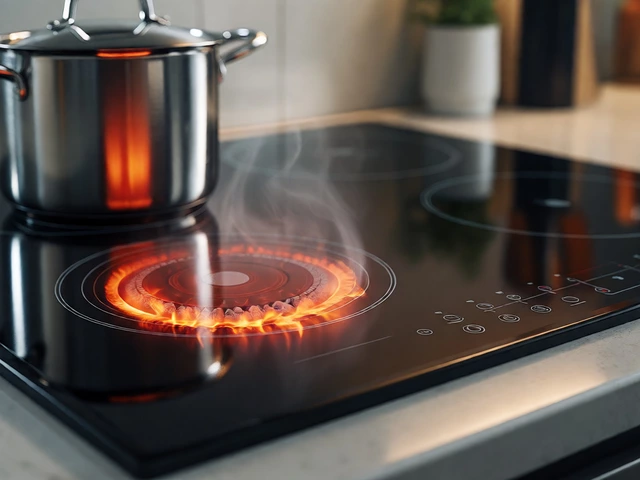
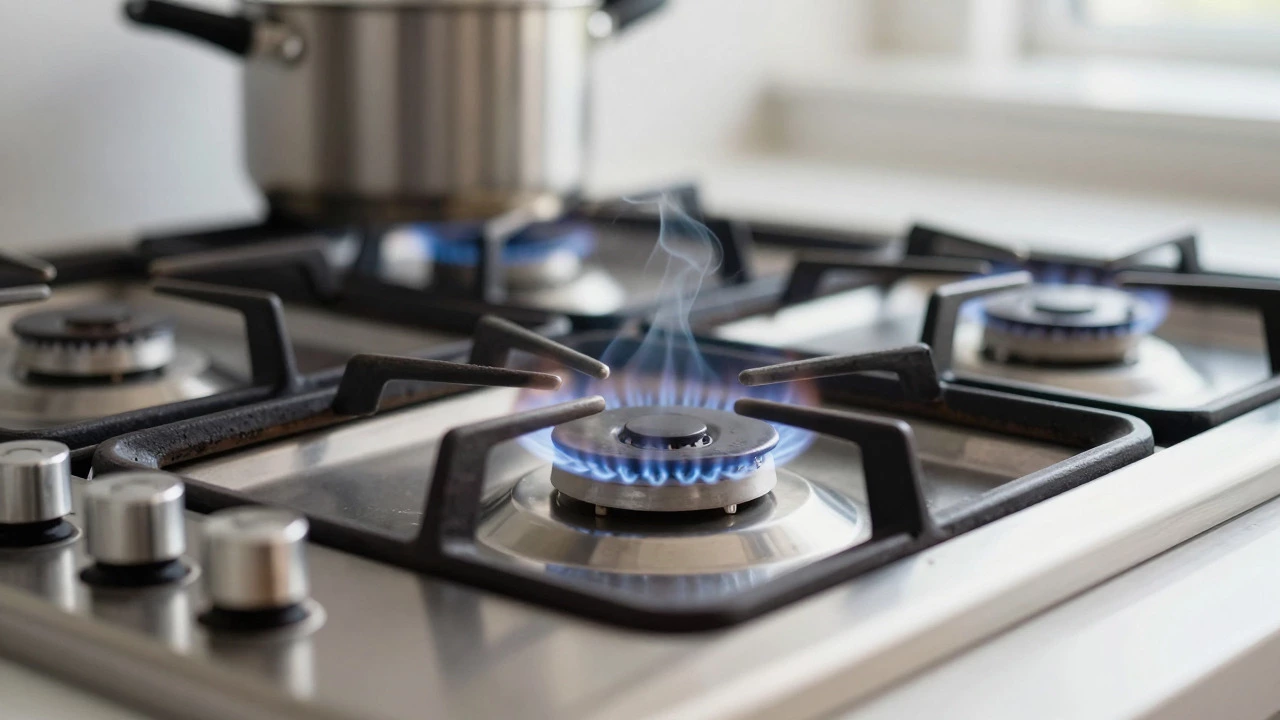
- Yellow Flame: Instead of blue, the flame is yellow and sooty. This indicates incomplete combustion, usually caused by a dirty burner cap or air intake blockage.
- Leak Smell: You smell gas even when the knob is off. This is critical. Turn off the main supply immediately. It could be a worn gasket or a cracked pipe.
- Knob Doesn’t Work: The control valve is stuck or the internal linkage has snapped. This requires disassembly.
For example, if you have a five-burner stainless steel hob and only one burner is affected, the issue is likely localized to that burner head. If all burners are dead, the problem is upstream-either the main gas supply, the solenoid valve, or the electrical connection for ignition.
DIY Fixes vs. Professional Repair
Not every job needs a technician. Here is where the line is drawn between what you can handle and what requires a licensed gas engineer.
| Issue Type | DIY Feasibility | Risk Level | Estimated Time |
|---|---|---|---|
| Cleaning burner caps/jets | High | Low | 30 mins |
| Replacing piezo igniter button | Medium | Low | 45 mins |
| Swapping electronic spark module | Medium | Medium | 1 hour |
| Replacing gas valve/solenoid | Low | High | 2+ hours |
| Fixing gas leak | None | Critical | Pro only |
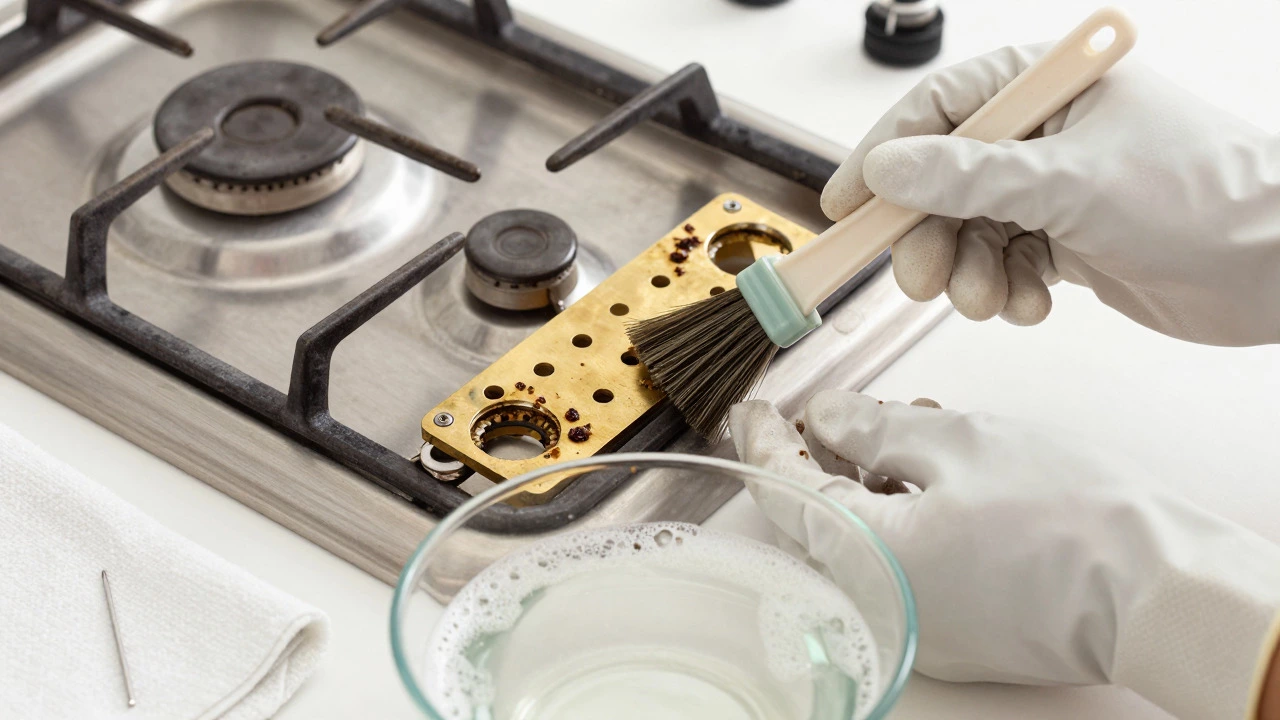
Cleaning is the first step for almost any performance drop. Food debris clogs the tiny holes in the burner base, restricting gas flow. Soaking the removable parts in warm soapy water and using a pin to clear the jets restores proper airflow. This fixes 40% of "weak flame" complaints without opening the cabinet.
However, once you get inside the chassis, things get tricky. The gas train involves precision fittings. A cross-threaded connection here can lead to micro-leaks that aren’t visible but are dangerous. This is why replacing the main control valve is best left to professionals who have the tools to test pressure and flow rates accurately.
How Much Does Gas Hob Repair Cost?
Costs vary by region and labor rates, but we can break down the typical structure. In New Zealand and similar markets, labor for a gas appliance specialist starts around $90-$120 per hour. Parts add to this quickly.
- Igniter Replacement: $50-$100 total. Cheap parts, but labor dominates the price.
- Burner Assembly: $80-$150. Includes the head, base, and cap set.
- Control Valve: $150-$300. Complex part with high labor time due to gas line disconnect/reconnect.
- Electronics Board: $100-$200. For digital hobs with touch controls.
Here is the rule of thumb: If the repair quote exceeds 50% of the cost of a new equivalent model, replace the hob. Modern gas hobs are built with integrated components. Unlike older models where you could buy a single valve, many newer units require swapping the entire control panel or gas manifold. That drives up the price significantly.
Safety Checks Before You Start
Working with gas means working with fuel. One mistake can lead to fire or explosion. Follow these non-negotiable steps:
- Turn Off the Supply: Close the isolation valve under the sink or behind the hob. Wait 5 minutes for residual gas to dissipate.
- Check for Leaks: Use a soap-and-water solution on joints. Bubbles mean a leak. Do not use a naked flame to test.
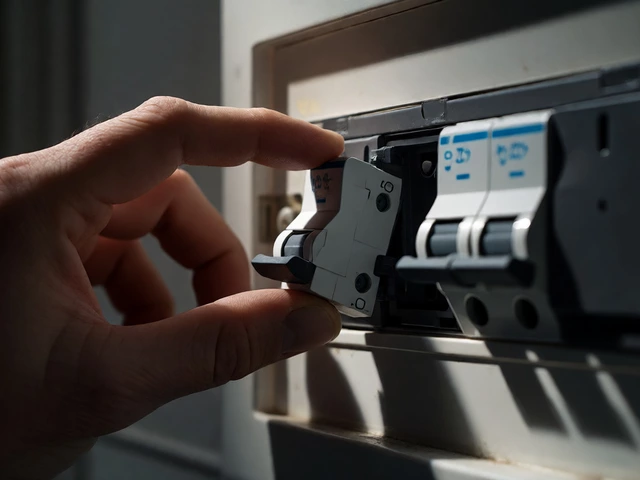
- Disconnect Power: If your hob has electric ignition, unplug it or flip the breaker. Piezo systems don’t need power, but electronic ones do.
- Label Wires: Before unscrewing anything, take photos of the wiring harness. Gas hobs have both gas lines and electrical connections intertwined.
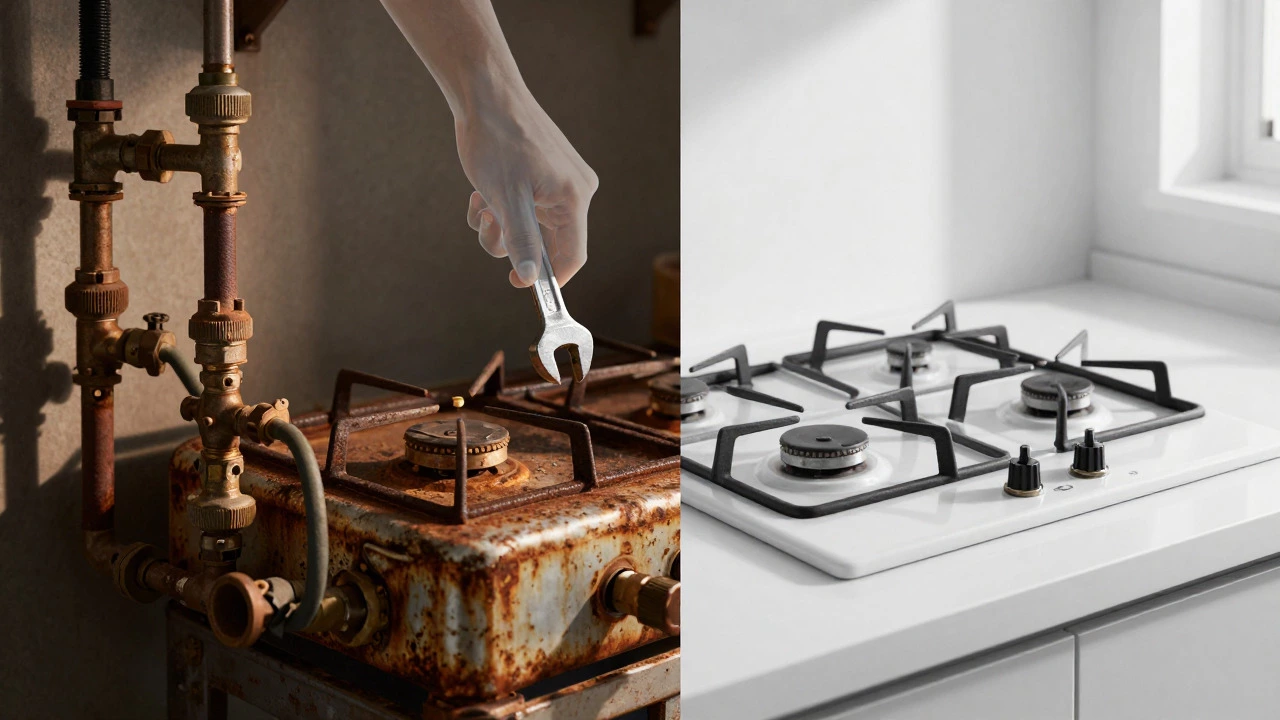
If you see corrosion on the gas pipes, stop. Corrosion weakens the metal and makes it prone to cracking. Replacing corroded piping is a job for a plumber or gas fitter, not a handyman.
When to Replace Instead of Repair
Sometimes, the math doesn’t work. Consider replacing your hob if:
- The unit is over 10-12 years old. Older models lack modern safety features like auto-shutoff timers.
- The frame is warped or rusted. Structural integrity matters for mounting stability.
- You want efficiency upgrades. Newer hobs have better thermal efficiency and lower emissions.
- The repair requires proprietary parts that are no longer manufactured.
Also, think about installation. If you are replacing the hob, ensure the new model fits the same cutout dimensions. Standard sizes are 60cm wide, but some compact models are 45cm or 75cm. Measure twice, order once.
Maintenance Tips to Extend Lifespan
Prevention is cheaper than cure. A few habits can double the life of your gas hob.
- Clean Weekly: Remove burner caps after cooking. Let them cool, then soak. Dry thoroughly before reinserting to prevent rust.
- Inspect Igniters Monthly: Check for carbon buildup on the spark electrodes. Gently wipe with a dry cloth.
- Test Flames Annually: Light each burner. Ensure the flame is blue at the base and yellow at the tips. If it’s mostly yellow, adjust the air shutter or call a pro.
- Keep Ventilation Clear: Don’t let grease build up near the ventilation slots. Blocked vents cause overheating and poor combustion.
Regular maintenance keeps the gas flow consistent. A well-maintained hob burns cleaner, uses less gas, and lasts longer. It’s a small effort that pays off in reliability.
Frequently Asked Questions
Is it safe to repair a gas hob yourself?
It is safe for surface-level tasks like cleaning burners or replacing a piezo button. However, any work involving the gas line, valve, or internal gas train should be done by a certified gas engineer to avoid leaks and ensure compliance with local building codes.
Why does my gas hob flame turn yellow?
A yellow flame indicates incomplete combustion, usually due to insufficient air mixing with the gas. This is often caused by clogged burner jets or a misaligned air shutter. Cleaning the burner and adjusting the air intake usually resolves the issue.
How long does a gas hob last?
With proper maintenance, a quality gas hob lasts 10 to 15 years. Signs of aging include rusted frames, difficult-to-turn knobs, and frequent ignition failures. Regular cleaning extends this lifespan significantly.
Can I convert a gas hob to electric?
Generally, no. Gas hobs and electric cooktops have different structural requirements, power needs, and safety standards. Converting is rarely practical or cost-effective. It is easier to replace the entire unit with a compatible electric or induction model.
What should I do if I smell gas but the hob is off?
Turn off the main gas supply immediately. Open windows for ventilation. Avoid using switches, phones, or open flames in the area. Call a certified gas engineer to inspect the lines and valves. Do not attempt to fix it yourself unless you are trained.