Fridge Repair vs. Replace Decision Tool
Enter the details of your current situation to get a personalized recommendation based on the "50% Rule" and energy savings analysis.
Decision Breakdown
Enter your appliance details on the left to generate a recommendation.
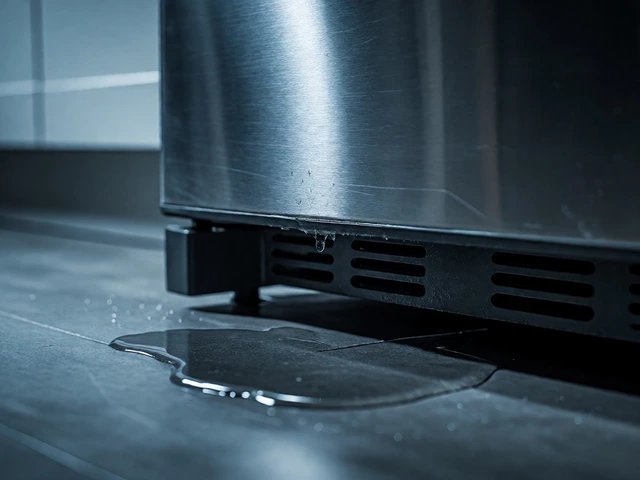
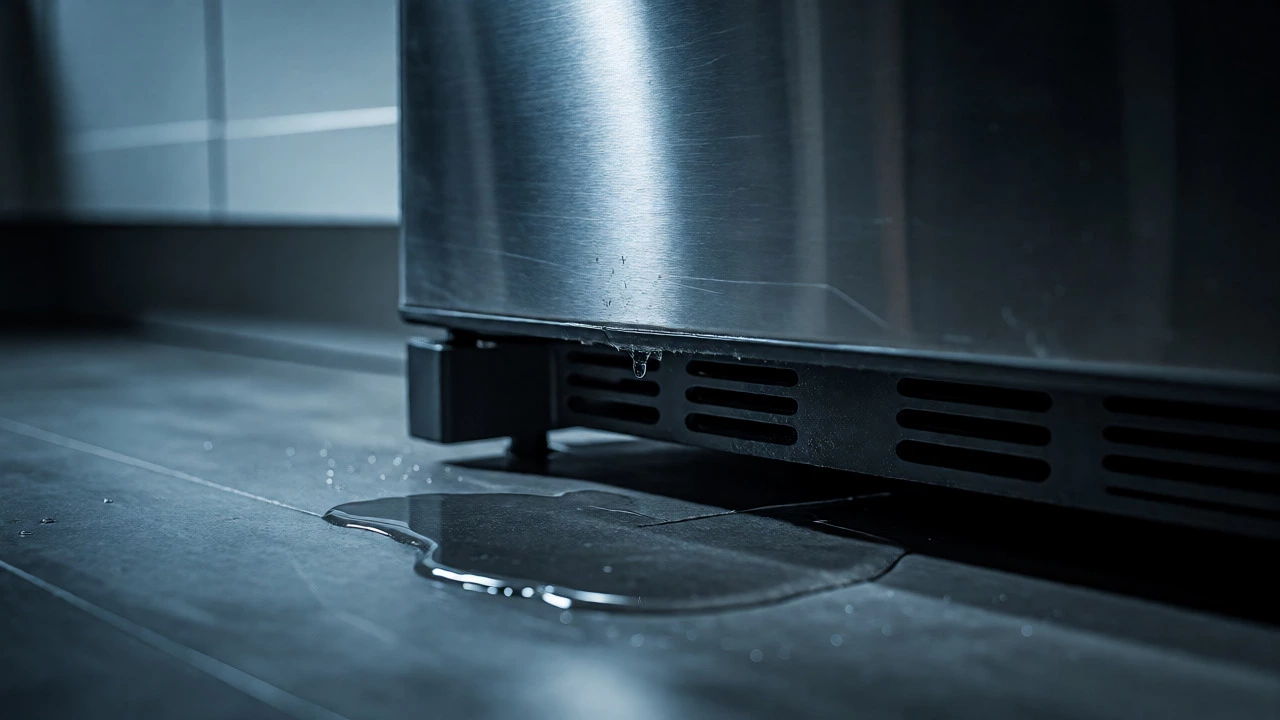
You stare at the puddle on your kitchen floor or listen to that new, worrying rattle coming from the back of the unit. Your fridge freezer is seven years old. It’s not brand new, but it’s not ancient either. This is the awkward middle age of appliances, where the warranty has long expired, but the machine still works-mostly.
The question isn't just about fixing it; it's about whether spending money on a repair makes financial sense compared to buying a new one. In New Zealand, with our specific electricity costs and climate, the math can be tricky. Let’s break down exactly when you should call a technician and when you should start browsing for replacements.
The Five-Year Cliff and Appliance Lifespan
Most manufacturers design standard household fridges to last between 10 and 15 years. At seven years, your unit is roughly halfway through its expected life. If it were five years old, the answer would almost always be "repair it." If it were fifteen, the answer would likely be "replace it." Seven is the gray zone.
Why does this matter? Because parts wear out. The compressor, which is the heart of the system, has been running cycles for seven years. The seals around the doors have been opening and closing thousands of times. The electronics have been exposed to voltage spikes and dust. You aren't just looking at the current problem; you're assessing the risk of the next failure occurring six months later.
The 50% Rule: A Simple Cost Check
Here is the most common heuristic used by appliance technicians in Wellington and across NZ: if the cost of the repair exceeds 50% of the price of a comparable new model, replace the appliance.
Let’s look at real numbers. A mid-range new fridge freezer in New Zealand might cost between $1,200 and $1,800. Half of that is $600 to $900. Now, check the quote from your repairer. If they say the compressor replacement plus labor is $450, you are under the threshold. Repair it. If they quote $950 because the part is rare or requires specialized labor, you are over the line. Buy a new one.
| Repair Cost | New Unit Price (Est.) | Verdict | Reasoning |
|---|---|---|---|
| $150 - $300 | $1,400 | Repair | Cheap fix, extends life significantly. |
| $300 - $600 | $1,400 | Repair | Worth it if no other issues exist. |
| $600 - $800 | $1,400 | Borderline | Check energy savings and brand reliability. |
| $800+ | $1,400 | Replace | Too close to new price; risk of second failure. |
Energy Efficiency: The Hidden Cost Factor
This is where many people get it wrong. They think a working fridge is a cheap fridge. But technology has changed drastically in the last decade. A fridge made in 2019 uses significantly less power than one made in 2019... wait, let's correct that: a fridge made in 2026 uses significantly less power than one made in 2019.
Modern inverters compressors adjust their speed based on demand, rather than just turning fully on and off. Older units run at full blast until the temperature drops, then shut off completely. This cycle consumes more electricity.
In New Zealand, electricity prices have risen sharply. If your 7-year-old unit is an older model without an Energy Rating Label a mandatory label showing annual energy consumption and star ratings, it could be costing you $50-$100 extra per year compared to a modern 5-star equivalent. Over the remaining 5-8 years of a new fridge's life, those savings can add up to $400-$800. That effectively lowers the "real" price of the new fridge, making the replacement option more attractive even if the repair cost is borderline.
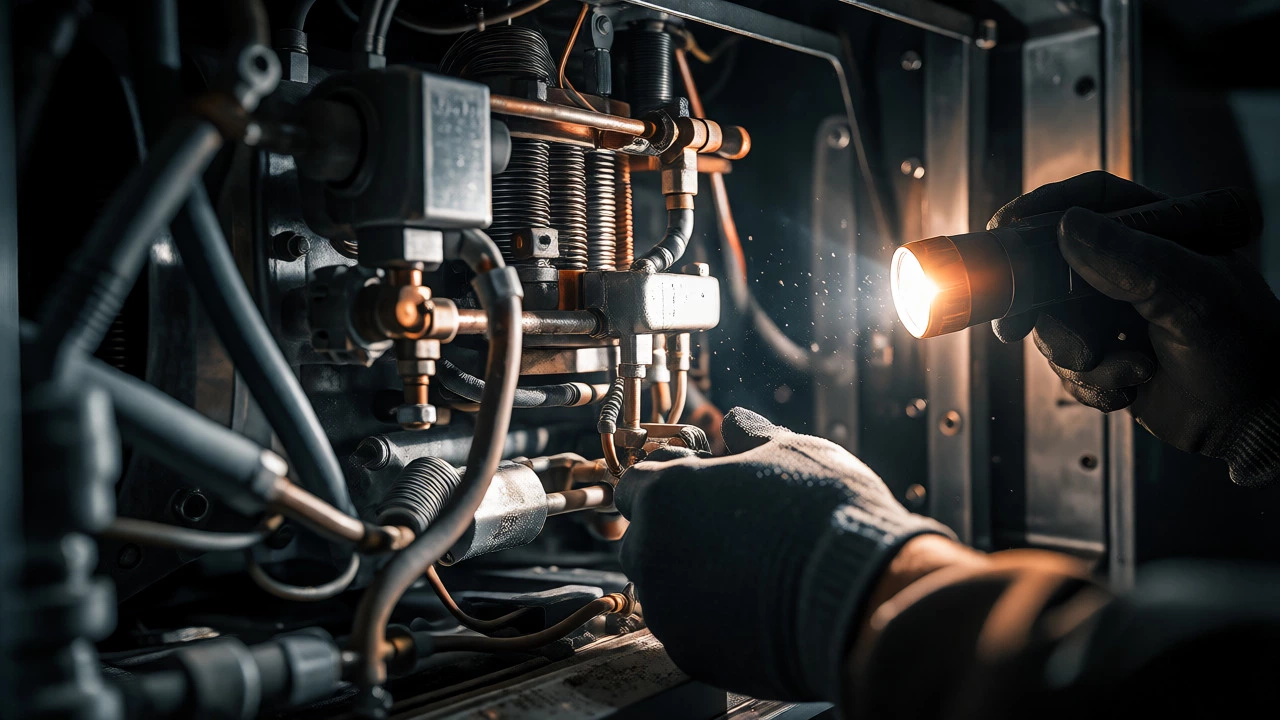
Which Breaks Are Worth Fixing?
Not all failures are created equal. Some are minor annoyances; others are fatal diagnoses.
- Door Seals (Gaskets): These are cheap ($50-$100) and easy to replace. If your fridge is leaking cold air, fix it immediately. It saves energy and prevents ice buildup.
- Fan Motors: Evaporator fans help circulate cold air. Replacing them usually costs $200-$400. Since the compressor is still healthy, this is almost always worth repairing.
- Thermostats and Control Boards: Electronic failures can range from $150 to $500. If it's just a sensor, repair it. If the main control board is fried and proprietary to the brand, check availability first. Sometimes parts for 7-year-old models are discontinued.
- The Compressor: This is the big one. The compressor pumps refrigerant. If it fails, the repair often involves welding, gas regassing, and high labor costs. Quotes typically land between $600 and $900. For a 7-year-old unit, this is risky. Why pay $800 to fix a component that has already done 50% of its life, only to face another $300 repair next year for the condenser fan?
Brand Reliability Matters
Your decision depends heavily on what brand you own. Some brands build tanks; others build disposables.
If you own a Bosch German-engineered appliance known for durability, Miele Premium German brand tested for 20-year lifespans, or a high-end Smeg, these machines are designed to be repaired. Parts are available for decades. Even at seven years, investing in a repair is often smarter than replacing a premium unit with a cheaper, plastic-heavy alternative.
Conversely, if you own a budget brand sold exclusively at major retailers like Harvey Norman or JB Hi-Fi, the internal components may be generic and the build quality lower. These units are often designed with planned obsolescence in mind. Spending $600 to fix a $1,000 budget fridge is rarely wise. You’re better off putting that $600 toward a discount on a new model.
The Environmental Angle
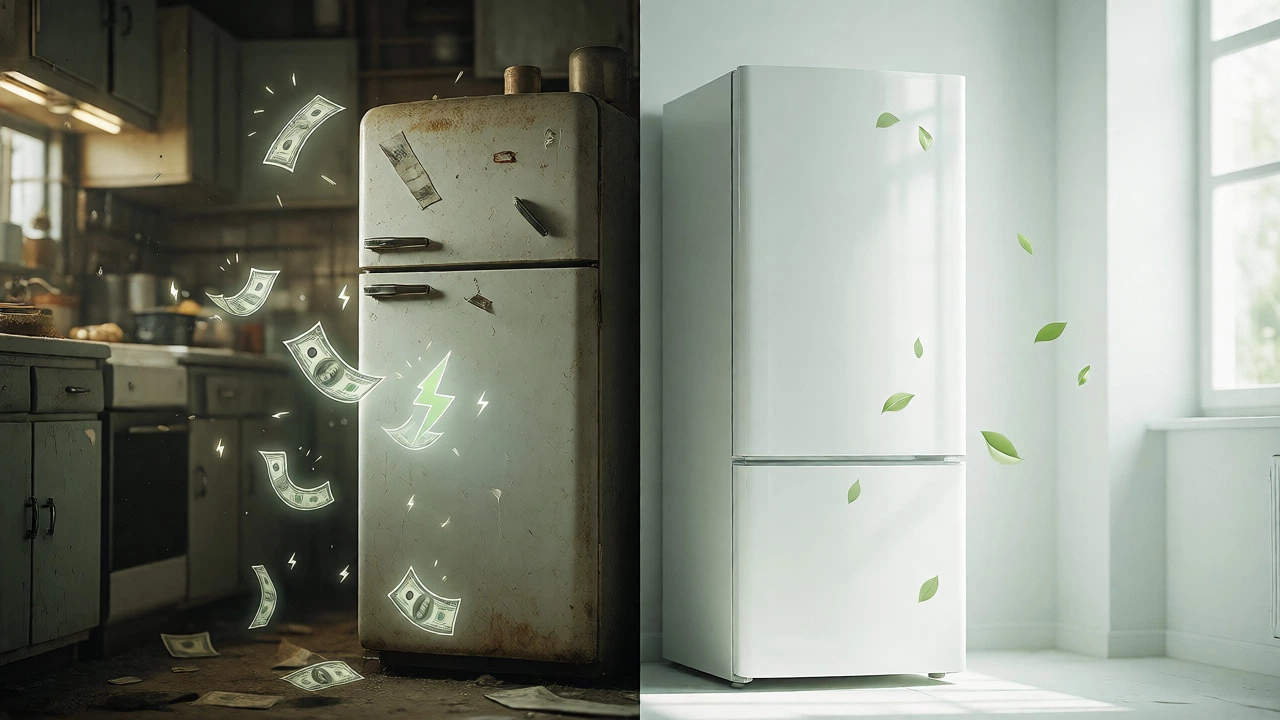
We live in Wellington. We care about sustainability. Manufacturing a new fridge requires significant resources: steel, plastic, copper, and refrigerants. Transporting it here adds carbon emissions. Disposing of the old one creates e-waste.
From an environmental perspective, keeping your current fridge running is almost always better, provided it isn't using double the electricity of a new model. If the repair keeps the unit going for another 3-5 years, you’ve delayed the manufacturing footprint of a new unit. However, if the repair is expensive and the unit is inefficient, the energy waste over time might outweigh the embodied carbon of a new fridge. It’s a trade-off between immediate resource use and long-term operational efficiency.
How to Make the Final Call
Don't guess. Get data. Here is a quick checklist before you agree to any work:
- Get a firm quote. Ask specifically: "Does this include parts, labor, and call-out fees?" Surprise charges kill budgets.
- Ask about part availability. Will the technician have the part today, or do they need to order it? Waiting three weeks for a thermostat while your food rots is unacceptable.
- Check the warranty. Does the repair come with a guarantee? Most reputable NZ technicians offer a 3-12 month warranty on the specific part fixed. If they won't stand behind their work, walk away.
- Inspect the rest of the unit. While the tech is there, ask them to check the condenser coils. If they are clogged with dust, clean them. This simple maintenance can drop your energy bill and extend the life of the compressor.
If the repair cost is under $400, do it. If it’s over $700, buy a new one. Between $400 and $700, look at your electricity bill and the brand reputation. If you have a premium brand and low usage, repair. If you have a budget brand and high usage, replace.
Frequently Asked Questions
How long do fridge freezers last in New Zealand?
The average lifespan is 10 to 15 years. However, this varies greatly by brand and usage. Premium brands like Miele or Bosch often exceed 15 years with proper maintenance, while budget brands may fail around the 7-10 year mark due to cheaper components.
Is it cheaper to repair or replace a fridge?
It depends on the age and fault. For units under 5 years old, repair is almost always cheaper. For units over 10 years, replacement is usually better. At 7 years, if the repair cost is less than 50% of a new unit's price, repair is generally the financially sound choice.
What is the most expensive part to replace in a fridge?
The compressor is the most expensive component to replace, typically costing between $600 and $900 including labor and refrigerant gas. The sealed system repair is complex and often signals the end of the appliance's viable life if the unit is older.
Do new fridges save enough electricity to justify the cost?
Yes, potentially. Modern inverter fridges can use 30-50% less energy than models from 10+ years ago. With rising NZ electricity rates, you might save $50-$100 annually. Over 10 years, this offsets a portion of the purchase price, especially if your old unit is an older non-inverter model.
Should I repair a fridge if the door seal is broken?
Absolutely. Door seals (gaskets) are inexpensive ($50-$150) and easy to replace. A bad seal forces the compressor to work harder, increasing energy bills and causing ice buildup. Fixing this is one of the best value repairs you can make.