Boilers keep homes warm in winter, but when they start acting up, it’s tempting to grab a wrench and fix it yourself. After all, you’ve changed a lightbulb, unclogged a drain, and even replaced a toilet flapper. So why not service your boiler? The short answer: you can do some things, but many parts of boiler servicing are dangerous, illegal, or both.
What You Can Safely Do Yourself
You don’t need to be a professional to handle basic boiler checks. Most homeowners in New Zealand can safely perform these tasks:
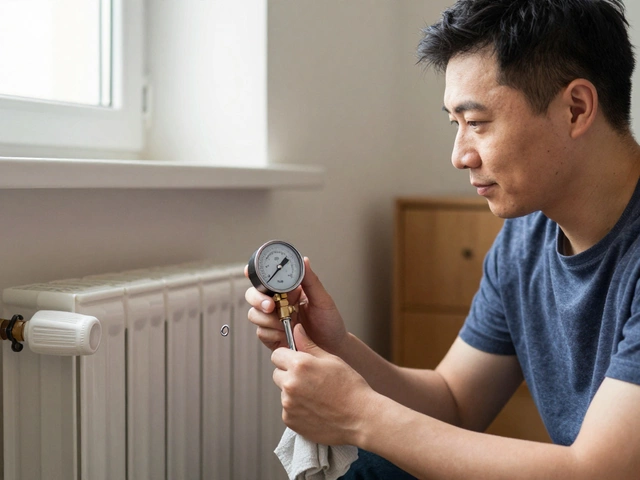
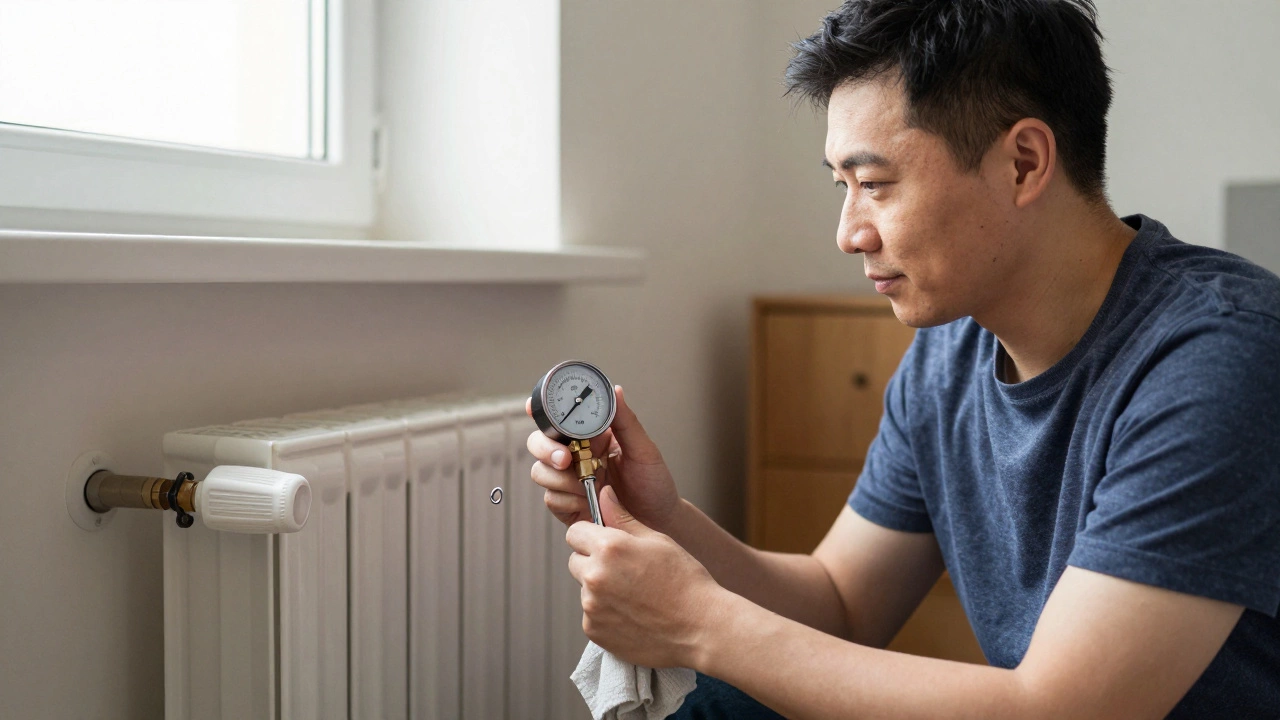
- Check the boiler pressure gauge - it should sit between 1 and 1.5 bar. If it’s below 0.5, you can top it up using the filling loop (usually a small silver tap near the boiler).
- Bleed the radiators. If the top of a radiator is cold, air is trapped. Turn off the boiler, place a cloth under the bleed valve, and use a radiator key to open it slowly until water comes out.
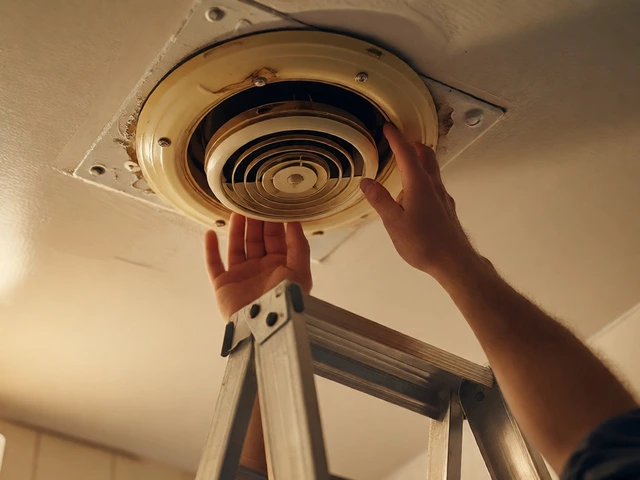
- Clean the external vents and flue terminal. Dust, leaves, or bird nests can block airflow. Use a brush or vacuum - no tools needed.
- Check for leaks around pipes or valves. A small drip might mean a loose fitting you can tighten by hand.
- Reset the boiler. If it shuts down, follow the manual’s reset instructions. Most modern boilers have a button or dial for this.
These are simple, low-risk actions. If you’re unsure, watch a video from your boiler’s manufacturer. Brands like Worcester Bosch, Vaillant, and Ideal have clear guides online.
What You Should Never Touch
Here’s where DIY turns risky:
- Opening the boiler casing. Gas boilers have pressurized systems, live electrical components, and gas lines. A single mistake can cause a gas leak, electric shock, or carbon monoxide buildup.
- Adjusting the gas valve or burner settings. These are calibrated for safety and efficiency. Even a small change can make your boiler burn inefficiently or dangerously.
- Replacing the heat exchanger, pump, or control board. These are precision parts. Installing one wrong can flood your home with water or stop your boiler from working entirely.
- Testing for carbon monoxide without a detector. You can’t smell it. You can’t see it. A faulty boiler can kill you before you even notice.
In New Zealand, the Gas Safety Regulations 2010 require gas work to be done by a licensed gasfitter. That includes any work inside the boiler or on gas lines. Violating this isn’t just risky - it’s illegal. Insurance companies will refuse claims if they find an unlicensed person tampered with your boiler.
Why Annual Servicing Matters
Most boiler manufacturers require an annual service to keep the warranty valid. But beyond paperwork, there’s real value:
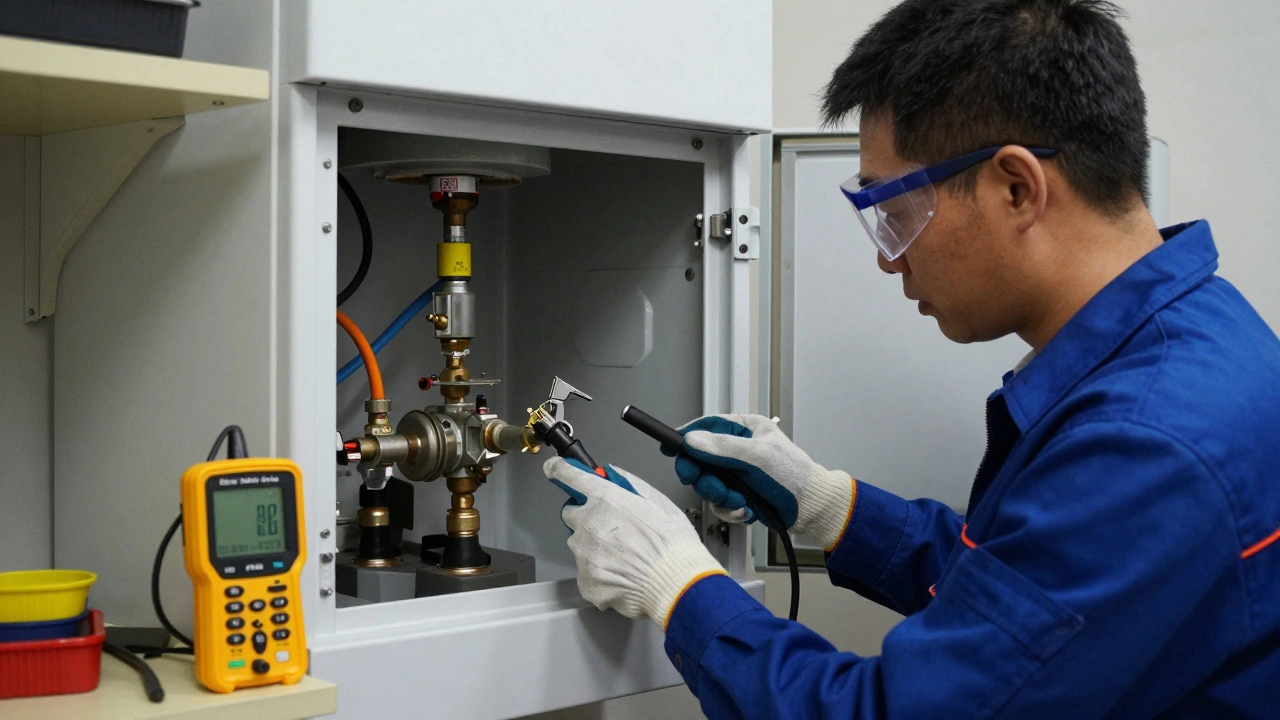
- A technician checks for carbon monoxide leaks - a silent killer that causes over 20 deaths a year in New Zealand.
- They clean the heat exchanger, which builds up sludge over time. A clogged heat exchanger can crack, leading to costly repairs or full replacement.
- They test safety valves, pressure sensors, and thermostats. A faulty thermostat might make your boiler run nonstop, wasting gas and raising bills.
- They spot small problems before they become big ones. A tiny leak today could mean a flooded floor and a $5,000 repair next winter.
According to Energy Efficiency and Conservation Authority (EECA) data, homes with annual boiler services use 15-20% less gas than those without. That’s $200-$300 saved a year on average in Wellington.
Signs You Need a Professional
Don’t wait for a breakdown. Call a licensed gasfitter if you notice:
- Strange noises - banging, whistling, or gurgling from the boiler.
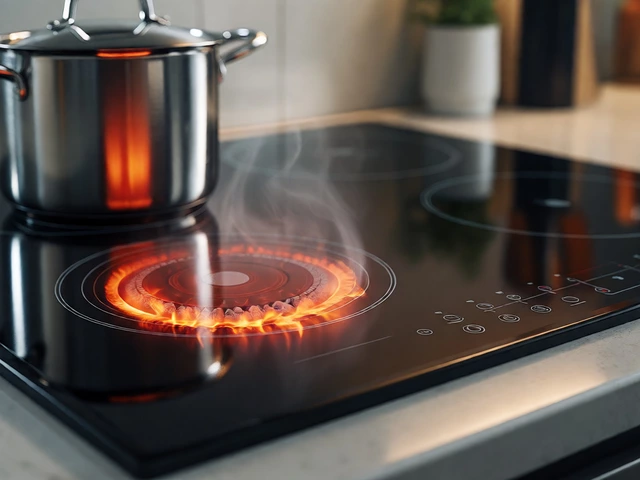
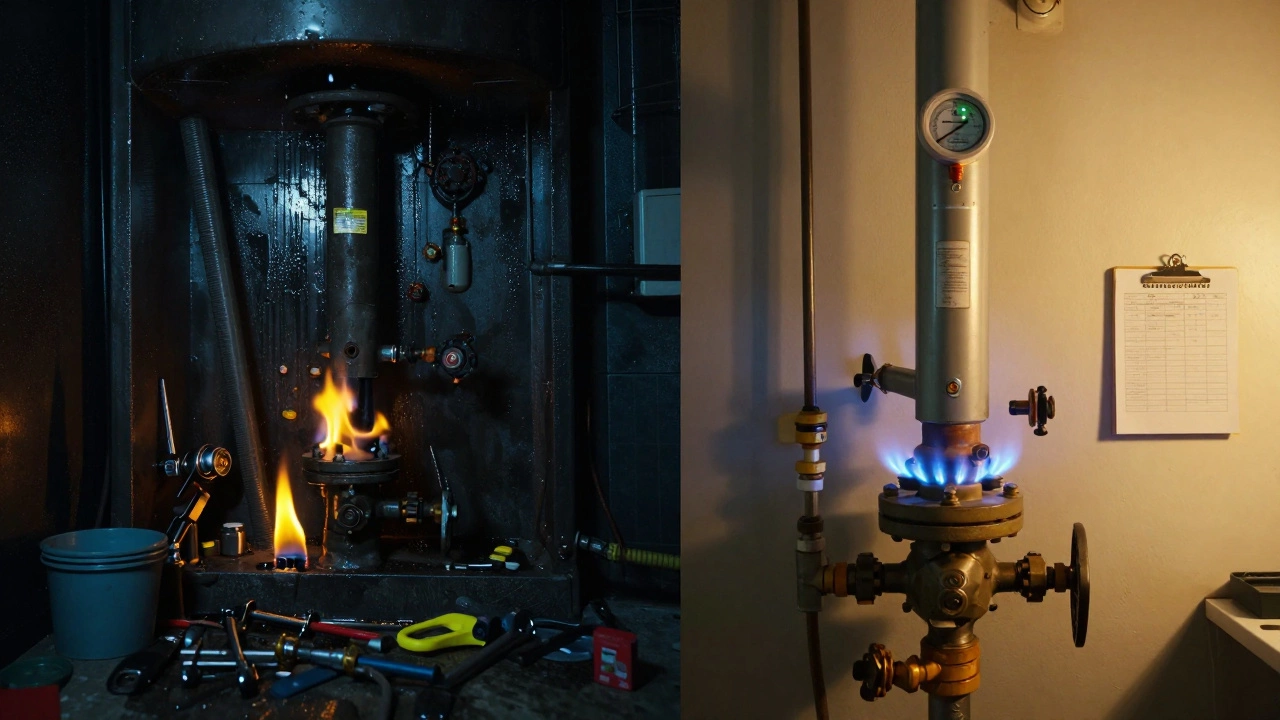
- Yellow or orange flames instead of blue. Blue means clean burning. Yellow means incomplete combustion - a sign of carbon monoxide risk.
- Water stains around the boiler or pipes.
- The boiler turns off randomly or won’t restart.
- You smell gas (like rotten eggs). Turn off the gas at the main valve, open windows, and call a gasfitter immediately.
These aren’t "maybe" issues. They’re red flags. Ignoring them can lead to system failure, fire, or poisoning.
How to Find a Licensed Gasfitter in New Zealand
Not all plumbers are gasfitters. You need someone with a Gasfitter Licence from the Gas Industry Company (GIC). Here’s how to find one:
- Go to the Gas Industry Company website and use their Find a Gasfitter tool.
- Ask for proof of their licence - they should carry a photo ID card with a unique number.
- Check reviews on TradeMe or Google. Look for mentions of punctuality, clear explanations, and no hidden fees.
- Get a written quote before work starts. A reputable gasfitter will explain what they’ll do and how much it costs.
Most boiler services cost between $150 and $250 in New Zealand. That’s a small price to pay for safety and efficiency.
DIY vs Professional: The Real Cost Comparison
Some people think DIY saves money. But let’s look at the hidden costs:
| Factor | DIY | Professional |
|---|---|---|
| Cost | $0-$50 (tools, parts) | $150-$250 |
| Risk of injury | High (gas, electric, burns) | Negligible |
| Risk of carbon monoxide leak | Significant | Prevented |
| Warranty validity | Voided | Maintained |
| Long-term efficiency | Often reduced | Improved |
| Insurance coverage | Denied if damage occurs | Protected |
The real savings come from avoiding repairs that cost $1,000-$5,000. A cracked heat exchanger? That’s a new boiler. A flooded basement? That’s structural damage. Professional servicing pays for itself.
What to Do After Servicing
Once your boiler’s been serviced, keep it running smoothly:
- Test your carbon monoxide detector monthly. Replace batteries yearly.
- Keep the boiler area clear. Don’t store boxes, paint, or cleaning supplies near it.
- Set your thermostat to 18-20°C. Running it hotter doesn’t heat faster - it just wastes gas.
- Check pressure every few months. If it drops often, there’s a leak.
- Keep the service record. You’ll need it if you sell your home.
Boilers last 10-15 years with proper care. Without it? Maybe five.
Final Thoughts
You can handle the easy stuff - bleeding radiators, checking pressure, cleaning vents. But the heart of the boiler? That’s not your job. Gas systems are not like plumbing or electrical circuits you can tinker with. They’re high-pressure, high-heat, and potentially deadly if mishandled.
There’s no shame in calling a professional. It’s smart. It’s safe. And in New Zealand, it’s the law. Your boiler keeps you warm. Let someone who knows how to keep it safe do the heavy lifting.
Can I service my gas boiler myself in New Zealand?
You can do basic checks like bleeding radiators or topping up pressure. But any work involving opening the boiler casing, adjusting gas valves, or replacing internal parts must be done by a licensed gasfitter. It’s illegal and dangerous to do more than that yourself.
How often should I service my boiler?
Once a year. Most manufacturers require annual servicing to keep the warranty valid. It also catches small problems before they turn into expensive repairs or safety hazards.
What happens if I don’t service my boiler?
Your boiler will become less efficient, using more gas and raising bills. Sludge builds up in the heat exchanger, which can crack and leak. More importantly, you risk carbon monoxide leaks - a silent, deadly hazard. Insurance may also deny claims if damage results from lack of servicing.
Is a boiler service worth the cost?
Yes. A typical service costs $150-$250. That’s far less than replacing a cracked heat exchanger ($1,000+) or a full boiler ($5,000+). You’ll also save 15-20% on heating bills and avoid dangerous situations.
How do I know if my boiler is leaking carbon monoxide?
You can’t smell or see carbon monoxide. But signs include yellow or orange flames instead of blue, soot or staining around the boiler, and feeling dizzy or nauseous when the boiler is running. Install a carbon monoxide detector - it’s your only reliable warning.