Heat Pump Repair vs. Replace Decision Tool
Use the "50% Rule" and efficiency calculations to make an informed decision.
Enter Your Details
Fill in the details to see if you should fix or replace.
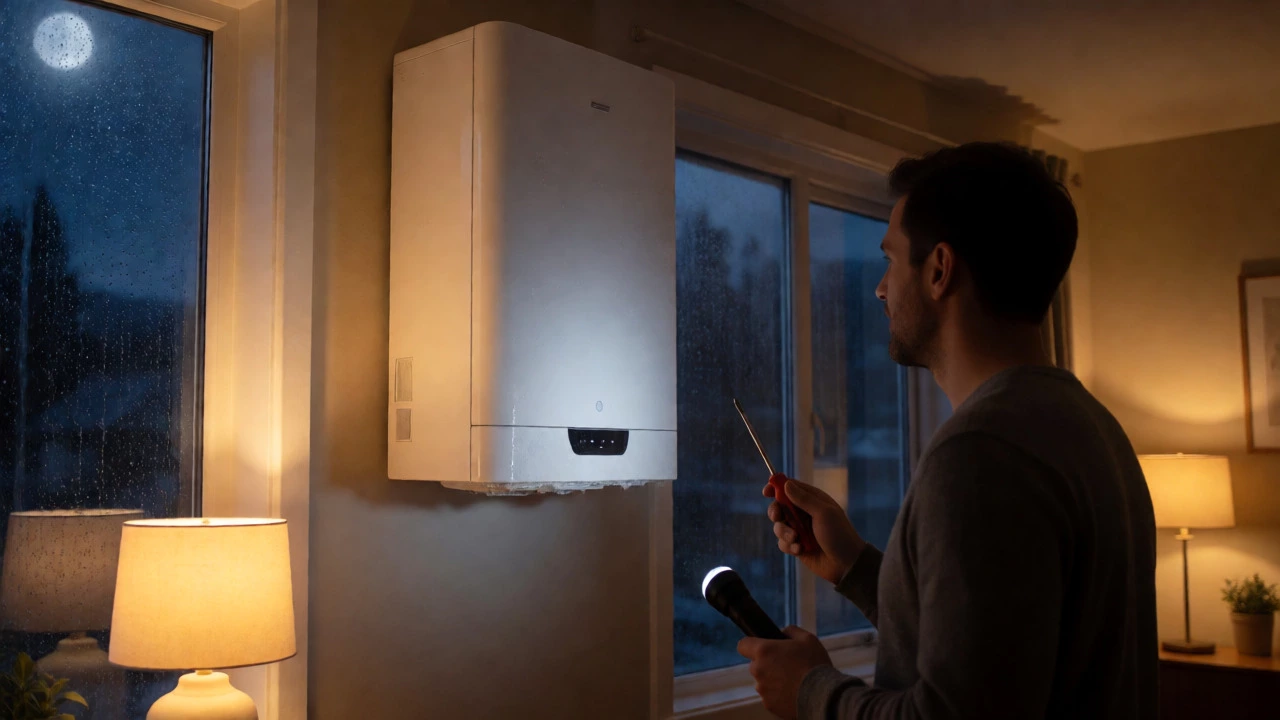
It’s 2 AM in Wellington, the wind is howling off the harbour, and your heat pump just started making a sound like a dying lawnmower. Or worse, it’s blowing lukewarm air when you desperately need warmth. Your first instinct might be to grab a screwdriver and dive in. But here is the hard truth: heat pump repair isn't always a simple fix-it-yourself job. While some issues are easy to spot and solve, others involve high-voltage electricity and hazardous chemicals that can leave you cold-literally-if handled incorrectly.
Heat pumps are sophisticated machines that move heat rather than generate it. Unlike a traditional furnace or electric heater, they rely on a complex cycle involving compressors, fans, coils, and refrigerants. This complexity means that while the core concept is simple, the execution requires precision. If you’re wondering whether you can tackle this yourself, you need to distinguish between basic maintenance tasks, which are safe for homeowners, and internal mechanical repairs, which usually require a licensed professional.
The Safety Line: What You Can (and Should) Fix Yourself
Before you crack open the casing, understand that most "repairs" people think they need are actually just cleaning jobs. A dirty heat pump is an inefficient heat pump. In fact, the Energy Efficiency and Conservation Authority (EECA) notes that regular maintenance can improve efficiency by up to 15%. Here is what you can safely handle without calling a technician:
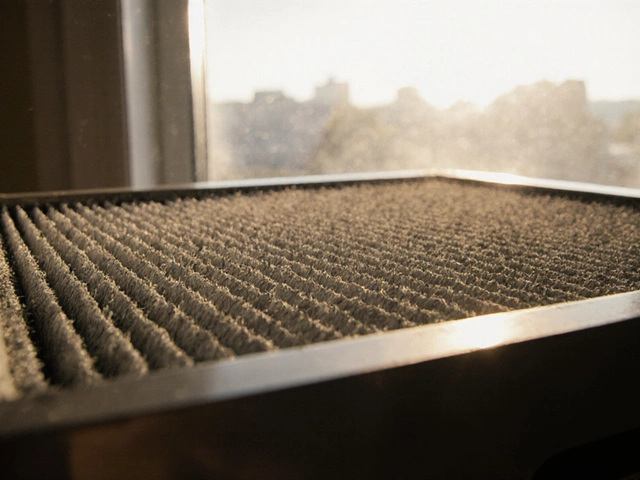
- Cleaning the Filters: This is the number one cause of poor performance. Dust clogs the airflow, forcing the system to work harder. Remove the front panel, slide out the filters, wash them with mild detergent, let them dry completely, and reinstall them. Do this every 3-6 months.
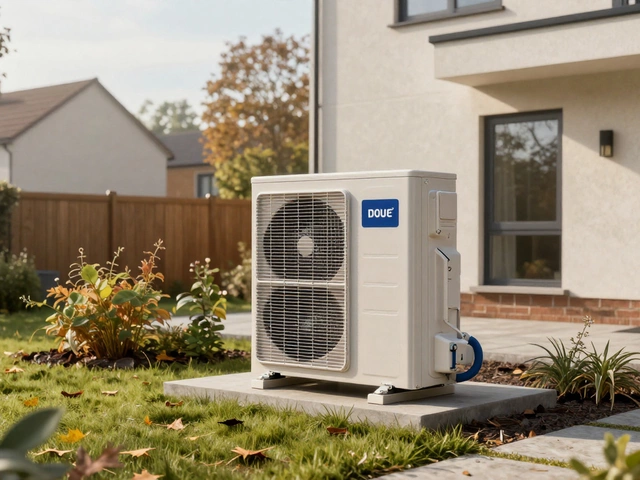
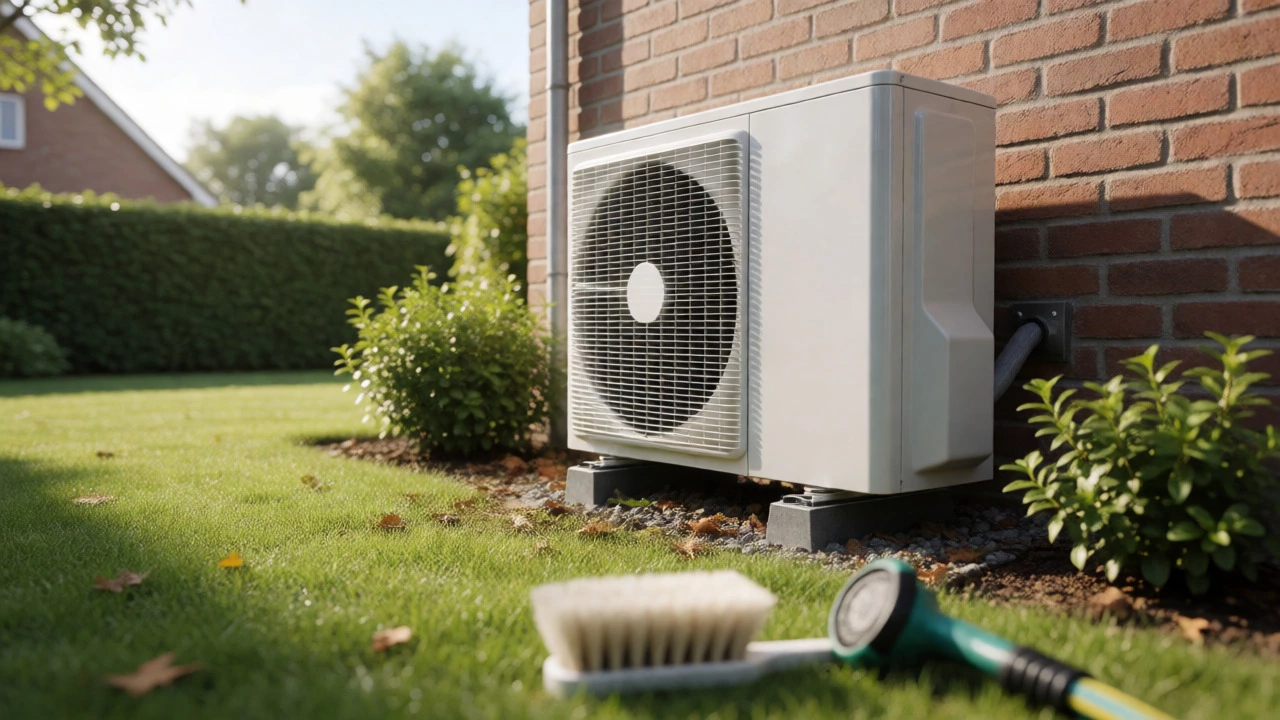
- Clearing Debris from the Outdoor Unit: Leaves, grass clippings, and spider webs can block the outdoor condenser coil. Use a garden hose (not a pressure washer, which bends fins) to gently spray water through the coil from the inside out. Ensure there is at least 50cm of clearance around the unit for proper airflow.
- Checking Thermostat Settings: Sometimes the issue isn’t mechanical but user error. Is it set to "Auto," "Heat," or "Cool"? Are the batteries dead? Check the display for error codes, which often point directly to the problem.
- Inspecting Drain Lines: If water is leaking indoors, the condensate drain line might be blocked. You can try pouring a cup of distilled vinegar down the drain outlet to clear minor algae buildup.
When to Call a Professional: The High-Voltage Zone
If cleaning doesn’t solve the problem, you are likely entering territory where DIY becomes risky. Heat pumps contain components that operate under high pressure and high voltage. Attempting to repair these without proper certification can void your warranty, damage the unit further, or even cause injury.
| Symptom | Possible Cause | DIY Friendly? | Risk Level |
|---|---|---|---|
| Blowing warm air in summer / cold in winter | Low refrigerant charge, compressor failure | No | High (Requires gauges & recovery machine) |
| Unit won't turn on | Trip circuit breaker, faulty capacitor, wiring issue | Maybe (Reset breaker only) | Medium (Electrical shock risk) |
| Loud grinding or squealing noise | Failing fan motor, loose debris, bearing wear | No | Medium (Moving parts hazard) |
| Ice formation on outdoor coil | Defrost cycle failure, low refrigerant, sensor fault | No | High (System imbalance) |
| Error code displayed | Sensor malfunction, communication error | No | Low (Diagnostic only) |
The Refrigerant Reality Check
One of the biggest misconceptions about heat pumps is that they "run out" of gas like a car runs out of petrol. They don’t. The refrigerant is part of a sealed loop. If your system is low on refrigerant, you have a leak.
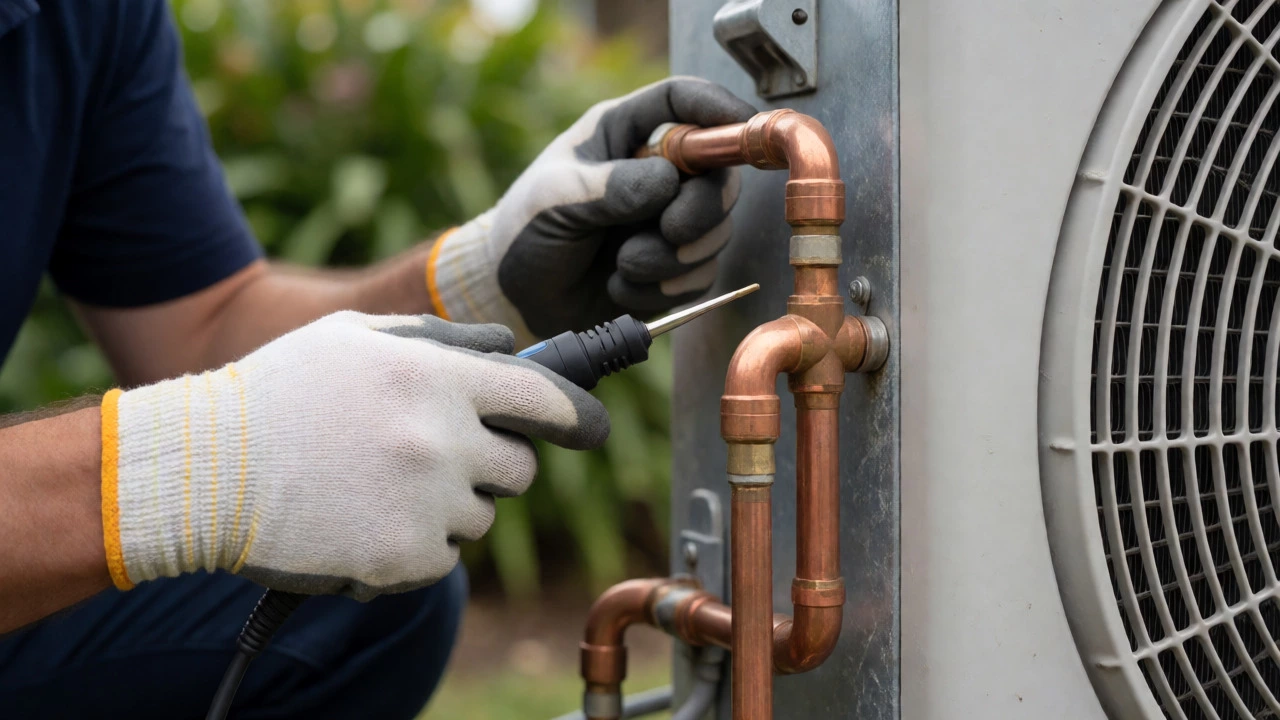
Finding and fixing a leak is not a weekend project. It requires electronic leak detectors, vacuum pumps, and specialized brazing equipment. Moreover, handling refrigerants is strictly regulated. In New Zealand, anyone handling fluorinated gases must hold a current EPA (Environmental Protection Authority) license. If you try to top up the gas yourself without finding the leak, you’ll just lose more money next season when the level drops again.
Cost Analysis: DIY vs. Professional Repair
Let’s talk numbers. Why pay $150-$250 for a service call if you could buy a $20 capacitor online? Because diagnosing the wrong part wastes time and money. A professional technician arrives with diagnostic tools and experience. They can tell you within minutes if the issue is a $50 part or a $2,000 compressor.
Here is a rough breakdown of typical costs in the NZ market as of 2026:
- Service Call/Diagnosis: $120 - $180 (often waived if you proceed with repair).
- Minor Repairs (Capacitor, Contactor): $250 - $450 including labour.
- Moderate Repairs (Fan Motor, PCB Board): $450 - $800.
- Major Repairs (Compressor Replacement): $1,200 - $2,500+.
- Full System Replacement: $4,000 - $8,000 depending on size and brand.
If your heat pump is over 10 years old and needs a major repair costing more than 50% of the price of a new unit, replacement is usually the smarter financial move. Newer models are significantly more efficient, potentially saving you enough on power bills to offset the upgrade cost over time.
Specific Scenarios: Split Systems vs. Ducted
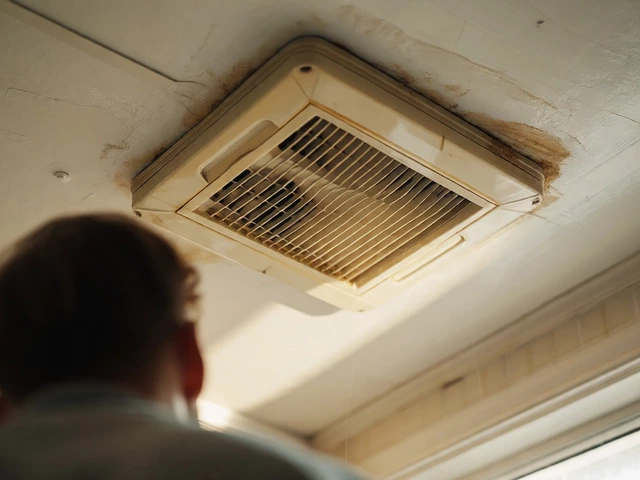
Most homes in NZ use split systems (wall-mounted indoor units). These are generally easier to access for basic cleaning. However, ducted systems present different challenges. If you have a ducted system, accessing the main unit often requires crawling into ceiling spaces or roof cavities. For these setups, DIY repair is rarely feasible unless you are comfortable working in tight, dusty, and sometimes hot environments.
Additionally, consider the type of refrigerant. Older systems used R-22, which is now phased out and expensive to replace. Most modern systems use R-32 or R-410A. R-32 is slightly flammable under certain conditions, requiring technicians to follow strict safety protocols during installation and repair. Mixing refrigerants or using the wrong oil type can destroy the compressor instantly.
How to Choose a Reliable Technician
Not all HVAC technicians are created equal. Since heat pump repair involves both electrical and plumbing skills, you want someone certified. Look for these credentials:
- EPA Certification: Mandatory for handling refrigerants.
- Registered Electrician: Essential for any wiring or component replacement.
- Brand Specific Training: Manufacturers like Daikin, Mitsubishi Electric, and Fujitsu offer specific training programs. Technicians who attend these courses know the quirks of specific models.
- Transparent Pricing: Avoid companies that quote vague estimates. Ask for a written scope of works before they start.
In Wellington, weather extremes put extra strain on heat pumps. Salt air near the coast can corrode copper pipes and aluminium fins faster than inland. If you live close to the sea, ask your technician to check for corrosion specifically. Regular washing of the outdoor coil with fresh water can help mitigate salt damage.
Preventive Maintenance: The Best Repair is No Repair
You can extend the life of your heat pump by 5-10 years with simple habits. Don’t wait until it breaks. Schedule a professional tune-up once a year, ideally before the heating season starts in autumn. During this service, the technician will check refrigerant pressures, clean the coils thoroughly, test electrical connections, and ensure the defrost cycle is working correctly.
Between professional visits, keep the area around the outdoor unit clear. Trim back vegetation. Keep pets away from the unit to prevent urine damage to the copper lines (a common and costly issue!). And remember, turning the system off completely in winter is rarely efficient. Heat pumps work best when left on a steady temperature, avoiding the energy spike required to reheat a cold house.
Can I replace a heat pump capacitor myself?
Technically, yes, if you are confident working with electricity. Capacitors store electrical charge even when the power is off, so you must discharge them safely using an insulated screwdriver or resistor. However, misdiagnosing a bad capacitor when the real issue is a failing compressor can lead to unnecessary part purchases. For most homeowners, paying a pro $200 to diagnose and replace it is safer and often cheaper in the long run.
Why is my heat pump leaking water inside?
This is usually caused by a blocked condensate drain line or a frozen evaporator coil. When ice melts, it overwhelms the drain pan. Try pouring vinegar down the drain outlet to clear algae. If the coil is frozen, turn the system to "Fan Only" mode to melt the ice naturally. If the problem persists, you may have a refrigerant leak or a faulty defrost sensor, which requires a technician.
Is it worth repairing an old heat pump?
Use the "50% Rule." If the repair cost exceeds 50% of the price of a new, comparable unit, consider replacing it. Also, factor in age. Units older than 10-12 years are less efficient than modern models. Newer units can cut running costs by 20-30%, helping recoup the investment over time.
How often should I service my heat pump?
Professional servicing is recommended once a year. For coastal properties or areas with heavy pollen/dust, twice a year might be better. Homeowners should clean filters every 3-6 months and check outdoor unit clearance regularly.
What does the error code F1 mean?
Error codes vary by manufacturer. On many Mitsubishi and Daikin units, F1 indicates a sensor error (such as a faulty thermistor). Consult your specific manual for the exact definition. Often, resetting the power (turning off the breaker for 5 minutes) clears temporary glitches, but persistent codes need professional diagnosis.