Washing Machine Boiler Failure Diagnostic Tool
Answer the questions below to see how your laundry routine is affected by a broken boiler.
Recommended Actions
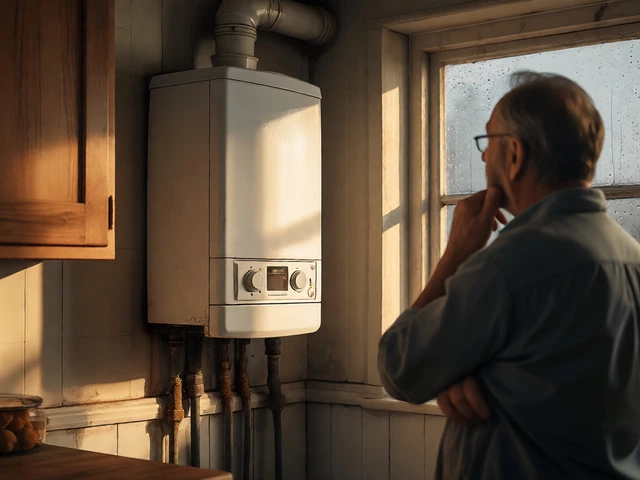
You wake up to the sound of dripping water and realize your boiler has finally given up. The heating is off, the showers are freezing, and now you’re staring at a pile of laundry wondering if your washing machine will even turn on. Here’s the short answer: yes, it almost certainly will work. But whether it cleans your clothes effectively depends entirely on how your home’s plumbing is set up.
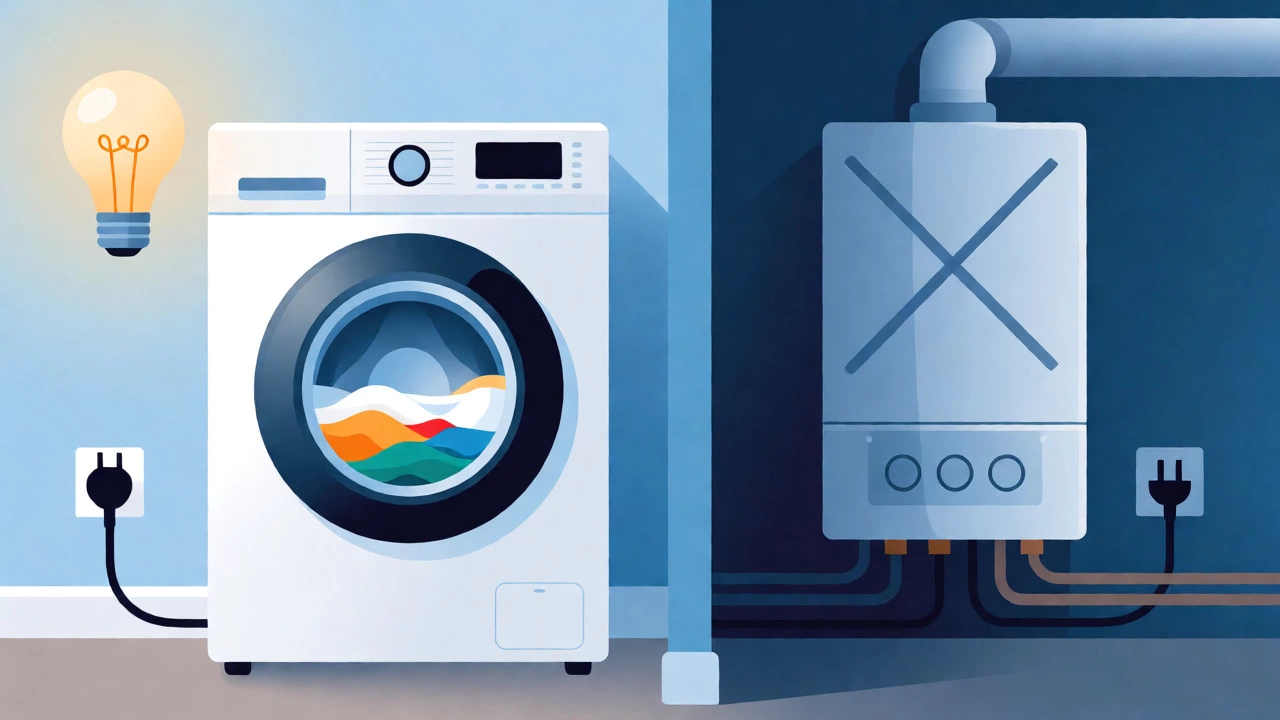
This isn’t just about convenience; it’s about understanding how your appliances interact. Most modern washing machines don’t rely on your boiler for power or basic operation. They plug into an electrical outlet and draw water from your mains supply. However, the temperature of that water matters. If your boiler heats the water before it reaches your taps, a broken boiler means you’ll only have access to cold water. For many loads, that’s fine. For others, it might mean your whites stay grey and your towels stay smelly.
How Your Plumbing Dictates the Outcome
To figure out what happens when the boiler dies, you need to know where the hot water comes from in your specific setup. In New Zealand homes, this usually falls into one of three categories, and each reacts differently to a boiler failure.
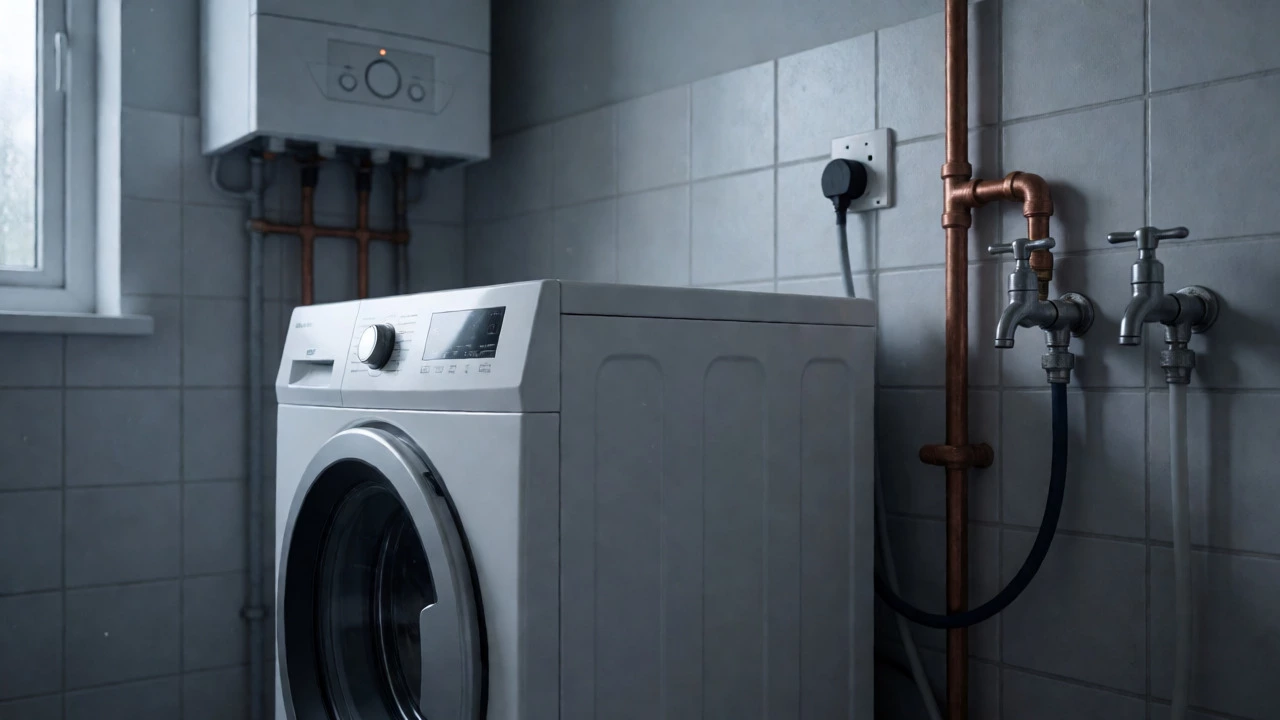
The most common scenario involves a combi boiler or a system with a hot water cylinder. In these systems, the boiler heats water which then travels through pipes to your kitchen and bathroom taps. Your washing machine typically has two hoses: one for cold water (from the mains) and one for hot water (from the tap). If the boiler breaks, the hot water tap runs lukewarm or completely cold. When you select a "Hot" or "Warm" cycle, the machine tries to pull water from that hot inlet. Since there’s no heat source, it pulls in cold water instead. The machine won’t error out-it just won’t get hot.
Then there are homes with instantaneous gas hot water units. These are popular in older apartments or smaller houses. They heat water on demand as soon as you open the tap. If the unit fails, you get zero hot water. Same result for the washer: the hot inlet delivers cold water. The machine operates normally but cannot achieve high temperatures.
Finally, some newer setups use electric storage heaters or separate electric elements for hot water. If your boiler only handles central heating and not hot water production, your washing machine might still get hot water! This is rare but worth checking. If your hot water tank has its own electric element that’s working, you’re in luck. You can run full hot cycles without issue.
Why Cold Water Washing Is Often Better Anyway
Here’s a secret most people ignore: you probably don’t need hot water for most laundry. Modern detergents are engineered to work in cold water. Enzymes in eco-friendly powders and liquids break down stains like blood, sweat, and food at temperatures below 30°C. In fact, using hot water can sometimes set protein-based stains rather than removing them.
Running a cold wash saves energy, too. Heating water accounts for about 90% of the energy used by a washing machine. By skipping the heater inside the machine (if it has one) or relying on cold mains water, you reduce your electricity bill. Plus, cold water is gentler on fabrics. It prevents colors from fading and stops woolens from shrinking. If your boiler is broken, consider it an opportunity to switch to a cold-water-only routine. You’ll likely find your clothes look better and last longer.
There are exceptions, though. Bed linens, towels, and undergarments benefit from higher temperatures to kill bacteria and dust mites. If you can’t get hot water, you’ll need to adjust your expectations. Towels might feel less fluffy, and heavily soiled work clothes might need pre-soaking. But for daily wear-t-shirts, jeans, socks-cold water does the job perfectly well.
What Happens Inside the Machine?
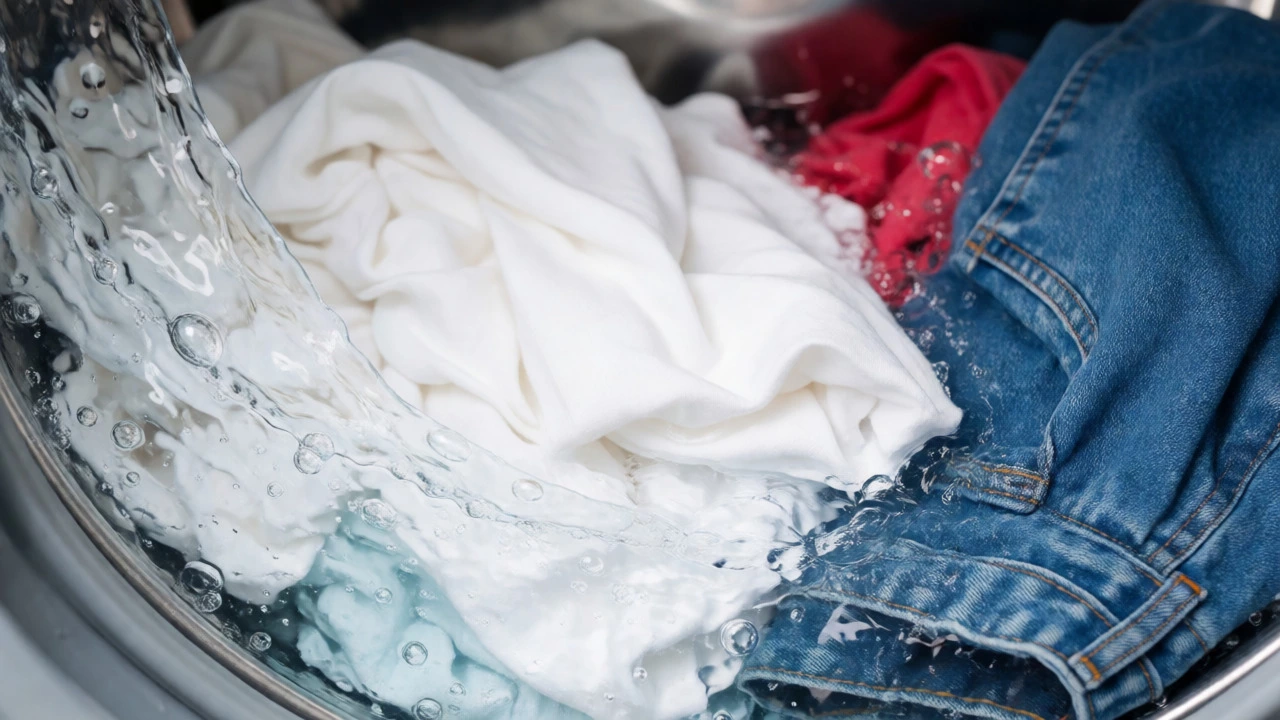
Let’s look at the mechanics. Many front-loaders have an internal heating element. This allows them to heat cold water internally, regardless of what comes out of the tap. If your machine has this feature, a broken boiler barely affects performance. The machine draws cold water from the mains, heats it itself, and washes at the selected temperature. Check your user manual or look for a label indicating "Internal Heater." If present, you’re covered.
Top-loaders often lack this internal heater. They rely on the incoming water being hot enough already. If you have an older top-loader connected to a hot tap, and that tap runs cold because the boiler is dead, the machine will wash in cold water. Some models have sensors that detect low water temperature and extend the wash cycle time to compensate. Others just run the standard cycle, resulting in less effective cleaning for greasy stains.
Don’t panic if the machine pauses or displays a code. Some smart washers monitor fill temperature. If they expect hot water and receive cold, they might pause briefly to wait for the temperature to rise. Eventually, they’ll proceed with the cold water, but it might take longer. Patience is key here.
Troubleshooting Common Issues When the Boiler Is Down
If your washing machine seems sluggish or leaves soap residue, it’s likely due to the lack of heat. Detergent doesn’t dissolve as easily in cold water. To fix this, use liquid detergent instead of powder. Liquids mix instantly with cold water, whereas powders can clump and leave white streaks on dark clothes. You can also add the detergent directly into the drum rather than the drawer to ensure it disperses quickly.
Another trick is to soak heavily soiled items before washing. Fill a bucket with warm water (heated on your stove or in a kettle) and let the clothes sit for an hour. This loosens dirt and grease, making the subsequent cold wash more effective. It’s extra work, but it keeps your laundry fresh while you wait for the boiler repair technician.
Watch out for mold smells. Cold washes don’t kill bacteria as effectively as hot ones. If your machine starts smelling musty, run a maintenance cycle with vinegar or a specialized cleaner. Since you can’t use a 60°C or 90°C hot wash to sanitize the drum, you need to be proactive. Leave the door ajar after every load to let moisture escape. This simple habit prevents the damp environment that mold loves.
When Should You Call a Professional?
If your washing machine stops working entirely-not just failing to heat-then the problem might not be the boiler. A broken boiler shouldn’t trip the circuit breaker for your laundry room unless there’s a wiring fault shared between the two appliances. If the washer won’t turn on, check the fuse box first. Reset any tripped switches. If the machine powers on but doesn’t fill with water, inspect the inlet hoses. Sometimes, debris from a failed boiler or pipe work can clog the mesh filters on the hose connections.
However, if the machine runs but clothes come out dirty or stiff, try changing your detergent type and adding a pre-soak step. If that doesn’t help, and you suspect the machine’s internal components are struggling with cold water, consult a washing machine repair specialist. They can check if the internal thermostat or sensor is faulty, especially if you previously relied on the boiler’s hot water feed.
Remember, fixing the boiler is the priority for your comfort and hygiene, but your laundry routine doesn’t have to halt. With minor adjustments, you can keep clothes clean until the hot water returns.
| Setup Type | Water Source Behavior | Machine Action | Cleaning Effectiveness |
|---|---|---|---|
| Combi Boiler / Hot Cylinder | Hot tap runs cold | Uses cold water for all cycles | Good for light soils; poor for heavy grease |
| Instant Gas Unit | No hot water available | Uses cold water for all cycles | Same as above; requires liquid detergent |
| Separate Electric Hot Tank | Hot water still works | Normal operation | Unaffected |
| Front Loader with Internal Heater | Hot tap runs cold | Heats cold water internally | Full effectiveness maintained |
Frequently Asked Questions
Will my washing machine break if I use it without hot water?
No, your washing machine will not break. It is designed to handle cold water intake. While it may not clean heavily soiled items as effectively without heat, the mechanical components remain safe. Just ensure you use liquid detergent to prevent buildup.
Can I wash towels without a working boiler?
Yes, but they might feel less soft. Hot water helps relax fibers and remove detergent residue. To compensate, use an extra rinse cycle and add half a cup of white vinegar to the fabric softener compartment. This helps strip away buildup and restores fluffiness.
Does my washing machine have its own heater?
Most modern front-loaders do. Top-loaders often do not. Check your model number online or look for a warning label near the door seal stating "Caution: Hot Surfaces." If the glass gets hot during a wash, it has an internal heater. If it stays cool, it relies on your home's hot water supply.
Why does my washing machine smell after washing in cold water?
Cold water doesn't kill bacteria and mold spores as effectively as hot water. Residual moisture combined with detergent scum creates a breeding ground for microbes. Run a monthly empty cycle with a washing machine cleaner or bleach (if compatible) to sanitize the drum and seals.
Is it cheaper to wash in cold water?
Significantly. Heating water consumes the vast majority of a washer's energy. Switching to cold water can cut your laundry energy costs by up to 50-70%. Over a year, this adds up to substantial savings on your electricity bill.