Heat Pump Efficiency Simulator
Estimate how well your heat pump will perform at different outdoor temperatures. Move the slider to see changes in efficiency and potential issues.
Legend:
Estimated Efficiency
Coefficient of Performance (COP)
Your heat pump is operating efficiently. No backup heat needed.
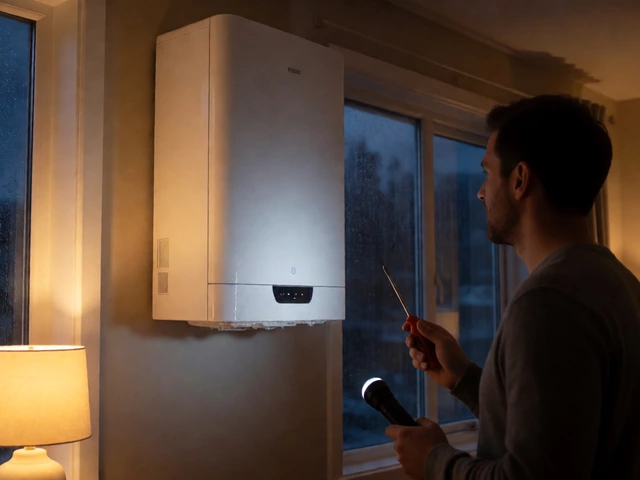
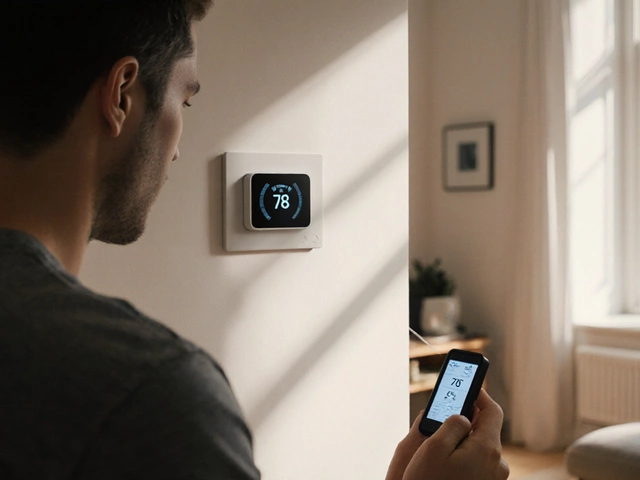
You’re shivering. The thermostat is set to 21°C, but the air coming out of your heat pump feels lukewarm at best. You start wondering if the unit has failed or if it’s just too cold outside for it to do its job. This is a common panic moment for homeowners in cooler climates like Wellington, where winter nights can dip below freezing.
The short answer? Most standard heat pumps struggle significantly when outdoor temperatures drop below -7°C (20°F). But "struggle" doesn't mean they stop working entirely. It means their efficiency-the amount of heat you get per unit of electricity-plummets. If you understand exactly where that tipping point is and why it happens, you can decide whether to call a technician for a heat pump repair or simply switch to a backup heater.
The Physics of Cold: Why Heat Pumps Hate Winter
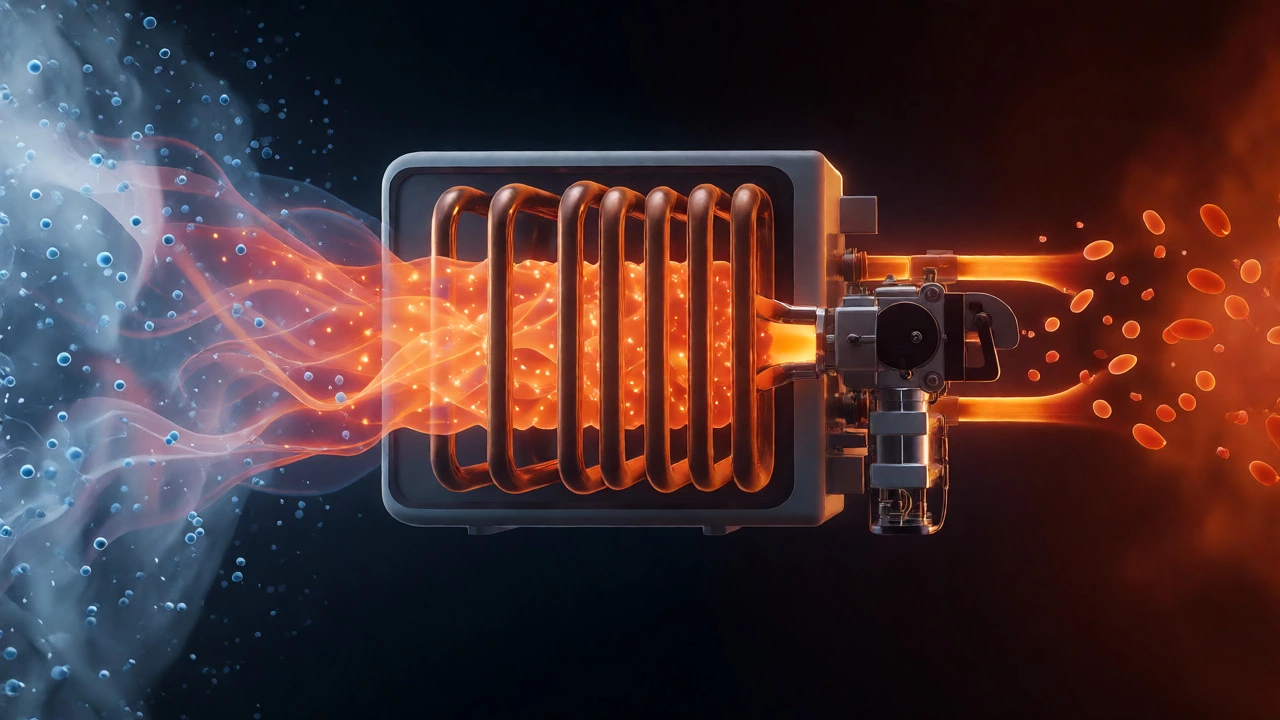
To understand efficiency limits, you have to grasp what a heat pump actually does. Unlike a furnace that burns fuel to create heat, a heat pump moves existing heat from one place to another. In winter, it extracts thermal energy from the outside air-even air that feels freezing to you still contains heat-and transfers it indoors.
This process relies on a refrigerant cycle. The liquid refrigerant inside the outdoor coil needs to be colder than the outside air to absorb heat. As the outside temperature drops, two things happen:
- The temperature differential shrinks: It becomes harder for the refrigerant to grab heat from the air because the air itself holds less thermal energy.
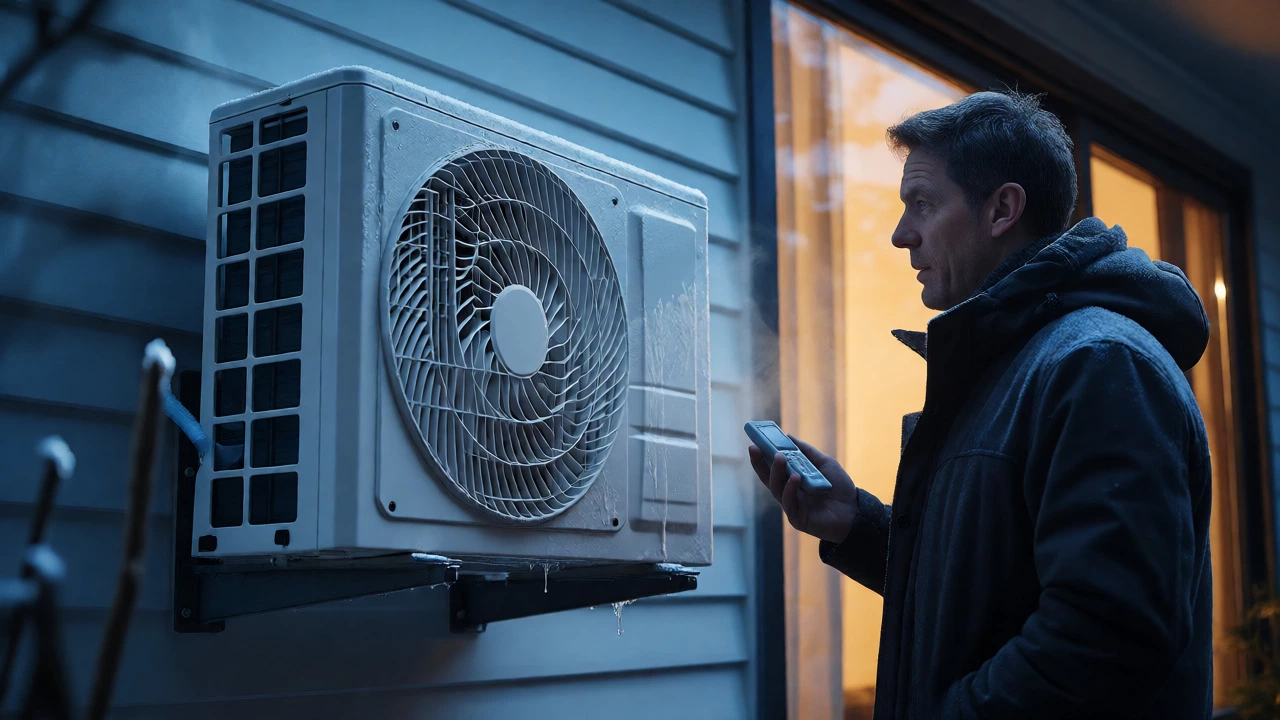
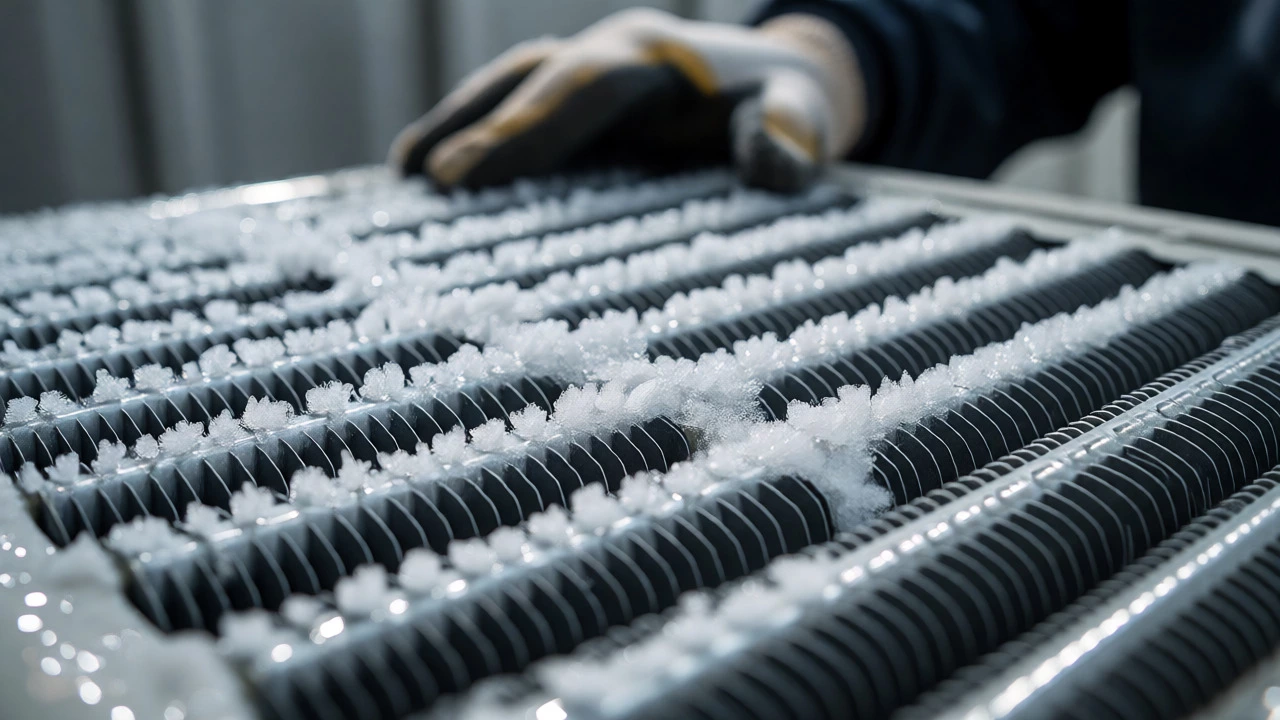
- Frost builds up faster: Moisture in the air freezes on the outdoor coil, acting as an insulator that blocks heat transfer.
When frost accumulates, the system must enter a defrost cycle. During this time, the heat pump stops heating your home and often runs a fan that blows cool air until the ice melts. In severe cold, these cycles happen more frequently, reducing net heating output.
Defining Efficiency: Understanding Coefficient of Performance (COP)
Efficiency isn’t measured by how hot the air feels; it’s measured by the Coefficient of Performance (COP). Think of COP as a multiplier. A COP of 4.0 means for every 1 kilowatt-hour (kWh) of electricity you pay for, you get 4 kWh of heat into your home. That’s fantastic value.
However, COP is not static. It changes dynamically with outdoor temperature. Here is the general rule of thumb for modern split-system units:
| Outdoor Temp (°C) | Approximate COP | Performance Status |
|---|---|---|
| +7°C | 3.5 - 4.5 | Peak Efficiency |
| 0°C | 2.5 - 3.0 | High Efficiency |
| -5°C | 1.8 - 2.2 | Moderate Efficiency |
| -10°C | 1.2 - 1.5 | Low Efficiency / Struggling |
| -15°C | < 1.0 | Inefficient (Electric Strip Heating Dominates) |
Notice the crossover point around -10°C to -15°C. When the COP drops below 1.0, you are using more electricity to move heat than you would by just running a simple electric resistance heater (like a portable oil column or plug-in convector). At this stage, the heat pump is technically working, but it’s costing you money compared to simpler alternatives.
Standard vs. Cold Climate Heat Pumps
Not all heat pumps are created equal. The numbers above apply to standard single-stage or basic inverter models designed for mild climates. If you live in a region with harsh winters, you might own a Cold Climate Heat Pump (often branded as Hyper-Heating or similar).
These advanced units use enhanced vapor injection (EVI) technology and larger coils to maintain decent efficiency down to -25°C (-13°F). While they cost 20-30% more upfront, they avoid the drastic efficiency cliff that standard units hit.
If you aren’t sure which type you have, check the model number on the outdoor unit label. Look for specs listing "heating capacity at -7°C" or lower. If the manual only lists performance at +7°C or +2°C, you likely have a standard model that will fade quickly once the thermometer drops below zero.
Signs Your Heat Pump Is Underperforming Due to Cold
Sometimes, poor performance isn’t about the weather-it’s a maintenance issue masquerading as a temperature limit. Before blaming the climate, check for these red flags:
- Excessive Defrost Cycles: If your unit goes into defrost mode every 10-15 minutes, something is wrong. Healthy units defrost maybe once every hour or two in damp conditions. Frequent defrosting suggests low refrigerant levels or a faulty sensor.
- Icy Buildup That Doesn’t Melt: After a defrost cycle, the outdoor coil should be clear. If thick ice remains, the drain pan might be clogged, or the reversing valve could be stuck.
- Blowing Cold Air: If the indoor unit blows air that is noticeably colder than the room temperature during heating mode, the compressor may be failing or the refrigerant charge is critically low.
A well-maintained standard heat pump should still provide some warmth at -5°C. If yours shuts off completely or trips a breaker at that temperature, you need professional appliance repair.
How to Manage Low-Temperature Operation
If you know your unit struggles in the deep freeze, don’t fight physics. Work with it.
Use Auxiliary Heat Wisely: Many heat pumps have built-in electric strip heaters (auxiliary heat). These kick in automatically when the compressor can’t keep up. However, they are expensive to run. Try setting your thermostat to let the heat pump handle the load until it truly can’t, then supplement with a separate gas fireplace or wood burner rather than relying solely on the electric strips.
Keep the Outdoor Unit Clear: Snow and leaves block airflow. Ensure there is at least 60cm of clearance around the outdoor unit. If snow piles up against the base, melt it away manually. Blocked airflow forces the system to work harder, accelerating the efficiency drop.
Adjust Fan Speeds: On very cold days, high fan speeds can blow cold air before it’s fully heated. Switching to a lower fan speed allows the coil to get hotter, delivering warmer air even if the total volume is slightly reduced.
When to Call for Heat Pump Repair
Temperature limits are natural. Mechanical failures are not. Call a technician if:
- The unit makes grinding, rattling, or hissing noises.
- You see oil stains near the refrigerant pipes (indicating a leak).
- The system short-cycles (turns on and off rapidly) even in moderate weather.
- The efficiency drop seems abrupt rather than gradual (e.g., it worked fine last week at 0°C but fails today).
Regular servicing, ideally once a year before winter hits, ensures the refrigerant charge is correct and the coils are clean. A dirty coil reduces heat absorption, effectively making your unit think it’s colder outside than it actually is.
At what temperature do heat pumps stop working?
Most standard heat pumps stop producing effective heat around -10°C to -15°C. Below this range, the Coefficient of Performance (COP) often drops below 1.0, meaning the system uses more energy to operate than the heat it delivers. Specialized cold-climate models can function efficiently down to -25°C.
Why does my heat pump blow cold air in winter?
It might be in defrost mode, which temporarily stops heating to melt ice on the outdoor coil. However, if it blows cold air continuously, you may have low refrigerant levels, a frozen evaporator coil due to dirty filters, or a faulty reversing valve.
Is it cheaper to run a heat pump or electric heater in extreme cold?
In extreme cold (below -10°C), a simple electric resistance heater is often cheaper to run than a struggling standard heat pump. Once the heat pump's COP falls below 1.0, it consumes more electricity than a direct-electric heater for the same amount of warmth.
Does leaving the heat pump on save money in winter?
Yes, generally. Heat pumps are most efficient when maintaining a steady temperature. Turning them off completely causes the building mass to cool down, requiring a massive energy spike to reheat it. It is better to lower the setpoint slightly (e.g., to 18°C) when away rather than switching it off.
How often should I service my heat pump?
Professional servicing is recommended once a year, preferably in autumn. This includes checking refrigerant pressure, cleaning the indoor and outdoor coils, and ensuring the drainage system is clear. Regular maintenance prevents efficiency losses caused by dirt and wear.