Hot Water Troubleshooting Guide
Follow these diagnostic steps to identify and fix common hot water issues before calling a professional.
Common Symptoms & Solutions
| Symptom | Likely Cause | Solution |
|---|---|---|
| No power/display | Tripped breaker or unplugged unit | Reset breaker or plug in unit |
| Pilot light out | Draft, dirty pilot, or thermocouple failure | Relight pilot or replace thermocouple |
| Clicking but no flame | Faulty igniter or gas valve | Clean or replace igniter; check gas supply |
| Lukewarm water only | Thermostat setting too low or bad element | Adjust thermostat; test/replace element |
| Noise/popping sounds | Sediment buildup | Flush the tank |
There is nothing worse than stepping into a shower expecting warmth and getting hit with ice-cold water. It’s a shock that wakes you up faster than any alarm clock. When your hot water is suddenly not turning on or staying cold, the immediate panic sets in. You wonder if the unit has died, if you need a plumber, or if it’s something simple you can fix yourself.
In most cases, the problem isn’t a catastrophic failure of the tank itself. Often, it is a tripped safety switch, a blown fuse, or a pilot light that went out. Before you call for professional help and incur a service fee, there are several diagnostic steps you can take. These steps apply to both gas and electric units, though the specific mechanisms differ. Let’s walk through the process logically, starting with the easiest checks and moving toward more complex repairs.
Check the Power Supply First
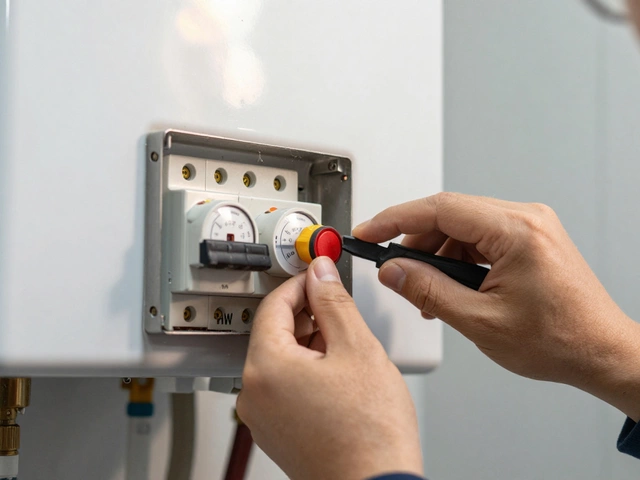
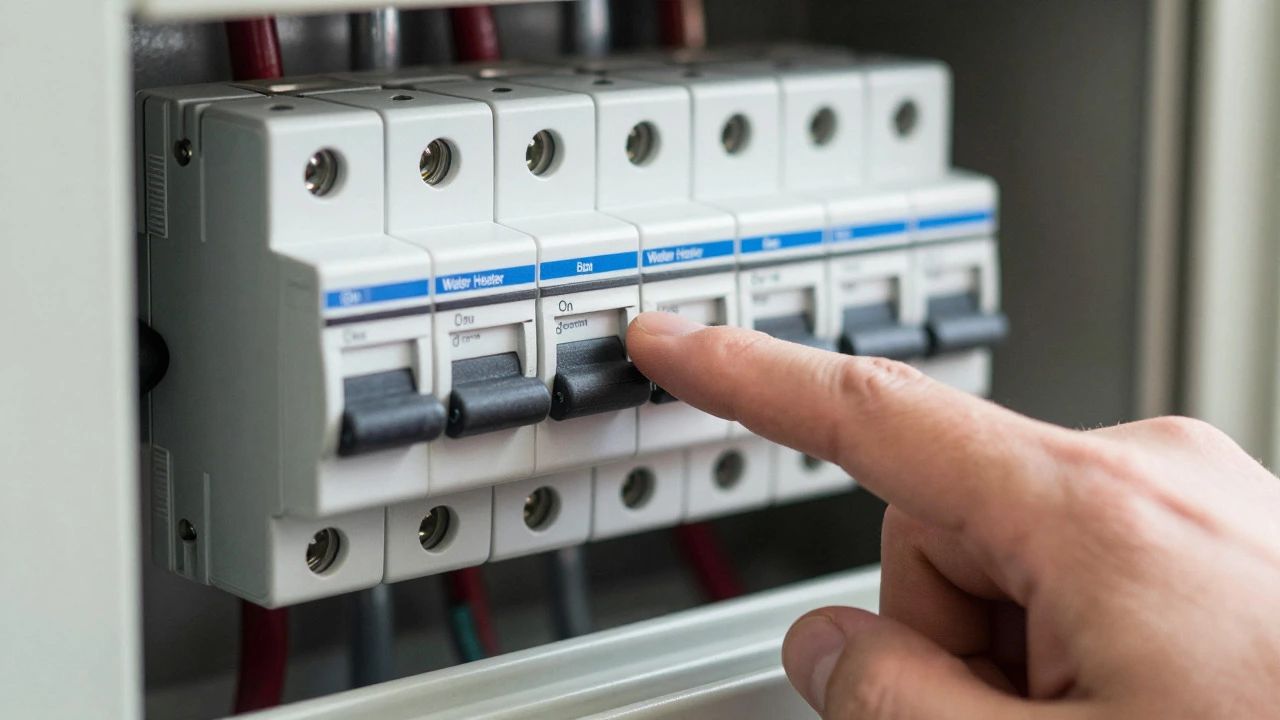
Before tearing into panels or lighting pilots, verify that the unit actually has power. This sounds obvious, but power surges or tripped breakers are common culprits. For an electric water heater is an appliance that uses heating elements submerged in water to raise temperature via electricity, you need to check your home’s circuit breaker box. Look for a switch labeled "Water Heater" or one that controls two large wires. If it is in the middle position or flipped off, turn it fully off and then back on. This resets the breaker and restores power.
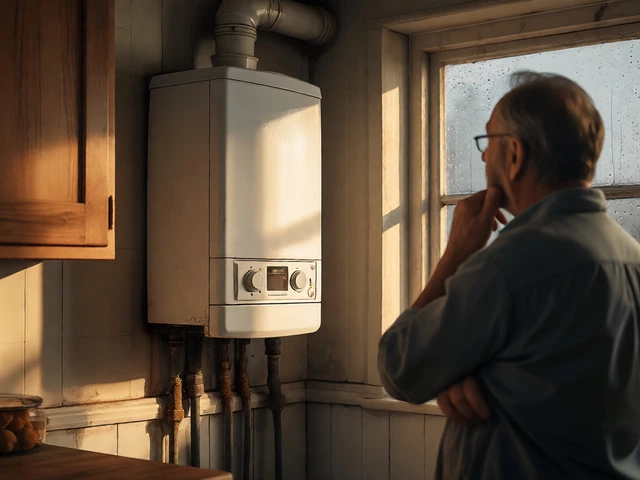
If you have a gas water heater is a system that burns natural gas or propane to heat water through a combustion chamber, check the power cord. Even gas units require electricity for the control board, digital display, or ignition system. Ensure the plug is secure and the outlet is receiving power by testing it with another device. If the display is blank, the issue is likely electrical rather than mechanical.
Reset the High-Limit Switch
Modern water heaters come equipped with a thermal cutoff switch, often called the high-limit switch. This safety feature trips if the water gets too hot, preventing overheating and potential explosions. If this switch trips, the heater stops working entirely. On electric models, you will find a red button behind the access panel near the thermostat. To reset it, turn off the power at the breaker, remove the panel, peel back the insulation, and press the red button firmly. Turn the power back on and wait to see if heat returns.
For gas units, the reset mechanism might be integrated into the thermocouple or the main control valve. If the unit has a digital interface, look for a reset option in the menu. If the switch trips again shortly after resetting, do not keep forcing it. This indicates a deeper issue, such as a faulty thermostat or sediment buildup causing localized overheating.
Inspect the Pilot Light and Ignition
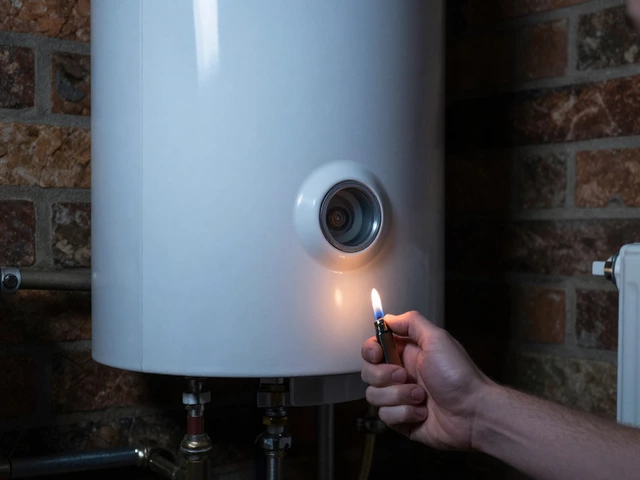
If you have an older gas water heater with a standing pilot light, check if the flame is lit. Open the access door at the bottom of the unit. You should see a small blue flame. If the flame is out, follow the manufacturer’s instructions to relight it. Usually, this involves turning the gas control knob to "Pilot," pressing it down while holding a lighter to the pilot tube, and then releasing it slowly. If the flame stays lit, the problem was simply an extinguished pilot.
Newer gas models use electronic ignition systems, either intermittent spark or hot surface igniters. If the unit clicks repeatedly but doesn’t ignite, the igniter might be dirty or broken. If it doesn’t click at all, the gas valve or control board may have failed. In these cases, visual inspection can tell you if the igniter is cracked or covered in soot. Cleaning it with fine sandpaper might restore function, but replacement is often necessary if the component is physically damaged.
Test the Thermostat Settings
Sometimes the heater is working perfectly, but the thermostat is set too low or has drifted out of calibration. Check the temperature dial on the front of the unit. The standard recommendation from energy efficiency guidelines is to set the water heater to 120°F (49°C). If the dial is set lower than 110°F, you might experience lukewarm water that feels like cold water, especially if the incoming groundwater temperature is low due to seasonal changes. Adjust the setting gradually and test the water after thirty minutes.
If adjusting the dial makes no difference, the thermostat itself might be defective. Electric water heaters typically have two thermostats, one for the upper element and one for the lower. You can test them with a multimeter for continuity. If there is no continuity when the thermostat is set above the current water temperature, the thermostat needs replacement. This is a relatively inexpensive part and a straightforward swap if you are comfortable with basic electrical work.
Examine the Heating Elements
For electric water heaters, the heating elements are the components that actually generate heat. Over time, mineral deposits build up on the elements, insulating them from the water and reducing efficiency. Eventually, the element can burn out completely. If you have reset the breaker and the high-limit switch, but still have no hot water, the elements are a prime suspect. You can test the elements for resistance using a multimeter. A reading of infinity indicates an open circuit, meaning the element is dead and must be replaced.
Replacing an element requires draining some water from the tank to relieve pressure, removing the old element, and installing a new one with a fresh Teflon tape seal. While this seems daunting, it is a manageable DIY task for someone with basic plumbing skills. Just ensure the power is off before touching any wiring. If the lower element fails, you might still get some hot water from the upper element, but it will run out quickly. If both fail, you get nothing.
Check for Sediment Buildup
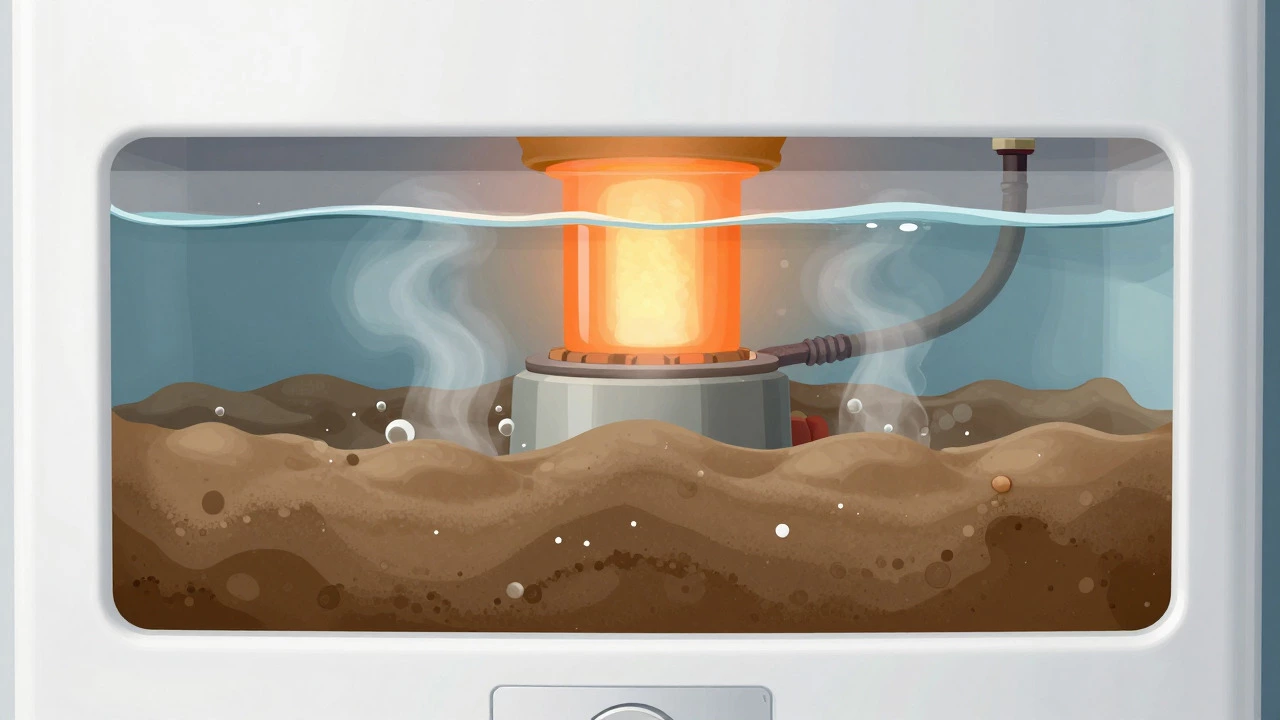
Sediment accumulation is a silent killer of water heaters. Hard water contains minerals like calcium and magnesium that precipitate out when heated, settling at the bottom of the tank. This layer of sludge acts as an insulator between the heating source and the water. The heater works harder, consumes more energy, and eventually overheats the metal at the bottom, leading to premature failure. If your water heater is more than five years old and hasn't been flushed, sediment is likely contributing to your problems.
To address this, flush the tank annually. Attach a garden hose to the drain valve at the bottom of the tank, run the other end to a floor drain or outside, and open the valve. Let the water flow until it runs clear. This removes loose sediment. For heavier buildup, you might need to agitate the tank by briefly opening and closing the valve or using a specialized flushing tool. Regular maintenance extends the life of the unit significantly and maintains heating efficiency.
| Symptom | Likely Cause | Solution |
|---|---|---|
| No power/display | Tripped breaker or unplugged unit | Reset breaker or plug in unit |
| Pilot light out | Draft, dirty pilot, or thermocouple failure | Relight pilot or replace thermocouple |
| Clicking but no flame | Faulty igniter or gas valve | Clean or replace igniter; check gas supply |
| Lukewarm water only | Thermostat setting too low or bad element | Adjust thermostat; test/replace element |
| Noise/popping sounds | Sediment buildup | Flush the tank |
When to Call a Professional
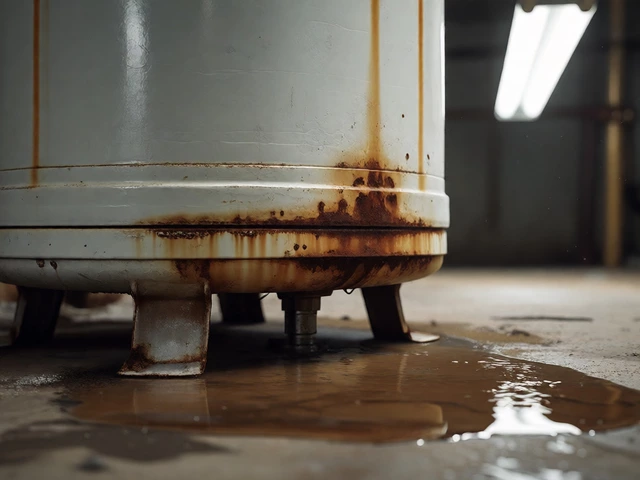
While many issues are DIY-friendly, some situations warrant professional intervention. If you smell gas, evacuate the house immediately and call the gas company. Never try to fix a gas leak yourself. If the tank is leaking from the bottom, the internal lining has likely corroded, and the tank needs replacement, not repair. Additionally, if you are uncomfortable working with electricity or gas lines, hire a licensed plumber. They can diagnose complex control board failures or pressure relief valve issues safely.
Knowing how to troubleshoot your water heater saves money and stress. By checking power, resetting switches, inspecting ignition sources, and maintaining the tank, you can often restore hot water without a service call. Regular maintenance is key to preventing these issues in the first place. Keep your unit clean, monitor its performance, and address small problems before they become big ones.
Why does my water heater make popping noises?
Popping or rumbling noises usually indicate sediment buildup at the bottom of the tank. As water heats, steam bubbles form under the sediment layer and escape with a pop. Flushing the tank removes this debris and silences the noise.
How long does it take for water to heat up after resetting?
It typically takes 30 to 60 minutes for a standard 40-50 gallon tank to fully reheat. Smaller tanks or tankless units heat much faster, often within seconds to minutes depending on flow rate.
Can a tripped breaker damage the water heater?
No, a tripped breaker is a safety feature that protects the wiring and the unit from overload. Resetting it is safe. However, frequent tripping indicates an underlying electrical fault that should be investigated.
Is it safe to relight the pilot light myself?
Yes, if you follow the manufacturer's instructions carefully. Ensure there is no smell of gas before attempting to light it. If the pilot won't stay lit after multiple attempts, the thermocouple may need replacement.
How often should I flush my water heater?
Annually is recommended for most households. If you have hard water, consider flushing every six months to prevent excessive sediment buildup and maintain efficiency.