Hot Water Heater Health Checker
Check all that apply:
Recommendation
Why this recommendation?
Nothing ruins a morning faster than stepping into a freezing shower because the hot water heater decided to quit. But here’s the tricky part: your tank doesn’t always send a clear text message saying "I’m dying." Sometimes it just leaks a little, makes a weird noise, or takes longer to heat up. Figuring out whether you need a quick fix or a full replacement can save you hundreds of dollars and a lot of stress.
You don’t need to be a plumber to spot the trouble. Most homeowners in Wellington and elsewhere can identify the end-of-life signs with a simple inspection. The goal isn’t just to keep the water warm; it’s to avoid a catastrophic flood when that old tank finally bursts. Let’s break down exactly what to look for so you can make the right call before winter hits hard.
Check the Age First
The single most reliable indicator is time. If your unit is over ten years old, you are already living on borrowed time. Most standard storage tanks last between eight and twelve years. Gas models often push toward the twelve-year mark, while electric ones tend to fail closer to ten due to heating element corrosion. Check the manufacturer’s label on the side of the tank. It usually lists the installation date or a serial number code that reveals the year. If you bought the house and have no idea when it was installed, assume the worst if the unit looks rusty or outdated.
Why does age matter so much? Inside every tank is an anode rod, a sacrificial metal bar designed to attract corrosive minerals instead of letting them eat through the steel walls. Over time, this rod dissolves completely. Once it’s gone, rust starts eating the tank from the inside out. You can’t see this happening until it’s too late. Replacing a ten-year-old heater is rarely worth the cost of labor for minor repairs because the next component will likely fail within months.
Rusty Water Is a Red Flag
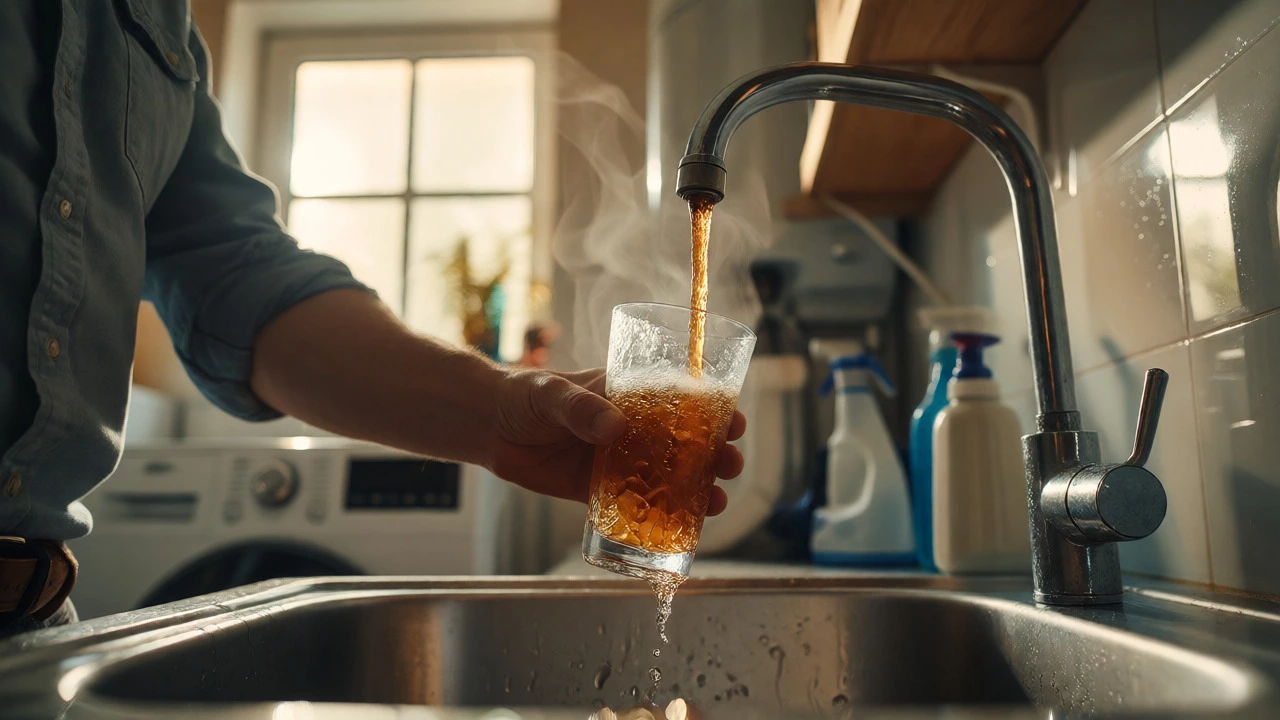
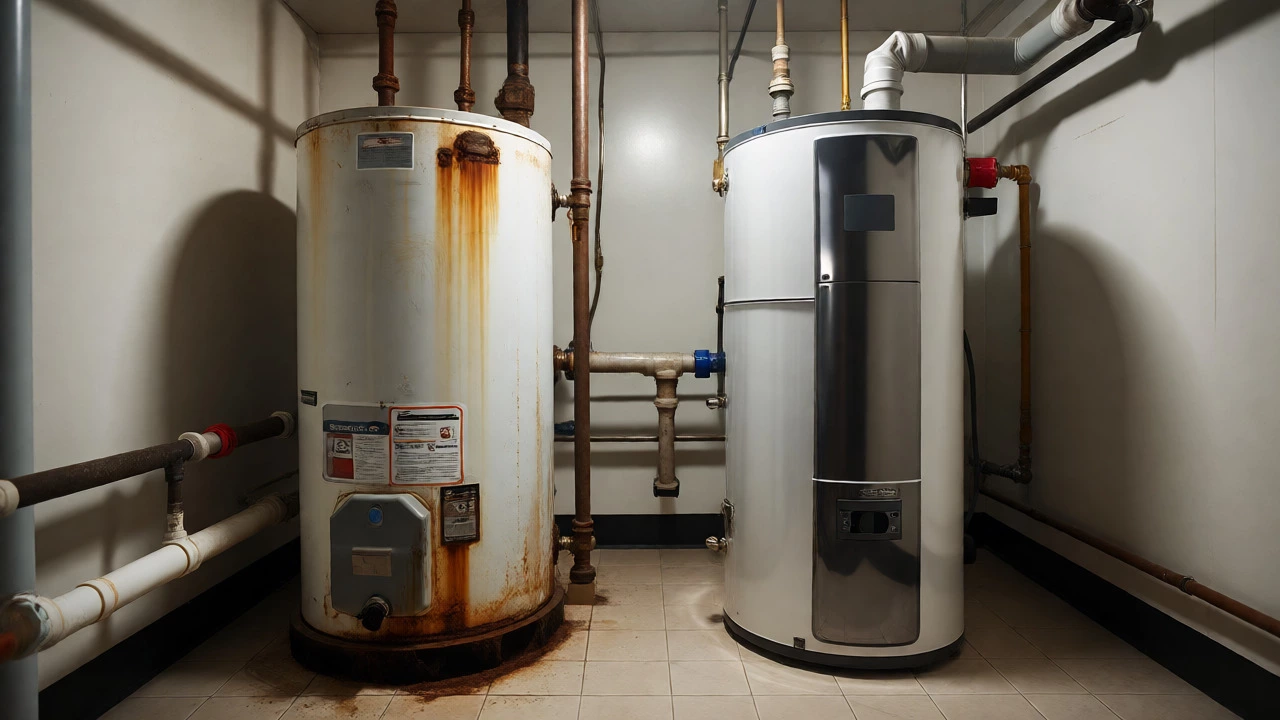
Turn on the hot tap and let it run for a minute. Does the water come out brown, yellow, or orange? This is one of the clearest signs that the interior of your tank is corroding. Rust flakes off the inner lining and mixes with your water supply. While this might seem like a cosmetic issue, it’s actually structural damage. The protective glass lining inside the tank has failed, exposing the steel to oxygen and minerals.
If only the hot water is discolored but the cold is clear, the problem is definitely inside the heater. If both are rusty, you might have older galvanized pipes in your home, which is a different plumbing issue entirely. But assuming the cold water is clean, rusty hot water means the tank itself is deteriorating. Flushing the tank might help temporarily, but it won’t stop the corrosion. At this stage, replacement is almost always the smarter financial move compared to repeated repairs.
Noisy Tanks Are Crying for Help
Listen closely when the heater kicks on. Do you hear popping, banging, or rumbling sounds? These noises aren’t just annoying; they indicate sediment buildup. In areas with hard water, like many parts of New Zealand, calcium and magnesium settle at the bottom of the tank. When the burner or heating elements try to heat the water, these mineral layers trap heat underneath, causing steam bubbles to burst violently against the metal. This is called kettling.
Sediment acts as an insulator, forcing your heater to work harder and use more energy to achieve the same temperature. Worse, the trapped heat can warp the bottom of the tank, leading to cracks and eventual leaks. You can flush the tank to remove some sediment, but if the noise persists after flushing, the internal damage is likely done. A loud, rumbling heater is inefficient and nearing the end of its life.
Leaks and Moisture Around the Base
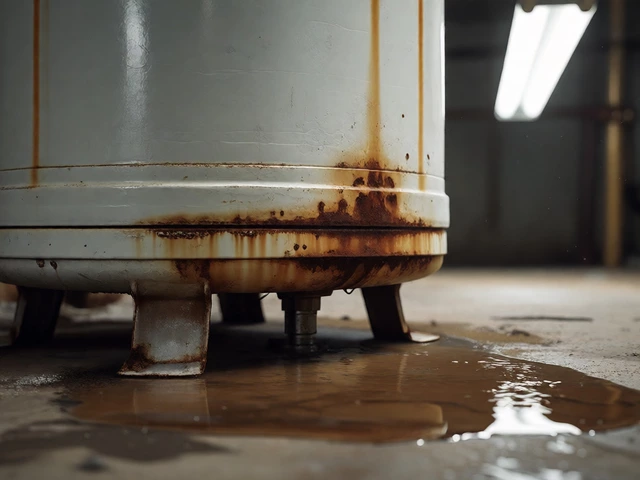
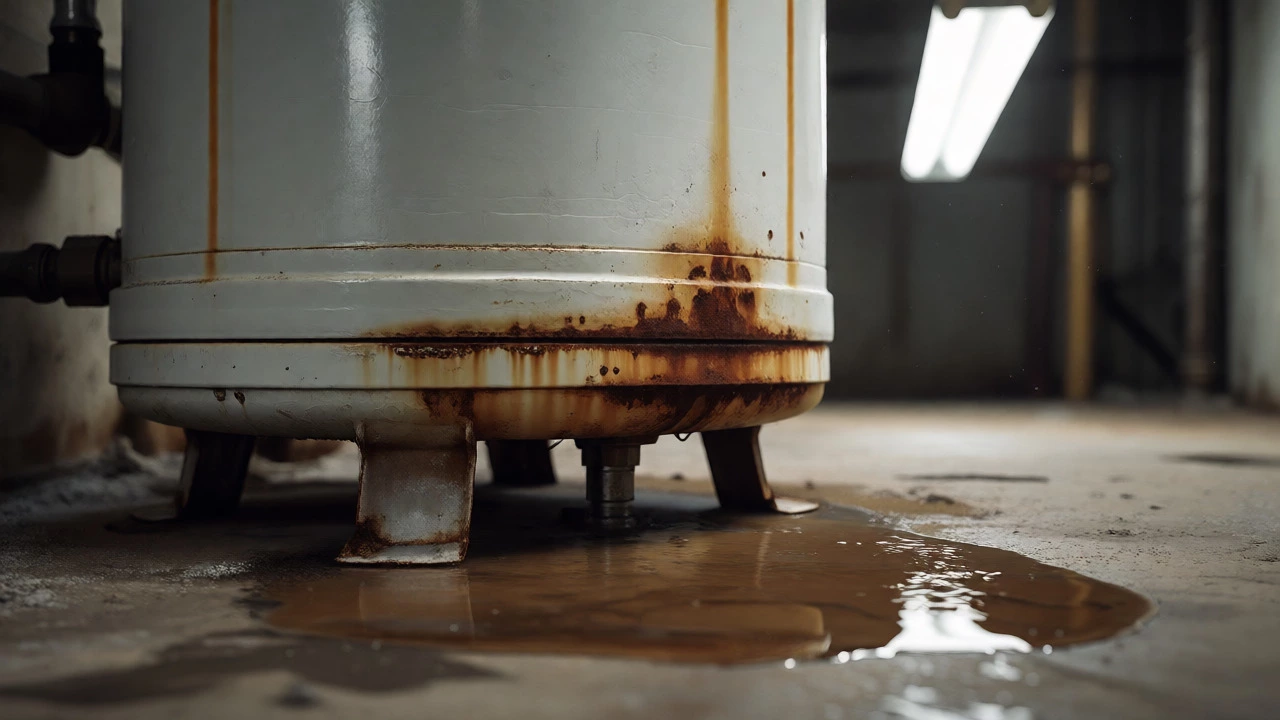
A puddle under the heater is the most obvious sign, but not all leaks mean immediate replacement. Check where the water is coming from. If the leak is near the top, it could be a loose pipe connection or a faulty pressure relief valve-both cheap fixes. However, if the moisture is coming from the base of the tank itself, that’s bad news. It means the steel shell has cracked or pinholed from internal corrosion.
| Symptom | Likely Cause | Recommended Action |
|---|---|---|
| Water is lukewarm | Failing heating element or thermostat | Repair (if under 8 years) |
| Rusty hot water | Internal tank corrosion | Replace |
| Popping noises | Sediment buildup | Flush first, then replace if noise remains |
| Leak at base | Tank crack/pinhole | Replace immediately |
| Unit is 10+ years old | General wear and tear | Replace proactively |
Tanks cannot be patched effectively from the outside. Any attempt to seal a leaking tank is a temporary band-aid. If you see water pooling around the bottom, turn off the power or gas supply and shut off the inlet valve. You need a new unit. Waiting even a few days risks a total rupture, which can flood your laundry room or garage with hundreds of liters of water.
Inconsistent Temperature or Short Showers
Do you run out of hot water way too quickly? Or does the temperature swing wildly from scalding to cold? These symptoms point to failing components. In electric heaters, one of the two heating elements may have burned out, leaving you with half the capacity. In gas units, a faulty thermocouple or burner assembly can cause inconsistent ignition.
Another common culprit is a broken dip tube. This plastic pipe directs cold water to the bottom of the tank. If it cracks, cold water mixes with hot water at the top, reducing your effective hot water volume significantly. Replacing a dip tube or heating element costs money, but if the tank is also showing other signs of aging, putting new parts into an old vessel is throwing good money after bad. Ask yourself: would I buy a used car with a new engine but a rusted chassis?
Energy Bill Spikes
Keep an eye on your utility bills. If your electricity or gas costs have crept up without a change in usage habits, your heater might be losing efficiency. Sediment buildup, poor insulation, or scaling on heating elements forces the system to run longer cycles. An inefficient heater wastes energy silently. By the time you notice the bill jump, the unit has been struggling for months.
Modern high-efficiency models use significantly less energy than units manufactured ten years ago. Upgrading to a newer model, such as a condensing gas heater or a heat pump water heater, can cut running costs by 30% or more. Calculate the difference between the cost of a new unit and your projected savings. Often, the payback period is shorter than you think, especially if your current unit is already failing.
When to Call a Professional
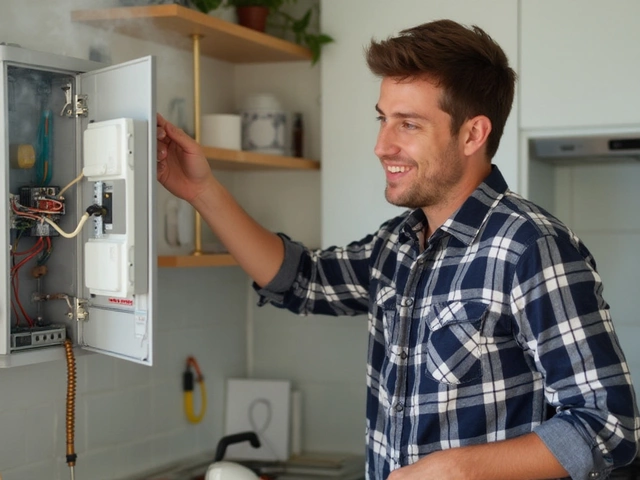
While you can diagnose the symptoms, replacing a water heater involves plumbing, electrical, or gas work. In New Zealand, gas fittings must be done by a licensed gasfitter. Electrical connections require a registered electrician. Attempting DIY replacements can lead to safety hazards or voided warranties. If you’ve identified multiple red flags-age plus rust plus noise-it’s time to get quotes.
Don’t wait for a complete breakdown. Planning ahead allows you to choose the right size and type for your household needs. Do you have a large family that takes back-to-back showers? Consider a larger tank or an instant continuous flow system. Are you looking to reduce carbon footprint? Look at heat pump options. Making this decision calmly, rather than in a panic during a cold shower, leads to better outcomes and lower costs.
How long do hot water heaters typically last?
Most conventional storage water heaters last between 8 and 12 years. Gas models often reach the higher end of this range, while electric models may fail sooner due to element corrosion. Regular maintenance, such as flushing sediment and checking the anode rod, can extend lifespan, but age is the primary determinant of failure.
Can I just patch a leaking water heater tank?
No, you cannot reliably patch a leaking tank. Leaks at the base indicate internal corrosion has breached the steel shell. External patches fail under pressure and temperature changes. Replacement is the only permanent solution for a leaking tank body.
What causes popping or rumbling noises in a water heater?
These noises are caused by sediment buildup at the bottom of the tank. Hard water minerals like calcium and magnesium settle and trap heat, causing steam bubbles to burst against the metal. This phenomenon, known as kettling, reduces efficiency and can damage the tank bottom.
Is it cheaper to repair or replace a 10-year-old water heater?
For a 10-year-old unit, replacement is usually more cost-effective. Repairs on older units often address symptoms rather than the underlying corrosion. Given that the next component is likely to fail soon, investing in a new, efficient model provides better long-term value and reliability.
Why is my hot water rusty but cold water is clear?
Rusty hot water indicates that the internal lining of the water heater tank has failed, allowing the steel to corrode. Rust particles enter the hot water stream. Clear cold water confirms the issue is isolated to the heater, not the home's general plumbing pipes.