1 March 2026 · 0 Comments
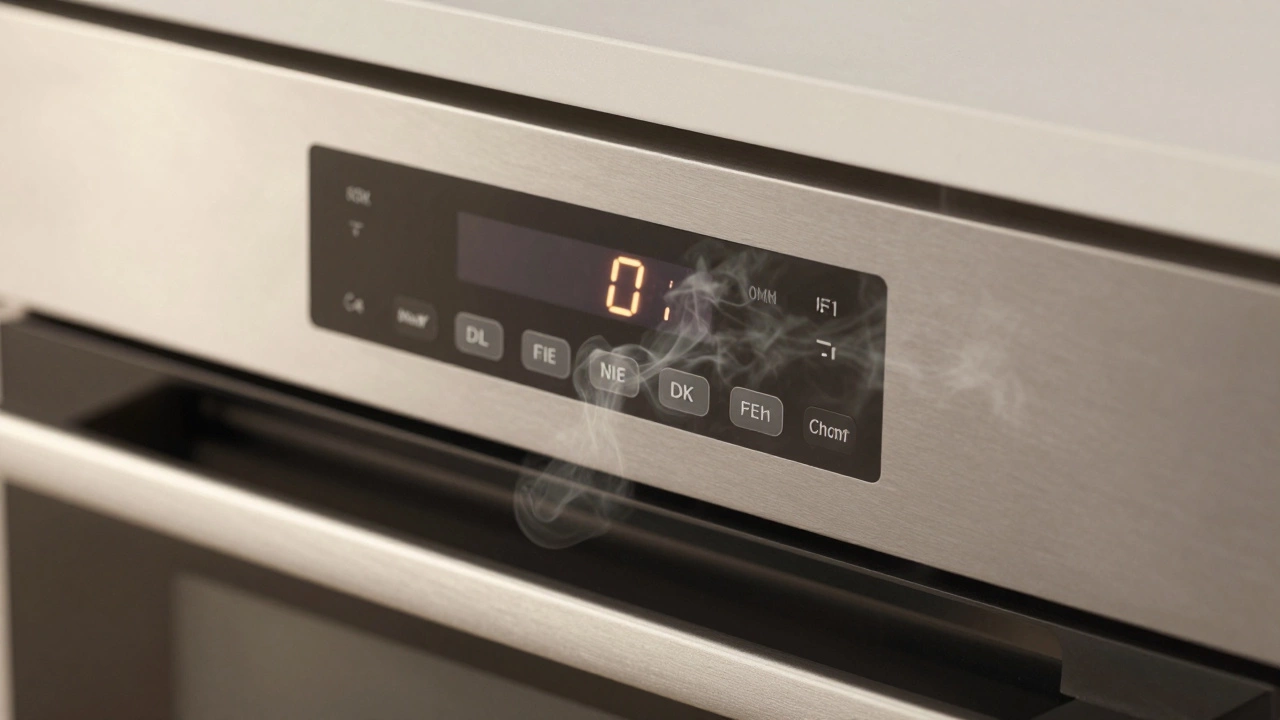
How to Tell If Your Oven Control Board Is Bad
Learn the key signs your oven control board is failing and how to test it without professional tools. Find out when to replace it-and when to replace the whole oven.
Read more
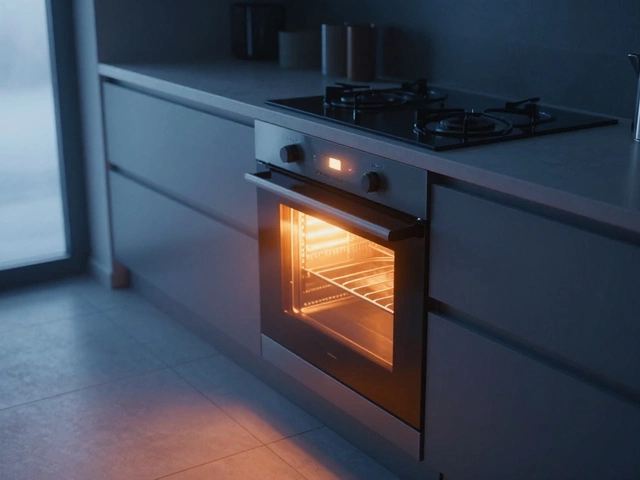
When your oven not working, a household appliance used for baking and roasting food, often due to electrical or mechanical failure. Also known as electric oven, it’s one of the most relied-on appliances in the kitchen—so when it stops heating, it throws off your whole day. Most of the time, it’s not a total breakdown. It’s usually one simple part failing, and you can fix it without spending hundreds on a technician.
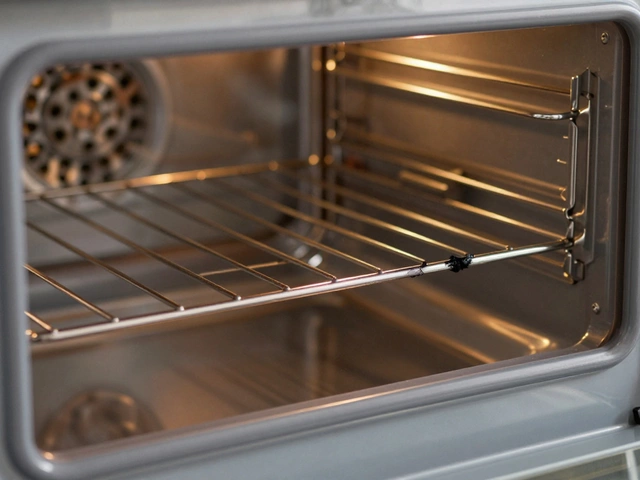
The most common reason? A broken oven element, the heating coil inside the oven that glows red when powered. It’s the part that actually heats the air, and over time, it cracks or burns out from constant use. You can spot it by looking for dark spots, bubbles, or breaks in the coil. If it doesn’t glow when turned on, it’s dead. Replacing it takes less than an hour and costs under £50. Another frequent culprit is the oven thermostat, the temperature control sensor that tells the oven when to turn the heat on or off. If it’s off by even 25 degrees, your food won’t cook right—or worse, the oven won’t turn on at all. A faulty thermostat won’t always show visible damage, but you can test it with a basic multimeter—or just replace it if your oven is older than 10 years.
Don’t forget the basics: check your circuit breaker. A tripped breaker looks normal, but it’s the #1 reason ovens suddenly stop working after a power surge or heavy load. Also, make sure the oven isn’t stuck in self-clean mode—that locks the door and shuts off power until it cools. And if you’ve got an older model, parts might be harder to find, but many common components are still made today.
There’s no need to panic or rush to buy a new oven. Most of these fixes are DIY-friendly, safe, and cost less than a service call. Below, you’ll find real step-by-step guides from people who’ve been there—how to test a heating element, reset a thermostat, diagnose power issues, and decide whether to repair or replace. Whether your oven’s 2 years old or 20, there’s a solution here that fits.
1 March 2026 · 0 Comments
Learn the key signs your oven control board is failing and how to test it without professional tools. Find out when to replace it-and when to replace the whole oven.
Read more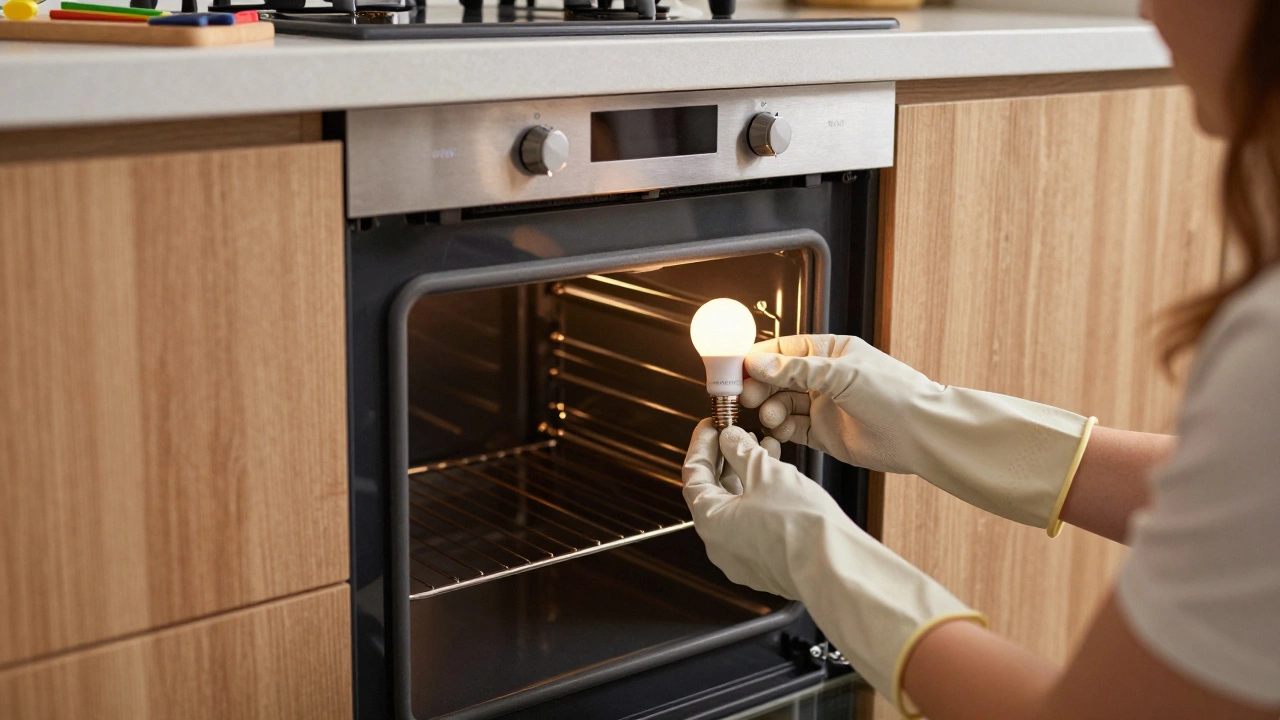
29 December 2025 · 0 Comments
Oven repair isn't always hard-but it's not always easy either. Learn which fixes you can do yourself, when to call a pro, and how to tell if it's time to replace your oven.
Read more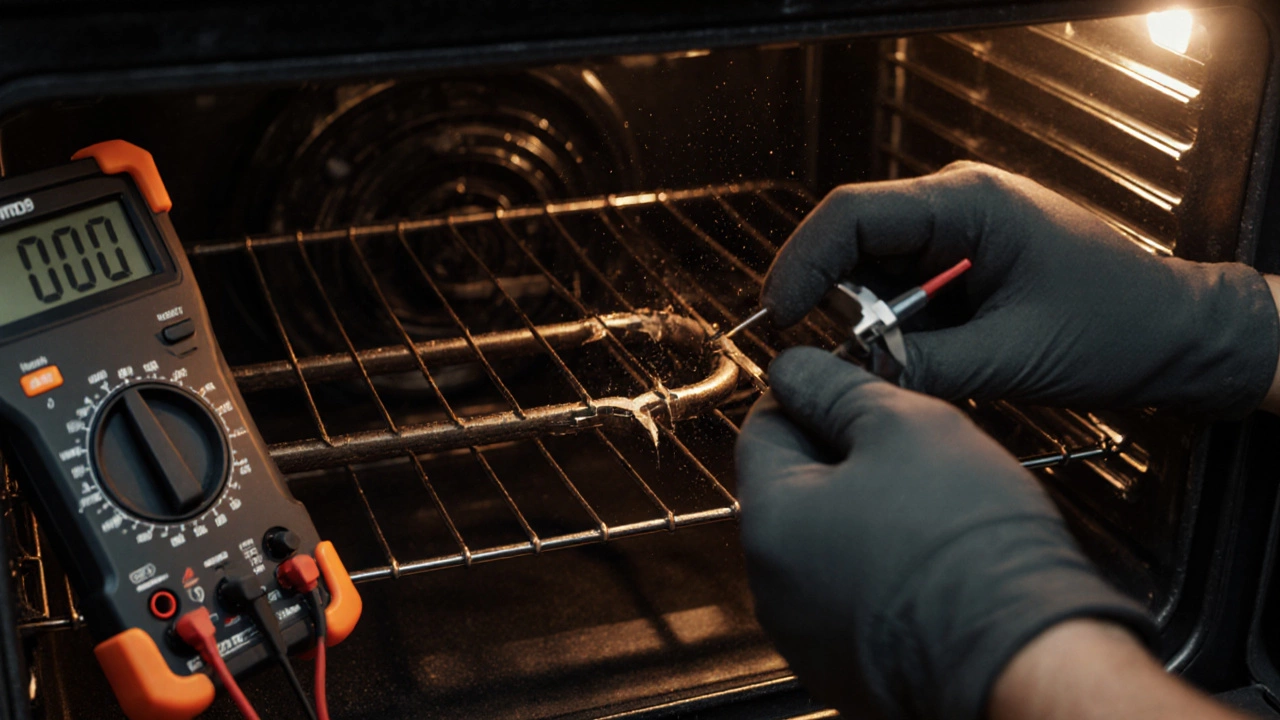
20 November 2025 · 0 Comments
Can an electrician repair an electric oven? While they can handle wiring issues, most oven problems need an appliance technician. Learn when to call each pro and how to save time and money on repairs.
Read more