Sacrificial Anode: What It Is and Why It Matters for Your Water Heater
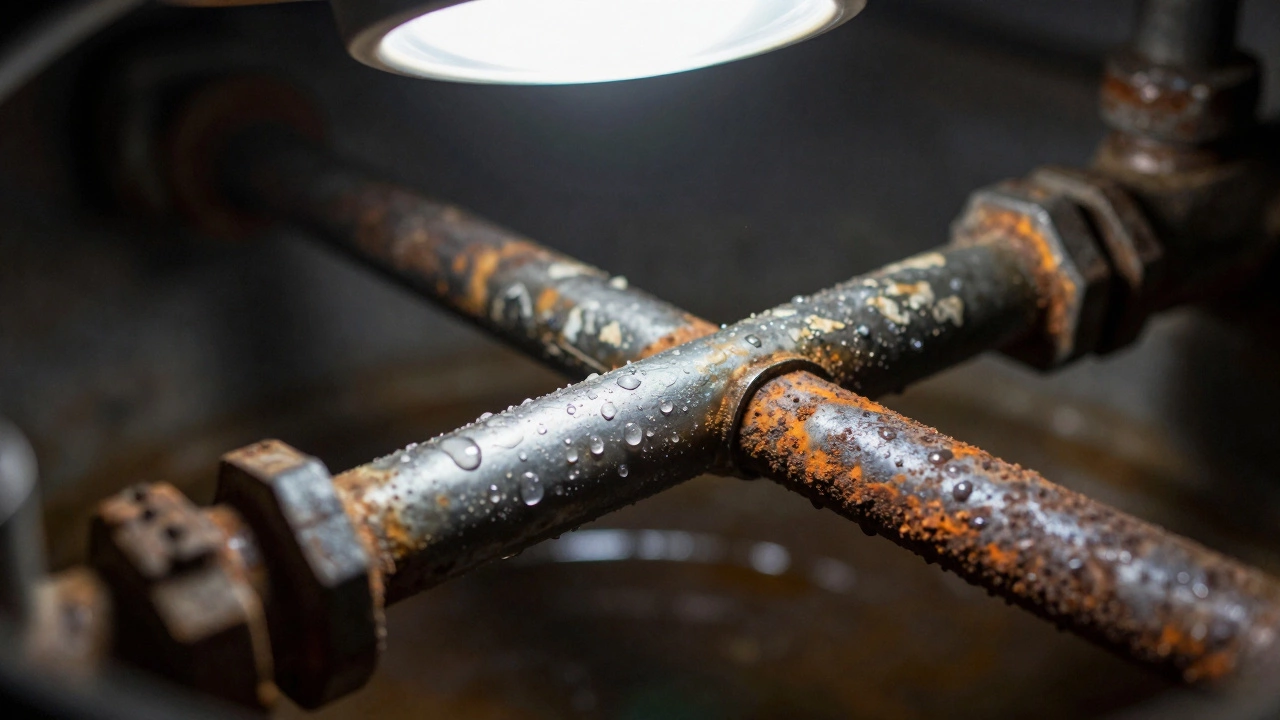
When your water heater starts leaking or rusting from the inside, the problem often isn’t the tank itself—it’s the sacrificial anode, a metal rod inside the water heater tank that attracts corrosion to protect the steel lining. Also known as an anode rod, it’s the unsung hero that keeps your water heater alive for years longer than it should be. Without it, the tank corrodes from the inside out, and no amount of flushing or resetting will stop it.
This simple part doesn’t get much attention, but it’s the reason your water heater lasts 10–12 years instead of 5. Every time hot water flows through the tank, minerals and oxygen in the water try to eat away at the steel. The sacrificial anode, usually made of magnesium, aluminum, or zinc, gives up itself instead. It slowly dissolves over time, taking the damage so your tank doesn’t have to. Once it’s gone, the tank starts rusting—and that’s when you see brown water, strange smells, or worse, a leak.
You won’t see the anode rod unless you pull it out, but its condition tells you everything about your water heater’s health. Most manufacturers recommend checking it every 3–5 years, especially if you have hard water. If it’s coated in calcium or thinner than a pencil, it’s time to replace it. Replacing it costs under $50 and takes an hour. Not doing it? That could mean replacing the whole water heater for $800 or more.
The same principle applies to other appliances that hold water—like dishwashers and washing machines. While they don’t always have sacrificial anodes, the idea is the same: protect the metal from corrosion before it’s too late. That’s why posts here talk about flushing your water heater, diagnosing leaks, and extending appliance life. They’re all connected. A well-maintained anode rod means fewer repairs, cleaner water, and fewer surprise breakdowns.
If you’ve ever wondered why your water heater failed before its time, or why someone told you to "check the anode"—now you know. This isn’t magic. It’s basic chemistry. And it’s one of the easiest, cheapest things you can do to keep your home running smoothly. Below, you’ll find real guides on water heater maintenance, when to replace parts, and how to spot signs your tank is about to give out. None of it matters if the anode is gone.
4 December 2025
·
0 Comments
Replace your water heater's anode rod every 1-3 years to prevent tank corrosion, rust, and leaks. This simple maintenance step can extend your heater’s life by a decade and save you thousands.
Read more