Appliance Service Decision Tool
Not sure if you should grab your screwdriver or make a phone call? Answer the questions below to get a recommendation.
Recommendation
Risk LevelDIY Possibilities
Why Call a Pro?
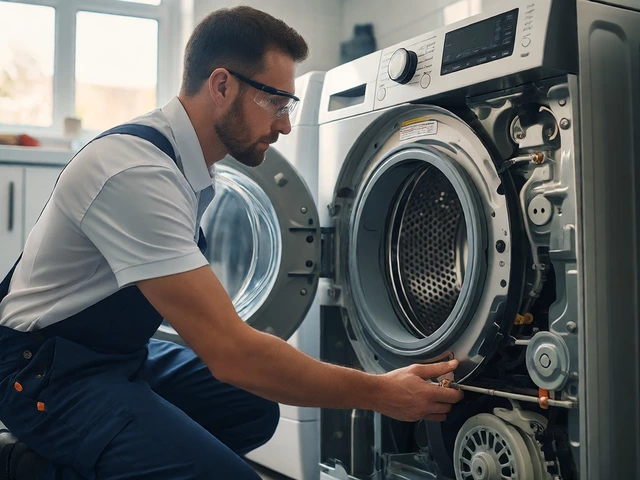
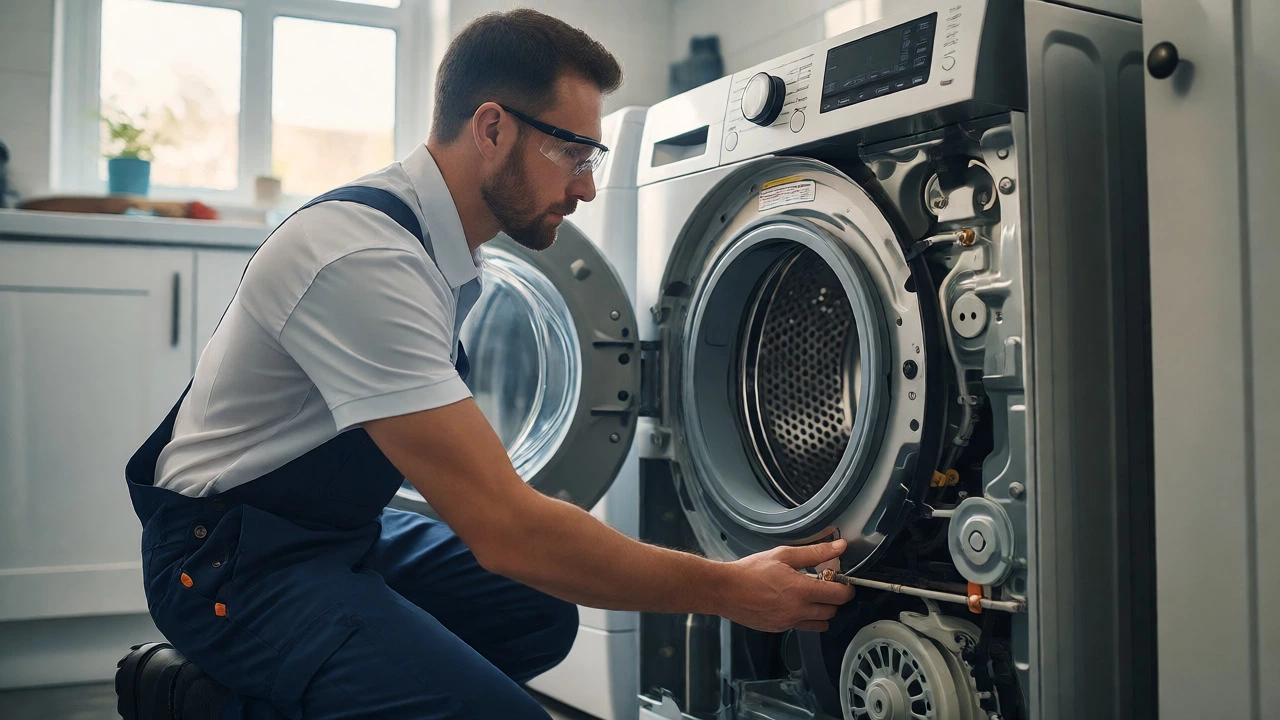
You’ve got a washing machine that sounds like it’s trying to escape the laundry room, or maybe your oven is refusing to heat past lukewarm. You call for help, and someone shows up who isn’t quite a plumber, not exactly an electrician, but definitely knows their way around a circuit board and a drum bearing. Who are they? They’re an appliance specialist, and their job is far more nuanced than just swapping out broken parts.
If you’ve ever wondered what separates a general handyman from a true appliance expert, you’re in the right place. It’s not just about having a wrench; it’s about understanding how complex machines interact with your home’s infrastructure. Let’s break down the real role of these technicians, what skills they need, and why knowing this might save you money on your next service call.
The Core Definition: More Than Just Fixing Things
An appliance specialist is a trained professional dedicated to the installation, maintenance, diagnosis, and repair of household and commercial appliances. Unlike general contractors who handle broad structural issues, specialists focus exclusively on electromechanical systems found in kitchens, laundries, and utility rooms. This includes everything from refrigerators and dishwashers to HVAC units and built-in ovens.
Think of them as the doctors of your home machinery. Just as a physician needs to understand anatomy before prescribing medication, an appliance specialist must grasp the mechanical, electrical, and sometimes electronic components of each device before attempting a fix. They don’t just guess which part failed; they use diagnostic logic to pinpoint the root cause, ensuring the repair lasts longer than a quick patch.
Key Responsibilities in Daily Operations
The day-to-day life of an appliance technician varies wildly depending on the season and the type of equipment. However, four main pillars define their workflow:
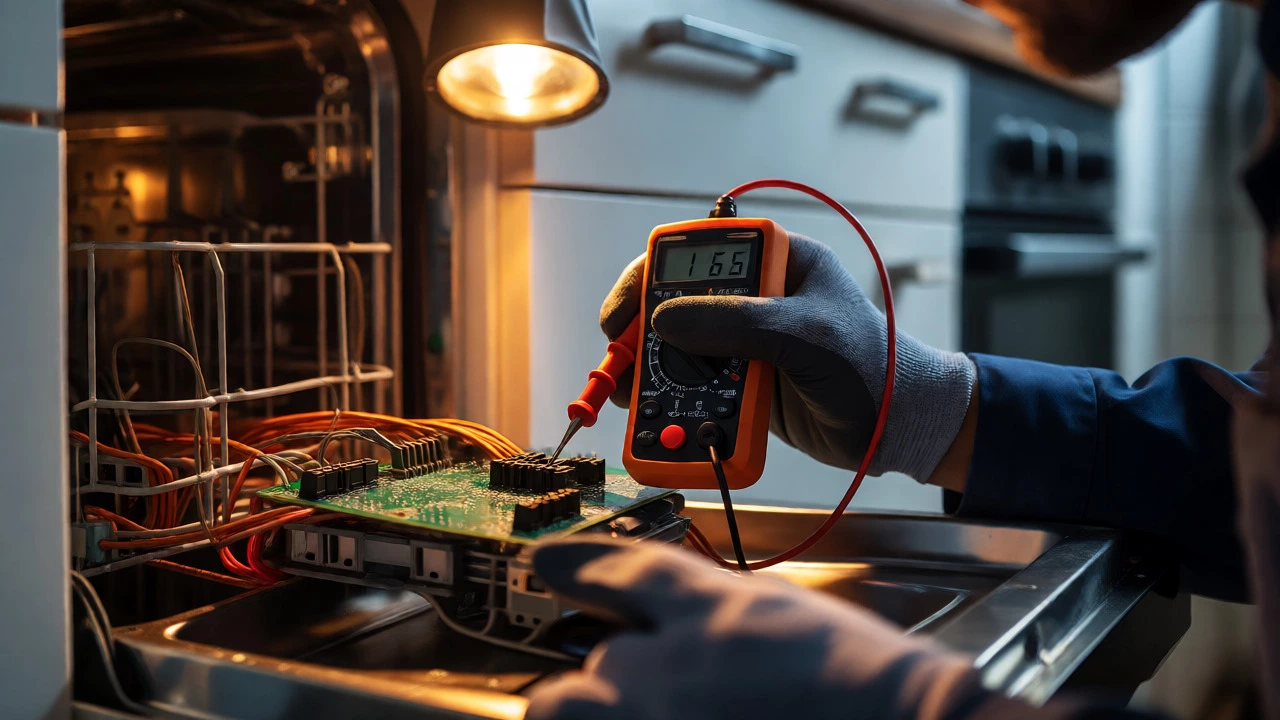
- Diagnostic Troubleshooting: This is the most critical skill. Using multimeters, amp clamps, and specialized software, specialists test voltage, continuity, and resistance. For example, if a dryer won’t start, they check the thermal fuse, door switch, and control board sequentially rather than randomly replacing expensive parts.
- Component Replacement: Once the fault is identified, they replace faulty components such as heating elements, compressors, pumps, or belts. This requires precision to ensure new parts fit correctly and function within manufacturer specifications.
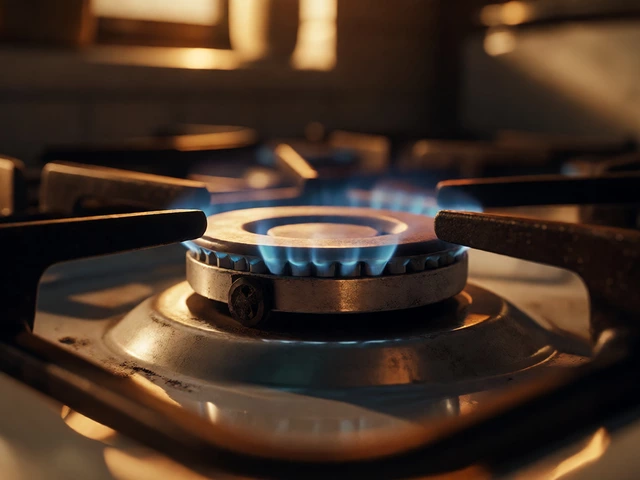
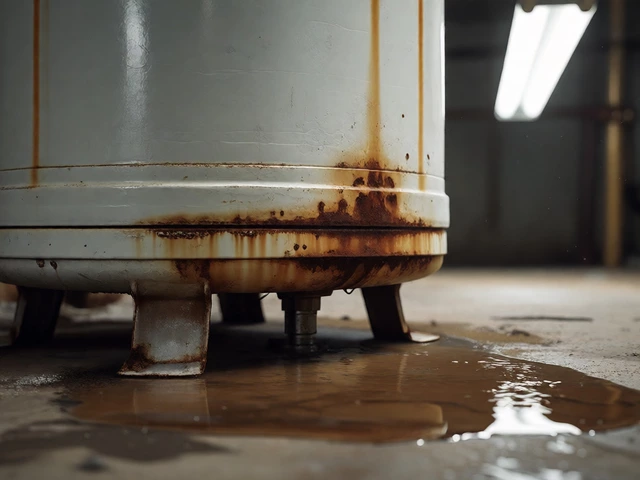
- Preventive Maintenance: Many specialists offer tune-ups to extend appliance life. This involves cleaning condenser coils on fridges, descaling water heaters, or checking gas pressure on stoves. Regular maintenance can prevent catastrophic failures during peak usage times.
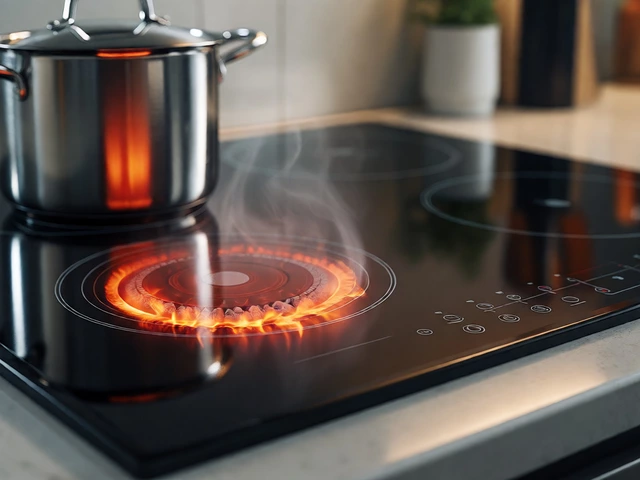
- Installation and Setup: Proper installation prevents future headaches. Specialists ensure venting is correct for dryers, water lines are leak-free for washers, and electrical loads are balanced for high-power devices like induction cooktops.
Essential Skills and Technical Knowledge
To succeed, an appliance specialist needs a hybrid skill set. It’s not enough to be good with hands; you need to think like an engineer and communicate like a teacher. Here’s what makes a specialist stand out:
| Skill Area | General Handyman | Appliance Specialist |
|---|---|---|
| Electrical Knowledge | Basic wiring, outlet replacement | Circuit analysis, component testing, schematic reading |
| Mechanical Aptitude | General assembly/disassembly | Precision alignment of motors, bearings, and gears |
| Diagnostics | Visual inspection, trial-and-error | Data-driven troubleshooting using meters and codes |
| Brand Specifics | General familiarity | Deep knowledge of specific brands (e.g., Bosch, LG, Fisher & Paykel) |
| Safety Protocols | Standard tool safety | Gas line handling, high-voltage isolation, refrigerant management |
Notice the gap in diagnostics. A handyman might see a fridge not cooling and assume it’s low on gas. An appliance specialist checks the compressor start relay first-a $10 part versus a $300 regas job. That analytical approach saves homeowners hundreds of dollars.
The Diagnostic Process: How They Find the Problem
Ever wonder how a tech walks into your kitchen, listens to your story, opens the panel, and instantly knows what’s wrong? It’s rarely magic; it’s a structured process.
- Customer Interview: They ask specific questions. “Did you hear a noise?” “Was there a power outage?” “How old is the unit?” These clues narrow down the possibilities immediately.
- Visual Inspection: They look for burnt wires, water leaks, rust, or loose connections. Often, the problem is visible if you know where to look.
- Electrical Testing: Using a multimeter, they verify power supply to the control board. If power is present but the unit doesn’t respond, the issue likely lies in the user interface or main PCB.
- Functional Testing: They run cycles manually. For a dishwasher, they might bypass the timer to test the pump directly. This isolates whether the motor is seized or if the control signal is missing.
- Final Verification: After repair, they run a full cycle to ensure the fix holds under load. No one wants a technician leaving only for the machine to fail again an hour later.
Specializations Within the Field
“Appliance specialist” is a broad term. In reality, many technicians niche down. Some focus solely on refrigeration, dealing with sealed systems and refrigerants like R600a. Others specialize in laundry, mastering the intricacies of drum bearings and suspension springs. There are also experts in cooking appliances, who deal with high-heat environments and gas safety regulations.
In New Zealand, for instance, gas fitting requires certification. An appliance specialist working on gas ovens or hobs must hold a current license to legally connect or modify gas lines. This regulatory layer adds complexity and ensures safety, distinguishing licensed specialists from unqualified handymen.

Why Hiring a Specialist Matters for Your Wallet
It’s tempting to hire the cheapest option when your dishwasher breaks. But consider the long-term cost. An inexperienced worker might misdiagnose a control board failure as a pump issue, leading to unnecessary part replacements. Worse, improper installation can void warranties or cause secondary damage, like flooding from a poorly connected hose.
A certified specialist provides value through accuracy. They often have access to OEM (Original Equipment Manufacturer) parts, which fit better and last longer than generic alternatives. Plus, reputable specialists offer warranties on both parts and labor, giving you peace of mind. If the same issue recurs within 90 days, they return at no extra charge.
When to Call a Specialist vs. DIY
Not every appliance issue requires a pro. Knowing when to step back can save you time. Here’s a simple rule of thumb:
- DIY: Cleaning filters, resetting breakers, unclogging drain traps, or replacing accessible light bulbs.
- Call a Specialist: Anything involving electricity inside the casing, gas lines, refrigerant leaks, sealed system repairs, or persistent error codes that reset buttons don’t clear.
If you open a panel and see high-voltage capacitors, stop. Those can store lethal charges even when unplugged. Leave those jobs to the pros who carry insulated tools and know how to discharge them safely.
Frequently Asked Questions
Do appliance specialists work on all brands?
Most independent specialists can work on major brands like Samsung, LG, Bosch, and Whirlpool. However, some manufacturers require authorized service agents for warranty claims. Always check your warranty terms before hiring a third-party technician to avoid invalidating coverage.
How much does an appliance specialist typically charge?
Rates vary by region and complexity. In New Zealand, expect a call-out fee between $80 and $150, plus hourly rates of $100-$150. Parts are charged separately. Complex jobs like compressor replacements will cost significantly more due to labor intensity and part prices.
Can an appliance specialist install new appliances?
Yes, installation is a core service. Proper installation ensures appliances operate efficiently and safely. Specialists handle plumbing connections, electrical hookups, and leveling, which are critical for preventing vibration, noise, and premature wear.
What certifications should I look for?
Look for qualifications relevant to your location. In NZ, gas fitters must be registered. Electrical work should be done by registered electricians or licensed technicians. Additionally, manufacturer-specific training certificates indicate deeper expertise with particular brands.
Is preventive maintenance worth it?
Absolutely. Regular servicing can extend the lifespan of major appliances by several years. Cleaning coils, checking seals, and lubricating moving parts are inexpensive tasks that prevent costly breakdowns during peak seasons like summer cooling demands or winter heating needs.