Boiler Maintenance ROI Calculator
Why use this tool: Unserviced boilers can suffer up to 15-20% efficiency loss due to sludge buildup and carbon deposits. This tool estimates how much money you might be wasting on energy bills by skipping annual maintenance.
Input Your Details
Financial Analysis
Inefficiency Warning
Enter your details above to analyze your boiler's performance.
Current Safety Risk Level:
Did You Know?
Beyond financial savings, manufacturers often require proof of annual service to honor warranties. Skipping service may void coverage for expensive repairs.
The Silent Risks of Skipping Boiler Maintenance
You might think that if your Boiler is working fine today, you can wait years before booking a professional check. That feeling is dangerous. A heating unit is a complex pressure vessel burning fuel to create heat. When left unchecked, small internal issues grow into catastrophic failures. In worst-case scenarios, neglect leads to carbon monoxide leaks, house fires, or total system collapse right in the middle of winter. Most homeowners ignore service until something makes noise, but by then, significant damage is often done.
Skipping annual care isn't just about saving a few hundred dollars upfront. It's a gamble where the potential loss includes structural damage to your home, health emergencies for your family, and massive emergency repair bills. Think about how you treat your car; you wouldn't drive 50,000 miles without changing oil because the engine seemed fine. Your heating system follows similar mechanical rules. Ignoring scheduled inspections creates a hidden backlog of problems waiting to trigger a breakdown.
Health Hazards: The Invisible Threat
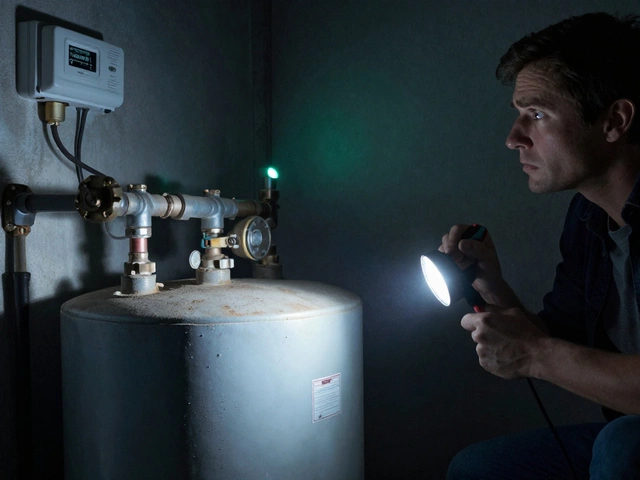
The most serious consequence of a neglected unit is exposure to toxic gases. During normal combustion, fuel releases exhaust through a flue. However, cracks in the heat exchanger or blocked vents change this airflow path. Instead of going outside, harmful fumes enter your living space. Carbon Monoxide is odorless and colorless, making it impossible to detect without sensors. Even low levels cause headaches, dizziness, and nausea over time. High concentrations lead to unconsciousness and death rapidly.
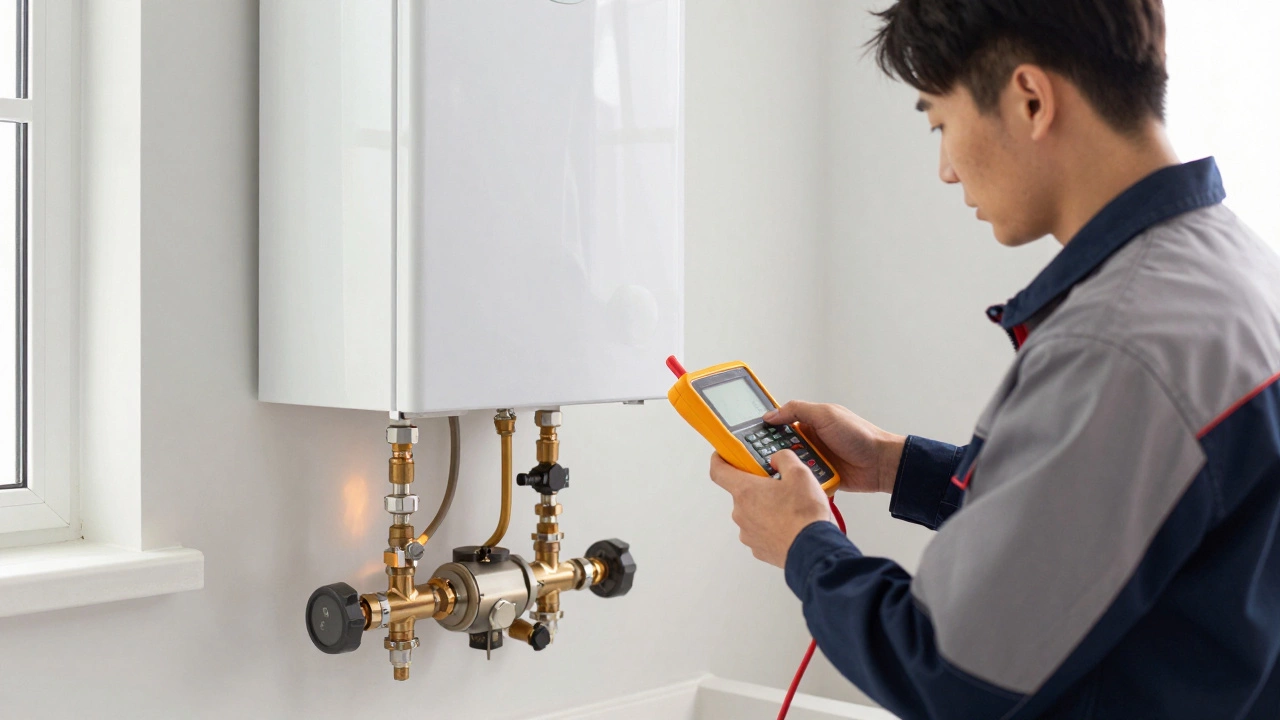
A qualified technician uses specific equipment to measure flue gas analysis during a visit. They look for carbon monoxide production levels that exceed safe limits. Without this test, you have no way of knowing if your sealed combustion chamber is intact. Many modern units have safety cut-offs that stop the burner if flames fail, but older models lack these digital safeguards. If you rely on a manual pilot light or an older gas valve assembly, the margin for error is almost zero. Regular checks verify that ventilation pathways remain clear of blockages, bird nests, or debris.
Rising Energy Bills and Reduced Efficiency
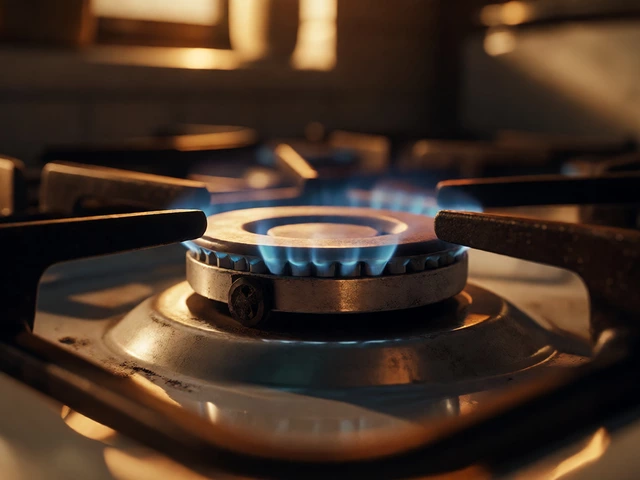
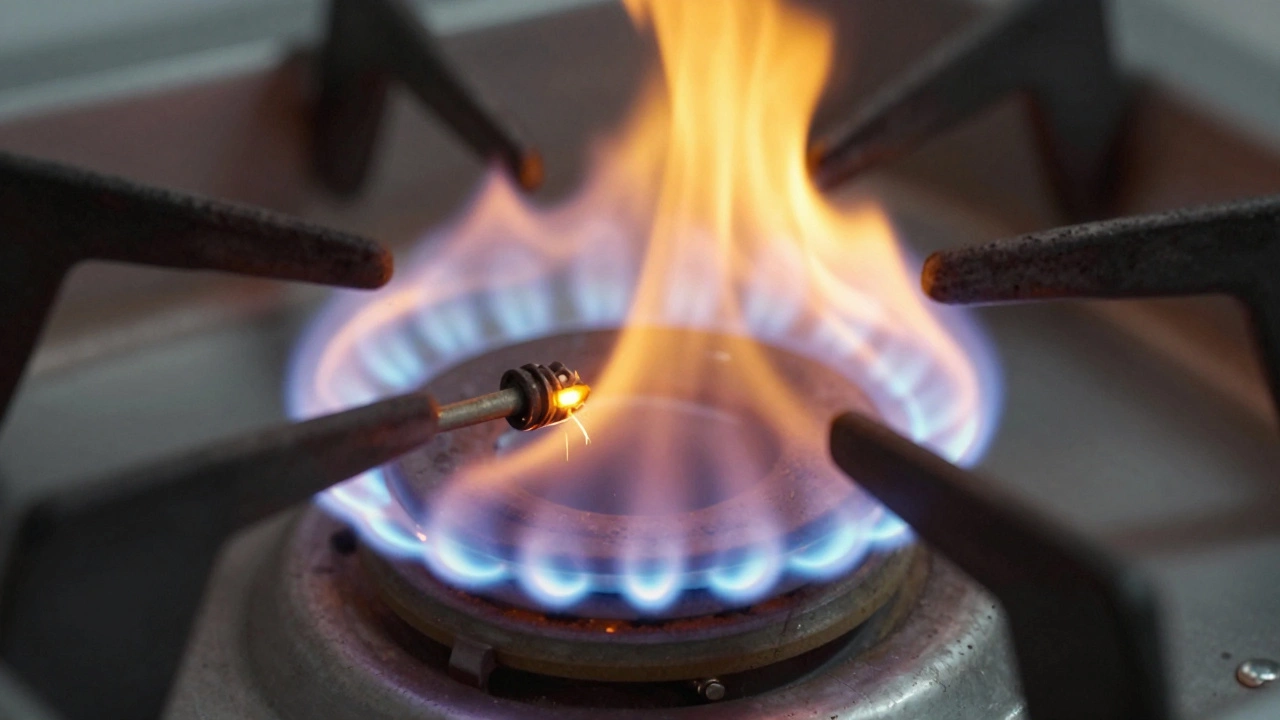
Aside from safety, there is the financial impact on your monthly utility statements. As dirt, dust, and combustion residue accumulate inside the burner nozzles, the flame quality degrades. Instead of a clean blue flame, you might get a lazy yellow tip, which burns fuel inefficiently. This means the system works harder to reach the thermostat setting you desire. Over a single heating season, this inefficiency can increase gas usage by up to twenty percent depending on the severity of the buildup.
Sediment accumulation plays a huge role here too. Inside the water pipes, hard minerals settle at the bottom of the radiators and the boiler casing. This layer acts as an insulator rather than a conductor. Heat gets trapped inside the metal instead of transferring to the water. To compensate, the burner stays on longer cycles. Your meter spins faster, but your rooms stay colder. Cleaning the interior components restores thermal transfer rates, effectively lowering consumption without any changes to your habits. It is one of the highest-return investments a homeowner can make regarding their household budget.
Shortened Equipment Lifespan and Component Failure
Mechanical stress is inevitable in any machine, but corrosion accelerates when maintenance is missing. Water chemistry inside a closed loop system changes over time. If inhibitors aren't topped up annually, microscopic rust particles form inside pipes. Eventually, this clogs pumps and damages valves. Parts like the expansion vessel lose their pre-charge pressure when seals degrade. These are wear-and-tear items that technicians lubricate, test, or replace during routine visits. Waiting for them to fail completely usually forces you to buy expensive replacement parts after the fact.
Consider the lifespan expectation. A well-cared-for condensing unit should last between fifteen and twenty years. One left unattended typically reaches critical failure around year ten. You lose five to seven productive years of performance just by skipping service. Early detection allows for part-swapping, while late detection requires full system replacement. Replacing a whole furnace is ten times the cost of fixing a sensor or a seal. Neglect turns a minor service call into a capital expenditure.
Voided Manufacturer Warranty and Insurance Issues
Many manufacturers tie their warranty coverage directly to proof of regular maintenance. Manufacturer Warranty often states that if you cannot produce service records, claims for component defects will be rejected. You paid a premium for extended coverage, yet you lose protection because the paperwork wasn't kept. Insurers follow similar logic when assessing claims for fire or explosion damage.
If your property sustains fire damage originating from the heating plant, insurance investigators will check logs immediately. Lack of recent service history raises suspicion of negligence. They may determine that the damage was foreseeable and preventable. This could result in a denied claim, leaving you responsible for rebuilding the home or replacing belongings. Keeping a folder of all service invoices protects your assets beyond just the machine itself. It proves due diligence in maintaining a safe environment. Landlords specifically face stricter liability rules if tenants suffer injury from poorly maintained fixtures.
| Feature Comparison | |||
|---|---|---|---|
| Annuall Fuel Cost | Lower (Optimized Burn) | Annuall Fuel Cost | Higher (Poor Efficiency) |
| Lifespan Expectancy | 15-20 Years | Lifespan Expectancy | 8-12 Years |
| Risk of Leak | Minimized | Risk of Leak | High |
| Warranty Validity | Maintained | Warranty Validity | Often Voided |
| Coverage | Included | Coverage | Lost |
Identifying Signs of Needed Service
Sometimes the problem is obvious before the appointment. Listen for unusual sounds coming from the room housing your unit. Banging or clanking indicates kettling caused by scale buildup. If the pressure gauge drops constantly despite topping it up, you likely have a leak in the system integrity. Yellow flame tips are a visual alarm sign requiring immediate attention rather than scheduled maintenance.
Water stains appearing below the unit or damp patches on walls nearby suggest leakage. Condensation dripping excessively during hot days can indicate drainage line issues. Digital displays flashing specific error codes provide clues. While these tell-tale signs scream for help, they often mean damage has already begun. Routine preventative service aims to catch issues before they manifest visibly or audibly. Catching a worn seal early saves hundreds compared to replacing a wet floor.
Frequently Asked Questions About Maintenance
How often should I book a service appointment?
You should schedule a professional inspection once every twelve months. Ideally, arrange this in late autumn before the peak heating demand begins. This ensures everything runs smoothly during the coldest months.
Can I perform basic checks myself?
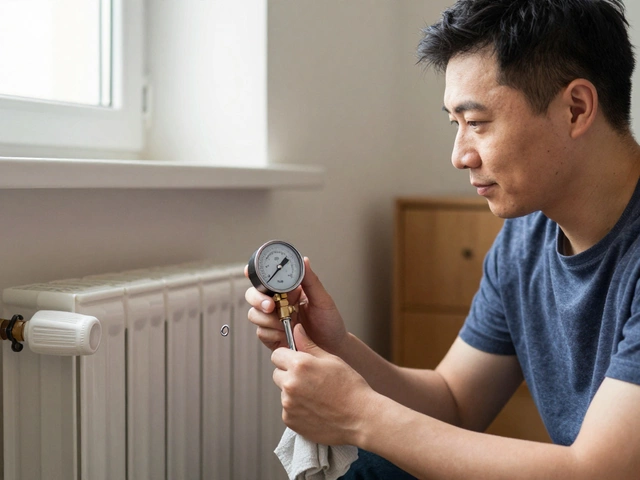
You can monitor pressure gauges and check for visible leaks, but technical adjustments require certified engineers. Internal gas pressures and safety valves pose risks to untrained individuals.
What is the typical cost of servicing?
Prices vary by region and brand complexity, but a standard annual check usually falls within a predictable range. Compare this against the thousands spent on emergency breakdown repairs to see the value.
Does type of fuel matter for service frequency?
Yes, oil systems often require slightly different intervals than gas or electric models due to particulate deposits. Consult your specific manual for manufacturer recommendations tailored to your fuel source.
Why does the warranty require proof of service?
Manufacturers need assurance that the unit is operated under correct conditions. Proof prevents customers from claiming faults caused by neglect, ensuring fair support for genuine product defects.
Protecting Your Home Through Prevention
Taking action now is simpler than dealing with disaster later. Schedule a visit with a qualified engineer who carries proper credentials. Ask for a written report after every check so you have records for insurers or future buyers. Treating your heating infrastructure as a critical asset secures your comfort and safety for years to come. Do not wait for the warning lights to blink or the strange smells to appear. Regular intervention keeps the risk profile low and keeps your investment valuable.