Boiler Replacement Cost Estimator
Configuration Details
Select all that apply to your current setup:
Estimated Total Cost
Breakdown
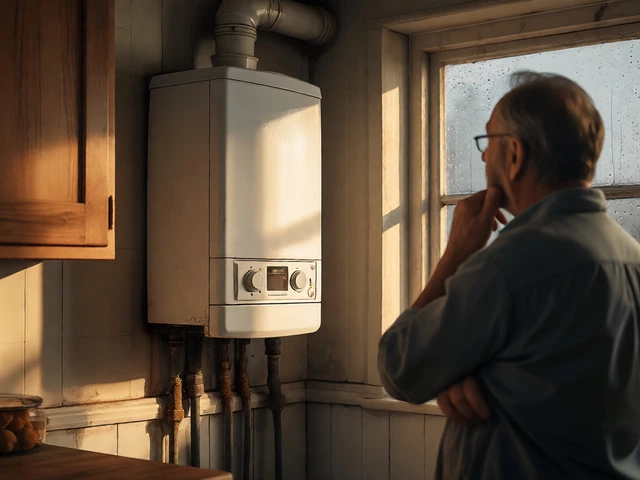
You pull up the quote for your new boiler replacement, and your stomach drops. The number on the page looks like it belongs to a luxury car lease, not a household appliance. You might be wondering if you are being ripped off. Is this just a standard markup by desperate tradespeople, or is there actually substance behind that hefty price tag?
The short answer is: it’s complicated, but it’s rarely arbitrary. While the metal box itself might cost less than you think, the ecosystem required to install it safely and legally in modern homes is expensive. From strict safety regulations to hidden infrastructure upgrades, several factors drive the final bill higher than a simple hardware swap.
The Hardware vs. The Installation Gap
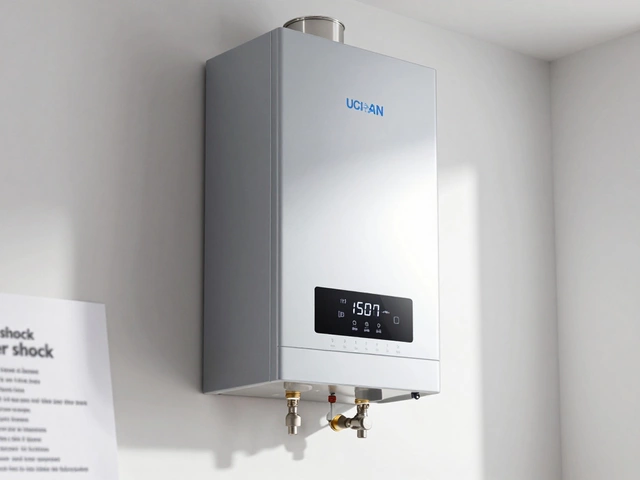
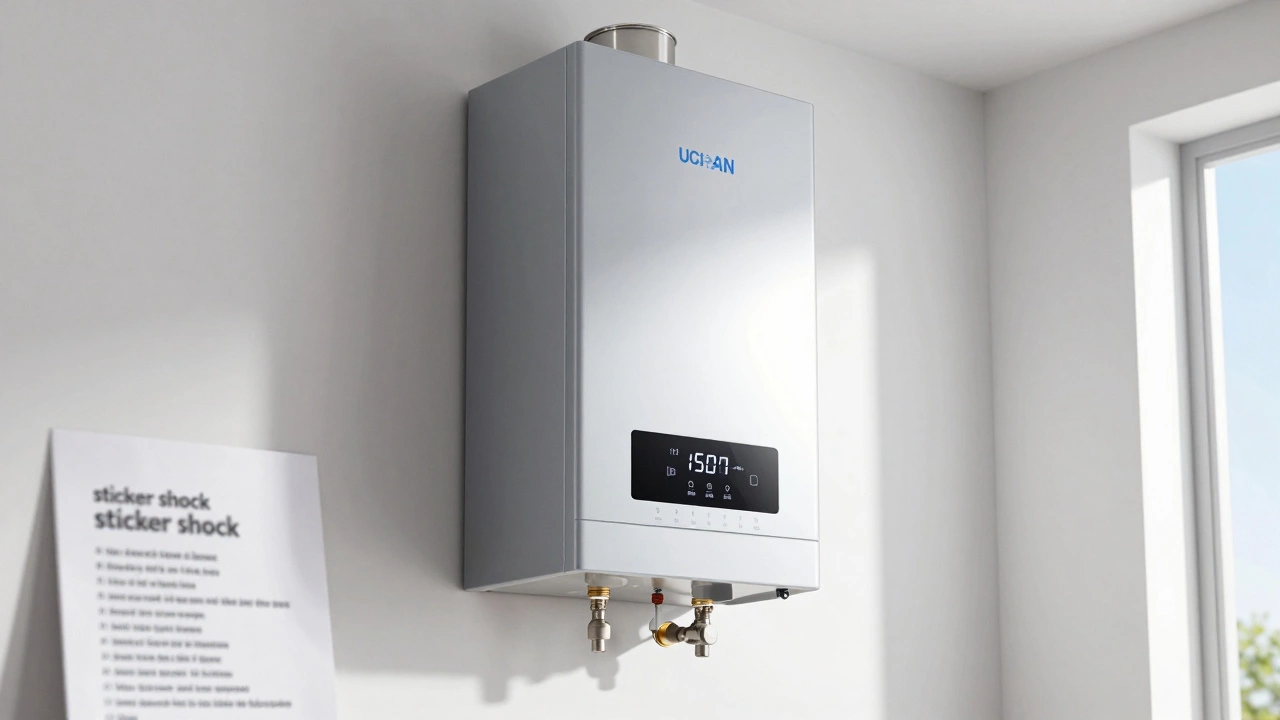
Most people assume the cost comes from the unit. If you walk into a large hardware store, you can see boilers listed with prices ranging from $1,500 to $4,000 depending on efficiency and brand. This is the "sticker shock" baseline. However, buying the unit is only about 30% to 40% of the total project cost.
The rest goes to labor and materials. A professional installation isn't just plugging in a heater; it involves complex plumbing, gas line work, electrical connections, and often structural modifications to your home. When you hire a certified technician, you are paying for their insurance, their tools, their van, and their years of specialized training. In regions with high living costs, such as parts of the UK or Australia, labor rates alone can exceed $100 per hour. Multiply that by the two to three days a full installation typically takes, and the math starts to add up quickly.
Regulatory Hurdles and Safety Certifications
Safety is the single biggest driver of boiler costs. Unlike changing a lightbulb, messing with gas and high-pressure water systems carries lethal risks. This is why regulations exist. In many countries, including New Zealand where I live, and across Europe and North America, you cannot legally install a gas boiler without specific certifications.
In the UK, for example, engineers must be Gas Safe registered. In the US, they need local licensing and EPA certification for handling refrigerants if heat pumps are involved. These certifications require ongoing education and expensive insurance coverage. When you pay for a boiler replacement, you are essentially paying for a guarantee that your house won’t explode or fill with carbon monoxide. Cheap, uncertified labor might save you money upfront, but it voids warranties and poses severe health risks.
The "While We're At It" Upgrades
Here is where quotes often diverge wildly. A "like-for-like" replacement-swapping an old boiler for a new one in the exact same spot with existing pipes-is the cheapest option. But most homeowners don't get lucky enough to have perfect existing infrastructure.
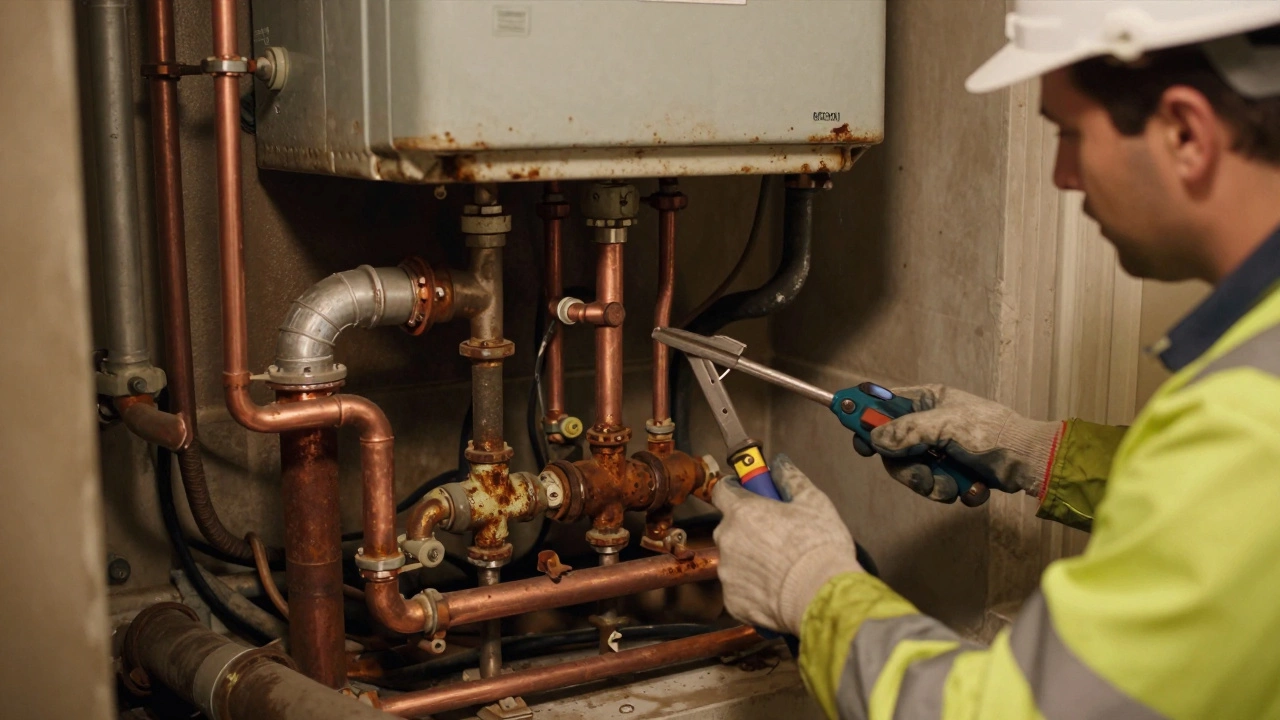
- Pipework Renovation: Older homes often have cast iron or corroded copper pipes. Engineers will usually recommend replacing these to prevent leaks later. This adds hours of labor and material costs.
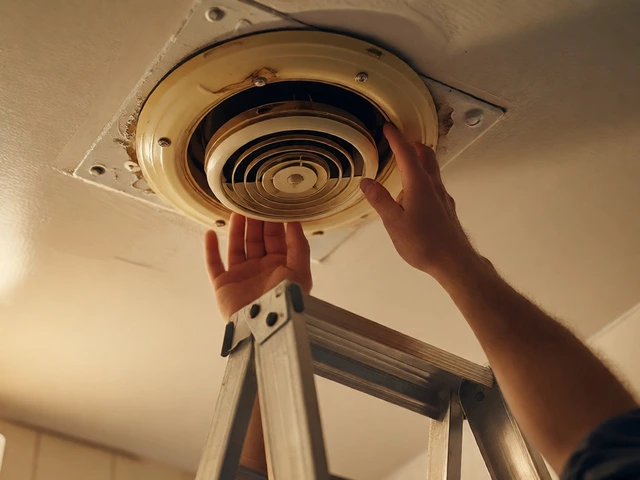
- Flue Relocation: Modern condensing boilers require different venting than older non-condensing models. If your current flue doesn't meet current building codes, it needs to be moved or replaced, which might involve drilling through exterior walls or roofs.
- System Flush: Before installing a new unit, technicians must flush the entire central heating system to remove sludge and magnetite. If the system is particularly dirty, they may need to install magnetic filters, adding another few hundred dollars to the bill.
Efficiency Standards and Technology Costs
Gone are the days of cheap, inefficient heaters. Governments worldwide are pushing for higher energy standards to combat climate change. This means the boilers available today are significantly more advanced than those installed twenty years ago.
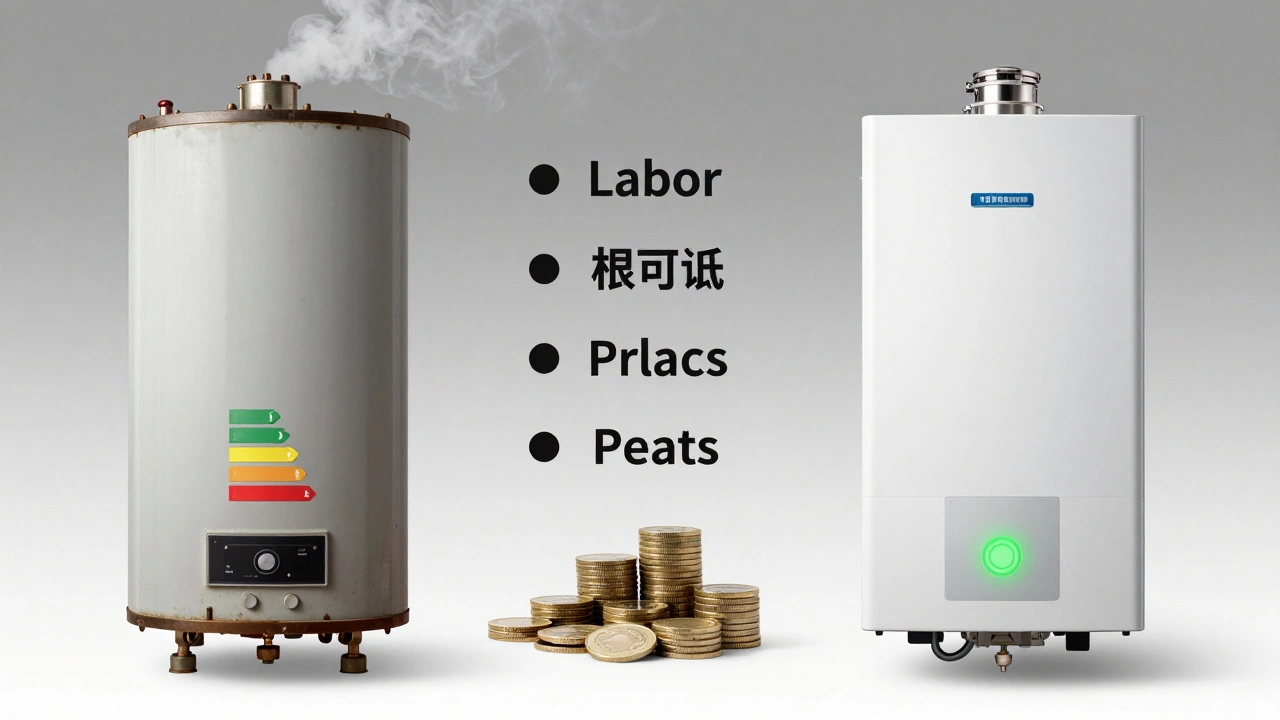
Modern condensing boilers capture waste heat from exhaust gases to pre-heat incoming water, achieving efficiencies of over 90%. This technology requires more complex internal components, electronic controls, and durable materials. You are paying for engineering that reduces your monthly energy bills. While the upfront cost is higher, the return on investment comes from lower utility payments over the next 10 to 15 years.
Emergency vs. Scheduled Installations
Timing matters immensely. If your boiler breaks down in the middle of winter, you are at the mercy of emergency service rates. Emergency call-out fees can range from $100 to $300 just for the technician to show up. If they determine the unit needs replacing, the urgency often commands a premium on labor because they are prioritizing your job over scheduled ones.
Planning ahead saves money. Scheduling a replacement during spring or summer, when demand is lower, can sometimes lead to discounts or more flexible scheduling. It also allows you time to shop around for multiple quotes rather than accepting the first offer out of desperation.
| Cost Component | Estimated Range (USD) | Notes |
|---|---|---|
| Boiler Unit (Mid-range) | $1,500 - $3,500 | Varies by efficiency rating and brand |
| Labor (Installation) | $800 - $2,000 | Depends on complexity and location |
| Flue/Venting Work | $200 - $600 | Required if current flue is non-compliant |
| Pipework/Controls Upgrade | $300 - $1,000+ | Smart thermostats, new radiators, pipe renewal |
| Removal & Disposal | $100 - $300 | Hauling away the old unit responsibly |
Hidden Costs That Catch People Off Guard
Beyond the obvious line items, there are subtle expenses that often appear on the final invoice. One common surprise is the cost of upgrading the gas meter. Older homes might have smaller gas meters that cannot support the flow rate of a modern, high-output boiler. If the engineer identifies this issue, a gas company technician must visit to upgrade the meter, which is a separate fee paid directly to the utility provider.
Another hidden cost is cosmetic repair. Installing a new boiler often involves removing tiles, cutting into plasterboard, or digging up flooring to access pipes. Once the installation is done, you may need to hire a painter or tiler to restore the room to its original condition. This is rarely included in the boiler installer's quote.
Is It Worth It? Or Should You Repair?
This is the million-dollar question. If your boiler is less than ten years old, repairs are often cheaper than replacement. However, if your unit is approaching the end of its lifespan (typically 15 years), frequent breakdowns become a financial drain. Each repair might cost $200 to $500, but these costs accumulate rapidly.
Consider the efficiency gap. An old boiler operating at 70% efficiency wastes nearly a third of the fuel you burn. Switching to a 90%+ efficient model can reduce annual heating bills by 10% to 20%. Over five years, those savings can offset a significant portion of the replacement cost. Additionally, new units come with warranties, providing peace of mind that an aging, repaired unit simply cannot match.
How long does a boiler replacement take?
A straightforward like-for-like replacement typically takes one day. However, if pipework, flues, or controls need upgrading, the job can extend to two or three days. Complex installations involving moving the boiler to a new location may take up to a week.
Do I need a permit to replace my boiler?
In most jurisdictions, yes. Local building codes usually require permits for gas line work and venting changes. Your licensed installer should handle the permit process, but it adds time and potentially small fees to the project. Always verify this with your contractor.
Can I install a boiler myself to save money?
Absolutely not. DIY boiler installation is illegal in most places due to gas safety laws. Improper installation can lead to carbon monoxide poisoning, fires, and voided home insurance policies. The risk far outweighs any potential savings.
What is the difference between a combi boiler and a system boiler?
A combi (combination) boiler heats water on demand, requiring no hot water tank. It’s ideal for smaller homes with one bathroom. A system boiler works with a separate hot water cylinder, making it better suited for larger homes with multiple bathrooms where simultaneous hot water use is common.
Are there grants available for boiler replacements?
Government incentives vary by country and region. Some areas offer rebates for switching to high-efficiency or low-carbon heating systems like heat pumps. Check with local energy agencies or government websites to see if you qualify for any current subsidies or tax credits.