Electric Stove Element Tester
Simulate multimeter testing for electric stove elements. Enter resistance value (in ohms) to determine if your element is working properly.
According to the article: A normal element shows 20-120 ohms. Values outside this range indicate a problem.
If your electric stove isn’t heating up like it used to, or one burner takes forever to boil water while the others work fine, there’s a good chance the heating element is failing. You don’t need to be a technician to figure this out-just a little patience and a few simple checks. Most electric stoves have visible coil elements or smooth-top ceramic elements, and both can go bad over time. Here’s how to know for sure.
Look for visible damage
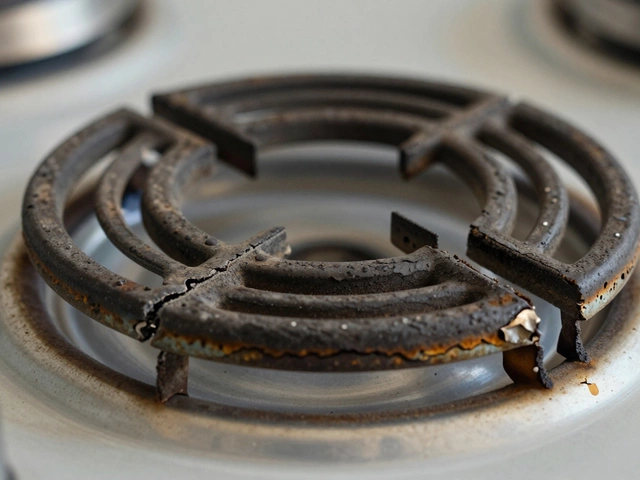
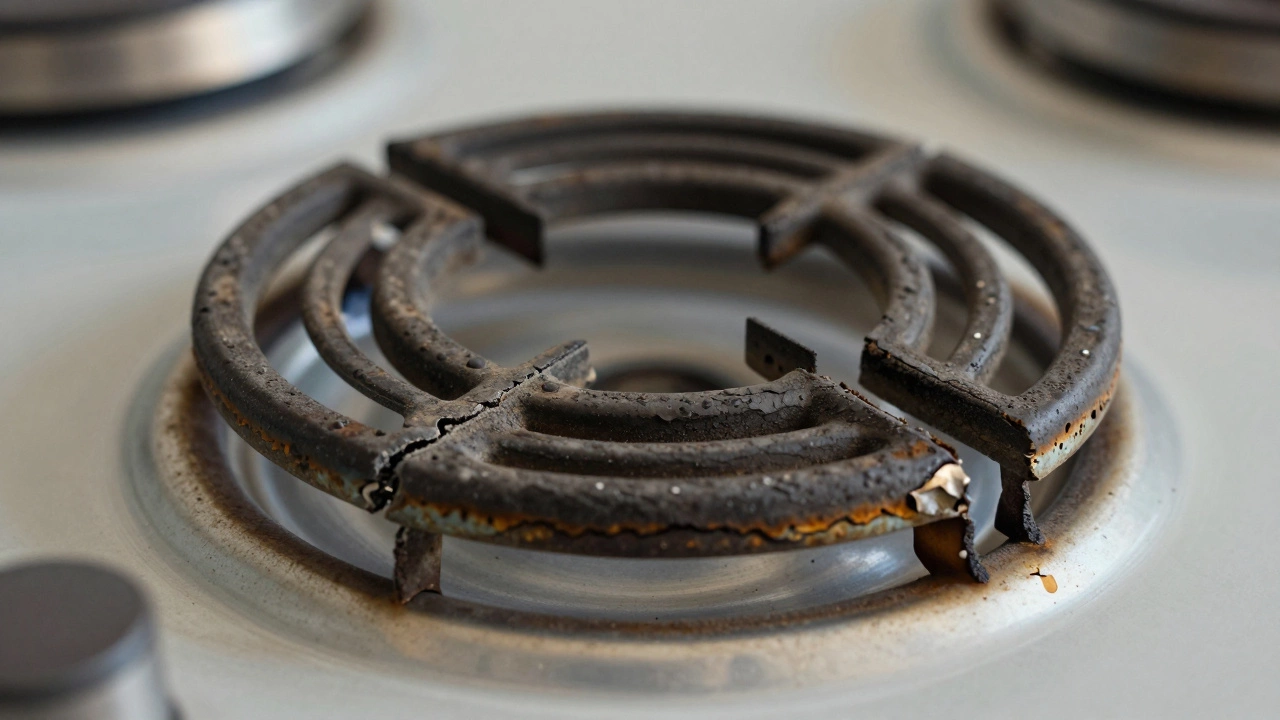
Start by turning off the stove and letting it cool completely. Then, pull out the element if it’s a coil type, or look closely at the surface if it’s a smooth-top range. Bad elements often show clear signs:
- Blistered, cracked, or bubbled surface
- Dark spots or burn marks that aren’t from spilled food
- Broken or sagging coils (especially at the ends where they connect)
- Wires that are melted, frayed, or detached
Even if the element looks okay from a distance, get up close. A small crack or thinning in the heating wire can stop it from working properly. If you see any of these, it’s likely time for a replacement.
Test with a multimeter
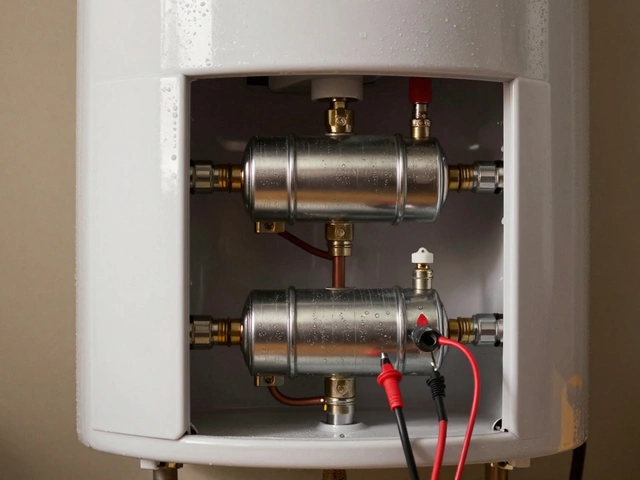
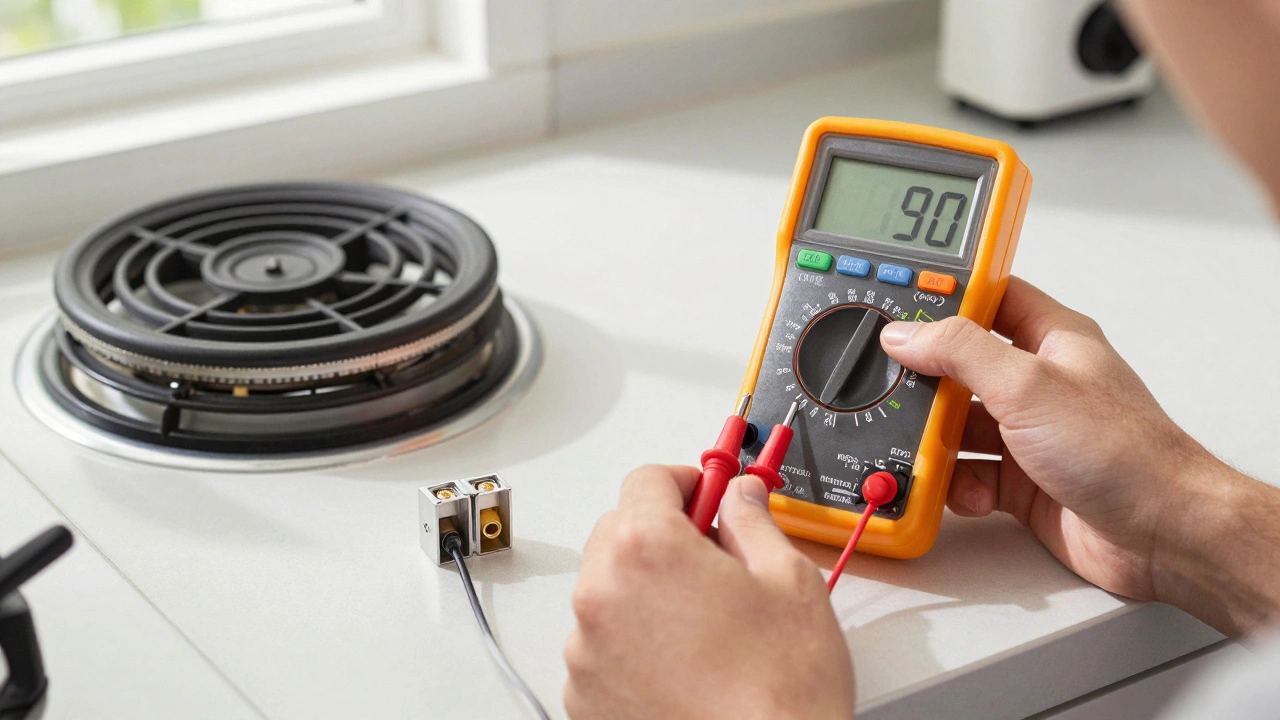
The most reliable way to confirm a bad element is with a multimeter. You don’t need an expensive one-any basic digital multimeter from a hardware store will do. Here’s how:
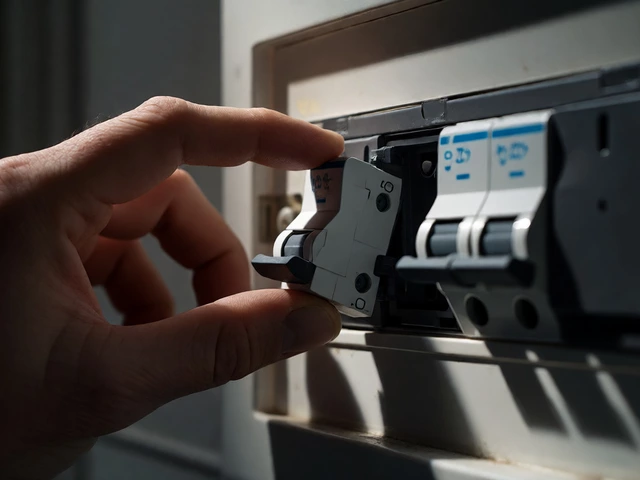
- Unplug the stove or turn off the circuit breaker for safety.
- Remove the element from its socket. For coil elements, lift it out gently. For smooth-top elements, you may need to remove the glass top-check your manual.
- Set your multimeter to ohms (Ω), usually the 200Ω or 2kΩ setting.
- Touch the two probes to the metal terminals on the element’s end. It doesn’t matter which probe goes where.
If the meter shows a reading between 20 and 120 ohms, the element is fine. That’s normal resistance for a working heating element. If it shows OL (open loop) or no reading at all, the element is broken. Some elements might read 0 ohms-that’s also bad. A dead short means the internal wire has fused together, which can trip your breaker.
Test both the bake and broil elements if you’re unsure. Sometimes only one fails, and the other still works, so you might think the stove is fine.
Check for uneven heating
One of the sneakiest signs of a failing element is uneven heat. For example:
- Your toast burns on one side but stays cold on the other
- One burner heats slowly while others boil water in minutes
- The oven takes twice as long to preheat as it used to
This doesn’t always mean the element is dead-it could be weakening. Over time, the internal resistance wire wears down, reducing its efficiency. It might still glow, but not enough to deliver proper heat. If you notice this pattern over several uses, don’t wait until it stops completely. Replacing it now saves energy and time.
Listen and watch for odd behavior
A working element usually clicks on and off as the thermostat cycles. But if you hear:
- A loud buzzing or humming noise
- A sizzling sound when the element should be off
- No clicking at all when you turn on the burner
That’s a red flag. Sometimes, a failing element can arc internally, causing strange sounds. If the stove’s control panel shows the element is on but you don’t see any glow, or the light stays on without heat, the element is likely toast.
Rule out other problems
Before you buy a new element, make sure it’s not something else. A bad element is common, but not the only cause:
- Thermostat failure: If the whole oven runs too hot or too cold, the thermostat might be faulty. Test it with a multimeter too.
- Broken infinite switch: This controls the power to each burner. If one burner won’t turn on but others do, the switch might be the issue.
- Wiring or socket damage: Look at the socket where the element plugs in. Are the contacts blackened or melted? That can stop power from reaching the element even if it’s good.
- Circuit breaker tripping: If the breaker trips every time you turn on that burner, it’s often a short in the element or wiring.
Replacing the element is cheap and easy. Replacing a thermostat or switch costs more and needs more skill. Start with the element-it’s the most likely culprit.
How long do electric stove elements last?
Most elements last between 5 and 10 years, depending on usage. If you cook daily, especially at high heat, they wear out faster. In places like Wellington, where people use stoves for slow-cooked meals, elements can last longer. But if your stove is older than 8 years and you’re having issues, replacement is often smarter than repair.
Replacement elements are usually under $30 and fit most common brands: GE, Whirlpool, Frigidaire, Kenmore, and others. Always match the model number from your stove’s manual or the old element’s label. Don’t guess-it won’t fit right.
What to do when you find a bad element
Once you’ve confirmed the element is bad:
- Turn off power at the breaker.
- Remove the old element by unplugging it or unscrewing the mounting brackets.
- Take it to a local appliance parts store or order online using the model number.
- Install the new one the same way the old one came out-don’t force it.
- Turn the power back on and test.
You’ll likely have heat restored in under 30 minutes. No need to call a technician unless you’re uncomfortable handling electrical parts.
Preventing future issues
Keep your elements clean. Spilled food, grease, and sugar can build up and cause hot spots that shorten the element’s life. Wipe them down after each use with a damp cloth. Don’t use abrasive scrubbers or oven cleaners on coil elements-they can damage the surface.
Also, avoid setting burners to high for long periods. If you’re simmering, use medium or low. High heat for hours puts extra stress on the element.
And if you notice your stove taking longer to heat up, don’t ignore it. A failing element doesn’t suddenly die-it fades. Catching it early saves money and keeps your kitchen running smoothly.