You turn on the shower, wait for the water to warm up, and… it’s cold. You walk over to the water heater, press the reset button, and suddenly-hot water flows again. But why does this keep happening? It’s not normal. If you’re resetting your water heater every few days-or worse, every day-you’re not just being diligent. You’re treating a symptom, not fixing the problem.
What the reset button actually does
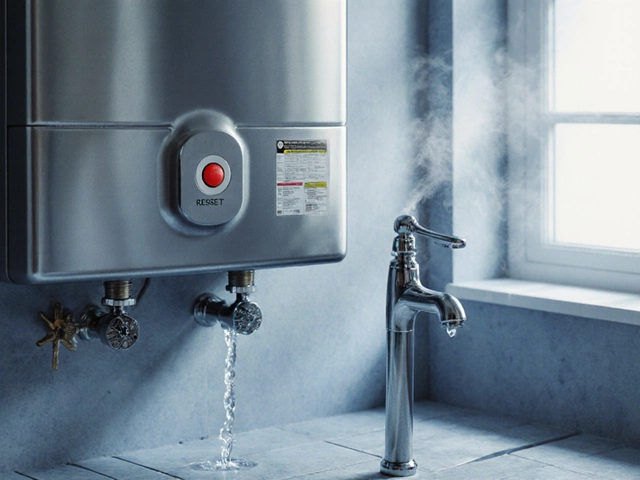
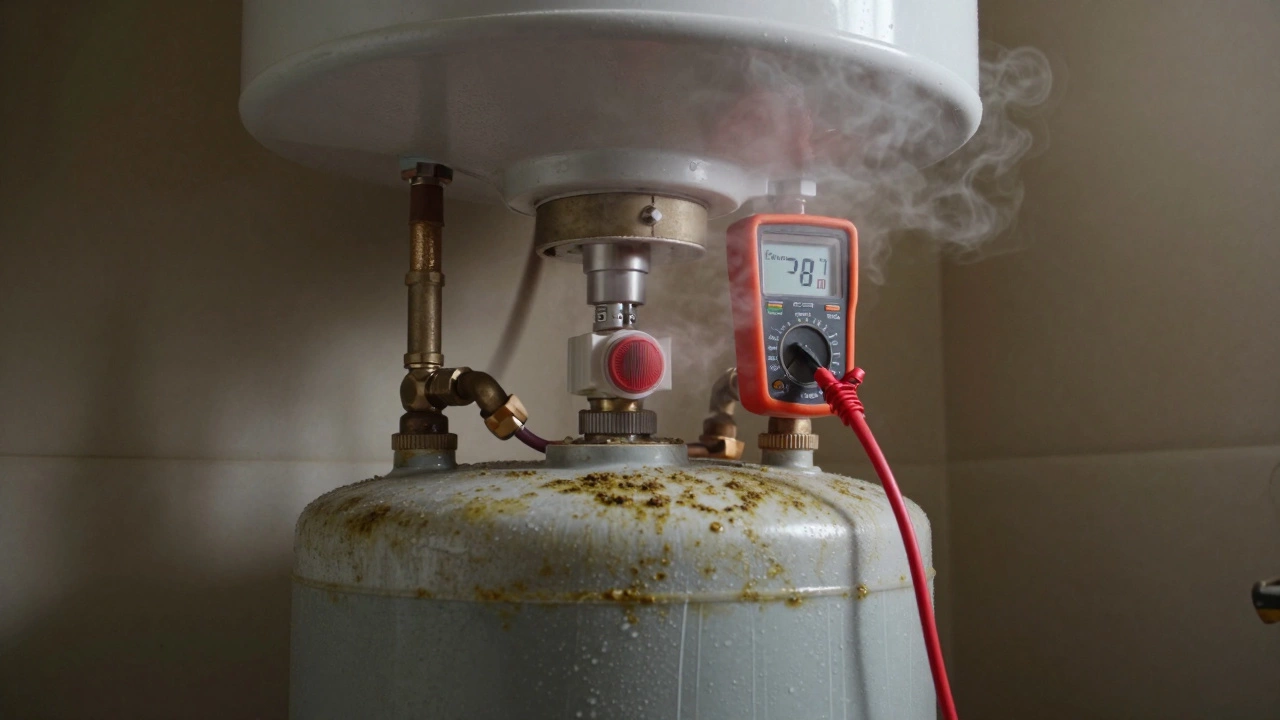
The reset button on your water heater isn’t a power switch. It’s a safety feature. On electric models, it’s usually a red button near the top of the tank, often labeled "Eco-Safe" or "High-Limit Reset." On gas units, it might be part of the thermostat or near the gas valve. Pressing it restores power after the system shuts down due to overheating or a faulty component. It doesn’t fix anything. It just lets you temporarily ignore the problem.
Think of it like hitting the "reset" button on a smoke alarm after it goes off because you burned toast. The alarm isn’t broken-it’s doing its job. Your water heater is doing the same thing: protecting you from danger. So why does it keep tripping?
Most common causes of repeated resets
There are five real reasons your water heater keeps shutting down. Most are fixable without replacing the whole unit.
- Bad thermostat - If the upper thermostat is failing, it might send too much power to the heating element, overheating the water and triggering the high-limit switch. This is the #1 cause in electric water heaters.
- Faulty heating element - A shorted or grounded element can pull too much current, causing the tank to overheat. Even if one element is dead, the other might still run and overheat the water.
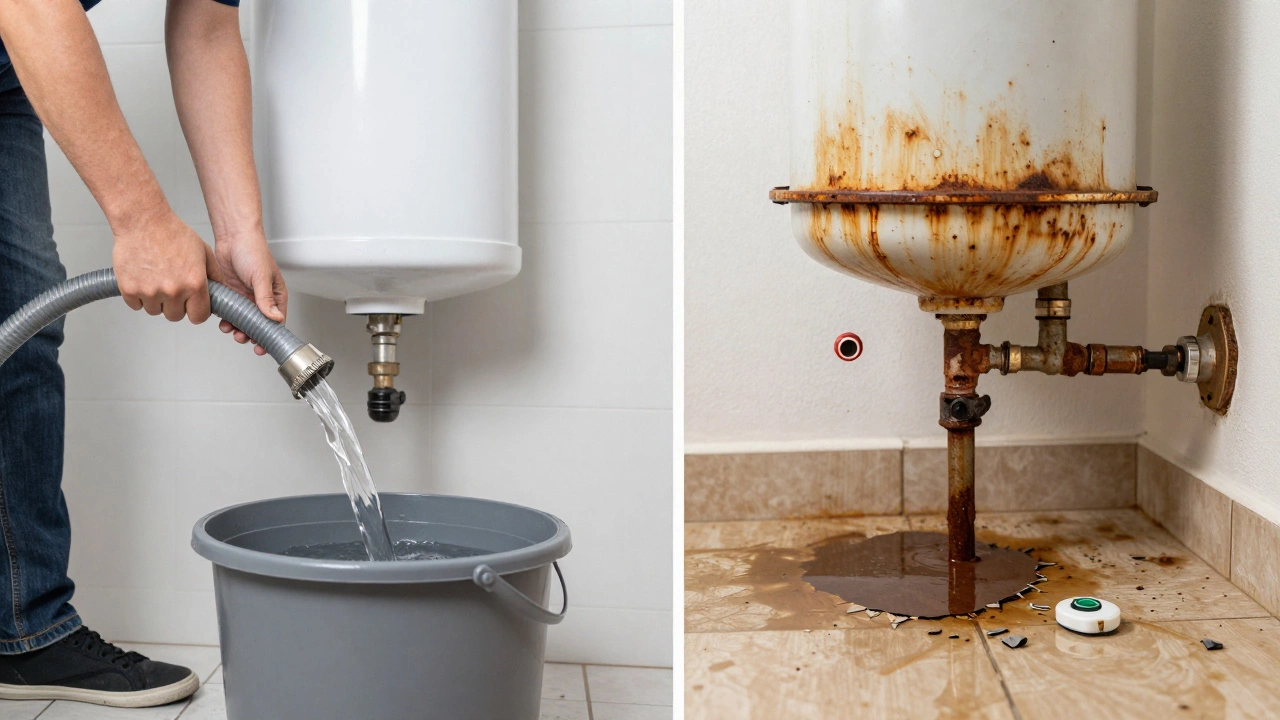
- Mineral buildup - In hard water areas like Wellington, sediment builds up on the bottom of the tank. This insulation traps heat, making the water way hotter than the thermostat thinks. The tank overheats, and the reset button pops.
- Thermostat set too high - If the temperature dial is cranked above 60°C (140°F), the system runs hotter than it’s designed for. That’s enough to trigger the safety cut-off.
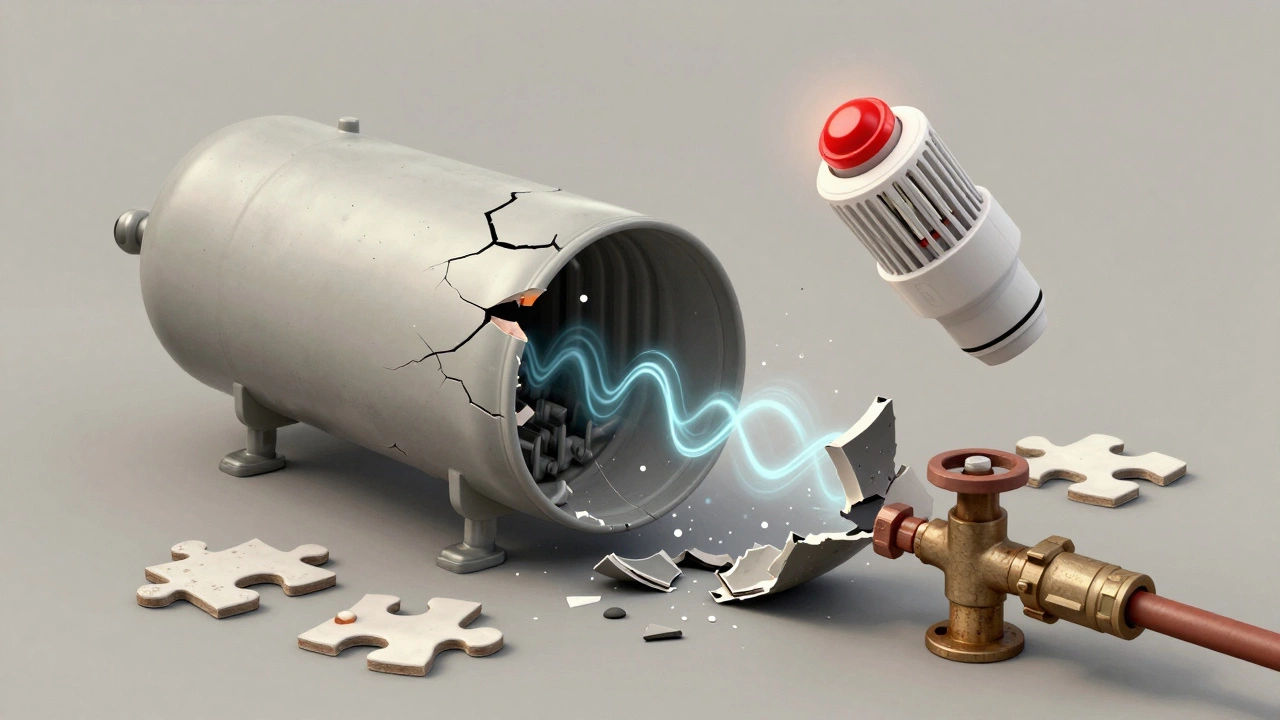
- Pressure relief valve failure - If the valve is stuck or clogged, pressure builds up inside the tank. High pressure can cause the thermostat to misread temperature, leading to false overheating signals.
How to diagnose the problem
You don’t need a plumber to start. Here’s what to check yourself:
- Check the temperature setting - Turn the dial to 50-55°C (122-131°F). Anything higher increases risk of scalding and overheating. If you’ve had it at 70°C for years, that’s your first clue.
- Drain a few litres - Attach a hose to the drain valve at the bottom of the tank and run water into a bucket. If it’s cloudy or gritty, you’ve got sediment. Drain 5-10 litres. Do this every 6-12 months, especially if you’re on well water or have hard water.
- Listen for noises - If you hear popping, rumbling, or banging when the heater runs, that’s sediment burning. It’s not just annoying-it’s dangerous.
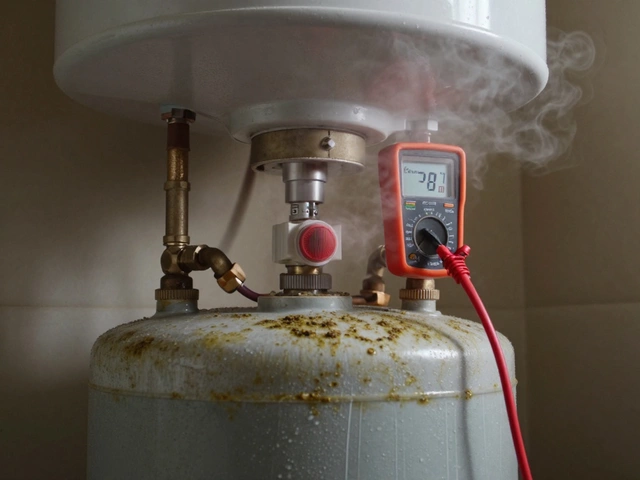
- Test the thermostat - Turn off the power. Remove the access panel. Use a multimeter to test continuity on the thermostat terminals. No reading? It’s dead. A working thermostat should show resistance between 100-300 ohms.
- Check the pilot light (gas units) - If your heater’s gas-powered and the pilot keeps going out, the thermocouple is likely worn out. It’s a simple $20 part you can replace in 20 minutes.
What happens if you ignore it
Resetting your water heater repeatedly might seem harmless. But each time the high-limit switch trips, it stresses the internal wiring, the thermostat, and the tank lining. Over time, this leads to:
- Cracked tank walls from repeated thermal expansion
- Corroded heating elements that leak current into the water
- Complete thermostat failure-leaving you with no hot water at all
- In rare cases, pressure buildup that could rupture the tank
Water heater bursts are rare, but they happen. And when they do, they flood your home. A $1,200 repair job turns into a $15,000 water damage claim. That’s not a risk worth taking.
When to call a professional
You can handle the easy fixes yourself: cleaning sediment, adjusting the thermostat, replacing a thermocouple. But if you’ve done all that and the reset button still pops, it’s time to call someone.
Signs you need a pro:
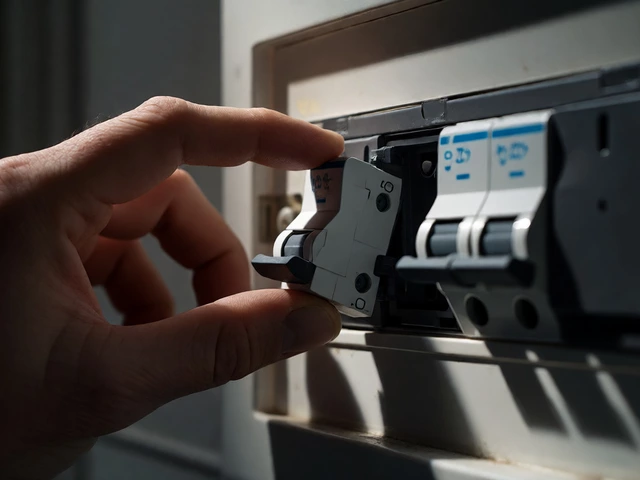
- The reset button trips immediately after you turn the power back on
- You smell gas (gas units) or burning plastic (electric units)
- Water is discolored or smells like rotten eggs (sulfur bacteria)
- The tank is over 10 years old
In Wellington, where homes often have older electric systems and hard water from the aquifer, water heaters typically last 8-12 years. If yours is near or past that age, replacement is smarter than repair.
Prevention: How to stop this from happening again
Once you fix the issue, make sure it doesn’t come back:
- Flush the tank twice a year - Even if you don’t have visible sediment, mineral buildup quietly forms. Do it in spring and fall.
- Install a water softener - If you’re on hard water, this cuts scale buildup by 80%. It extends your heater’s life and improves efficiency.
- Set thermostat to 55°C - It’s hot enough for showers and dishwashers, but not so hot it stresses the system.
- Check the pressure relief valve annually - Lift the lever briefly. Water should gush out. If it doesn’t, replace it.
- Replace an old heater before it fails - If your unit is over 8 years old, start budgeting for a new one. Modern heat pump water heaters use 60% less energy and last 15+ years.
Resetting your water heater isn’t a fix. It’s a warning. The system is telling you something’s wrong. Listen to it before it stops working entirely-or worse, starts leaking.