Water Heater Lifespan: How Long Do They Last and When to Replace
When it comes to home appliances, your water heater, a device that heats and stores water for household use. Also known as a hot water tank, it’s one of the least noticed but most essential systems in your home. Most units last between 8 and 12 years, but that’s only if you treat them right. Skip maintenance, and you could be dealing with a leaky tank by year six. The real question isn’t just how long it lasts—it’s whether you’re doing anything to make it last longer.
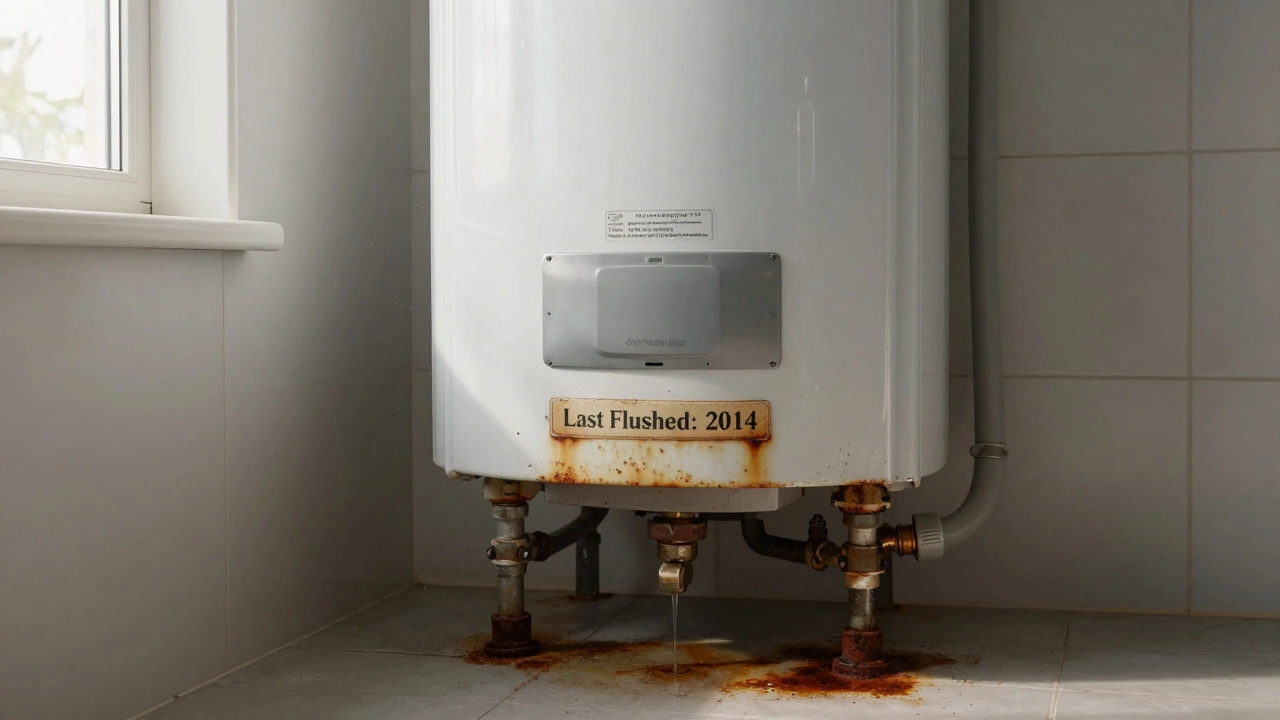
The biggest killer of water heaters is sediment buildup, mineral deposits that sink to the bottom and cause overheating and corrosion. Over time, this layer acts like insulation, forcing the heating element to work harder. That means higher bills and a shorter life. Flushing your tank once a year removes this gunk and can add years to your heater’s life. It’s not complicated—you don’t need a pro, just a hose and 30 minutes. And if you hear popping or rumbling sounds? That’s sediment screaming for help.
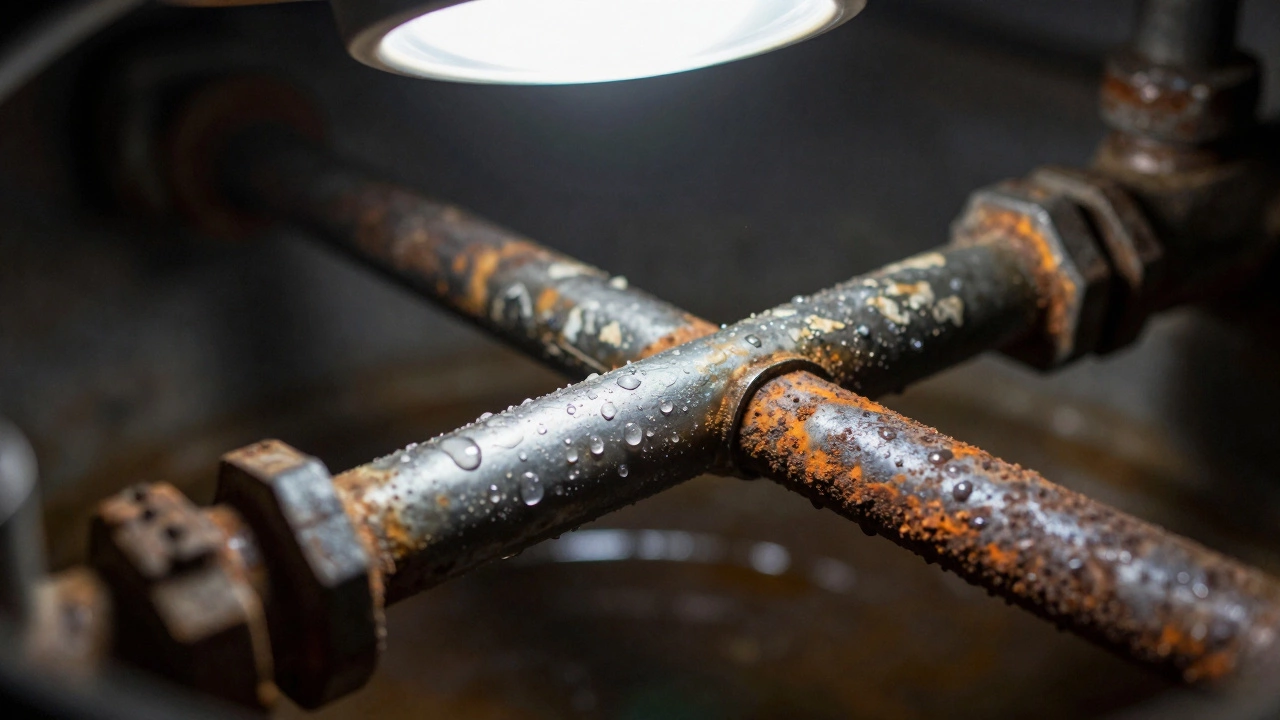
Then there’s the anode rod, a sacrificial metal stick inside the tank that attracts rust away from the steel lining. Most people never check it. By year five, it’s often completely gone. Replace it early, and your tank stays protected. Skip it, and the tank itself starts corroding from the inside out. This one part can double your heater’s lifespan if you keep an eye on it.
Electric and gas models have different failure points, but both suffer the same fate without care. Electric heaters often die from burned-out elements. Gas units fail because of faulty thermostats or pilot light issues. But none of these are sudden. There are warning signs: inconsistent hot water, rust-colored water, leaks around the base, or longer wait times for heat. These aren’t just inconveniences—they’re red flags that your heater is running on borrowed time.
Replacing a water heater isn’t cheap, but fixing one that’s already failing is often a waste of money. If your unit is over 10 years old and you’re spending more than $300 on repairs, it’s time to think about replacement. New models are more efficient, quieter, and come with better warranties. You’ll save on energy bills, too.
Below, you’ll find real guides on how to flush your heater, spot when it needs a reset, diagnose common problems, and decide if repair still makes sense. No fluff. Just what actually works to keep your hot water flowing—and when it’s time to let go.
19 January 2026
·
0 Comments
Most water heaters last 8-12 years. Learn the signs your unit is failing, how to extend its life with simple maintenance, and when to replace it with a more efficient model.
Read more
4 December 2025
·
0 Comments
Replace your water heater's anode rod every 1-3 years to prevent tank corrosion, rust, and leaks. This simple maintenance step can extend your heater’s life by a decade and save you thousands.
Read more