Your water heater is one of the most reliable appliances in your home. It sits quietly in the corner, delivering hot water on demand until it doesn’t. When it starts acting up, you might ignore small quirks, hoping they’ll go away. But ignoring early warning signs can lead to catastrophic failure, flooding your basement or leaving you without hot water for days.
Knowing what to look for can save you thousands in repair costs and prevent major damage. Here are the critical water heater red flags that signal it’s time to call a professional before things get worse.
1. Water Pooling Around the Base
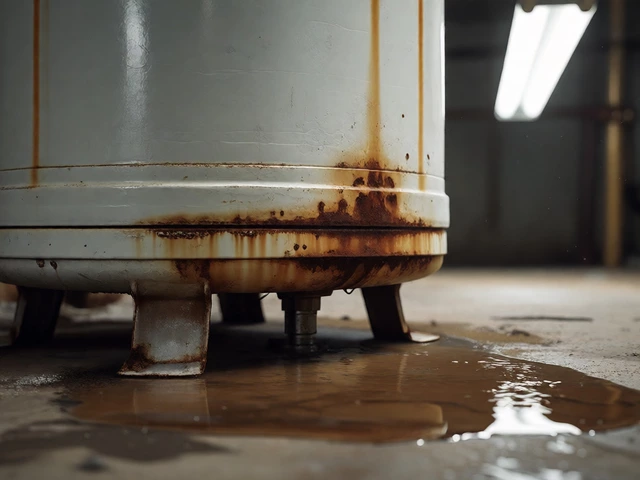
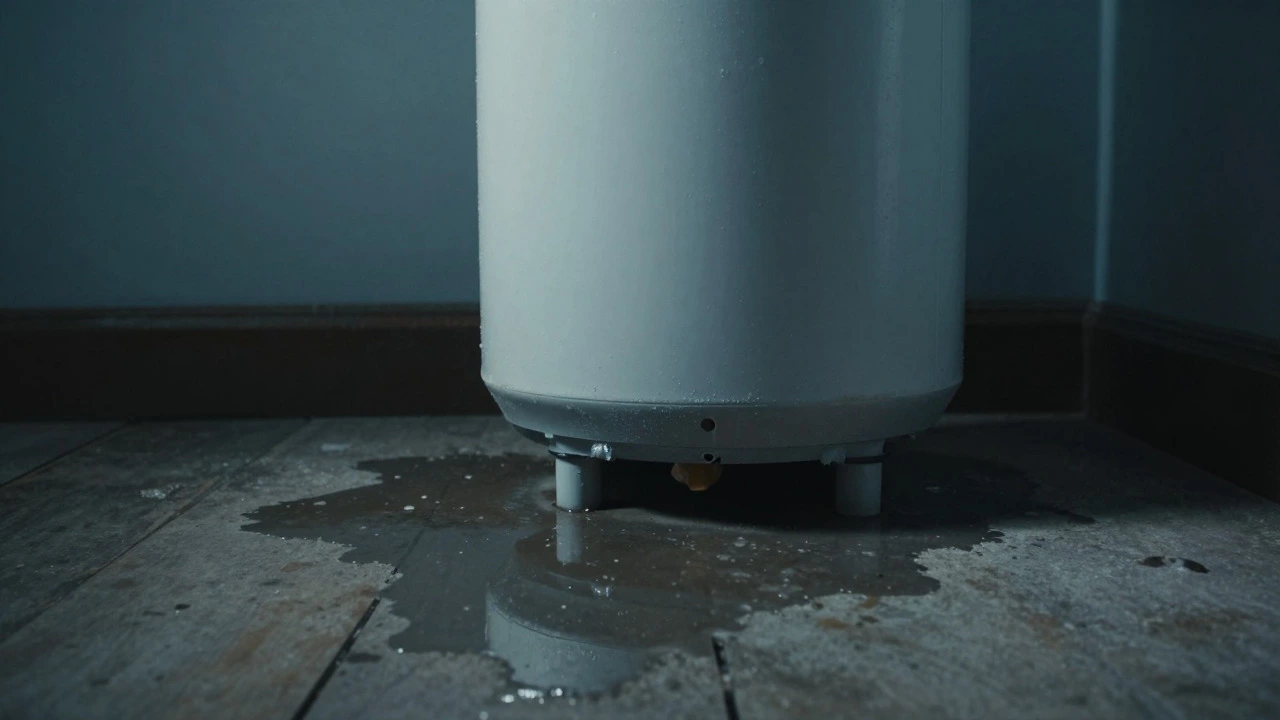
If you see a puddle forming around the base of your tank, stop using the unit immediately. This is arguably the most dangerous sign because it indicates a leak. While a small drip from a loose pipe connection might be fixable with a wrench, water coming directly from the tank itself usually means internal corrosion has created a hole.
In New Zealand, where we often install tanks in garages or underfloor spaces, leaks can go unnoticed for weeks. By the time you smell mildew or see structural damage, the tank may have already burst. Check the temperature and pressure (T&P) relief valve first. If the leak is coming from there, the valve might just need replacing. If the water is seeping from the bottom seams or welds of the tank, replacement is likely your only option.
2. Discolored or Rusty Water
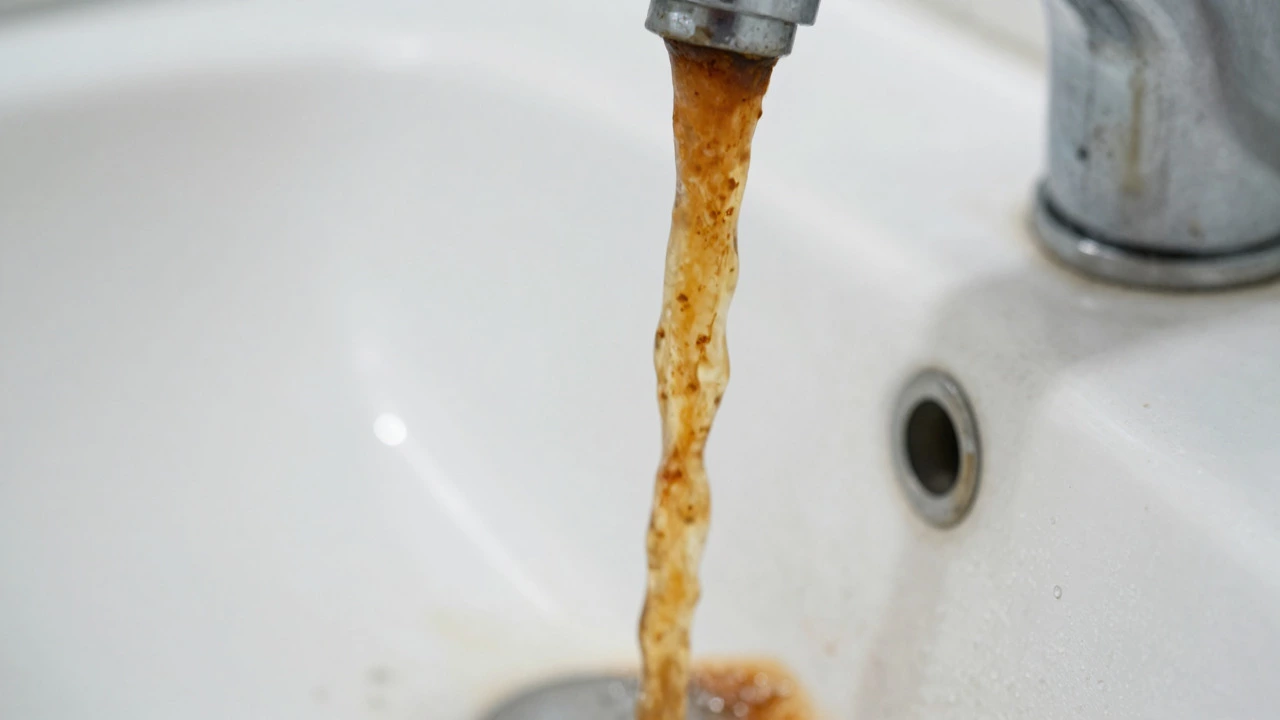
Turn on your hot water tap. Is the water clear? Or does it look brown, yellow, or reddish? If you’re getting rusty water only from the hot side, your tank’s interior is corroding. Inside every traditional water heater is an anode rod-a sacrificial piece of metal designed to rust so your tank doesn’t. Once that rod is fully consumed, the steel tank begins to degrade.
This isn’t just an aesthetic issue. Rust particles clog showerheads, stain laundry, and damage pipes. If you notice this discoloration, your anode rod needs inspection. In many cases, replacing the rod can extend the life of the unit by several years. However, if the water smells metallic or sulfurous (like rotten eggs), you might also have a bacterial issue or severe sediment breakdown, which requires more intensive cleaning or replacement.
3. Strange Noises: Popping, Cracking, or Rumbling
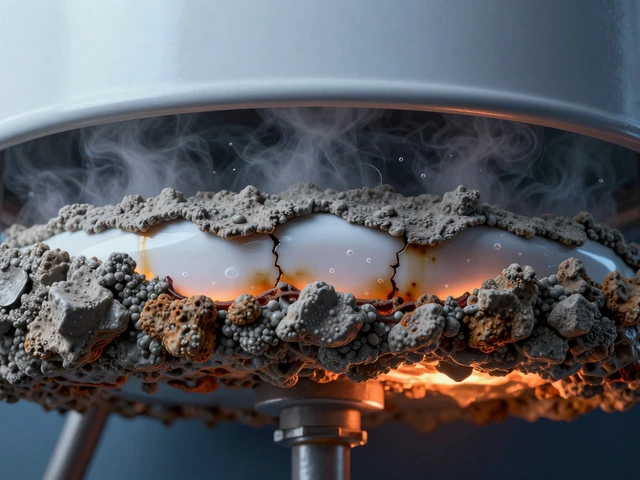
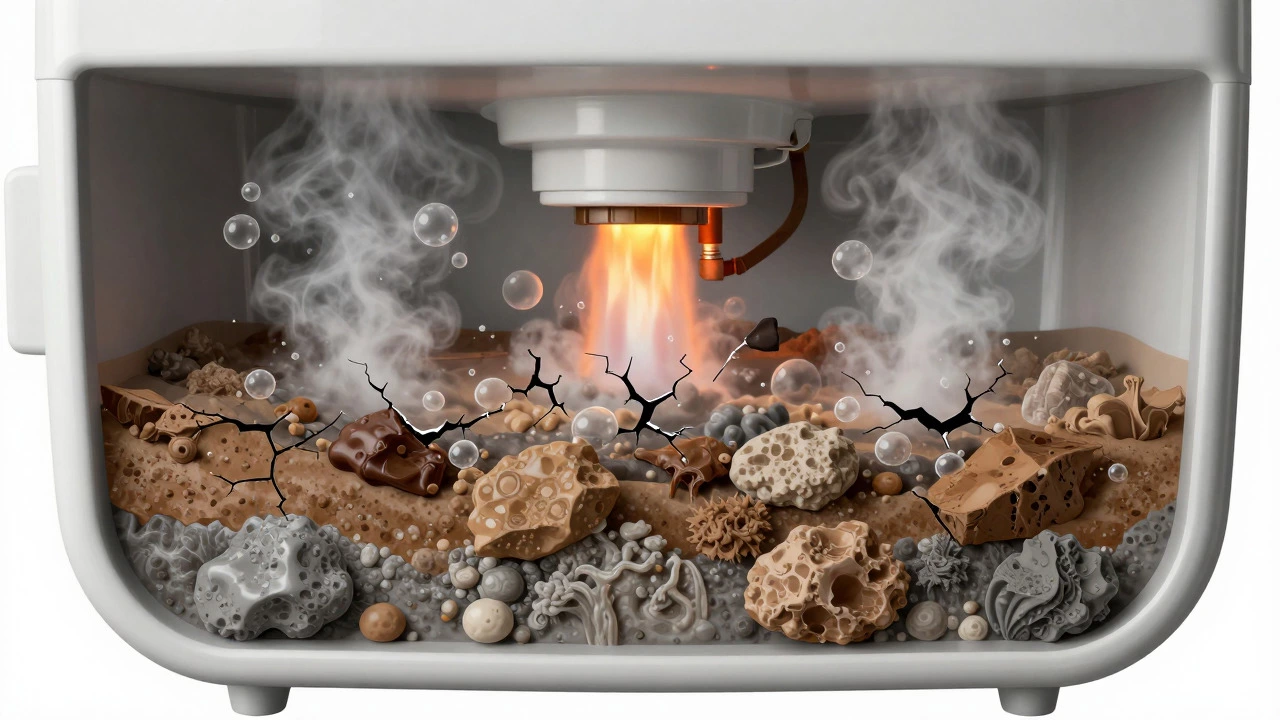
A healthy water heater should be silent. If yours sounds like a popcorn machine or a distant rumble, you have a sediment problem. Over time, minerals in your water-especially calcium and magnesium common in hard water areas-settle at the bottom of the tank. These minerals form a layer of rock-hard scale between the burner and the water.
When the burner heats up, the water trapped beneath this sediment layer boils and creates steam bubbles. These bubbles escape through the crust with a loud pop or crack. This process, known as thermal shock, stresses the glass lining of the tank and reduces heating efficiency. Your energy bills will creep up as the system works harder to heat water through the insulating layer of gunk. Flushing the tank annually can remove this sediment, but if the noise persists after flushing, the damage may already be done.
4. Inconsistent Water Temperature
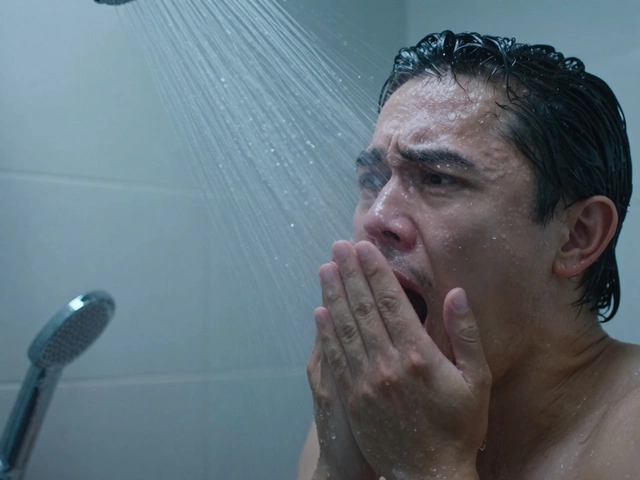
Ever step into a shower that starts scalding hot and turns ice cold within seconds? That’s not just annoying; it’s a diagnostic clue. Fluctuating temperatures often point to a failing thermostat or a broken heating element in electric units. In gas models, it could indicate a dirty thermocouple or a partially blocked gas line.
Another possibility is sediment buildup insulating the lower heating element. The sensor thinks the water is cooler than it actually is, so it keeps firing the burner, leading to overheating followed by a sudden drop when the cycle resets. If you’re adjusting the dial constantly to get lukewarm water, the internal components are likely degrading. Consistent performance is key to safety and comfort, so erratic temps warrant a professional check-up.
5. The Pilot Light Keeps Going Out
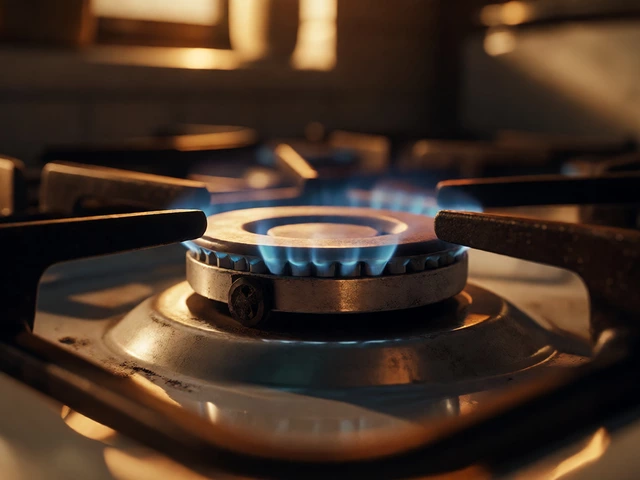
For gas water heaters, the pilot light is essential. It ignites the main burner when you turn on the hot water. If the pilot light frequently extinguishes, you’re left with cold water and a potential safety hazard. A faulty thermocouple is the usual culprit. This small device senses whether the pilot is lit; if it doesn’t detect heat, it shuts off the gas supply to prevent leaks.
However, a recurring pilot issue can also signal a draft problem or a cracked heat exchanger. If you smell gas when trying to relight it, evacuate the house and call emergency services. Never ignore the smell of gas. Even if there’s no smell, frequent relighting strains the ignition system and wastes fuel. A stable blue flame is what you want; a flickering yellow or orange flame indicates incomplete combustion, which produces carbon monoxide.
6. Age of the Unit
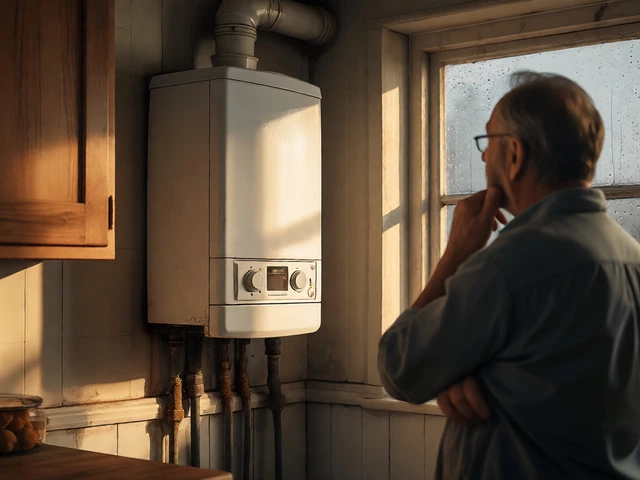
While not a visible "symptom," age is a massive red flag. Most conventional tank water heaters last between 8 and 12 years. Tankless models can stretch to 15-20 years. If your unit is older than 10 years and showing any of the above signs, don’t bet on a simple repair. The cost of repeated fixes often exceeds the price of a new, more efficient model.
In Wellington, where coastal air can accelerate corrosion, units near the coast may have shorter lifespans due to salt exposure. Check the manufacture date on the serial number tag. If it’s approaching its decade mark, start budgeting for replacement rather than patching up old parts.
Comparison: Repair vs. Replace Indicators
| Symptom | Likely Cause | Action | Cost Estimate (NZD) |
|---|---|---|---|
| Minor Leak (Valve/Pipe) | Loose fitting or worn washer | Repair | $150 - $300 |
| Rusty Water | Depleted Anode Rod | Repair (Replace Rod) | $200 - $400 |
| Popping Noises | Sediment Buildup | Maintenance (Flush) | $100 - $250 |
| Major Leak (Tank Seam) | Internal Corrosion | Replace Unit | $1,500 - $3,000+ |
| Age > 12 Years + Issues | General Wear & Tear | Replace Unit | $1,500 - $3,000+ |
7. Dampness or Condensation on the Tank
If the outside of the tank feels wet but there’s no active dripping, you might have condensation. This happens when the insulation is compromised or the ambient humidity is high. While less urgent than a leak, persistent dampness can lead to external rust, weakening the tank’s structural integrity over time. It can also indicate that the dip tube inside is broken, causing cold water to mix with hot water inefficiently, leading to strange temperature swings and increased energy use.
Preventative Maintenance Tips
You can delay many of these red flags with simple maintenance. Flush your tank once a year to remove sediment. Test the T&P relief valve by lifting the lever; water should flow freely into the drain pipe. If it doesn’t, replace the valve. Inspect the anode rod every three to five years. These steps take less than an hour and can add years to your unit’s life.
Living in New Zealand means dealing with varying water qualities. If you’re on a private bore or well, consider installing a water softener. Hard water is the enemy of water heaters, accelerating scale buildup and corrosion. For city water, regular flushing is usually sufficient.
When to Call a Professional
If you’re unsure about the source of a leak, never guess. Gas lines and electrical connections are dangerous to tamper with without proper training. If you smell gas, hear hissing, or see sparks, shut off the power/gas supply and leave the area. Contact a licensed plumber or HVAC technician. They have the tools to diagnose pressure issues, test for carbon monoxide, and safely handle hazardous components.
Don’t wait for the worst-case scenario. Early detection of these red flags ensures you stay in control of the situation, keeping your home safe and your wallet intact.
How do I know if my water heater is leaking internally?
An internal leak is often indicated by water pooling around the base of the unit that isn't coming from visible pipes or valves. If you see moisture on the tank's exterior seams or welds, or if the floor beneath the heater is consistently damp despite dry conditions elsewhere, the tank itself is likely corroded. Another sign is a decrease in water pressure throughout the house when the hot water is running, suggesting water is escaping into the tank's void rather than your pipes.
Is it worth repairing a 15-year-old water heater?
Generally, no. The average lifespan of a tank water heater is 8-12 years. At 15 years, the unit is well beyond its expected service life. While minor repairs like replacing a thermostat might work temporarily, the risk of catastrophic failure is high. Investing in a new, energy-efficient model will save money on utility bills and provide reliability that an aging unit cannot match.
Why does my water heater make popping noises?
Popping, cracking, or rumbling sounds are caused by sediment buildup at the bottom of the tank. Minerals in the water settle and harden, creating a layer between the burner and the water. As the water underneath this layer heats up, it turns to steam and escapes through the sediment with a loud pop. Flushing the tank can resolve this, but persistent noise may indicate significant scale accumulation that reduces efficiency and damages the tank lining.
What causes rusty water from the hot tap only?
Rusty water exclusively from the hot side indicates corrosion inside the water heater tank. This usually happens when the sacrificial anode rod is depleted. The anode rod is designed to corrode instead of the steel tank. Once it's gone, the tank itself begins to rust. Replacing the anode rod can stop further corrosion, but if the tank walls are already compromised, replacement may be necessary.
How often should I flush my water heater?
You should flush your water heater at least once a year. In areas with hard water, such as many parts of New Zealand, flushing twice a year is recommended. Regular flushing removes sediment buildup, improves energy efficiency, prevents overheating, and extends the lifespan of the unit. It’s a simple maintenance task that can prevent costly repairs down the line.