Electric Hob Reset Assistant
Complete each step in order. The built-in timer will help you wait the correct amount of time.
Turn Off All Zones
Ensure all heating zones are switched off and the unit is in standby mode.
Locate Circuit Breaker
Find the switch labeled "Kitchen," "Hob," or "Cooker" in your electrical panel.
Switch Off Breaker
Flip the switch to "Off" position. If plugged in, unplug the unit completely.
Wait for Discharge
Wait at least 60 seconds for capacitors to discharge fully.
Restore Power
Flip the breaker back on or plug the unit back into the outlet.
Test the Hob
Try turning on a heating zone. Watch for self-test sequence indicators.
Enter the error code displayed on your hob to get specific troubleshooting advice.
Common Error Codes Reference:
| Error Code | Likely Cause | Action Required |
|---|---|---|
| E01 / F01 | Control board communication error | Perform full power cycle. If persistent, PCB may need replacement. |
| E05 / F05 | Overheating protection triggered | Cool down for 30 minutes. Check ventilation slots. |
| E10 / F10 | Sensor fault (temperature or voltage) | Check connections. Professional inspection recommended. |
| H1 / H2 | Residual heat warning | Not an error. Surface still hot. Wait to cool. |
There is nothing quite as frustrating as standing in your kitchen, ready to boil water or sear a steak, only to find that your electric hob is completely unresponsive. You press the power button, but nothing happens. The display stays dark. It feels like your entire cooking plan has just hit a brick wall. Before you call a technician and pay for a service visit, there is a high chance the issue is simply a temporary electronic glitch or a tripped safety switch.
Resetting an electric hob is often the first and most effective troubleshooting step. It clears error codes, resets internal sensors, and restores power after minor electrical surges. In this guide, we will walk you through exactly how to reset different types of electric hobs, from modern induction models to older ceramic glass tops, ensuring you get back to cooking with minimal hassle.
Why Does Your Electric Hob Need a Reset?
Modern kitchen appliances are essentially computers wrapped in steel and glass. They rely on sensitive microprocessors to manage heat levels, detect pots, and monitor safety features. Sometimes, these systems get confused. A sudden power fluctuation, a spilled liquid causing a short circuit, or even a software bug can cause the control board to freeze or enter a protective shutdown mode.
When this happens, the hob might display an error code (like E01, F5, or H1), or it might simply refuse to turn on at all. A reset forces the system to reboot, clearing any temporary memory errors and re-initializing the sensors. Think of it like restarting your smartphone when an app freezes-it’s rarely a permanent hardware failure, just a need for a fresh start.
The Universal Power Cycle Method
For the vast majority of electric hobs, including both induction cooktops and ceramic glass hobs, the primary method of resetting is a hard power cycle. This isn't just about turning the knob off; it requires cutting the electricity supply entirely to drain residual power from the capacitors in the control board.
- Turn off the hob: Ensure all zones are switched off and the unit is in standby mode.
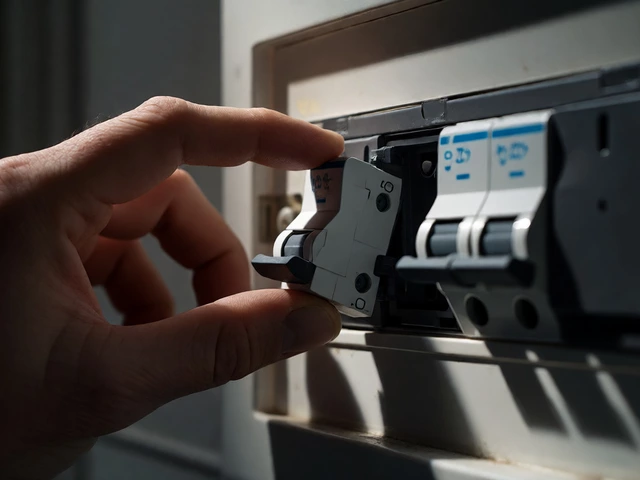
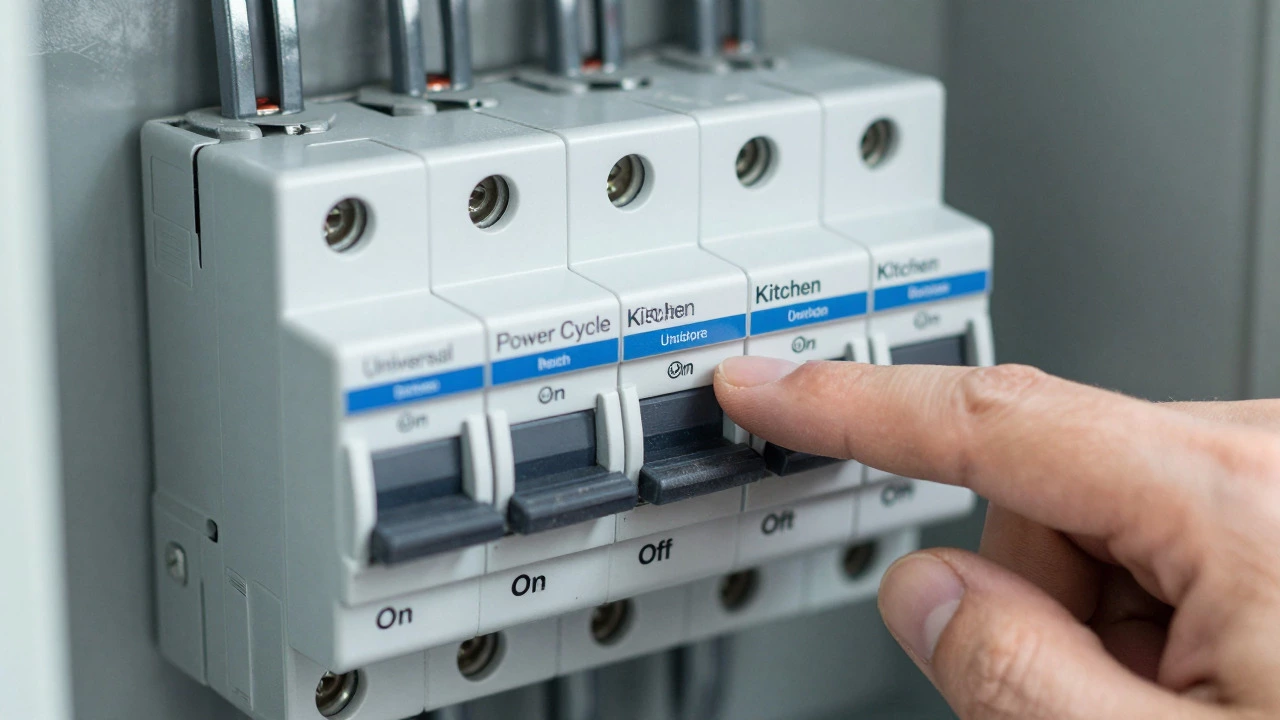
- Locate the circuit breaker: Go to your home’s main electrical panel. Look for the switch labeled "Kitchen," "Hob," "Cooker," or "Oven." If labels are missing, look for a double-pole breaker, as hobs usually require 30A or 40A circuits.
- Switch off the breaker: Flip the switch to the "Off" position. If your hob is plugged into a standard wall outlet (common for portable or low-power units), simply unplug it.
- Wait: This is the crucial step. Wait for at least 60 seconds. For stubborn issues, waiting up to five minutes ensures all residual charge dissipates from the internal components.
- Restore power: Flip the breaker back on or plug the unit in.
- Test the hob: Try to turn on a heating zone. Many models will perform a self-test sequence where all indicators light up briefly before returning to normal operation.
If the lights come on and the zones respond, you have successfully reset the device. If the problem persists, move on to the specific checks below.
Resetting Induction Hobs with Child Locks
One of the most common reasons an induction hob appears dead is that the child lock feature has been accidentally activated. This safety mechanism disables all touch controls to prevent children from turning on hot surfaces. On many brands, such as Bosch, Siemens, or Miele, a padlock icon will appear on the display, or the controls will be completely unresponsive to touch.
To release the child lock, you typically need to hold down a specific button or combination of buttons for three to five seconds. Common symbols include a padlock icon 🔒, two interlocking circles, or the letter "K". Consult your user manual if the symbol is unclear. Once released, you should hear a beep or see the padlock icon disappear, allowing you to use the hob normally.
Addressing Error Codes on Digital Displays
If your hob displays an error code instead of powering on, a simple power cycle might not clear it if the underlying issue remains. However, identifying the code can tell you what went wrong. Here are some common codes and their meanings:
| Error Code | Likely Cause | Action Required |
|---|---|---|
| E01 / F01 | Control board communication error | Perform a full power cycle. If it returns, the PCB may need replacement. |
| E05 / F05 | Overheating protection triggered | Allow the hob to cool down for 30 minutes. Ensure ventilation slots are not blocked. |
| E10 / F10 | Sensor fault (temperature or voltage) | Check for loose connections. A reset may temporarily clear it, but professional inspection is recommended. |
| H1 / H2 | Residual heat warning | This is not an error. The surface is still hot. Wait for it to cool. |
For overheating errors (E05/F05), ensure that the air vents around the edges of the hob are not covered by backsplashes or cabinets. Poor airflow causes the internal thermostat to trip, shutting down the unit to prevent fire hazards. Cleaning these vents and performing a power cycle usually resolves this.
Checking the Residual Current Device (RCD)
In New Zealand and many other regions, kitchen circuits are protected by an RCD (Residual Current Device) or GFCI (Ground Fault Circuit Interrupter). If moisture gets into the socket or under the hob, the RCD will trip to prevent electric shock. This cuts power instantly, making the hob appear broken.
Check your electrical panel for a switch with a small test button (usually labeled "T") and a reset button (labeled "R"). If the switch is in the middle or off position, push the reset button firmly. If it trips again immediately, do not force it. This indicates a live wire touching metal or significant moisture ingress, which requires a qualified electrician.
When to Call a Professional Technician
While resetting solves about 70% of "dead" hob issues, some problems indicate hardware failure. You should contact a repair technician if:
- The error code returns immediately after a power cycle.
- You smell burning plastic or see smoke coming from the unit.
- Only one specific zone fails while others work, suggesting a faulty heating element or coil.
- The glass surface is cracked, which can lead to water damage and electrical shorts.
- The tripping breaker cannot be reset without popping back off instantly.
Attempting to open the control panel yourself can void warranties and pose serious electrical risks. Electric hobs operate at high voltages, and capacitors can hold a charge even when unplugged. Leave internal repairs to certified professionals.
Maintenance Tips to Prevent Future Glitches
Keeping your electric hob clean and dry is the best way to avoid unnecessary resets. Spilled sugary liquids can caramelize on touch controls, causing them to stick or register false inputs. Wipe the surface with a damp cloth and a mild detergent after each use. Avoid abrasive scouring pads that can scratch the glass and compromise its integrity over time.
Also, ensure your cookware is compatible. For induction hobs, using non-magnetic pans can cause the system to struggle, leading to overheating errors. Using flat-bottomed pots ensures good contact and efficient energy transfer, reducing strain on the electronics.
How long should I wait after turning off the power to reset an electric hob?
You should wait at least 60 seconds. This allows the capacitors in the control board to discharge fully. For persistent issues, waiting up to five minutes can help ensure a complete system reboot.
What does it mean if my electric hob beeps but doesn't turn on?
Beeping without power often indicates a child lock is active, an incompatible pot is detected (on induction models), or an error code is being signaled. Check the display for icons or codes and consult your manual for specific beep patterns.
Can I reset an electric hob if the glass is cracked?
You can try a power cycle, but a cracked glass surface is a safety hazard. Moisture can seep in and cause electrical shorts or shocks. It is strongly recommended to replace the glass top or the entire unit rather than relying on a reset.
Why does my hob keep tripping the circuit breaker?
Repeated tripping suggests a short circuit, overloaded circuit, or faulty wiring. Do not keep resetting the breaker. Turn it off and call an electrician to inspect the hob's internal connections and the home's wiring.
Is it safe to use an extension cord with an electric hob?
Generally, no. Most built-in electric hobs require a dedicated hardwired connection due to high power draw. Portable hobs may use plugs, but they should be plugged directly into a wall outlet rated for the appliance's amperage. Extension cords can overheat and cause fires.