Heat Pump Troubleshooting Wizard
Follow the steps below to diagnose your issue. Be honest with your answers for accurate results.
Analysis Complete
Your house feels like a walk-in freezer, and the heat pump is humming away but only pushing out cold drafts. It’s a frustrating situation, especially when you’ve just paid your energy bill expecting comfort. Before you call for expensive heat pump repair, there are several simple checks you can perform yourself. Most often, the issue isn’t a broken compressor or a refrigerant leak, but rather a setting error, a dirty filter, or a stuck component that you can fix in under ten minutes.
We will walk through the most common reasons your system fails to produce heat, starting with the easiest fixes and moving toward technical issues that require a professional. By understanding how your system works, you can save money on service calls and get your home warm again faster.
Check Your Thermostat Settings First
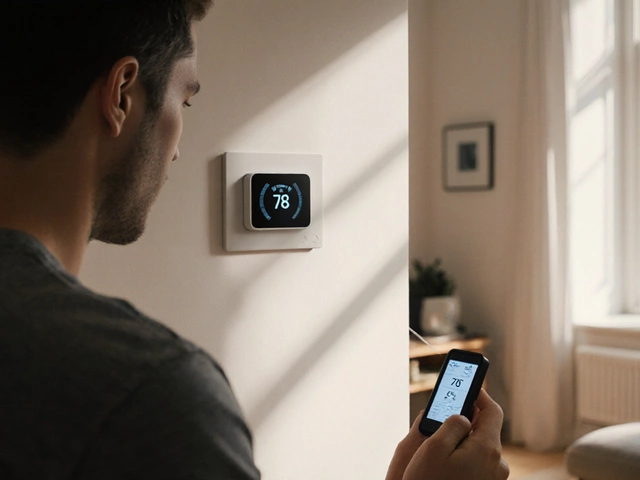
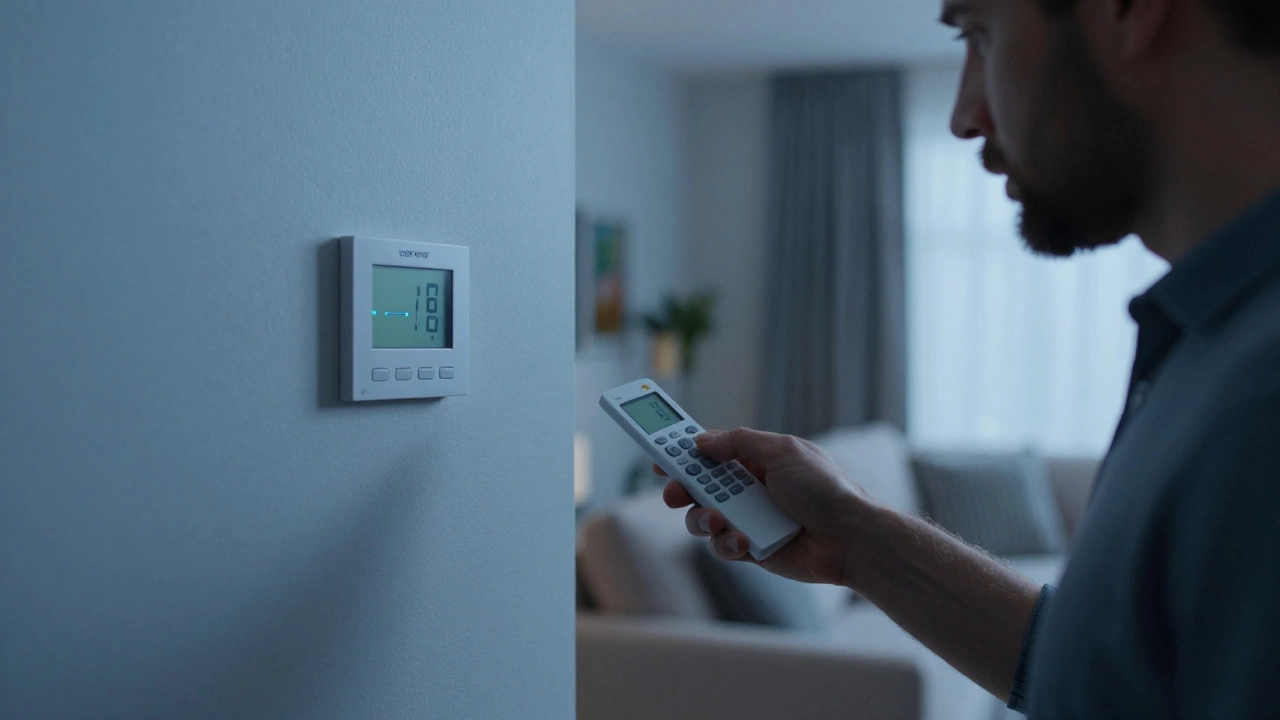
It sounds obvious, but the number one reason heat pumps blow cold air is simply user error. If your thermostat is set to "Cool" instead of "Heat," the unit will run exactly as programmed-cooling your home even if it’s freezing outside. Check the display on your wall unit or remote control. Ensure the mode is switched to heating.
If the mode is correct, look at the temperature setting. Is it set higher than the current room temperature? If the room is 18°C (64°F) and your thermostat is set to 19°C (66°F), the system should engage. If it’s set lower, the system thinks the job is done and stays off, or worse, cycles incorrectly.
Also, check if you have a programmable or smart thermostat. Sometimes, these devices enter an "Eco" mode or a schedule override that drops the temperature significantly during the day. You might be fighting against an algorithm rather than a mechanical failure. Resetting the thermostat or holding down the reset button for five seconds can clear any temporary glitches in the logic board.
The Dirty Air Filter Problem
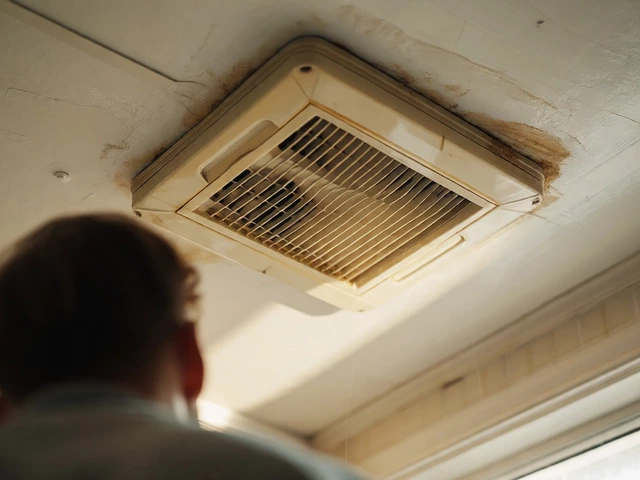
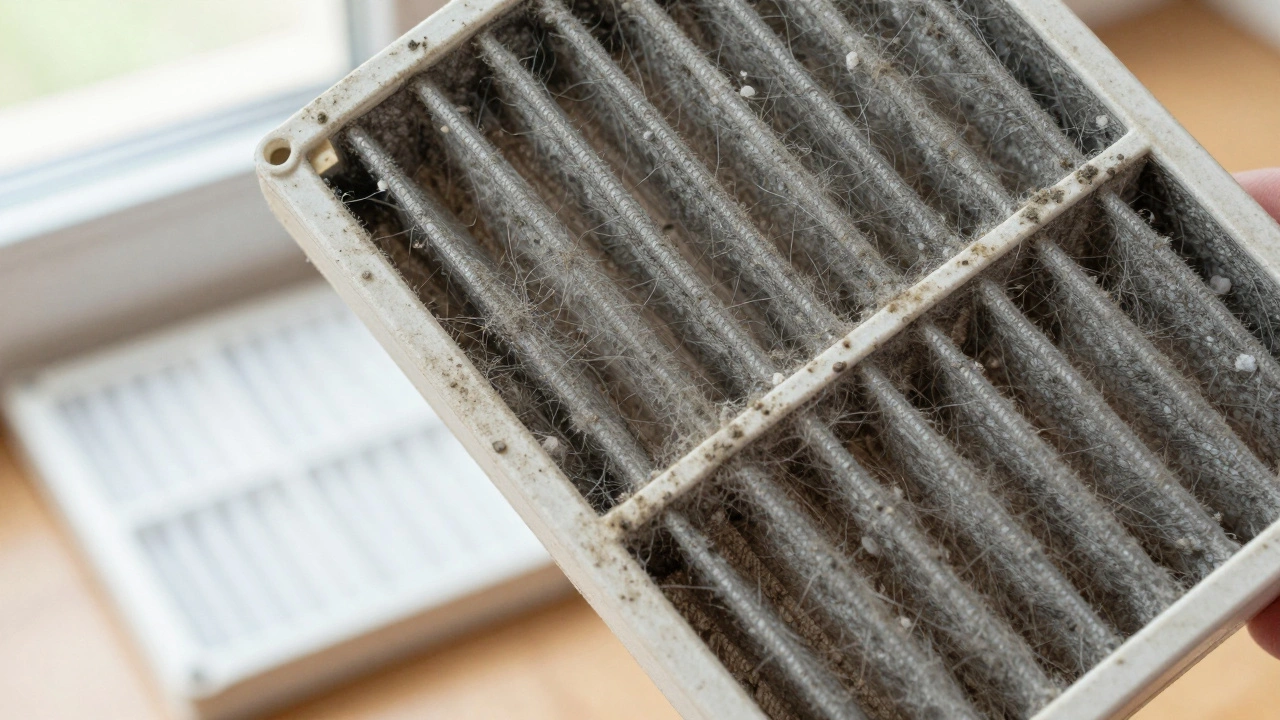
A clogged air filter is the silent killer of HVAC efficiency. When the filter is packed with dust, pet hair, and lint, air cannot flow freely through the system. This restriction causes two major problems: the indoor coil can freeze over, and the system struggles to distribute whatever heat it does generate.
Here is how to check it:
- Locate the return air vent or the access panel on the indoor unit.
- Slide out the filter frame.
- Hold it up to the light. If you can’t see daylight through the mesh, it needs replacing.
If the filter is dirty, replace it immediately. A clean filter restores airflow, allowing the heat exchanger to work properly. In many cases, this simple swap resolves the "cold air" issue within 30 minutes as the system thaws out and resumes normal operation. Make it a habit to check filters every month during winter to avoid this shock.
Understanding Defrost Mode
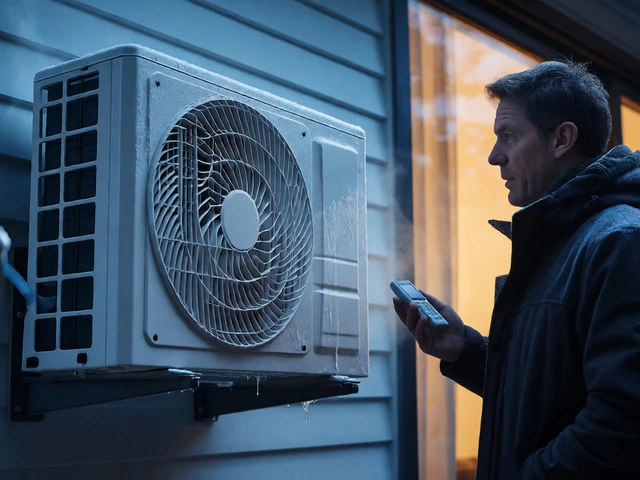
Heat pumps work by extracting heat from the outside air, even when it’s cold. However, when outdoor temperatures drop near freezing (around 4°C or 40°F) and humidity is high, frost builds up on the outdoor condenser coils. To handle this, the system enters "Defrost Mode."
During defrost, the heat pump temporarily reverses its cycle to melt the ice. For about 5 to 10 minutes, the indoor unit may blow cold air while the outdoor unit heats up. This is normal behavior. Many homeowners panic and turn off the system, thinking it has broken. Give it time. If the cold air blows for more than 15 minutes continuously, then there is likely a problem with the defrost sensor or the control board.
If you hear a clicking sound from the outdoor unit followed by cold air inside, it’s probably just doing its job. Wait it out. If the cycle repeats every few minutes without ever producing heat, the system is stuck in a defrost loop, which requires a technician to inspect the thermistor or control board.
The Reversing Valve Issue
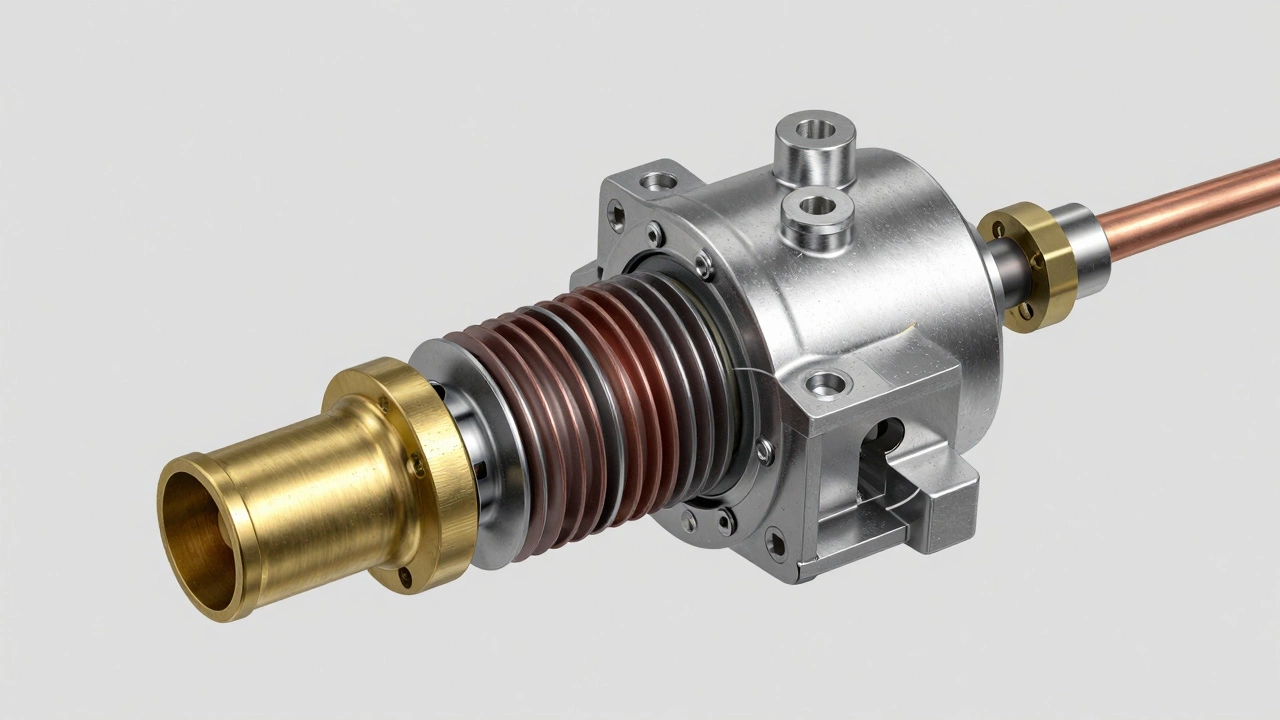
If your thermostat is set correctly, the filter is clean, and the system isn’t stuck in defrost mode, the culprit might be the reversing valve. This small but critical component directs the flow of refrigerant. In cooling mode, it sends hot gas outside; in heating mode, it sends it inside. If the valve gets stuck in the "cool" position, your heat pump will act like an air conditioner all winter long.
You can often diagnose a stuck valve by listening. Stand near the outdoor unit. Do you hear a distinct "clunk" or click when you switch the thermostat from cool to heat? That click indicates the solenoid is trying to shift the valve. If you don’t hear it, the electrical signal might not be reaching the valve, or the valve itself is jammed due to debris or wear.
Sometimes, tapping the valve gently with a rubber mallet can free a stuck mechanism, but this is a temporary fix. A stuck reversing valve usually means internal components are failing. This is not a DIY repair; it requires a licensed technician to open the lines and replace the valve.
Refrigerant Leaks and Low Charge
Refrigerant is the blood of your heat pump. It carries heat from one place to another. If there is a leak in the copper lines, the system loses pressure. Without enough refrigerant, the heat pump cannot absorb heat from the outside air efficiently. The result? Weak airflow and cold temperatures.
Signs of a refrigerant leak include:
- Icing on the copper pipes connecting the indoor and outdoor units.
- Hissing sounds coming from the unit.
- Reduced heating capacity over time (it used to work well, now it doesn’t).
Note that adding refrigerant without fixing the leak is illegal and ineffective. Technicians must locate the leak using electronic detectors or UV dye, repair the puncture, and then recharge the system to the manufacturer’s specified weight. Ignoring a low charge can cause the compressor to overheat and fail, leading to a much costlier replacement.
Outdoor Unit Obstructions
Your outdoor condenser needs plenty of fresh air to operate. If it’s buried under snow, covered by fallen leaves, or blocked by overgrown bushes, it can’t exchange heat effectively. Even a few inches of blockage can reduce efficiency by 20% or more.
Clear at least two feet of space around the outdoor unit. Remove any debris, snow, or ice from the fan area. Be careful not to bend the fins with a shovel; use a broom or your hands. If the fan blade is cracked or bent, it won’t spin correctly, causing poor airflow and potential motor burnout. Visual inspection here takes less than a minute but can prevent major breakdowns.
| Issue | Symptoms | DIY Fix? |
|---|---|---|
| Wrong Thermostat Setting | Cold air, fan running, no heat engagement | Yes |
| Clogged Air Filter | Weak airflow, frozen coils, short cycling | Yes |
| Stuck Reversing Valve | No click when switching modes, constant cold air | No |
| Low Refrigerant | Icing on lines, hissing noise, gradual loss of heat | No |
| Defrost Mode Loop | Cold air for >15 mins, frequent cycling | No |
When to Call a Professional
If you’ve checked the thermostat, replaced the filter, cleared the outdoor unit, and waited out the defrost cycle, but the air is still cold, it’s time to call a pro. Issues involving electrical components, refrigerant handling, and internal valve mechanics require specialized tools and certification.
In New Zealand, where winters can be damp and chilly, keeping your heat pump in top shape is essential for both comfort and health. Regular maintenance once a year can catch small leaks or worn parts before they become emergency repairs. Don’t wait until the middle of winter to seek help; book early to secure a slot.
How long does it take for a heat pump to start blowing warm air?
Once the system engages, it should begin blowing noticeably warmer air within 5 to 10 minutes. If it takes longer, check if the system is in defrost mode or if the airflow is restricted by a dirty filter.
Can I add refrigerant myself to fix cold air?
No. Adding refrigerant without finding and repairing the leak is temporary and often illegal. It also risks damaging the compressor. Always hire a certified technician to handle refrigerant charges.
Why does my heat pump blow cold air only at night?
This could be due to a programmable thermostat dropping the temperature automatically, or because nighttime temperatures are colder, causing the system to struggle if it’s undersized or has low refrigerant. Check your schedule settings first.
Is it normal for the outdoor unit to make loud noises?
Some noise is normal, but grinding, screeching, or banging sounds indicate mechanical failure, such as a bad fan motor or loose debris hitting the blades. Turn off the unit and call a technician immediately.
How often should I change the air filter?
Check monthly and replace every 1 to 3 months depending on usage, pets, and allergies. During peak winter months, consider changing it every month to ensure optimal airflow and heating performance.