Washing Machine Reliability Estimator
Select your priorities to see which brand tier offers the best balance of upfront cost, longevity, and maintenance effort.
Your Household Profile
You’ve probably spent more time scrolling through laundry room photos on Pinterest than you have actually doing laundry. But when your current washing machine finally quits-usually right before a big family event-you realize that brand choice isn’t just about aesthetics. It’s about whether you’ll be calling a technician in three years or fifteen.
Here is the uncomfortable truth most salespeople won’t tell you: no washing machine is perfect. Every major brand has models that are workhorses and models that are lemon factories. The difference between a great purchase and a regrettable one often comes down to understanding which brands prioritize serviceability versus those that prioritize sleek design at the cost of repairability. If you want a machine that lasts, you need to look past the shiny digital displays and dig into the engineering.
The Reliability Hierarchy: Who Actually Lasts?
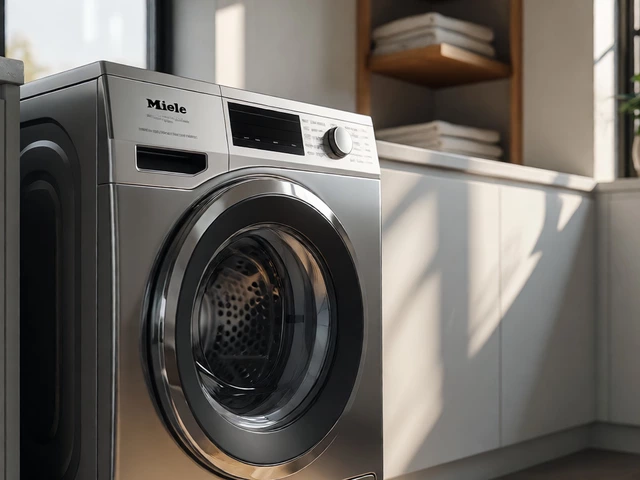
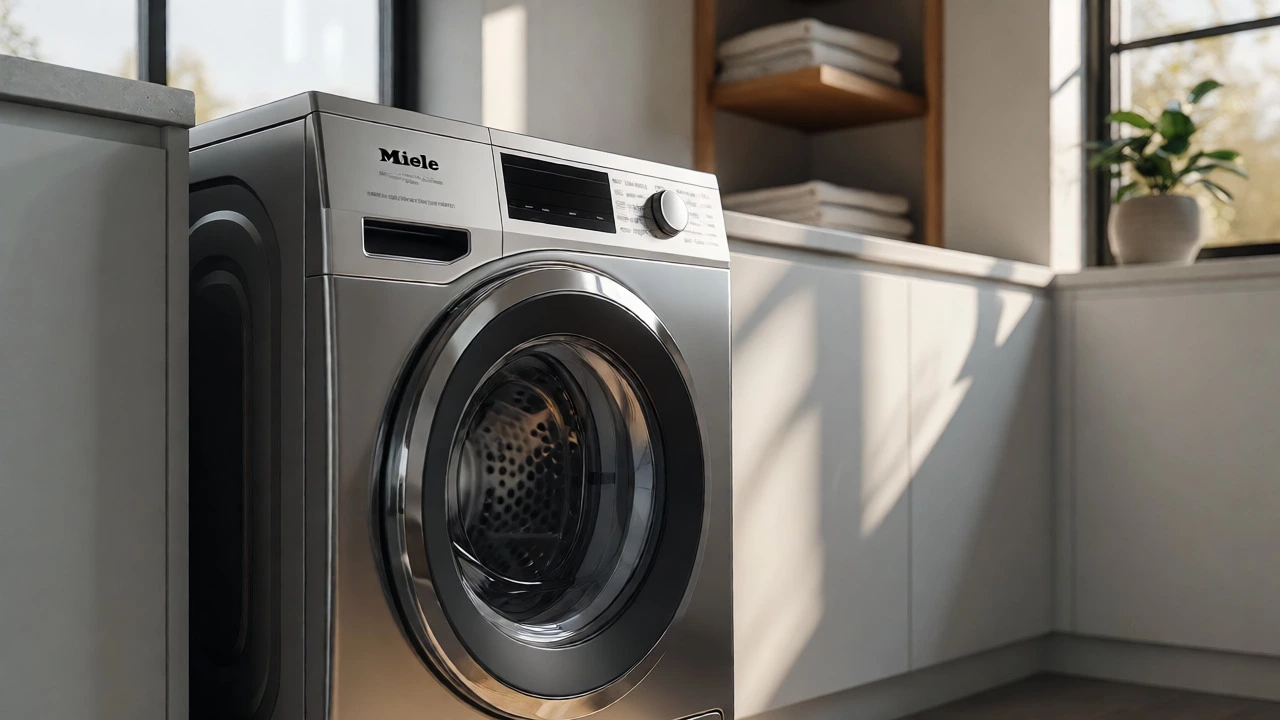
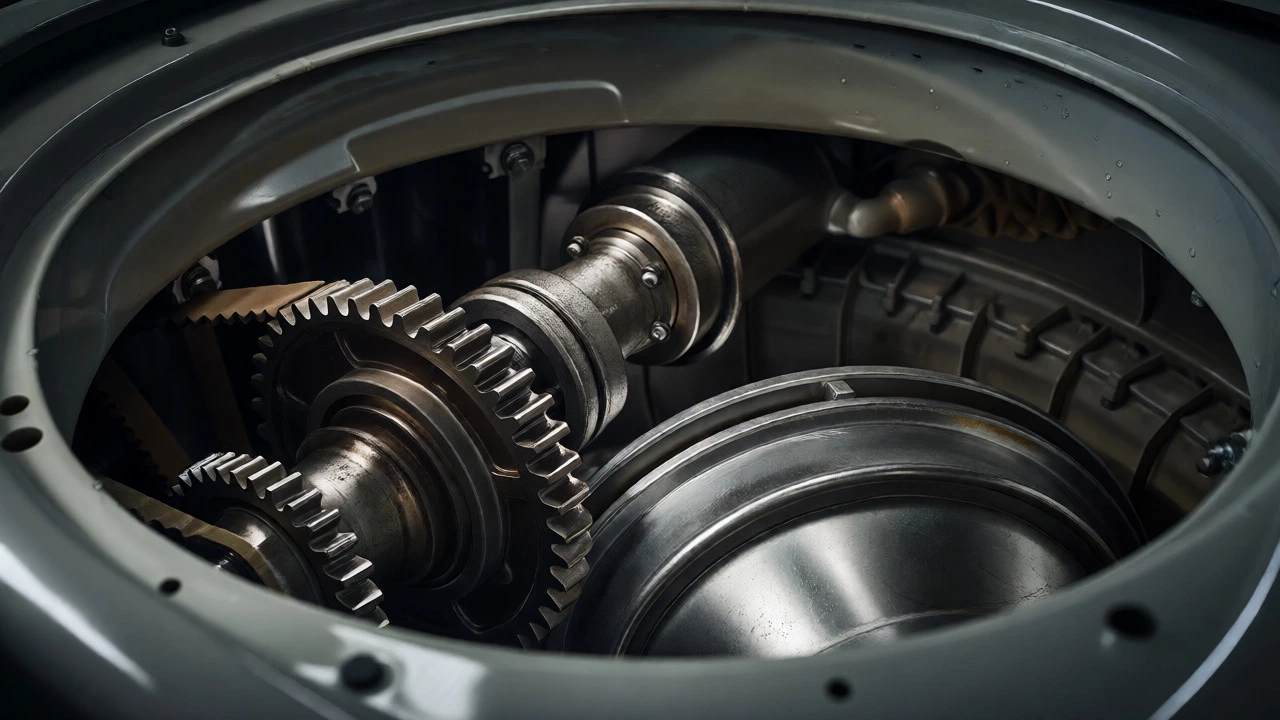
If we look at data from major consumer reports and repair networks over the last five years, a clear hierarchy emerges. It’s not necessarily who sells the most units, but who fixes them the least. Miele consistently ranks as the gold standard for longevity. Their machines are built with metal gears instead of plastic belts and use water-cooled motors that run cooler and longer. Yes, they cost two to three times more upfront. But if you plan to keep the machine for 15+ years, the math works out.
Below Miele, you have the "reliable mainstream" tier. This includes Speed Queen (for commercial-style durability) and select lines from Whirlpool. Whirlpool owns many other brands, including Maytag and KitchenAid. While KitchenAid offers premium features, their internal mechanics are often very similar to mid-range Whirlpools. If you’re paying a premium for KitchenAid, ensure it’s for specific aesthetic or smart features, not hidden mechanical superiority.
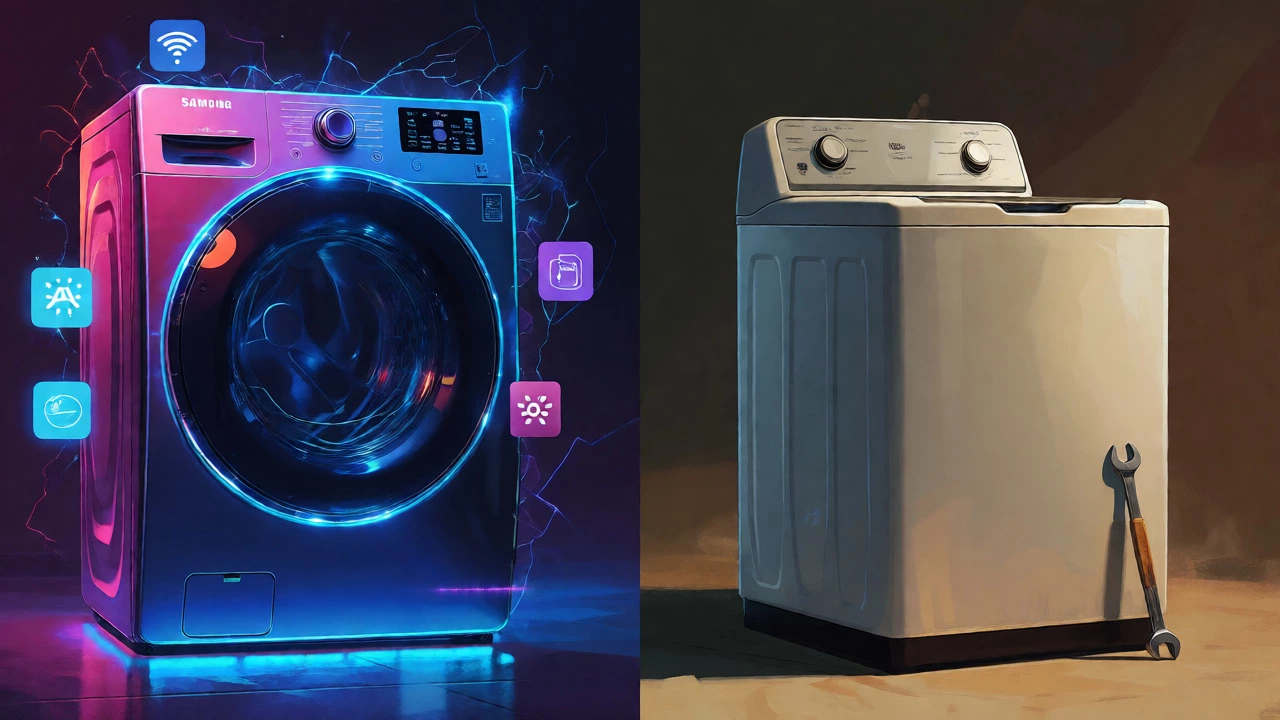
At the other end of the spectrum are brands like Samsung and LG. These companies dominate market share because they offer incredible features-steam cleaning, AI fabric sensing, app connectivity-at competitive prices. However, repair technicians frequently cite these brands as having higher failure rates in control boards and drum bearings within the first 3-5 years. They aren't "bad," but they require a different maintenance mindset.
| Brand | Average Lifespan | Repair Frequency | Initial Cost | Best For |
|---|---|---|---|---|
| Miele | 15-20 years | Very Low | $$$ | Long-term investment, delicate fabrics |
| Speed Queen | 15-25 years | Low | $$ | Heavy loads, large families, durability |
| Whirlpool/Maytag | 8-12 years | Moderate | $ | Budget-friendly, easy repairs |
| Samsung/LG | 5-8 years | High (Electronics) | $$ | Tech features, modern design |
Top Loaders vs. Front Loaders: The Repair Reality
Before picking a brand, you have to pick a type. This decision impacts your wallet way more than the logo on the front panel.
Front-loaders are energy efficient and gentle on clothes. They use less water and spin faster, meaning your dryer runs shorter cycles. But here is the catch: they are prone to mold and mildew buildup in the door gasket. If you live in a humid climate or forget to leave the door ajar after washing, you will smell it. From a repair perspective, front-loaders have complex suspension systems. If a shock absorber fails, the machine walks across the floor. Replacing these parts is labor-intensive because the technician has to disassemble half the unit.
Top-loaders come in two flavors: traditional agitator models and high-efficiency impeller models. Traditional agitators (the post in the middle) are simple. They use a direct-drive motor or a belt-driven transmission. If something breaks, it’s usually cheap to fix. Parts are abundant. Impeller top-loaders (no center post) are gentler on clothes but suffer from tangling issues and can develop odor problems similar to front-loaders if not cleaned regularly.
If you hate doing maintenance, buy a traditional top-loader with an agitator. If you care about energy bills and fabric care, buy a front-loader-but commit to wiping down the gasket weekly.
Why Do Modern Machines Break So Often?
You might remember your grandmother’s washer lasting thirty years. Why don’t ours? Two words: planned obsolescence and complexity.
Modern washers are essentially computers with motors attached. They have printed circuit boards (PCBs), touch screens, Wi-Fi modules, and sensors. In the 1990s, a washer was a mechanical box. Today, if the main control board fries due to a power surge, you’re looking at a $300-$500 part plus labor. On a $700 machine, that repair often makes replacement more sensible.
Furthermore, manufacturers have shifted toward proprietary parts. Ten years ago, a belt or pump could be sourced from generic suppliers. Now, brands like LG and Samsung use custom-molded plastic components that snap rather than screw together. This reduces assembly time in the factory but makes disassembly a nightmare for repair techs. You often have to replace entire assemblies (like the whole tub bearing housing) instead of just the worn-out bearing.
How to Choose Based on Your Household Needs
There is no single "best" brand for everyone. Your best machine depends on how you live.
- The Large Family: You need capacity and speed. Look at Speed Queen or high-capacity Maytag models. Speed Queens are bulky and loud, but they handle heavy cottons and towels without breaking a sweat. They lack fancy steam cycles, but they clean well.
- The Urban Apartment Dweller: Space is tight. You likely need a compact or stackable unit. Miele is excellent here because their compact front-loaders are incredibly quiet and vibration-free, crucial for upstairs neighbors. Bosch is another strong contender for small spaces, offering reliable German engineering at a slightly lower price point than Miele.
- The Budget-Conscious Student: Don’t overspend. A basic Whirlpool or Amana top-loader is fine. Expect it to last 5-7 years. When it dies, you won’t cry too hard because you didn’t mortgage your life for it.
- The Tech Enthusiast: You want your phone to tell you when the cycle ends. Samsung and LG lead here. Just be aware that smart features add points of failure. If the Wi-Fi module dies, does it break the wash cycle? Usually not, but it requires a reset or a firmware update.
The Hidden Costs: Installation and Maintenance
Buying the machine is only step one. Installation matters. Many modern front-loaders require precise leveling. If the floor isn’t level, the machine vibrates excessively, wearing out bearings prematurely. Always ask for professional installation if you aren’t handy. It’s a $100 fee that can save you $400 in early repairs.
Maintenance is non-negotiable for longevity. Here is a simple checklist to double the life of any brand:
- Clean the Filter: Most front-loaders have a drain pump filter. Clean it every 3 months. Coins, hair clips, and lint clog this filter, causing drainage errors.
- Ventilate: Leave the door open after every load. Mold is the number one killer of rubber seals on front-loaders.
- Use HE Detergent: High-Efficiency machines produce fewer suds. Regular detergent creates excess foam that confuses sensors and leaves residue on clothes and internal parts.
- Check Hoses: Inspect water inlet hoses annually for bulges. Replace braided steel hoses every 5 years to prevent catastrophic flooding.
What About Extended Warranties?
This is where people waste money. Manufacturer warranties typically cover parts for 1 year and labor for 1 year. Some brands offer 5-year warranty on the motor. That’s nice, but motors rarely fail. Control boards and pumps do.
Third-party extended warranties are often contracts with low-deductible insurance policies. Read the fine print. Many exclude "wear and tear" items like belts, hoses, and knobs. If you buy a Samsung or LG, an extended warranty might be worth it because electronics failures are common. If you buy a Miele or Speed Queen, skip it. You are buying quality; trust it.
Final Verdict: Which Brand Should You Buy?
If you have the budget and want to buy a washer once in your adult life, get a Miele. It’s an appliance, not an accessory. It will wash your delicates better than anyone else and last until your kids move out.
If you want durability without the luxury price tag, go with Speed Queen. It’s ugly, industrial, and beautiful in its simplicity. It will outlive your marriage.
If you want value and easy repairs, stick with Whirlpool or Maytag. Technicians know these machines inside out. Parts are everywhere. If it breaks, it gets fixed quickly and cheaply.
Avoid buying the cheapest model from a premium brand. A bottom-tier Samsung is still a Samsung-it has the same electronic vulnerabilities as the top-tier model but lacks the build quality. Conversely, a top-tier Whirlpool is still a Whirlpool. Match the brand to your tolerance for risk and maintenance.
Which washing machine brand has the lowest repair rate?
Miele consistently reports the lowest repair rates among residential washing machines, often citing failure rates under 5% in the first decade. Speed Queen also boasts very low repair needs due to its commercial-grade, simplified mechanical design. Mainstream brands like Whirlpool fall in the middle, while tech-heavy brands like Samsung and LG tend to have higher service call frequencies related to electronic controls.
Are expensive washing machines worth the extra cost?
It depends on your timeline. If you plan to replace your washer every 5-7 years, expensive brands offer diminishing returns. However, if you view appliances as long-term investments (10-20 years), premium brands like Miele or Speed Queen save money by avoiding repeated replacements and frequent repair calls. Additionally, premium brands often provide better cleaning performance on delicate fabrics, extending the life of your clothing.
Why do my new washing machine's parts break so easily?
Many modern washing machines use more plastic components to reduce weight and manufacturing costs. Plastic degrades faster than metal, especially when exposed to heat and moisture. Furthermore, the integration of complex electronics means that minor electrical surges can damage sensitive control boards, leading to failures that wouldn't affect older, purely mechanical models.
Is it better to repair or replace a broken washing machine?
Use the 50% rule: if the repair cost exceeds 50% of the price of a comparable new machine, consider replacing it. Also, consider age. If the machine is over 10 years old and the repair involves the transmission or drum bearings, replacement is usually smarter. For machines under 5 years old, repair is almost always the better financial choice.
Do top-loaders really last longer than front-loaders?
Generally, yes. Top-loading machines, particularly those with agitators, have simpler mechanical structures with fewer seals and suspension components that wear out. Front-loaders rely on complex drum bearings and shock absorbers to manage high-speed spins, which are common failure points. However, a well-maintained front-loader from a premium brand can easily outlast a cheap top-loader.