Extractor Fan DIY vs. Electrician Checker
Select the symptom you are experiencing to see who should fix it according to New Zealand electrical standards.
Select an issue above to get advice.
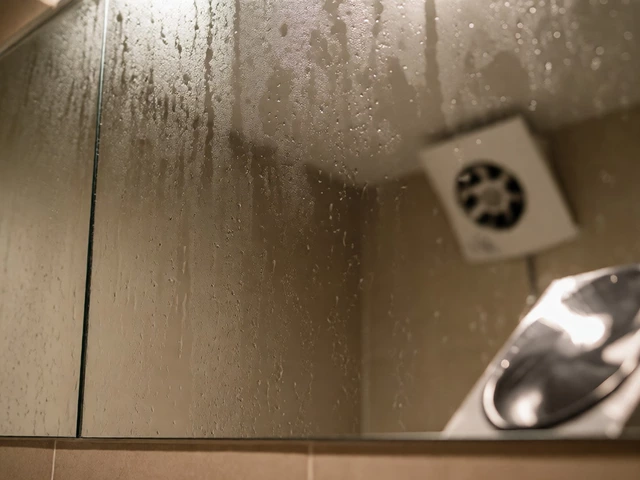
You’re standing on a step stool, staring at that stubborn extractor fan in your bathroom. It’s making a noise like a dying lawnmower, or worse, it’s completely silent while the humidity climbs and your mirror stays foggy for hours. Your first instinct might be to grab a screwdriver and tinker with it yourself. But then doubt creeps in: is this a job for a handyman, or do you actually need an electrician?
The short answer is yes, but it depends on what’s wrong. In New Zealand, electrical work has strict rules under the Electricity Act 1992. While changing a bulb is safe for anyone, opening up the motor housing or rewiring connections usually requires a licensed professional. If you live in Wellington or anywhere else in NZ, understanding who fixes what can save you from failed inspections, voided insurance claims, or even fire hazards.
When You Can Handle It Yourself
Not every extractor fan issue needs a pro. Many common problems are mechanical rather than electrical. If your fan is noisy but still spins, the bearings might just be dry or clogged with dust. Cleaning the blades and housing often solves this. Similarly, if the fan won’t turn on because of a faulty pull cord, replacing the switch mechanism is sometimes within reach of a confident DIYer, provided the power is isolated at the breaker box.
However, "confident" doesn't mean "qualified." Before you touch anything, ask yourself: Am I working on the low-voltage control side (like a remote receiver) or the mains voltage supply? If you’re unsure, stop. The risk isn’t just breaking the fan; it’s messing up the house wiring.
Why Electricians Are Often Required
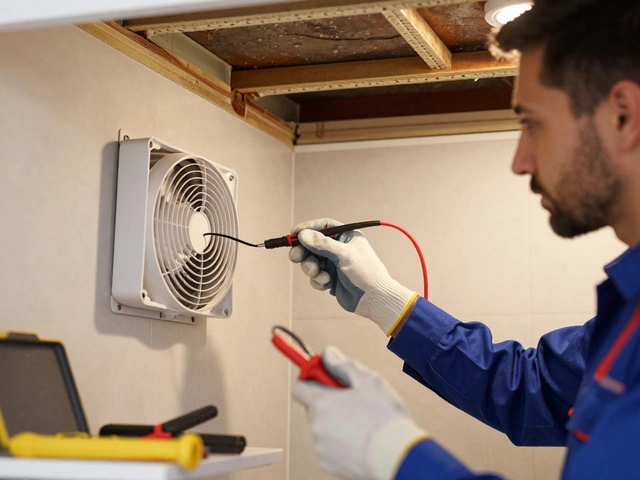
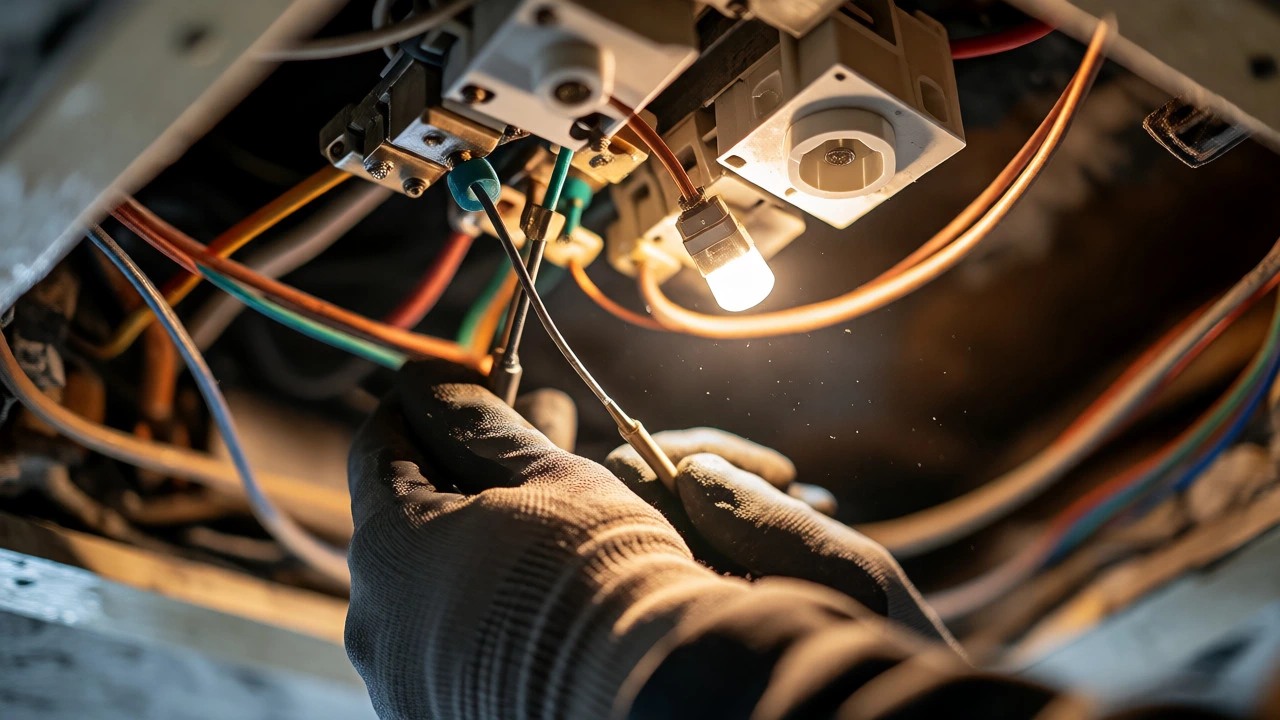
Electricians are trained to handle mains-powered appliances and fixed wiring systems. Most modern extractor fans, especially those installed in ceilings or connected to ducting, are hardwired into the home’s electrical circuit. This means they don’t have a plug you can simply unplug. To service them, you often need to access junction boxes behind tiles or inside ceiling cavities.
In NZ, any work involving the connection to the mains supply generally falls under restricted electrical work. This includes:
- Replacing a hardwired fan with a new model.
- Fixing broken wires inside the wall cavity.
- Installing a new timer or humidity sensor unit.
- Rewiring the fan after water damage.
If you attempt these tasks without a license, you might pass the test visually, but you could fail an Electrical Compliance Certificate (CoC). This certificate is crucial when selling your home. A non-compliant fan installation can hold up your sale or cost you thousands to rectify later.
Common Issues That Need Professional Attention
Let’s look at specific scenarios where calling an electrician is the only smart move. These aren’t just about convenience; they’re about safety and code compliance.
| Issue | Who Should Fix It | Why? |
|---|---|---|
| Fan won’t start (no sound) | Electrician | Likely a mains voltage fault, blown fuse, or internal motor burnout requiring disconnection from supply. |
| Burning smell from motor | Electrician | Indicates overheating windings or short circuits. Fire risk if ignored. |
| Dust build-up causing noise | Homeowner | Maintenance task. Requires cleaning, not rewiring. |
| Replacing old fan with new one | Electrician | New units may have different amperage or require updated wiring standards (e.g., double insulation). |
| Humidity sensor not triggering | Electrician | Sensors are often wired directly into the circuit board and require testing equipment. |
Notice the pattern? Anything involving electricity flowing into the device is an electrician’s domain. Anything involving physical movement or blockages is often yours. But remember, even if you clean the fan, if it doesn’t fix the problem, you’ve likely exposed a deeper electrical fault.
The Cost Factor: Is It Worth Hiring a Pro?
People often hesitate to call an electrician because they fear the bill. In Wellington, you might expect to pay between $80 and $150 per hour for a registered electrician, plus parts. A simple repair might cost $150-$250 total. Replacing the entire unit could range from $300 to $600 depending on the complexity of the ceiling access.
Compare this to the cost of doing it wrong. A botched connection can scorch the wiring loom, leading to repairs costing over $1,000. Plus, if you install a new fan incorrectly, you might violate building codes regarding ventilation rates. For instance, bathrooms typically require a minimum extraction rate (measured in liters per second) to prevent mold growth. An electrician ensures the new unit meets these specs and is wired correctly to achieve that performance.
How to Choose the Right Electrician for Ventilation Work
Not all electricians specialize in small appliance repairs. Some focus on industrial sites or large renovations. When looking for someone to fix your bathroom ventilation, check their credentials carefully.
First, verify they are registered with the Electrical Workers Registration Board (EWRB) in NZ. This is non-negotiable. Second, ask if they provide a Compliance Certificate upon completion. If they say no, walk away. Third, ask specifically about experience with ceiling-mounted fans. Working in tight roof spaces requires different skills than changing a light switch in a hallway.
Also, consider whether you need an HVAC specialist instead. Sometimes the issue isn’t the fan motor but the ducting itself. If the fan runs but air doesn’t exit the house, the duct might be crushed, blocked by bird nests, or disconnected. While an electrician can check the power, they might refer you to a ventilation contractor for the airflow issue. Knowing the difference saves you from paying two call-out fees.
Signs Your Extractor Fan Needs Replacement, Not Repair
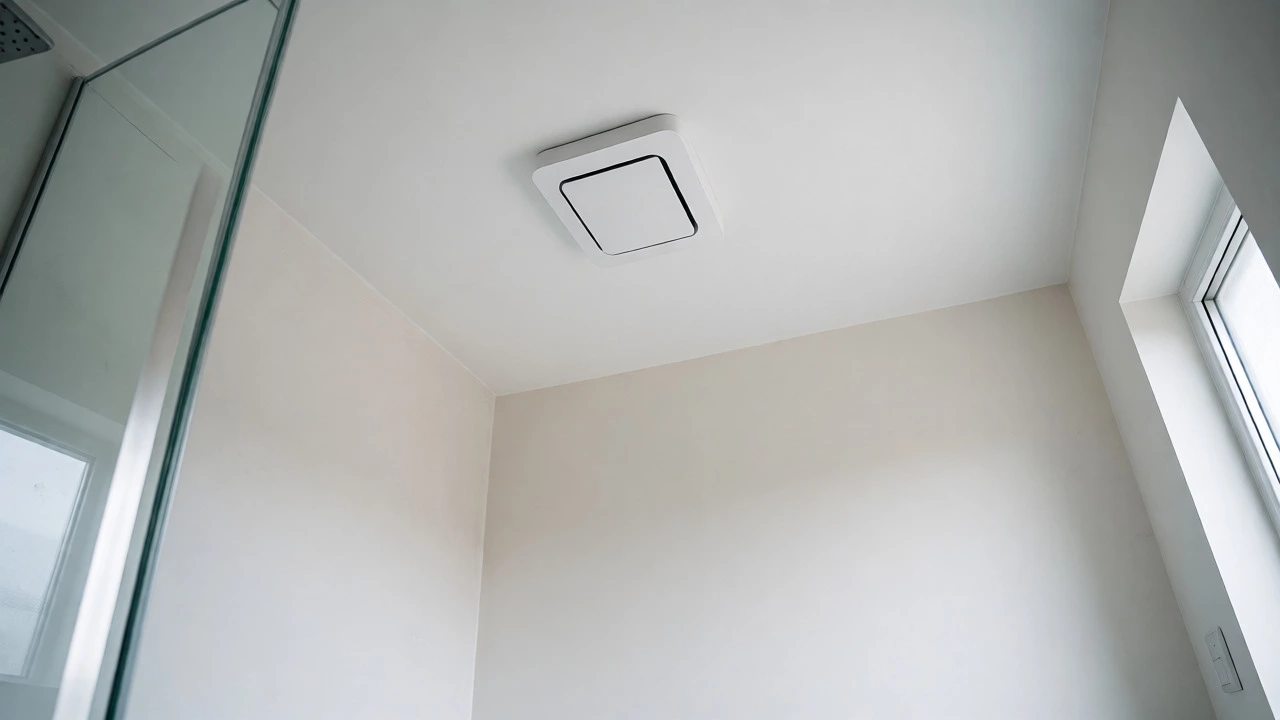
Repairing an old fan isn’t always economical. Modern fans use brushless DC motors, which are quieter, more energy-efficient, and last longer than the AC induction motors found in units from 15 years ago. If your fan is over a decade old, replacement is often cheaper than repairing a seized bearing or burnt coil.
Look for these red flags:
- Excessive vibration: Even after cleaning, if the whole ceiling shakes, the mounting brackets may be failing.
- Poor airflow: Hold a piece of tissue paper against the grille. If it doesn’t stick firmly, the motor lacks torque.
- Discoloration: Yellowing plastic around the motor indicates long-term heat stress.
Upgrading to a high-efficiency model can also lower your power bills. Older fans can draw 40-60 watts continuously. New models often operate at 10-15 watts while moving more air. Over five years, that energy saving might offset part of the installation cost.
Preventing Future Breakdowns
Once your fan is fixed or replaced, keep it running smoothly. Dust is the enemy. In coastal areas like Wellington, salt spray combined with bathroom humidity creates a sticky residue that clogs blades quickly. Clean the grille monthly with warm soapy water. Vacuum the interior housing annually if accessible.
Also, avoid running the fan unnecessarily. Use a timer switch set to run for 15-20 minutes after showering. Continuous operation wears out bearings faster. If you don’t have a timer, get one installed by your electrician during the repair. It’s a cheap add-on that extends the life of the motor significantly.
Can I replace an extractor fan myself if I turn off the power?
While turning off the power reduces shock risk, NZ regulations classify connecting a new fan to the mains as restricted electrical work. Doing it yourself without a license means you cannot issue a Compliance Certificate. This can cause issues with home insurance and future property sales. It is strongly recommended to hire a registered electrician for the final connection.
How much does it cost to fix an extractor fan in New Zealand?
Costs vary by region and complexity. In major cities like Wellington or Auckland, expect to pay $80-$150 per hour for labor. Parts like capacitors or switches might add $20-$50. Full replacement installations typically range from $300 to $600, including the new unit and compliance certification. Always ask for a quote upfront.
My fan makes noise but doesn't suck air. What's wrong?
This usually indicates a mechanical blockage or a detached impeller blade. Check the external vent flap outside your house to ensure it opens freely. Inside, inspect the ducting for kinks or debris. If the fan spins but moves no air, the internal fan wheel may be slipping on the motor shaft, which often requires motor replacement or a new unit entirely.
Do electricians clean extractor fans too?
Some electricians offer basic cleaning as part of a service call, but many prefer to focus on electrical diagnostics. Deep cleaning, especially removing the unit from the ceiling to wash the housing, might be better handled by a specialized ventilation technician or done by you if you are comfortable with ladders and mild detergents.
Is it dangerous to ignore a faulty extractor fan?
Yes. Beyond poor air quality leading to mold and respiratory issues, a faulty motor can overheat. Burning insulation smells distinct and acrid. Ignoring this can lead to an electrical fire. Additionally, excess moisture damages paint, plasterboard, and timber framing over time, leading to costly structural repairs.