Pressure Cooker Repair Diagnostic Tool
What seems to be the problem?
Select the symptom you are experiencing with your pressure cooker.
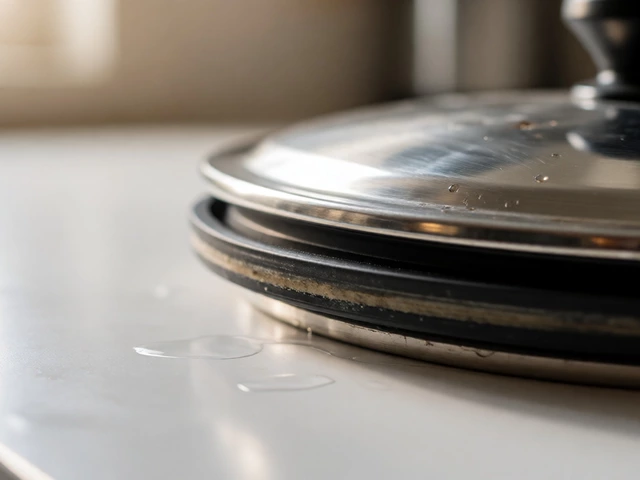
Steam Leaking from Lid Edge
Air/steam escaping before pressure builds.
Not Building Pressure / Not Heating
Electric model powers on but doesn't heat, or stove model never jiggles.
Lid Won't Lock or Unlock
Handle is stiff, won't align, or is jammed.
Cracked Body or Warped Lid
Visible cracks in metal, severe dents, or warped sealing surface.
Recommended Action:
You’re halfway through cooking a stew when the lid won’t seal, or worse, steam starts hissing from places it shouldn’t. The first thought is usually: "Is this thing dead?" Before you toss it in the bin, take a breath. Pressure cooker repair is not only possible; for most common issues, it’s surprisingly easy and cheap. Unlike complex electronics with circuit boards that fry, pressure cookers are mechanical beasts. If they break, it’s usually because a rubber part got hard or a metal part got clogged. You can fix 90% of these problems yourself with zero special tools.
But there is a catch. Safety is non-negotiable here. We’re talking about trapped steam at high temperatures. If you ignore specific warning signs-like a cracked body or a warped lid-you risk more than just a ruined dinner. This guide breaks down exactly what you can fix, what you must replace, and how to do it without becoming a statistic.
The Quick Verdict: Fix It or Bin It?
Here is the golden rule: If the problem is a consumable part (gaskets, valves), fix it. If the problem is structural (the pot itself), replace it. A pressure cooker is a sealed vessel that uses steam pressure to raise the boiling point of water, allowing food to cook faster. Because it relies on maintaining a tight seal, its components wear out over time. Think of it like a car tire. When the tread wears down, you don’t buy a new car; you change the tire. But if the rim cracks, you need a new wheel.
- Fix it: Leaking steam, stuck handles, blocked vents, worn-out seals.
- Replace it: Cracked stainless steel body, deeply scratched non-stick coating, bent locking mechanism, melted plastic parts from overheating.
Common Culprits: Why Your Cooker Is Acting Up
Most "broken" pressure cookers aren’t broken at all. They’re just dirty or tired. Let’s look at the usual suspects.
The Silicone Gasket (Sealing Ring)
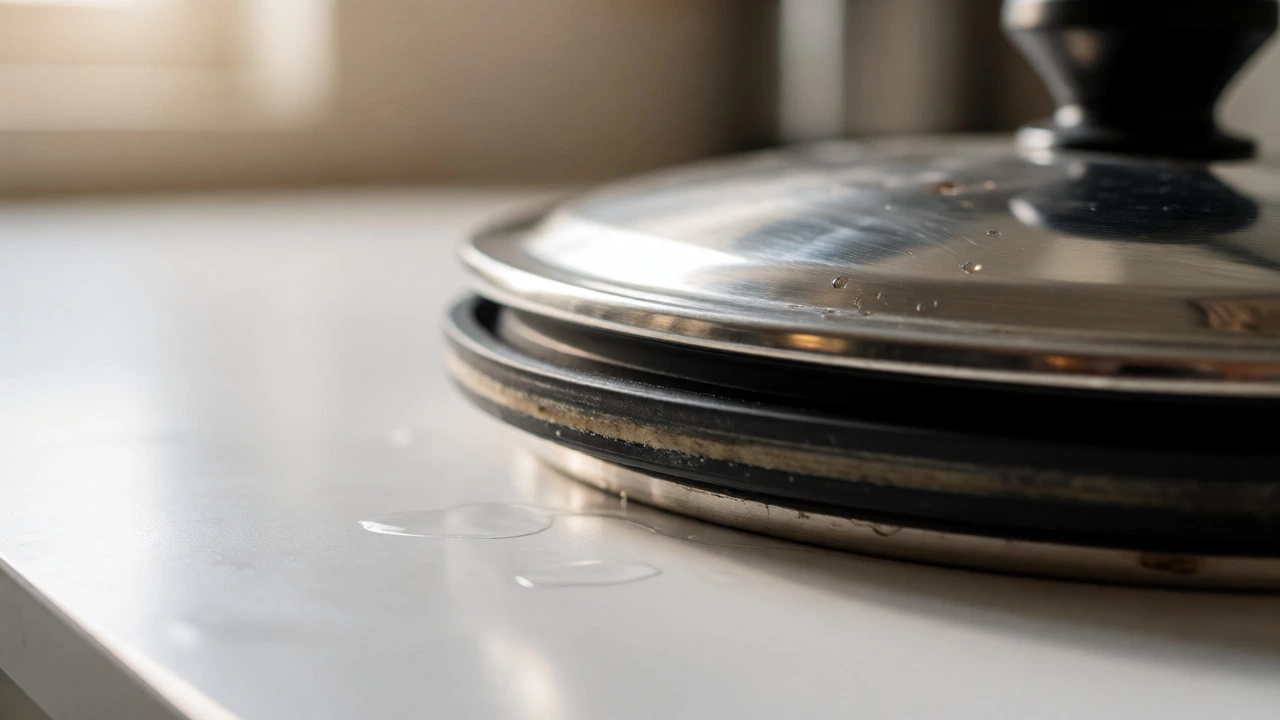
This is the number one reason people think their cooker is dead. The silicone gasket, also known as the sealing ring, creates the airtight barrier between the lid and the pot. Over time, heat and oil degrade silicone. It loses elasticity, becomes brittle, or absorbs odors so strongly your chicken tastes like last month’s curry. If you see steam escaping around the edge of the lid before the pressure builds, the gasket is likely the issue. These rings typically last 1-2 years depending on usage. Replacing one costs $5-$15 and takes two minutes.
The Pressure Regulator Valve
On stovetop models, the weight on top (often called the jiggler or petcock) regulates pressure. If food particles get under it, it won’t seat properly, causing continuous venting or failure to build pressure. Clean it thoroughly after every use. If the spring inside a modern electric cooker’s valve fails, the unit may display an error code. In many cases, cleaning the valve housing solves this.
The Anti-Block Shield
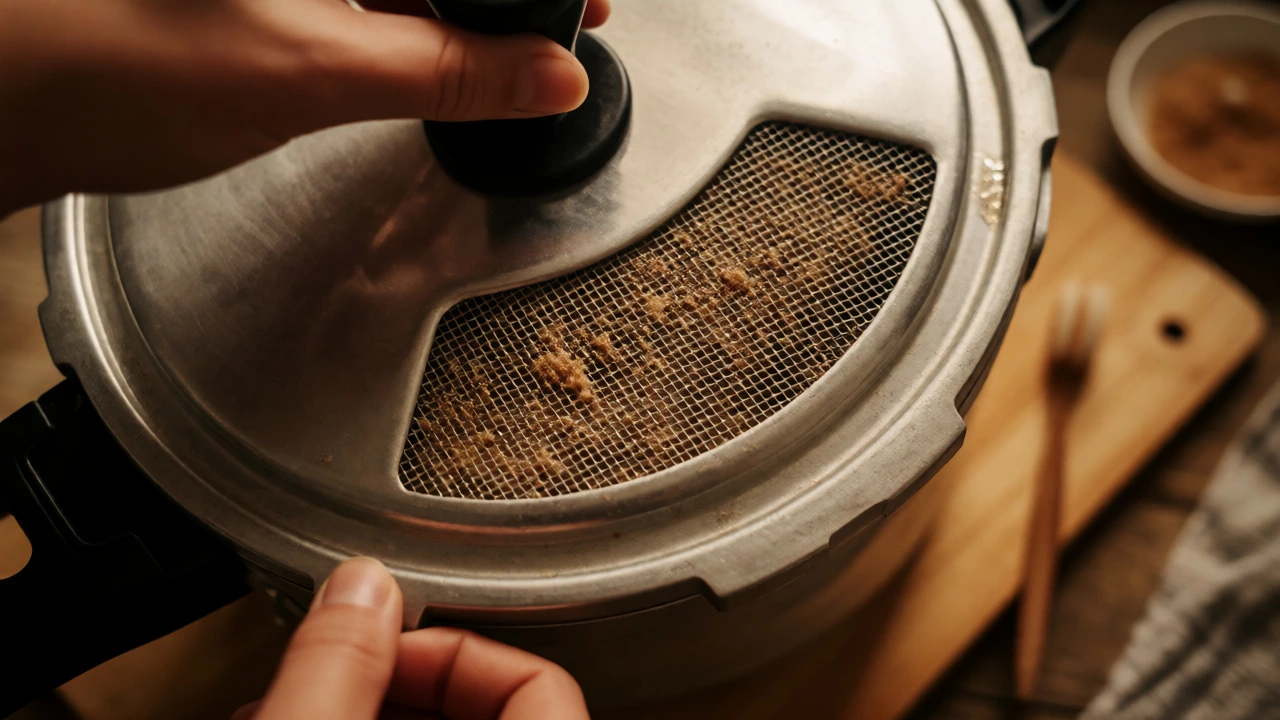
Inside the lid, there’s often a mesh screen designed to stop food from entering the vent pipe. If you cook foamy foods like oatmeal or beans, this screen gets clogged. Steam can’t escape properly, leading to erratic pressure readings or leaks. Remove the shield (usually pops off or unscrews) and scrub it with a toothbrush. It’s gross work, but it saves your appliance.
Step-by-Step Repair Guide for Common Issues
Don’t call a technician yet. Try these steps in order. They solve the majority of complaints.
- Inspect the Gasket: Take the ring out. Look for cuts, nicks, or flat spots. Stretch it gently; it should snap back. If it feels loose or looks shiny/hard, replace it. Ensure you buy the exact model match-sizes vary wildly between brands like Instant Pot, Tefal, and Fagor.
- Clean the Vent Pipe: Use a small brush or pipe cleaner to clear the steam release valve channel. Hold the lid up to light to ensure no debris blocks the path.
- Check the Locking Mechanism: Does the handle align easily? If it’s stiff, clean the gears with a damp cloth. Do not use grease unless specified by the manufacturer; food-grade lubricant is rare here. If the plastic tabs are cracked, the lid won’t lock safely. Stop using it.
- Test the Float Valve: For electric models, the float valve (the little pin that rises when pressurized) must move freely. Push it down; it should pop up smoothly. If it sticks, clean it with vinegar and warm water to remove mineral deposits.
When Structural Damage Means Game Over
Some things cannot be repaired because they compromise the integrity of the vessel. Stainless steel bodies are durable, but they have limits. If you dropped the cooker and it dented severely near the base, it might not sit flat on the stove, causing uneven heating and potential hot spots. More critically, if you see any crack in the metal, stop immediately. Pressure vessels rely on uniform strength. A crack is a weak point waiting to explode.
Non-stick coatings are another story. If the coating is peeling, you might keep cooking with it, but it’s not ideal. However, if the pot is heavily scratched, the underlying metal could react with acidic foods. While not a safety hazard like a crack, it affects performance. Replacement pots are sometimes available for popular brands, but often buying a new unit is cheaper than sourcing a bare pot.
Electric vs. Stovetop: Different Risks, Different Fixes
The type of cooker dictates the repair complexity.
| Component | Electric Cooker (e.g., Instant Pot) | Stovetop Cooker (e.g., Fagor, Kuhn Rikon) |
|---|---|---|
| Gasket | Easily replaceable. Standard part. | Easily replaceable. Must match diameter precisely. |
| Electronics | Complex. Control board failures often mean total replacement. | N/A. No electronics. |
| Safety Valve | Internal spring mechanism. Hard to service; often requires full unit swap. | External weight/jiggler. Easy to clean and inspect. |
| Lid Lock | Magnetic or electronic lock. Prone to sensor errors. | Mechanical interlock. Robust but can jam if dirty. |
| Cost of Repair | Low for gaskets; High for internal faults. | Low for almost everything except body damage. |
With electric models, if the unit powers on but doesn’t heat, it’s often a thermal fuse or heating element failure. Unless you’re handy with multimeters and soldering, this is rarely worth fixing. The labor cost exceeds the price of a new mid-range model. With stovetop units, since there’s no electricity involved, nearly every failure is mechanical and thus fixable.
Safety Checks Before You Fire It Up Again
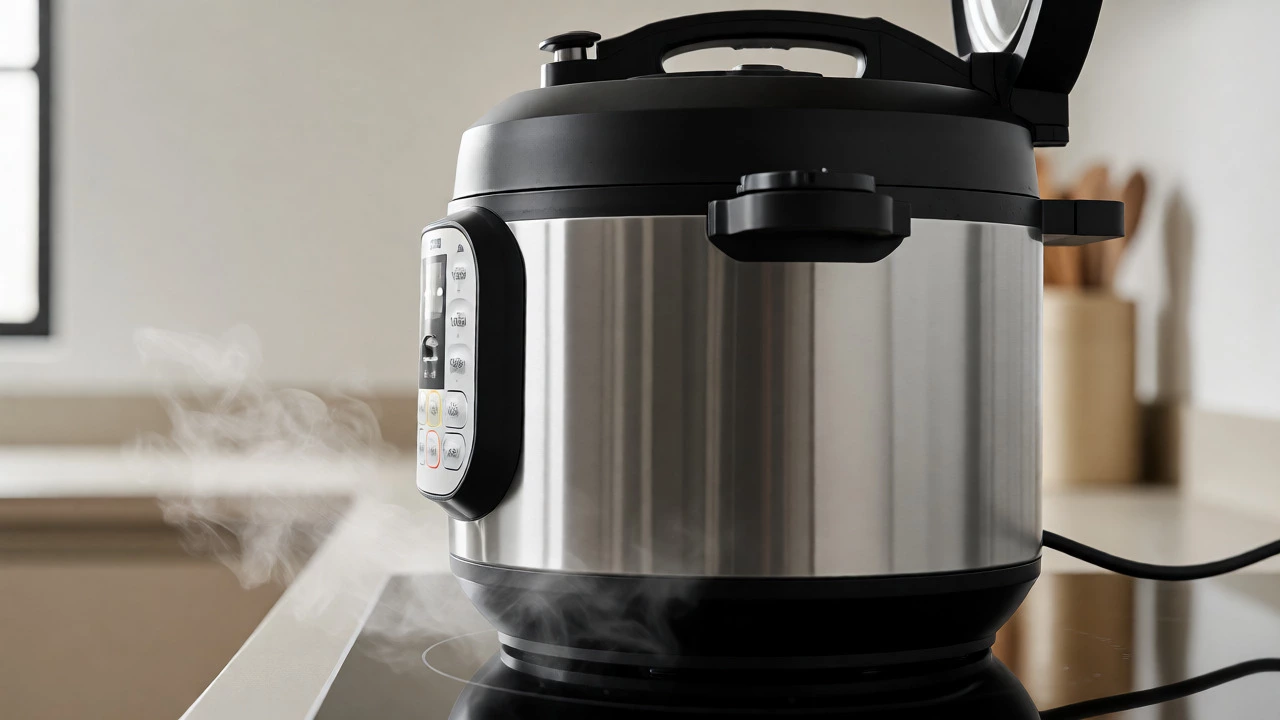
After any repair, perform a water test. Fill the pot with half a liter of water. Close the lid. Bring it to pressure. Watch the gauge (if equipped) or listen for the regulator. It should reach operating pressure and maintain it steadily. Then, turn off the heat and let it depressurize naturally. Check for leaks again. If steam sprays sideways from the gasket area during the test, the seal isn’t right. Don’t cook food until it passes.
Also, check your local regulations. In some regions, older pressure cookers without modern safety features (like secondary relief valves) are discouraged for home use. If your cooker is over 10 years old and lacks multiple safety mechanisms, consider upgrading rather than repairing. Modern cookers have redundant systems-if one fails, another catches the pressure.
Pro Tips for Longevity
You can avoid repairs entirely with minor habits. Never fill the cooker past the maximum line (usually 2/3 full). Food expands! Always release pressure according to the recipe; rapid cooling with cold water can warp lids on some older models. Store the lid upside down next to the pot to allow air circulation, which prevents moldy smells in the gasket. And please, wash the gasket separately. Dishwashers can accelerate silicone degradation due to high heat and harsh detergents.
How long does a pressure cooker gasket last?
Typically 1 to 2 years with regular use. If you cook daily, expect to replace it annually. Signs of wear include loss of flexibility, visible cracks, or persistent odor retention.
Can I use Vaseline on my pressure cooker gasket?
Yes, a thin layer of petroleum jelly (Vaseline) or food-grade silicone grease can help extend the life of the gasket and improve the seal. Apply it sparingly to the ring before inserting it into the lid groove.
Why is my electric pressure cooker leaking steam?
Steam leakage usually indicates a misaligned or damaged gasket. Ensure the gasket is seated correctly in the lid groove. If the leak comes from the float valve, it means the pot hasn't built pressure yet, which is normal during startup. Persistent leaks from the valve after pressurization suggest a faulty valve assembly.
Are old pressure cookers safe to repair?
It depends on age and design. Cookers made before the 1980s often lack modern safety redundancies. If the body is intact and parts are available, they can be safe. However, if the cooker has experienced significant impact or corrosion, replacement is safer than repair.
Can I fix a cracked pressure cooker lid?
Generally, no. A cracked lid compromises the structural integrity needed to hold pressure. Glue will not withstand the heat and pressure cycles. Replace the lid or the entire unit to ensure safety.