Water Heater Reset Safety Checker
Answer the questions below to diagnose why your water heater tripped and whether you should press the reset button again.
You come home from work, turn on the shower, and get blasted with cold water. The first instinct? Go to the utility closet, open the access panel, and press that little red button sticking out of the thermostat. It’s tempting because it often works-at least for a few hours. But is it actually safe to keep hitting that reset button on your electric water heater? Or are you just ignoring a ticking time bomb?
The short answer: Yes, it is generally safe to press the reset button once if the unit tripped due to a temporary power surge or a brief heating cycle issue. However, if you find yourself resetting it repeatedly, you’re masking a serious problem. That button isn’t a "fix-it" magic wand; it’s a safety fuse designed to stop the element from overheating and potentially boiling the water inside the tank. Ignoring why it tripped can lead to damaged heating elements, melted wiring, or in rare cases, tank failure.
What Exactly Is That Red Button?
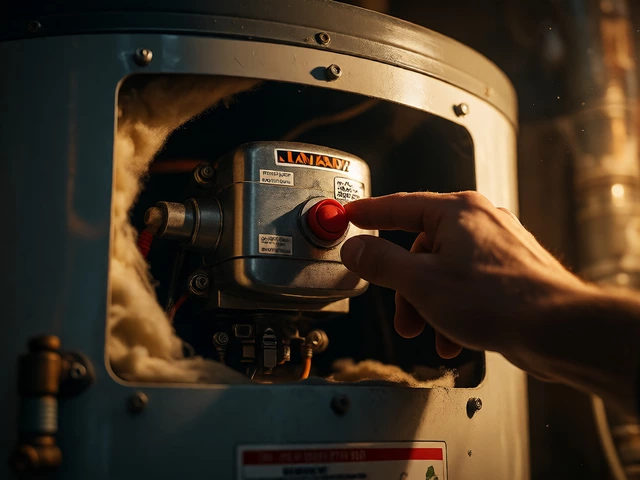
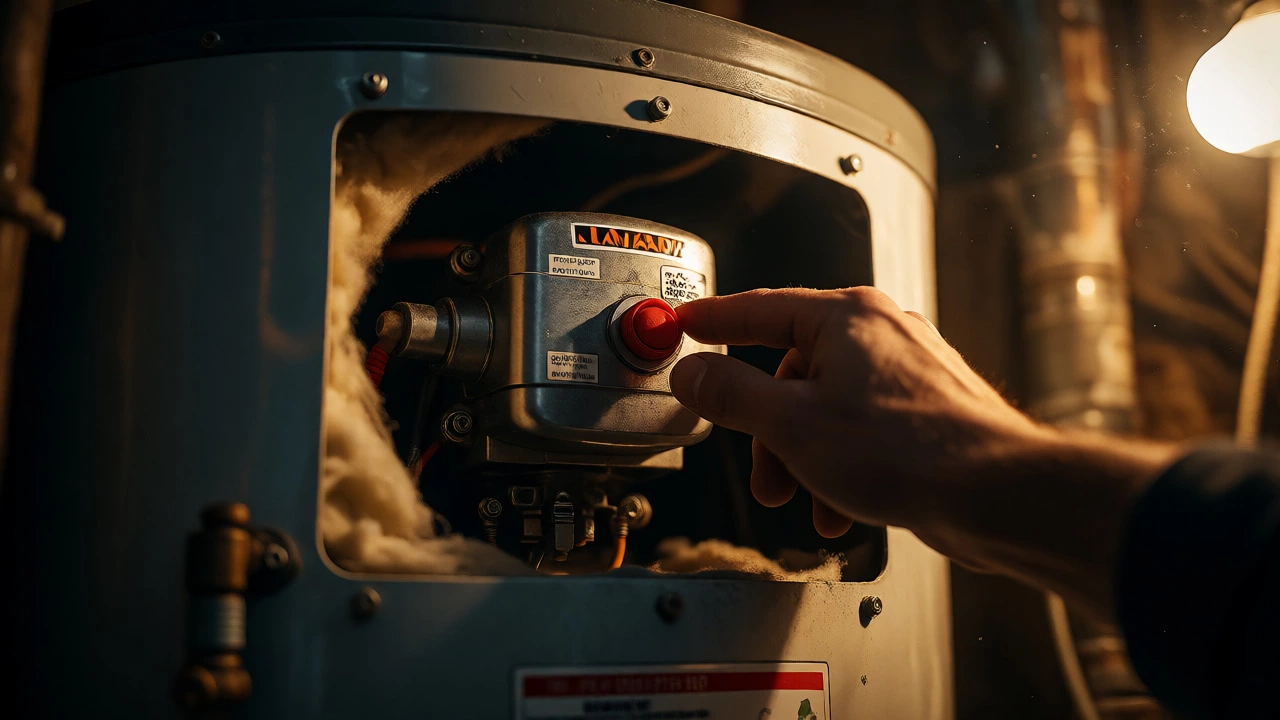
Before you poke around, you need to know what you’re dealing with. On most standard electric water heaters (like those made by Rheem, AO Smith, or General Electric), there are two thermostats-one near the top of the tank and one near the bottom. Each thermostat has its own reset button, usually colored red.
This component is technically called the High Limit Switch or ECO (Energy Cut Off). Its job is simple: if the water temperature exceeds roughly 180°F (82°C)-well above the normal setting of 120°F-the switch trips. This cuts power to the heating element to prevent the water from turning into steam, which could cause dangerous pressure buildup.
Think of it like the circuit breaker in your house electrical panel. If you trip a breaker because you plugged in too many space heaters, you flip it back. But if it trips again immediately, you don’t tape it down; you unplug the space heaters. The same logic applies here.
When Is It Safe to Reset?
There are specific scenarios where pressing the button is not only safe but necessary. Here’s how to tell if you’re in the clear:
- A One-Time Power Surge: Did lightning strike nearby or did the power flicker violently? A spike might have caused the thermostat to misread the temperature temporarily. If it resets and holds, you’re likely fine.
- Recent Maintenance: Did you recently drain the tank or replace an element? Sometimes, air pockets get trapped around the heating element. Without water touching the metal, the element heats up instantly and triggers the high limit switch. Once the air purges and water flows normally, the system stabilizes.
- New Installation: New units sometimes ship with thermostats set slightly off-center. A single reset during the initial fill-up is common and harmless.
If any of these apply, go ahead. Turn off the power at the breaker, remove the insulation carefully, press the button until it clicks, replace the insulation, restore power, and wait 30 minutes. Check the hot water. If it stays hot, good job.
The Danger Zone: When Not to Ignore It
If you reset the button and the water gets hot, but then goes cold again within a day or two, stop pressing it. You have a recurring fault. Continuing to force-reset the system when there’s an underlying mechanical issue is risky for three main reasons:
- Burned-Out Heating Elements: The most common cause of repeated tripping is a failed lower heating element. These elements are resistive coils. Over time, they develop holes or scale buildup. When a hole forms, electricity arcs directly to the water instead of heating the coil efficiently. This creates localized super-heating, triggering the ECO switch. Every time you reset it, you’re sending massive current through a broken component, accelerating the damage.
- Stuck Thermostat: The thermostat itself might be faulty. If the bimetallic strip inside the thermostat sticks, it won’t cut power even when the water reaches the target temperature. The water keeps getting hotter until the High Limit Switch steps in as the last line of defense. If you keep resetting this, you risk scalding temperatures reaching 190°F+, which stresses the tank lining.
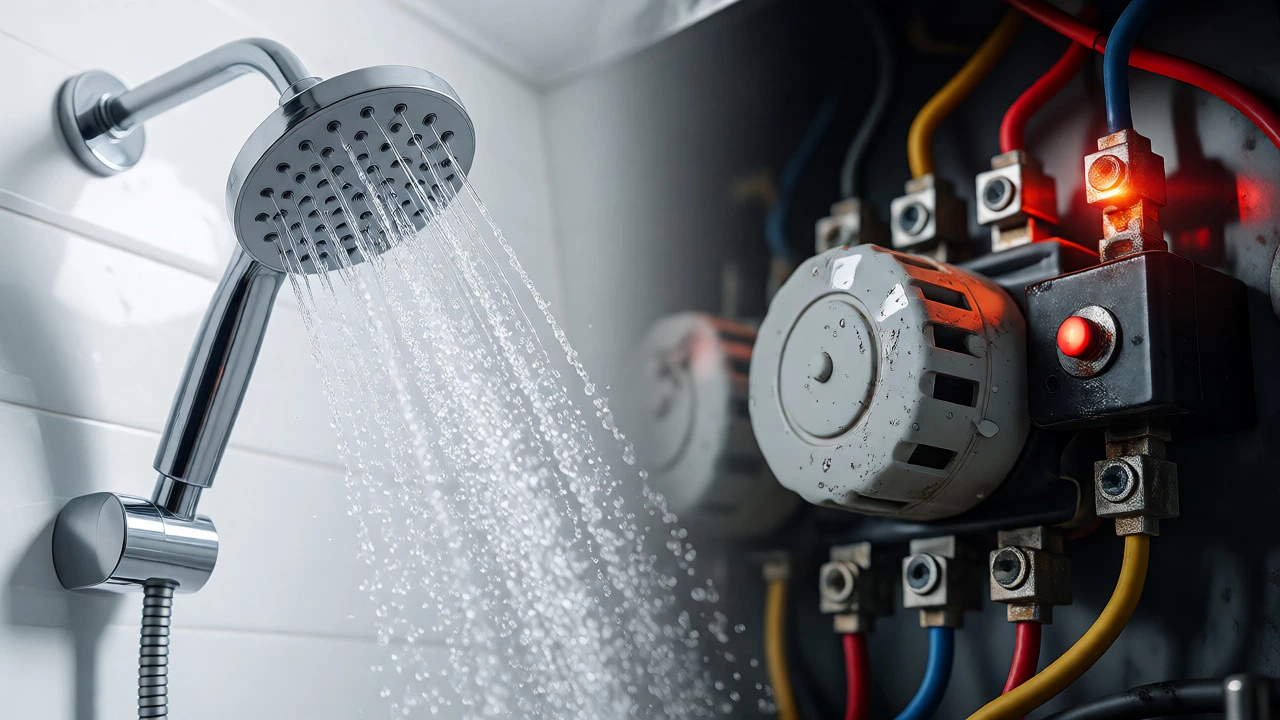
- Wiring Issues: Loose connections at the terminal block can create resistance, generating heat outside the tank. This heat can radiate into the thermostat area, causing false trips. If wires are scorched or brittle, forcing more current through them via resets increases fire risk.

How to Diagnose Before You Reset
Don’t just guess. Spend five minutes checking these things before you push that button. This simple checklist saves you from calling a plumber for a $5 part or, worse, replacing a $600 tank prematurely.
| Symptom | Likely Cause | Action Required |
|---|---|---|
| Trips immediately after reset | Shorted Heating Element | Test element with multimeter; replace if continuity is low (< 10 ohms) or grounded. |
| Trips after 1-2 hours of use | Failing Thermostat | Replace thermostat kit (often includes both upper and lower). |
| No hot water at all | Power Supply / Upper Element | Check breaker voltage; test upper element. |
| Hot water runs out quickly | Mixing Valve Issue / Cracked Dip Tube | Inspect dip tube; not related to reset button. |
| Leaking from relief valve | Excessive Pressure/Temperature | Check T&P valve operation; do not reset if leaking. |
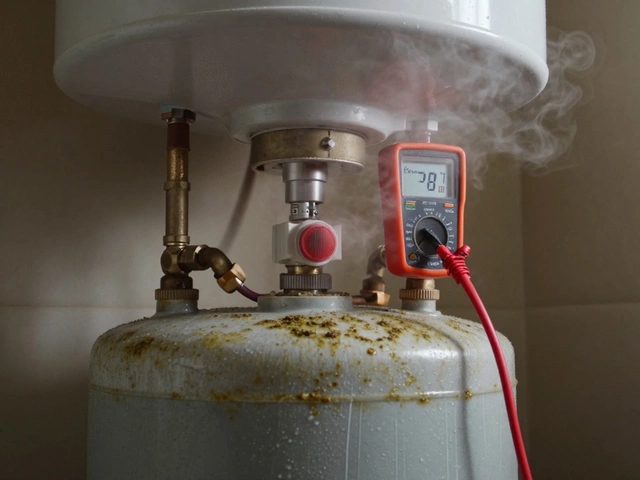
To perform these checks safely, always turn off the dedicated 240-volt breaker for the water heater. Never touch the terminals while live. Use a non-contact voltage tester to confirm power is off. If you aren’t comfortable using a multimeter, skip the diagnostics and call a pro. Electricity doesn’t care if you’re tired or in a hurry.
The Myth of the "Self-Cleaning" Reset
Some homeowners believe that resetting the button clears sediment or resets the digital brain of the heater. This is false. Most standard residential electric heaters are purely mechanical-analog devices. There is no computer chip to reboot. The reset button is a physical spring-loaded contact.
Pressing it does not flush the tank. It does not clean the elements. It simply closes the electrical circuit again. If your water heater is over 10 years old and frequently tripping, the internal components are likely worn out. Sediment buildup at the bottom of the tank insulates the lower element from the water. The element heats up rapidly because it’s surrounded by sand-like calcium deposits rather than cooling water. This causes the thermostat to think the whole tank is hot, shut off, but then the water cools unevenly, leading to erratic cycling. In this case, flushing the tank is the real fix, not resetting the switch.
Gas vs. Electric: Does It Apply?
It’s worth noting that this advice primarily applies to electric water heaters. Gas models operate differently. Gas heaters use a thermocouple or flame sensor and a gas control valve. They don’t typically have a manual reset button for overheating in the same way. If a gas heater shuts off unexpectedly, it’s usually due to a draft blowing out the pilot light, a blocked flue, or a failing thermocouple. You don’t "reset" a gas heater by pressing a button; you usually relight the pilot or adjust the dial. Confusing the two systems can lead to unnecessary panic or incorrect repairs.
When to Call a Professional
You should stop DIY-ing and pick up the phone if:
- The button pops out again within 24 hours. This indicates a hard failure in the element or thermostat.
- You smell burning plastic or see smoke. Shut off the breaker immediately. This suggests wiring melting.
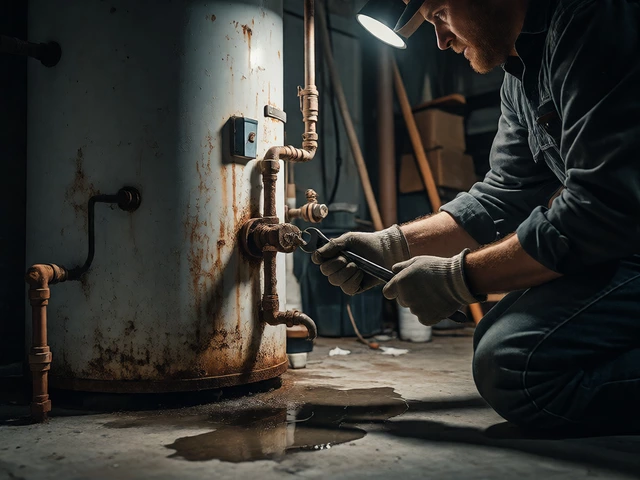
- The Temperature & Pressure (T&P) Relief Valve is dripping. This valve is located on the side of the tank. If it leaks water continuously, the tank is under excessive pressure. Resetting the heater won’t help; you may need a new T&P valve or an expansion tank.
- You are uncomfortable working with 240V. This is twice the voltage of your wall outlets. Mistakes here are painful and dangerous.
Remember, the goal isn’t just to get hot water back today. It’s to ensure the system runs safely tomorrow. A $15 heating element replacement now beats a $1,500 water damage cleanup later.
How long should I wait after resetting my water heater?
Wait at least 30 to 60 minutes before testing the hot water. The heating elements take time to raise the temperature of the stored water. Testing immediately will result in lukewarm water and might make you think the reset failed, prompting unnecessary further troubleshooting.
Why does my water heater keep tripping the reset button?
Repeated tripping is almost always caused by a faulty lower heating element or a stuck thermostat. Sediment buildup can also cause the element to overheat locally. If the element is grounded (touching the tank internally) or has low resistance, it draws excess current and triggers the high limit switch repeatedly.
Can I bypass the reset button?
No, you should never bypass the high limit switch/reset button. It is a critical safety device. Bypassing it means if the thermostat fails, nothing stops the water from boiling, which can rupture the tank or blow the relief valve violently. Always rely on the built-in safety mechanisms.
Is it safe to leave the water heater without hot water while waiting for a repair?
Yes, it is perfectly safe. The tank remains full of water, and the lack of heat prevents any risk of overheating. Just be aware that standing water can promote bacterial growth (like Legionella) if left stagnant for weeks, but for a few days of repair delay, it is negligible.
Does the age of the water heater matter when troubleshooting?
Absolutely. If your water heater is over 10-12 years old and experiencing frequent electrical faults, consider replacement rather than repair. Parts become scarce, and corrosion weakens the tank structure. Replacing an old unit is often more cost-effective than fixing multiple failing components in a dying system.