Electric Hob Repair vs. Replace Calculator
Use this tool to apply the "50% Rule" and determine if fixing your broken hob is worth it compared to buying a new one.
Financial Analysis
Recommendation
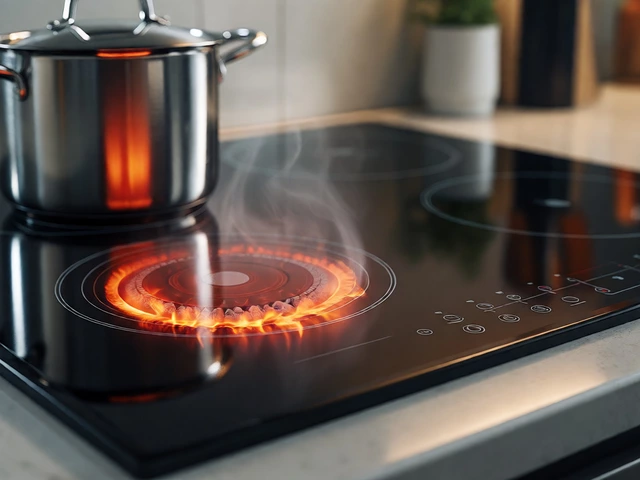
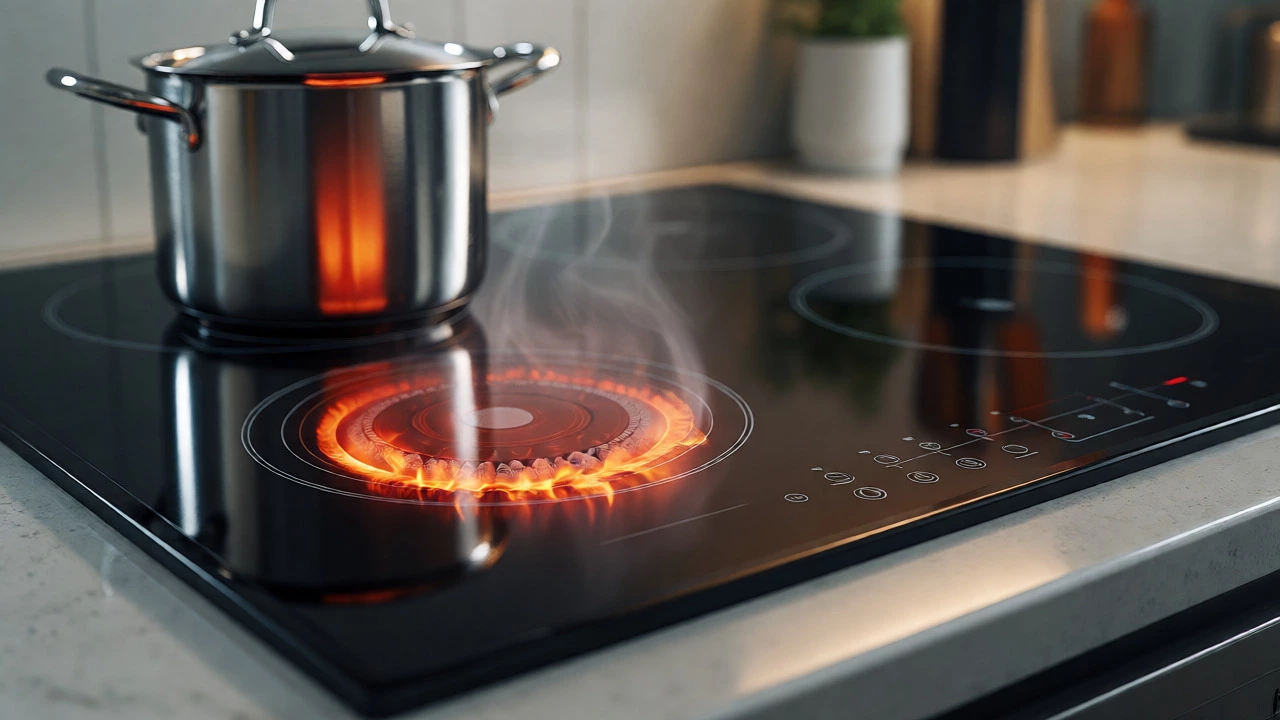
You’re mid-cook, the pasta water is boiling, and suddenly one burner on your electric hob stops heating up or flickers uncontrollably. Panic sets in. Is this a $50 fix or a $500 replacement? The short answer is: yes, electric hobs can be repaired, but whether you *should* depends entirely on what broke and how much it costs to fix.
Living here in Wellington, where damp winters mean we rely heavily on our kitchen appliances, I’ve seen countless homeowners agonize over this decision. It’s not just about the money; it’s about safety, convenience, and the hassle of finding a temporary cooking solution while your main stove is out of action. Let’s break down exactly what goes wrong with these units, what repairs are actually feasible, and when you should cut your losses.
The Two Main Types of Electric Cooktops
Before you call a technician, you need to know what you’re dealing with. "Electric hob" is a broad term that usually covers two very different technologies. Knowing which one you have changes the repair outlook significantly.
The first type is the traditional radiant electric hob which uses exposed metal coil elements or sealed disc elements under a glass-ceramic surface. These heat up by glowing red hot. They are simpler mechanically but less energy-efficient. The second type is the modern induction hob which uses electromagnetic fields to heat the pan directly rather than the surface itself. Induction units are packed with complex electronics, making them faster and safer, but often more expensive to repair if the internal circuitry fails.
| Feature | Radiant Electric Hob | Induction Hob |
|---|---|---|
| Common Failure | Burnt-out element or faulty switch | Faulty control board or sensor |
| Repair Cost | Low ($80 - $150) | High ($200 - $400+) |
| DIY Potential | Moderate (if skilled) | Low (requires specialist) |
| Lifespan | 10-15 years | 8-12 years |
What Actually Breaks?
It’s rarely the whole unit that dies at once. Usually, it’s a specific component. Understanding the culprit helps you gauge the repair bill before you even pick up the phone.
- Heating Elements: On radiant hobs, the coil or disc element can burn out. This is the most common issue. If one zone doesn’t get hot, but the light turns on, it’s likely the element. Replacing a single element is cheap and quick.
- Control Switches and Knobs: Mechanical switches wear out over time. If turning the knob does nothing, or feels loose, the switch behind the panel might be broken. These are inexpensive parts, though labor adds up.
- Thermal Fuses: Safety devices that blow if the hob overheats. If the entire unit is dead (no lights, no power), check the fuse box first, then the thermal fuse inside the appliance.
- Control Boards (PCBs): This is the brain of an induction hob. If you see error codes like "F5" or "E6," or if the display flickers randomly, the PCB is likely fried. This is the most expensive part to replace.
- Glass-Ceramic Surface: Yes, the glass itself can crack. While small chips can sometimes be polished, a full crack usually means the structural integrity is compromised. Replacing the glass top on a built-in hob is often more expensive than buying a new unit because of the disassembly required.
The "50% Rule" for Appliance Repair
Here is a rule of thumb I use with my clients in Wellington: If the repair cost exceeds 50% of the price of a brand-new equivalent model, buy a new one. For smaller countertop hobs, this threshold might be lower-around 30%-because newer models come with better warranties and features.
Let’s look at a real-world scenario. You have a four-zone built-in induction hob that is five years old. A new comparable model costs $1,200. The technician diagnoses a faulty control board. Parts and labor come to $450. That’s nearly 40% of the replacement cost. Since the unit is already halfway through its expected lifespan, spending $450 now might just delay the inevitable failure of another component next year. In this case, replacement is the smarter financial move.
However, if you have a high-end Miele or Bosch hob that originally cost $3,000, and the repair is $450, that’s only 15%. Keep the machine. These premium brands build their products to last, and replacing the core electronics keeps the investment alive.
DIY or Professional? Making the Call
Can you do it yourself? Technically, yes. But should you?
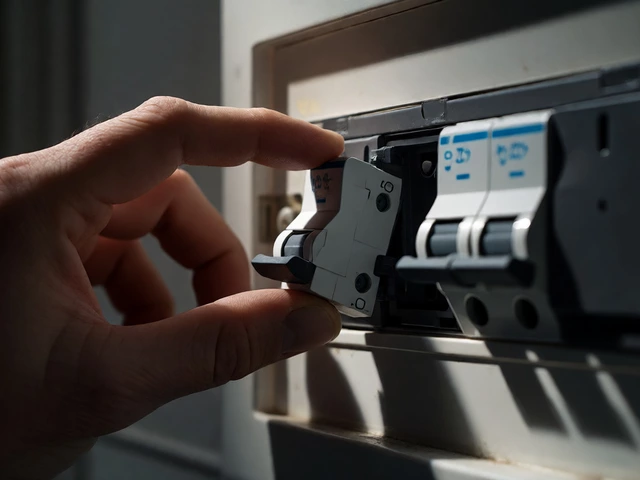
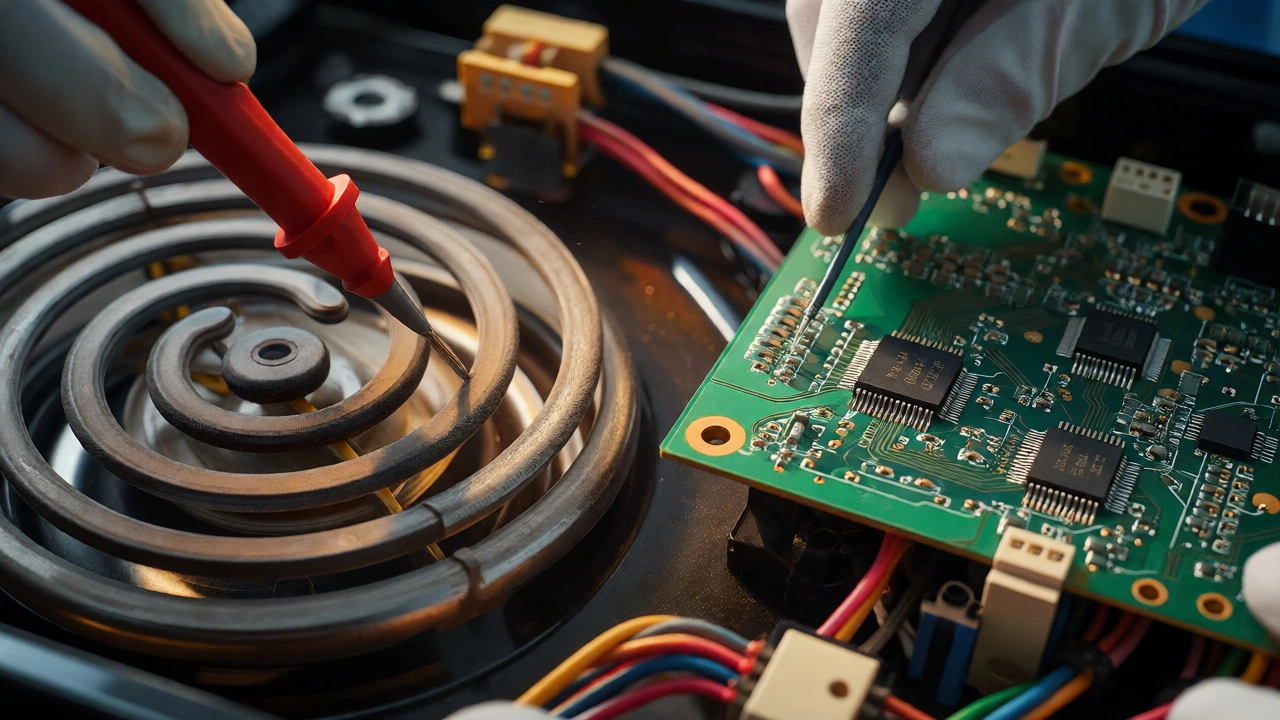
If you have a radiant hob with a burnt-out element, and you are comfortable working with electricity, swapping the element is manageable. You’ll need a multimeter to confirm the element has infinite resistance (meaning it’s broken) and the right screwdrivers. Always disconnect the mains power at the breaker box-not just the plug-before touching anything.
For induction hobs, DIY is risky. These units operate on high-frequency electrical currents. Diagnosing a PCB fault requires specialized knowledge. Plus, many manufacturers void the warranty if an unauthorized person opens the chassis. If your hob is still under warranty (typically 1-2 years, sometimes extended), let the manufacturer handle it. Once the warranty expires, hiring a certified appliance technician is worth the peace of mind. They carry diagnostic tools and have access to OEM (Original Equipment Manufacturer) parts that fit perfectly.
Safety First: When Not to Repair
There are certain signs that indicate you should stop using the hob immediately and consider replacement rather than repair.
- Cracked Glass: If the glass-ceramic surface has a deep crack, moisture can seep into the electronics below. This creates a shock hazard and will eventually kill the control board. Don’t try to tape it up; replace the unit.
- Burning Smell: If you smell burning plastic or see smoke coming from underneath the hob, turn it off instantly. This indicates an electrical short or melting wiring. Continuing to use it risks a house fire.
- Discolored Power Cord: If the cable connecting the hob to the wall socket is blackened or brittle, it’s been overheating. While the cord can be replaced, this often points to deeper installation issues or internal faults.
How to Extend Your Hob’s Life
Most repairs are preventable. Here are three simple habits that save money in the long run.
- Use Flat-Bottomed Pans: Scratches and uneven pressure damage the glass surface. Wipe the bottom of pots and pans before placing them on the hob. Grit acts like sandpaper.
- Clean Spills Immediately: Sugar-based spills (like jam or syrup) can etch the glass as they cool and harden. Use a dedicated scraper tool once the surface is warm, not hot.
- Avoid Abrasive Cleaners: Never use scouring pads or harsh powders. They create micro-scratches that trap dirt and make the hob look dull. Stick to soft cloths and specific ceramic cooktop cleaners.
Next Steps: What to Do Now
So, your hob is acting up. Here is your action plan:
- Check the Basics: Is the unit plugged in? Is the circuit breaker tripped? Is there a child lock activated? These free fixes solve 20% of reported issues.
- Identify the Model: Find the sticker on the underside or back of the hob. Note the model number. Search online for "[Model Number] + repair manual" to see if the issue is known.
- Get a Quote: Call two local repair services. Ask specifically: "What is the call-out fee?" and "Do you charge for diagnosis if I choose not to proceed?" Compare these quotes against the price of a new unit.
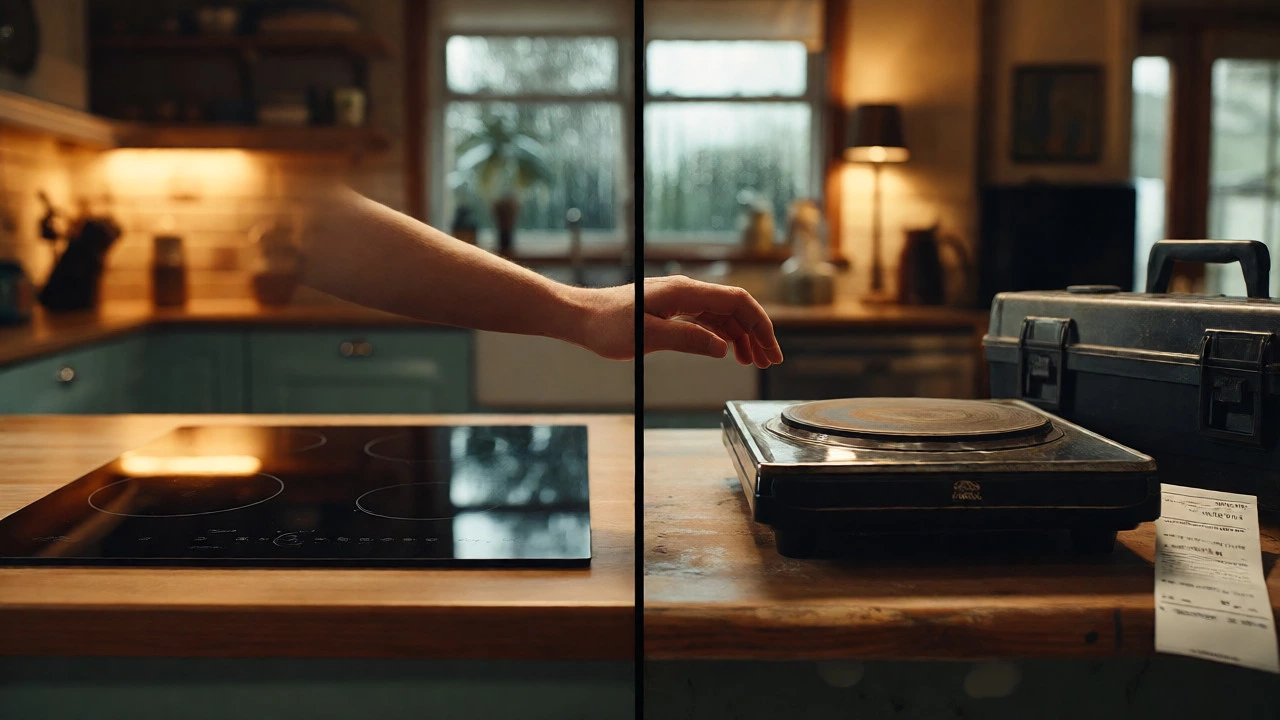
- Make the Decision: Apply the 50% rule. If the repair is cheap and the unit is young, fix it. If the repair is expensive or the unit is old, replace it.
How much does it cost to repair an electric hob?
Costs vary widely based on the fault. Replacing a heating element on a radiant hob typically costs between $80 and $150 including labor. Fixing an induction hob's control board can range from $200 to $400 or more. Call-out fees usually sit around $50-$80 in New Zealand.
Is it worth repairing an old induction hob?
Generally, no. Induction hobs have complex electronics that tend to fail after 8-10 years. If your unit is older than 7 years and needs a major component like a PCB, replacement is usually more cost-effective due to the high part costs and risk of subsequent failures.
Can I replace the glass top myself?
While technically possible, it is highly discouraged for built-in hobs. Removing the glass requires disassembling the entire unit, disconnecting delicate sensors, and resealing edges to prevent water ingress. Incorrect reassembly can lead to leaks and further damage. It is best left to professionals.
Why did my electric hob stop working suddenly?
Sudden total failure is often caused by a blown thermal fuse, a tripped home circuit breaker, or a failed power supply module. If only one zone stops working, it is likely a burnt-out heating element or a faulty zone switch.
Do electric hobs use a lot of electricity?
Yes, compared to gas, electric hobs consume significant power. A standard four-zone electric hob can draw up to 7-10 kW when all zones are active. Induction hobs are roughly 10-20% more efficient than radiant electric hobs because they transfer heat directly to the cookware.